
The Final Curtain: Analyzing the Controversial Conclusion of HBO’s Euphoria

The landscape of modern television is littered with shows that overstayed their welcome, but few have experienced as drastic a cultural shift as HBO’s Euphoria. Once a juggernaut of Sunday night appointment viewing—defined by its hyper-stylized cinematography, viral makeup trends, and raw, unflinching performances—the series concluded its third and final season on May 31, leaving behind a legacy that is as complicated as the characters it portrayed.
The announcement that the season finale, titled "In God We Trust," would serve as the series finale was met with a mixture of relief and critical vindication. After a protracted four-year hiatus between the second and third seasons, the cultural cachet of the show had waned. The production was marred by behind-the-scenes friction, scheduling conflicts for its A-list cast—including Emmy-winner Zendaya, Jacob Elordi, and Sydney Sweeney—and a narrative drift that left many fans feeling disconnected from the once-grounded drama.

The Chronology of a Disjointed Finale
The final season of Euphoria was less a cohesive narrative and more a collection of disparate threads struggling to find a common knot. The plot moved away from the intimate, character-driven studies of East Highland High and toward a grim, crime-thriller aesthetic that felt incongruous with the series’ roots.
The season’s tension centered on the power vacuum left by Fezco’s absence and the introduction of antagonist Alamo Brown. The conflict escalated through a series of tactical errors, drug-smuggling operations in Mexico, and the inevitable intersection of the main cast with dangerous, adult-world criminals. The finale acted as a violent, abrupt resolution, effectively "cleaning house" and dismantling the ensemble cast in a way that left little room for future storytelling.

The culmination of these events—ranging from the tragic, accidental death of Rue Bennett to the betrayal of cartel leaders—effectively shuttered the world Sam Levinson had built, serving as an emphatic "no" to any hopes of a Season 4.
Character Endings: A Critical Assessment
To understand the finality of Euphoria, one must examine the fates of the primary players. The ranking of these endings reveals the narrative unevenness that plagued the show’s final act.
1. Bishop: The Silent Architect
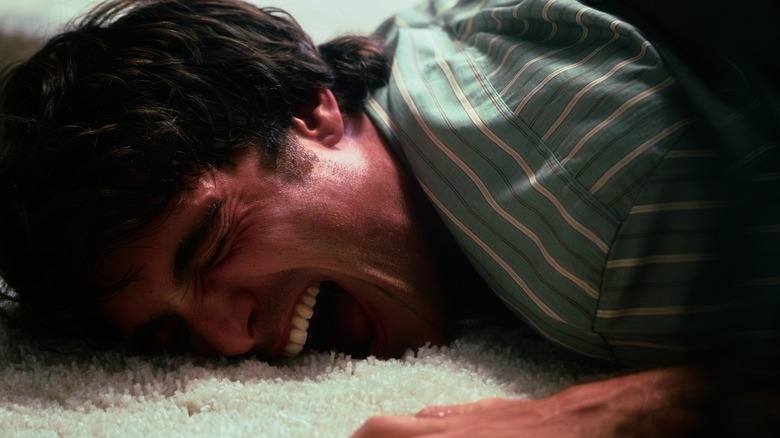
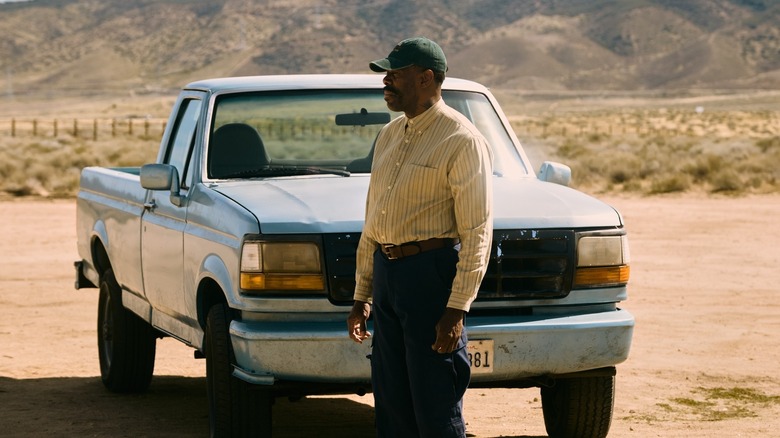
Darrell Britt-Gibson’s Bishop stands as the most compelling, albeit underutilized, addition to the final season. As the stoic right-hand man to the villainous Alamo Brown, Bishop provided a layer of moral ambiguity that the season desperately lacked. His ultimate betrayal—disarming Alamo’s weapon before the final standoff with Ali—was the pivot point of the finale. Britt-Gibson’s portrayal was a masterclass in subtlety, turning a background character into the catalyst for justice.
2. Rue: The Tragic Inevitability
Zendaya’s Rue has always been the heart and soul of Euphoria. Her death—a result of fentanyl-laced painkillers provided by Alamo—was polarizing. While some critics argue it was an overly nihilistic end for a character who represented the long, painful road to recovery, others view it as a grimly realistic reflection of the opioid crisis. Without Rue, the show loses its narrative tether, making the decision to end the series here both logical and emotionally devastating.
3. Lexi: Choosing Art Over Influence
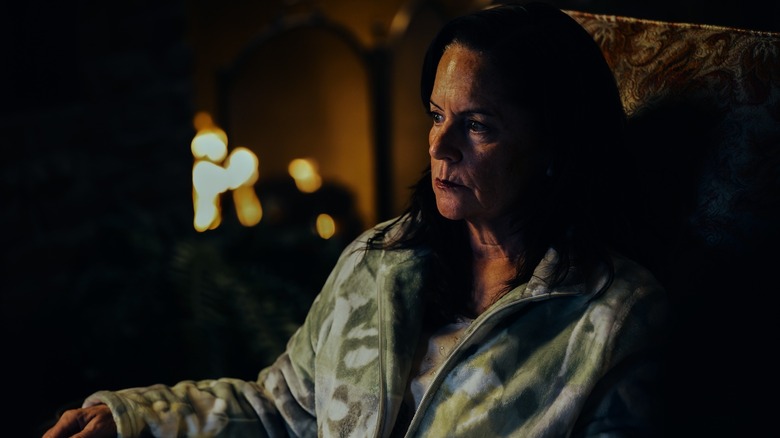
In a sea of characters chasing clout or quick money, Lexi (Maude Apatow) emerged as the show’s moral compass. Her decision to turn down a lucrative, soul-crushing offer to manage her sister’s influencer house in favor of pursuing a career in writing served as the only genuine "happy ending" in the finale. It was a rare moment of agency that felt earned.
4. Ali Muhammed: The Reluctant Executioner
Colman Domingo’s Ali underwent the most profound transformation. Moving from a mentor and sponsor to a man driven by the singular, violent goal of avenging Rue, Ali’s arc mirrored the show’s descent into darkness. His success in taking down Alamo was a "Tarantino-esque" conclusion that provided a cathartic, albeit bloody, resolution to his internal struggle with powerlessness.

5. Maddy: Survival and Realization
Maddy (Alexa Demie) spent the final season playing a dangerous game of "fake it until you make it." Her entanglement with Alamo nearly cost her everything, but the finale saw her escape the cycle of exploitation. Her survival and subsequent freedom from the debt-ridden life of the show’s criminal underworld marks a maturation point that suggests she might finally move toward a stable future.
6. Jules, Cassie, and the Rest
The remaining characters—Jules, Cassie, and Nate Jacobs—received endings that were largely unsatisfactory. Nate’s death via a snake bite while buried alive was a bizarre, anticlimactic end for the series’ primary antagonist, rendering his previous seasons of manipulation almost moot. Meanwhile, Jules and Cassie were relegated to roles that felt increasingly superfluous. Jules’s descent into the world of "sugar baby" dynamics and her final, cryptic painting felt like a wasted opportunity to explore her character’s depth, while Cassie’s isolation in a massive, empty influencer house painted a bleak picture of success without substance.

Implications of the Final Season
The negative critical reception to Euphoria Season 3 was not merely a matter of taste; it was a symptom of a show that had drifted too far from its core identity.
The "Four-Year Gap" Problem
The extended hiatus proved fatal. During the four years that passed between the second and third seasons, the actors outgrew their roles. Jacob Elordi’s ascension to Oscar-nominated status and Sydney Sweeney’s meteoric rise to Hollywood stardom created a visible dissonance; the characters felt like shells of their former selves, struggling to fit into a story that hadn’t evolved with its talent.
The Shift in Tone
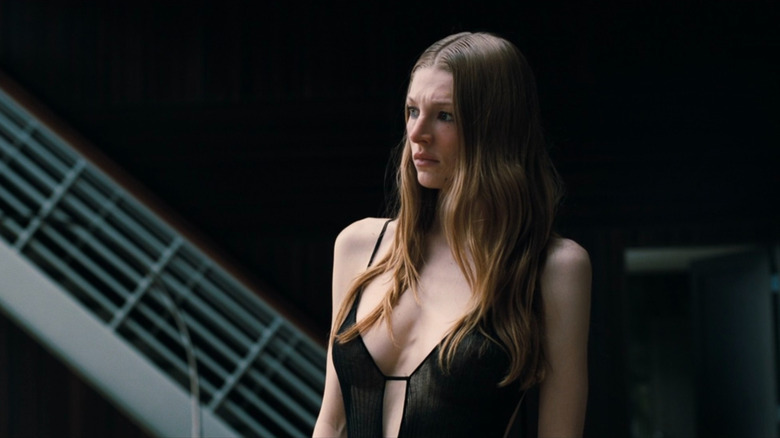
The transition from a teen drama about the complexities of identity and addiction to a gritty cartel-adjacent thriller alienated the core audience. By replacing the emotional intimacy of the first two seasons with high-stakes, low-substance violence, the writers failed to provide the closure that fans of the original premise were seeking.
Official Responses and Industry Context
HBO’s decision to brand the final episode as the series finale was a calculated move to preserve the brand’s legacy. While the network has not officially addressed the specific creative complaints, the move to end the show aligns with the broader industry trend of trimming bloated, high-budget series that no longer generate the critical or cultural return on investment they once did.
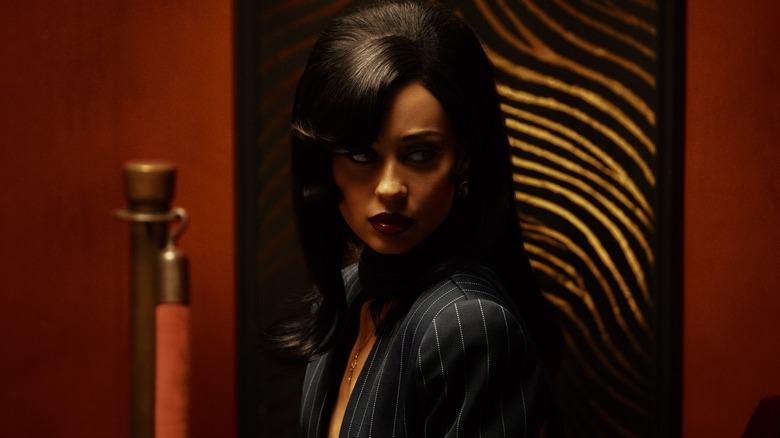
The creative team behind Euphoria has remained largely silent on the specific criticisms, though the final product suggests a narrative that reached a natural, if not entirely satisfying, exhaustion point. The show’s reliance on shock value, which was once its greatest strength, became its ultimate liability, leaving little room for the character growth that defined its early success.
Conclusion: A Legacy of Excess
Euphoria will likely be remembered as a cultural flashpoint—a show that defined the aesthetic of the early 2020s. However, its final season serves as a cautionary tale for prestige television. It highlights the dangers of losing sight of character-driven storytelling in favor of plot-driven spectacle.
While the finale succeeded in closing the book on the residents of East Highland, it left many questions unanswered and many arcs unfinished. The ultimate irony of Euphoria is that for a show so deeply concerned with the "highs" of existence, its final act was a descent into a muted, hollow "low." It stands now as a complete body of work—a brilliant, flawed, and ultimately volatile experiment that changed the face of television, even if it couldn’t quite stick the landing.
