
Beyond the Great Hall: Why Netflix’s Darker Fantasy Worlds Are Redefining the Genre
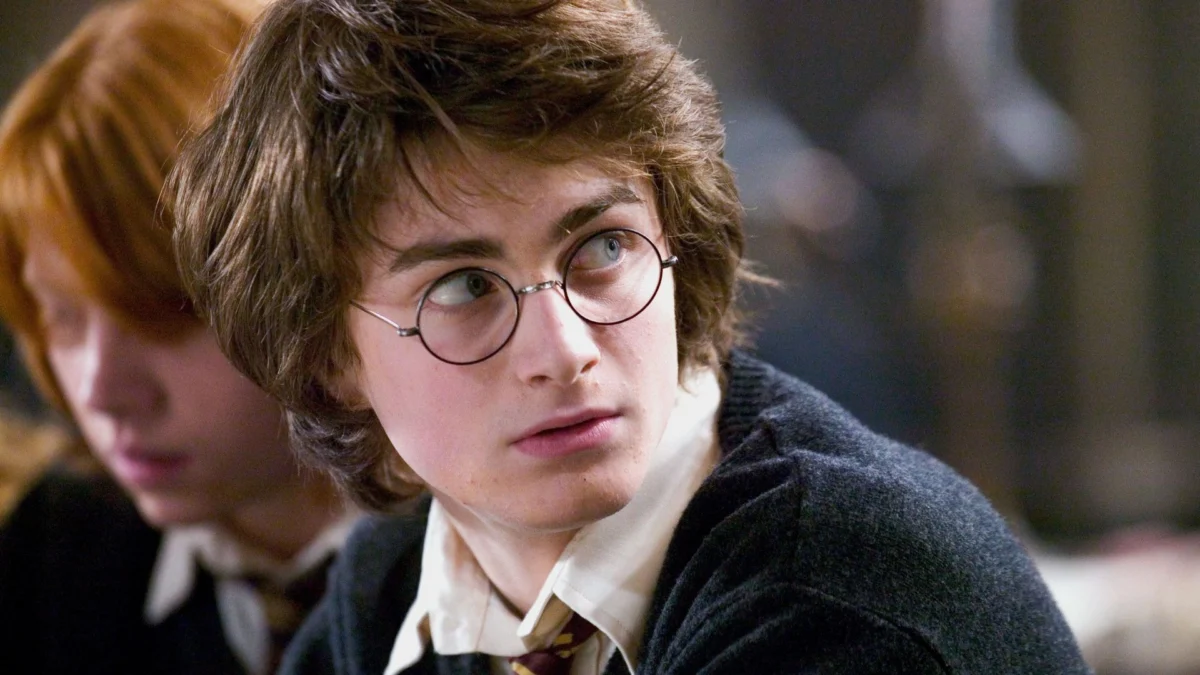
For an entire generation, the word "fantasy" was inextricably linked to the arrival of an owl-delivered letter and the rhythmic, anxiety-inducing anticipation of the Sorting Hat. J.K. Rowling’s Harry Potter didn’t just create a fictional universe; it built a sanctuary. With its cozy common rooms, hidden corridors, and the comforting predictability of the school calendar, the Wizarding World became a place where millions felt they truly belonged. As HBO prepares its high-profile television adaptation of the beloved franchise, a new generation is poised to fall under the spell of Hogwarts all over again.
However, as the genre matures, the boundaries of "fantasy" have expanded far beyond the ivory towers of magical academia. In recent years, streaming giant Netflix has systematically curated a library of fantasy content that trades the whimsy of Harry Potter for gothic horror, brutal geopolitical power struggles, and high-stakes animated epics. These series are darker, more narratively ambitious, and philosophically complex, suggesting that for viewers looking to graduate from the boy-wizard archetype, the true frontier of magic lies in the shadows.

The Evolution of Fantasy: A Chronology of Change
The transition from the "hero’s journey" model of the early 2000s to the gritty, serialized storytelling of today was not an overnight shift. The success of Game of Thrones paved the way for audiences to crave morally gray protagonists and intricate world-building. Netflix capitalized on this hunger, releasing a steady stream of intellectual property adaptations that challenged the status quo.
From the 2017 premiere of Castlevania, which proved that Western animation could hold its own against live-action blockbusters, to the genre-bending, puzzle-box nature of Locke & Key in 2020, Netflix has consistently sought to redefine what a "fantasy show" looks like. By 2022, the release of The Sandman and Wednesday cemented a new era: one where fantasy serves as a vehicle for exploring trauma, societal inequality, and existential dread.
Deep Dive: The New Standards of Fantasy
Sweet Tooth (2021–2024): A Fairy Tale in the Ruins
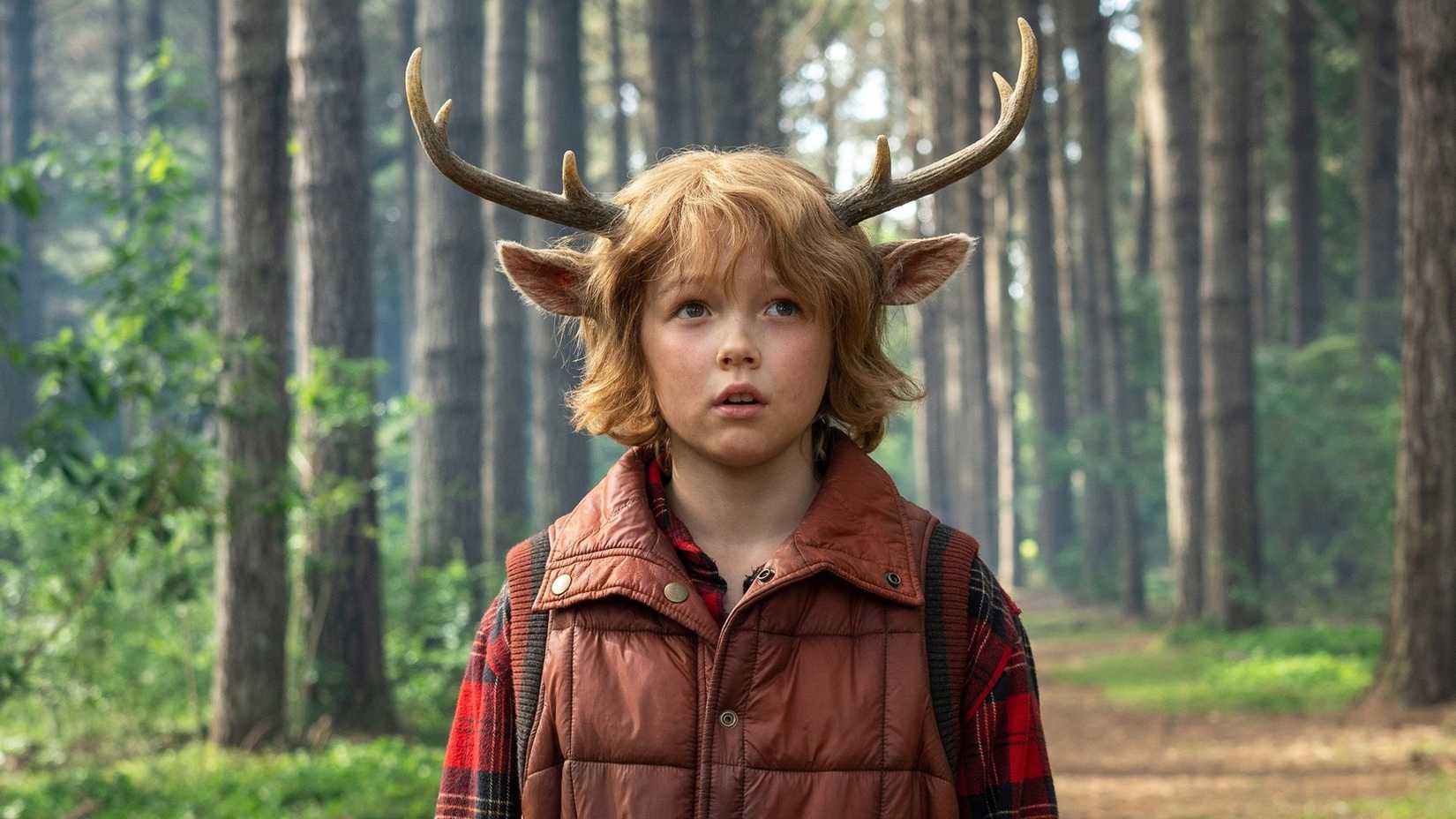
Based on Jeff Lemire’s evocative DC comic series, Sweet Tooth follows Gus, a human-deer hybrid, as he navigates a post-apocalyptic landscape decimated by a mysterious pandemic.
- Why it rivals the classics: While Harry Potter uses magic as a tool of escapism, Sweet Tooth uses the fantastical—hybrid children—as a lens to examine climate anxiety and the human propensity for fear-based violence. The stakes are deeply personal rather than cosmic, grounding the viewer in a story about survival and the search for an authentic family unit.
Locke & Key (2020–2022): The Puzzle-Box Inheritance
After the tragic murder of their father, the Locke siblings relocate to their ancestral home, Keyhouse. There, they discover a series of magical keys, each possessing reality-bending powers.
- The Narrative Shift: Unlike the structured education of Hogwarts, the magic in Locke & Key is a dangerous, experimental inheritance. The series functions as a high-stakes puzzle, forcing the characters to learn through painful trial and error. It offers a tangible, kinetic form of magic that changes the very fabric of the characters’ identities.
The Dragon Prince (2018–2024): Beyond the Dark Lord
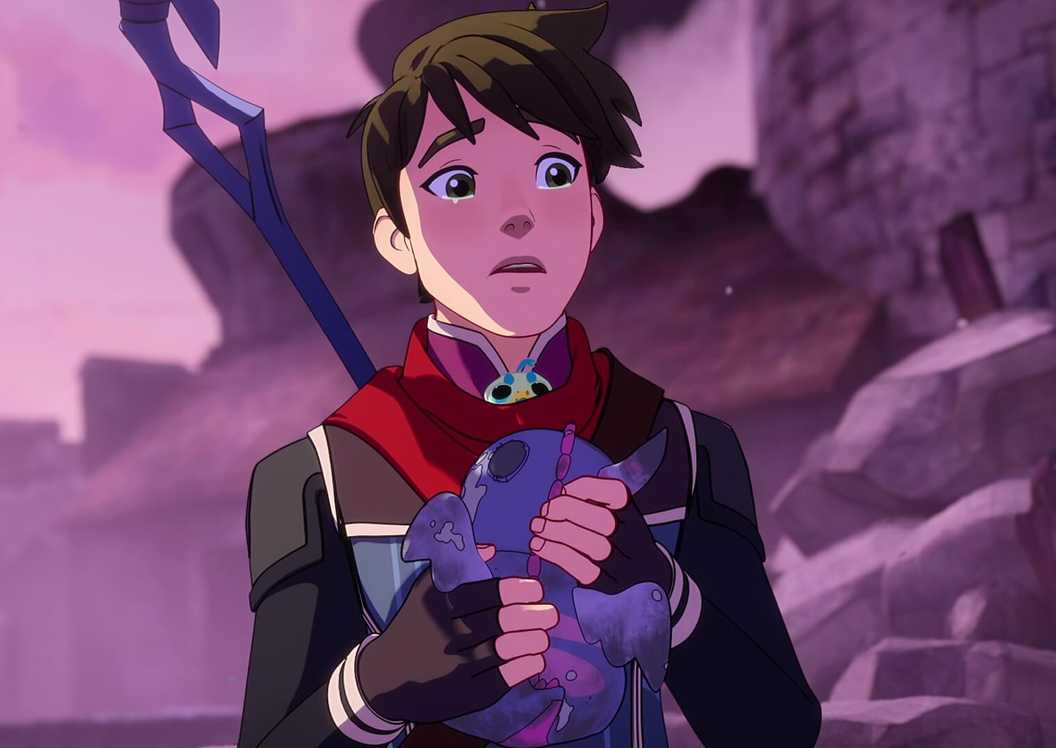
Spanning seven seasons, this animated epic details the efforts of two human princes and an elven assassin to prevent a continent-wide war.
- The Scope: The Dragon Prince avoids the "single villain" trope found in Harry Potter. Instead, it builds a civilization defined by centuries of mistrust and conflicting ideologies. By exploring the history of both humans and magical creatures, the series provides a more lived-in, politically nuanced world than the clear-cut good-versus-evil binary of the Wizarding World.
Shadow and Bone (2021–2023): The Grishaverse Complexity
Set in a nation bifurcated by a wall of literal darkness, this series follows Alina Starkov, a soldier who discovers a power capable of ending the war.
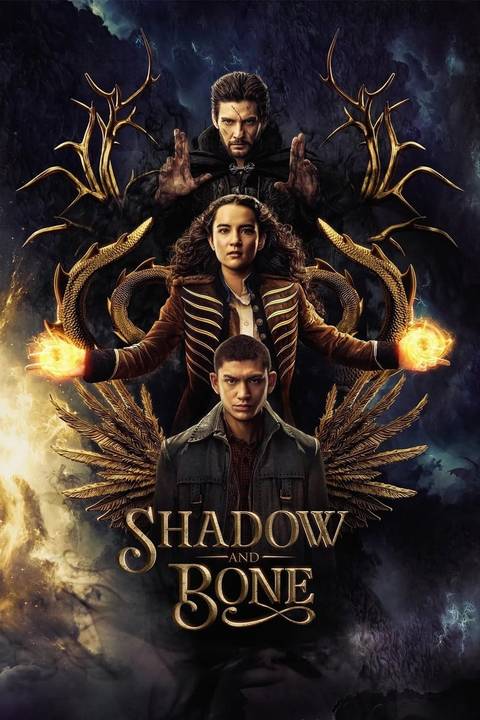
- The Difference: The series excels by blending its high-fantasy premise with the grounded, criminal-underworld aesthetic of the "Crows" side-plot. It proves that character competence and political maneuvering can be just as exciting as wand-waving. Despite its premature cancellation, it remains a masterclass in weaving multiple genre threads into a cohesive, dangerous tapestry.
Wednesday (2022–Present): The Anti-Hero Academy
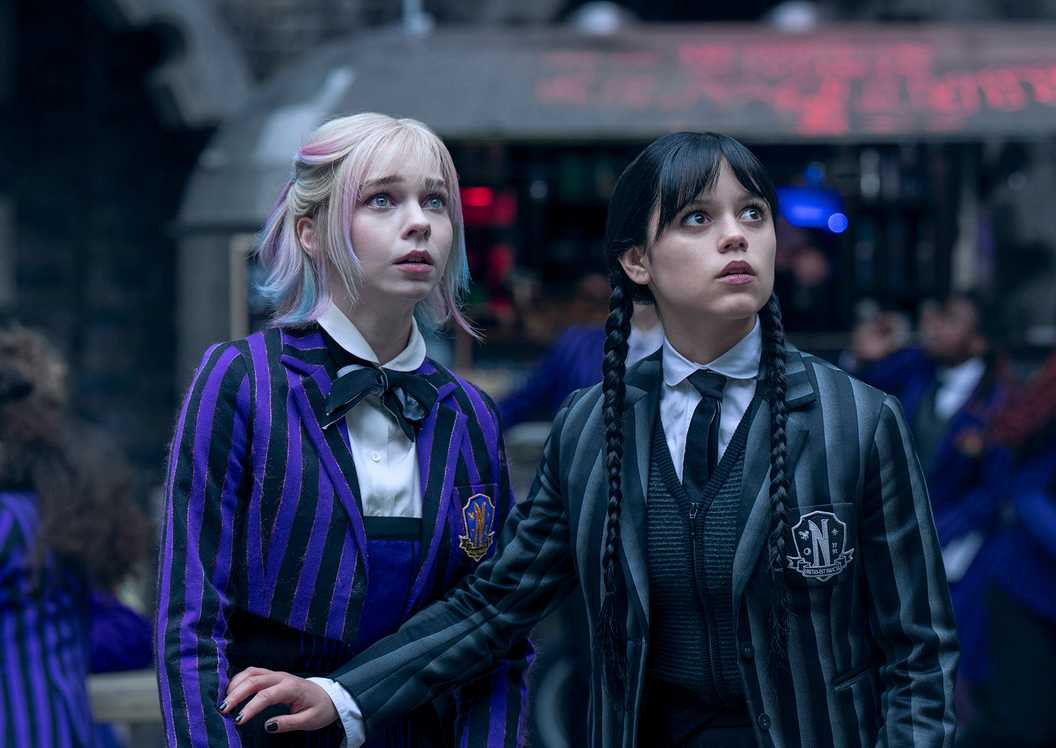
Nevermore Academy serves as a dark mirror to Hogwarts. Jenna Ortega’s Wednesday Addams is a refreshing departure from the typical "chosen one."
- The Tone: Wednesday is not interested in fitting in or winning house points. Her cynical, outsider perspective acts as the engine for the show’s humor and detective-fiction structure. It is a macabre, modern update that prioritizes character autonomy over institutional loyalty.
Castlevania (2017–2021): Gothic Brutality
This adaptation of the Konami franchise pits a disgraced monster hunter against the forces of Dracula.
- The Impact: Castlevania places visceral violence and religious hypocrisy at the forefront. Magic here is not a secret to be protected, but a weapon to be used in a war defined by grief and vengeance. It is a stark, mature look at how power corrupts both the godly and the mortal.
The Sandman (2022–2025): Mythology and Metaphysics
Neil Gaiman’s masterpiece follows Dream, the ruler of the Dreaming, as he attempts to restore his realm.
- The Scale: While Harry Potter focuses on learning spells, The Sandman explores the fundamental forces of the universe—Death, Desire, and Destiny. It is philosophical, dreamlike, and profoundly expansive, treating magic as a primordial force rather than a scholastic curriculum.
Blood of Zeus (2020–2025): Gods of Chaos
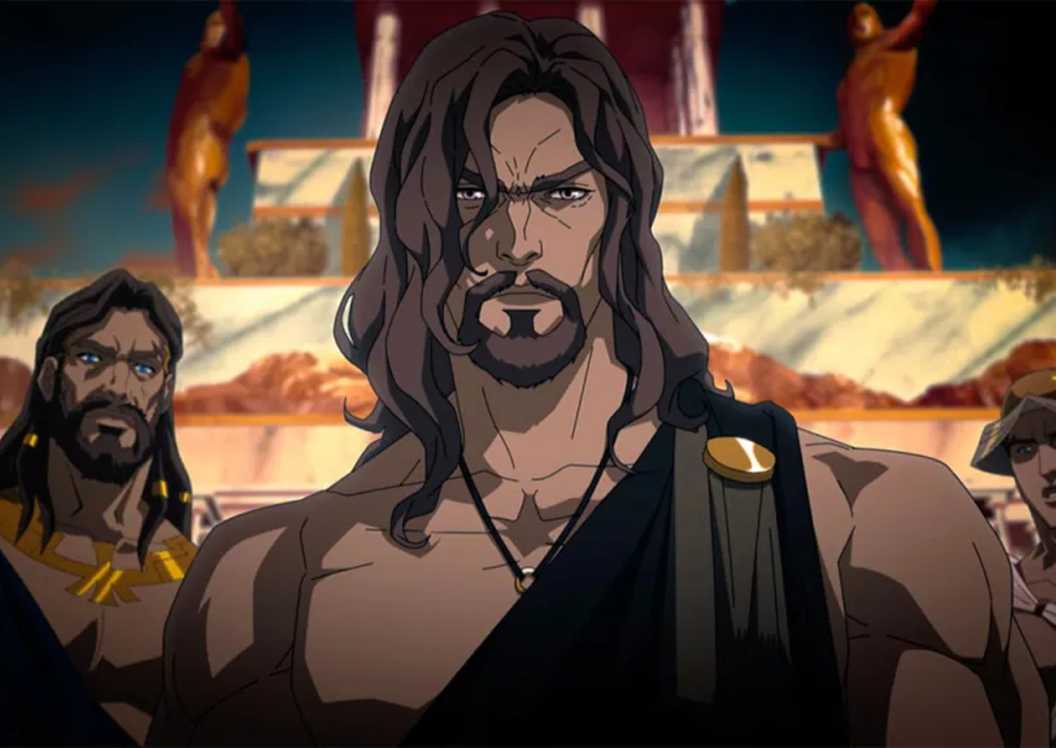
This series reimagines Greek mythology with a focus on familial betrayal and divine wrath.

- The Distinction: The gods in Blood of Zeus are not distant, marble statues; they are petty, impulsive, and dangerous. By removing the "wonder" and replacing it with human-like, destructive emotion, the series creates a grandeur that feels ancient and terrifyingly real.
Arcane (2021–2024): A Study in Inequality
Set in the bifurcated city of Piltover and the under-city of Zaun, Arcane explores the tragic rift between sisters Vi and Jinx.
- The Societal Critique: Arcane is arguably the pinnacle of modern fantasy. It refuses to let the viewer ignore the systemic inequality that fuels its conflict. The magic system is inextricably tied to technology and class, creating a narrative where there are no true heroes—only people forced into untenable choices by their environment.
The Witcher (2019–Present): The Morality of the Monster
Geralt of Rivia’s journey is one of moral ambiguity.
- The Realism: In the Continent, the line between monster and man is intentionally blurred. The series excels at demonstrating that the "right" choice is often a matter of perspective, and that heroism is frequently a messy, thankless, and blood-soaked affair.
Implications for the Future of Fantasy
The success of these series suggests a seismic shift in audience preferences. The "Hogwarts Model"—centered on institutional discovery, destiny, and the protection of a secret society—is increasingly being replaced by narratives that prioritize political critique, moral complexity, and the exploration of individual agency.
As the industry moves forward, creators are discovering that audiences no longer want to just "belong" to a magical world; they want to interrogate it. They want to understand the economics of the fantasy realm, the history of its wars, and the cost of its power. Whether through the lens of animation or gritty live-action drama, the future of the genre lies in its ability to reflect the complexities of the real world back at us. While the nostalgia for the Wizarding World remains a powerful force, it is clear that the new standard for fantasy is a darker, wilder, and infinitely more challenging place.
