
High Notes and Heavy Hearts: ‘Dancing with the Stars’ Embraces the Whistle-Register Magic of Mariah Carey Night
Main Facts
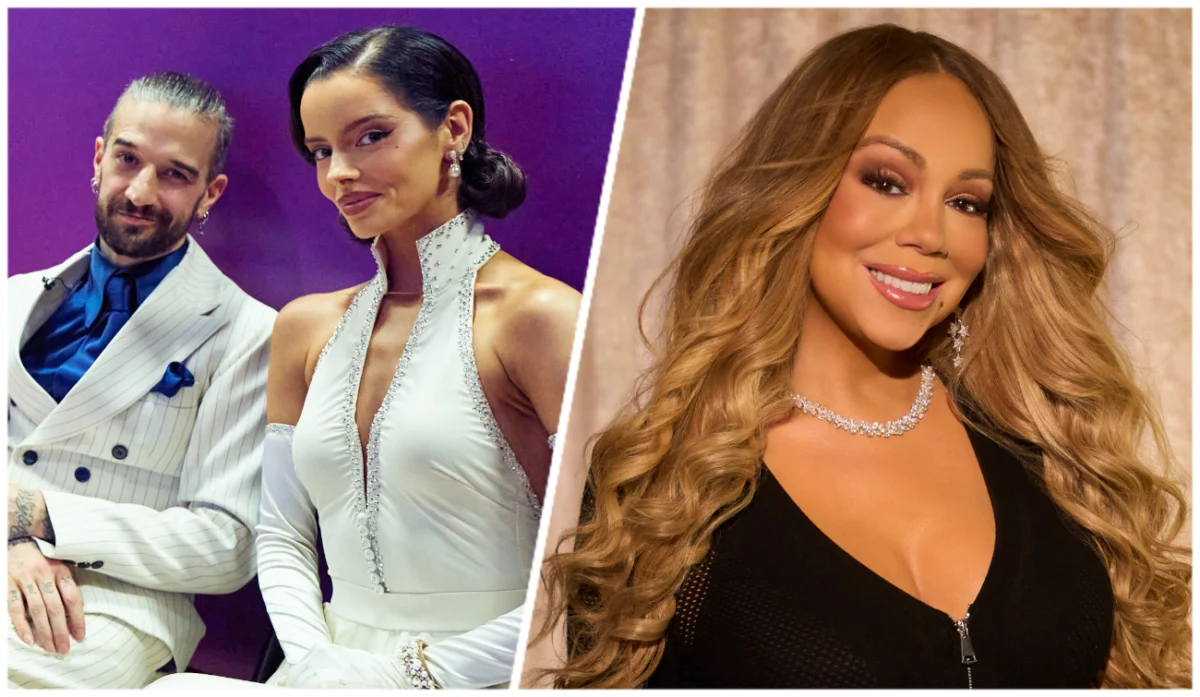
The ballroom glittered a little brighter this week as Dancing with the Stars returned for an evening dedicated entirely to the timeless discography of global icon Mariah Carey. Celebrating the legendary singer’s chart-topping career, the remaining 12 celebrity-and-professional partnerships channeled "Emotions," fierce drama, and vocal acrobatics into their routines. However, beneath the glamour of the glittering dancefloor lay the lingering tension of last week’s shocking elimination, proving once again that a high spot on the judges’ leaderboard offers no absolute immunity in this fiercely contested season.
Following the departure of pop musician Taylor Hanson—best known for the 1990s megahit "MMMBop"—the stakes are higher than ever. Hanson’s exit served as a stark reminder to the remaining contestants that technical prowess alone cannot guarantee survival. Despite finishing tied for ninth place on the judges’ leaderboard and outscoring fan-favorites such as Bachelorette alumnus Tyler Cameron and Jimmy Kimmel Live sidekick Guillermo Rodriguez, Hanson fell victim to the shifting tides of home viewer voting. Cameron and Rodriguez capitalized on their robust, dedicated fan bases to escape the chopping block, underscoring the vital symbiotic relationship between audience engagement and the preservation of a couple’s journey toward the coveted Len Goodman Mirrorball Trophy.
As the competition approaches its midpoint, the race for the championship remains intensely volatile. Unlike previous seasons where a dominant front-runner quickly established an unassailable lead, Season 31 (or the current milestone installment) has showcased an unprecedented degree of parity. Over the first four weeks, the top spot on the leaderboard has constantly rotated among five distinct celebrity contestants: The Traitors breakout star Maura Higgins, Grey’s Anatomy triple-threat actor Harry Shum Jr., champion figure skater Amber Glenn, The Rookie actress Jenna Dewan, and trailblazing Paralympian Ezra Frech. Among this elite quintet, only Shum and Glenn have managed to claim the top spot more than once, leaving oddsmakers and dance analysts struggling to predict who will ultimately hoist the trophy.
For Mariah Carey Night, the top 12 couples took on a diverse spectrum of ballroom and Latin disciplines, including the graceful waltz, the smoldering rumba, the sharp and dramatic tango, the theatricality of jazz, and the high-energy pulse of the samba. Set to a soundtrack featuring both ubiquitous Billboard Hot 100 number-one anthems—such as "Fantasy" and "Hero"—and beloved fan favorites like "#Beautiful" and "If It’s Over," the competitors aimed to impress both the judges and the voting public. Meanwhile, the professional dancers and troupe members added to the visual spectacle with breathtaking numbers choreographed to Carey classics including "Heartbreaker," "Loverboy," and "Always Be My Baby."
Chronology
To fully understand the narrative arc leading into Mariah Carey Night, one must trace the trajectory of the current season week by week, noting how the momentum has shifted from early-season nerves to fierce competitive positioning.
Week 1: Grand Openings and First Impressions
The season kicked off with immense fanfare as 15 celebrity-pro pairings stepped onto the ballroom floor. Right out of the gate, the bar was set exceptionally high. Actresses, reality stars, athletes, and musicians showcased their initial capabilities. It quickly became clear that the professional partners had their work cut out for them, as scores ranged from promising breakthroughs to awkward first-night missteps. Harry Shum Jr. and Amber Glenn immediately signaled their intention to be major players, earning high praise from the judges for their musicality and posture.
Week 2: Finding a Rhythm and Early Separations
By the second week, the couples began to settle into the grueling rehearsal schedule. The leaderboard started to fracture as physical exhaustion caught up with several contenders. While some couples stagnated, others like Maura Higgins and Jenna Dewan unlocked a new level of performance quality. The judges’ critiques grew sharper, emphasizing footwork, frame, and performance value over raw enthusiasm.
Week 3: Genre-Bending and the Rise of the Underdogs
Week 3 introduced themed nights and complex choreography. It was during this frame that Ezra Frech truly captured the hearts of the audience and judges alike, proving that his athletic background translated seamlessly into fluid, expressive movement. However, the disparity between judges’ scores and home viewer preferences began to widen, setting the stage for the dramatic upsets that would follow.
Week 4: The Shocking Exit of Taylor Hanson
Last week’s episode delivered one of the season’s most sobering reality checks. Taylor Hanson, who had maintained a respectable mid-tier position on the judges’ leaderboard, found himself vulnerable when the combined scores and fan votes were tallied. Despite outscoring Tyler Cameron and Guillermo Rodriguez in technical execution, Hanson lacked the sheer volume of home-viewer support necessary to survive. Cameron and Rodriguez, buoyed by passionate fan bases, were saved, sealing Hanson’s fate and sending shockwaves through the competition lounge.
Week 5: Mariah Carey Night and the Current Standings
This week brought a temporary reprieve from the dark cloud of elimination through sheer celebratory joy. The remaining 12 couples immersed themselves in the vocal stylings and diva energy of Mariah Carey. Rehearsal packages revealed tears, breakthrough moments, and intense physical strain as the dancers attempted to match the elegance and vocal runs of the music with equally intricate footwork. As the live show unfolded, the tension of who would stay and who would go hung heavy in the air, culminating in a night of unforgettable performances.
Supporting Data
A closer look at the statistical landscape of the competition reveals just how tight the margins are between elimination and glory. The table below outlines the core statistics leading into Mariah Carey Night:
| Metric | Current Season Status |
|---|---|
| Remaining Couples | 12 |
| Eliminated to Date | 3 (Ending with Taylor Hanson in Week 4) |
| Unique Top-Scoring Celebs | 5 (Maura Higgins, Harry Shum Jr., Amber Glenn, Jenna Dewan, Ezra Frech) |
| Multiple-Time Leaderboard Toppers | 2 (Harry Shum Jr., Amber Glenn) |
| Featured Musical Artist | Mariah Carey |
| Featured Dance Styles This Week | Waltz, Rumba, Tango, Jazz, Samba |
The Power of the Fan Vote vs. Judges’ Scores
The discrepancy between the judges’ leaderboard and fan retention is a recurring storyline in Dancing with the Stars history, but it has rarely been as pronounced as it is in the current installment. While judges Carrie Ann Inaba, Bruno Tonioli, and Derek Hough (along with guest judges) evaluate based on strict technical criteria—such as hip action, frame, timing, and posture—viewers often vote based on emotional connection, personal journey, and external popularity.
The survival of Tyler Cameron and Guillermo Rodriguez last week highlights this phenomenon. While Cameron and Rodriguez have undeniably charismatic screen presence, their technical scores frequently place them in the bottom half of the judges’ evaluations. Conversely, Taylor Hanson’s technical competency was not enough to overcome a deficit in active voter mobilization. This mathematical reality forces remaining contestants with lower fan engagement to deliver show-stopping, viral routines every single week to offset potential voting shortfalls.
Official Responses
As the pressure mounts, contestants, professional partners, and judges have shared their insights on the unique challenges of the current season and the inspiration drawn from Mariah Carey’s iconic catalog.
Reflecting on the unpredictable nature of the voting results, veteran professional dancers emphasized the need for adaptability. In post-show interviews following Taylor Hanson’s elimination, several pros noted that complacency is the ultimate enemy in the ballroom.
"You can get all 9s and 10s from the judges, but if America doesn’t pick up the phone or log online to vote, your journey can end in a split second," one unnamed professional dancer remarked. "It forces us to push the creative envelope every single week. We aren’t just teaching dance steps anymore; we are trying to create moments that resonate deeply with the people sitting at home on their couches."
Judges have similarly echoed sentiments regarding the unprecedented parity of the cast. In recent media roundtables, the panel expressed admiration for the sheer athletic commitment displayed by celebrities like Ezra Frech and Amber Glenn, while continuing to challenge actors like Harry Shum Jr. and Jenna Dewan to dig deeper into the emotional subtext of their dances.
Regarding Mariah Carey Night, the artists involved expressed profound respect for the multi-platinum singer’s influence. Celebrities noted that dancing to Carey’s music requires a delicate balance of technical precision and soaring theatricality.
"Mariah’s music is larger than life," one celebrity contestant shared during rehearsal footage. "You can’t just dance to it mechanically. You have to embody the glamour, the heartache, and the joy that she pours into every single note. It’s intimidating, but it’s also the most inspiring week we’ve had yet."
Implications
The unfolding narrative of this season carries significant implications for the remainder of the competition, the strategy of the professional choreographers, and the broader television landscape of reality competition shows.
1. The Death of the Predictable Front-Runner
The fact that five different celebrities have captured the top leaderboard spot in just four weeks shatters the traditional mold of a single dominant front-runner. For fans, this creates a thrilling, unpredictable viewing experience where any misstep by a top contender opens the door for a dark horse to surge ahead. For the contestants, it means that no one can afford a mediocre week. The psychological weight of maintaining top-tier status while knowing that an upset is always around the corner adds an extra layer of stress to the rehearsal studios.
2. Choreographic Evolution and Song Integration
The decision to dedicate an entire evening to Mariah Carey underscores the growing trend of deep-catalog integration in modern television. By pairing classic dance styles—such as the traditional waltz and the passionate rumba—with both iconic anthems and lesser-known deep cuts, the producers are testing the versatility of the choreographers. Pros must find innovative ways to interpret R&B vocal runs and pop structures through the rigid biomechanics of ballroom technique. Success in this endeavor proves which choreographers can think outside the traditional box.
3. The Ever-Widening Gap Between Judges and Audiences
Taylor Hanson’s elimination serves as a cautionary tale that will likely influence competitor strategies for the rest of the season. Contestants realize that social media campaigns, personal engagement with fans, and raw likability are just as crucial as mastering a natural turn or a correct frame. This dynamic keeps the power firmly in the hands of the viewing public, ensuring that Dancing with the Stars remains a populist entertainment event rather than a purely academic dance competition.
As the dust settles on Mariah Carey Night and the remaining 12 couples look ahead to the grueling weeks leading toward the finale, the competition enters its most critical phase. With the leaderboard wide open, the fan base energized, and the technical standards rising with every live broadcast, the race for the Len Goodman Mirrorball Trophy is officially anyone’s game.
More updates, comprehensive recaps, and exclusive backstage interviews from the ballroom floor will continue to unfold as the season progresses.
