
Inside Mike Flanagan’s Carrie: Why Stephen King’s Modern TV Adaptation Is the Most Polarizing Horror Event of the Year
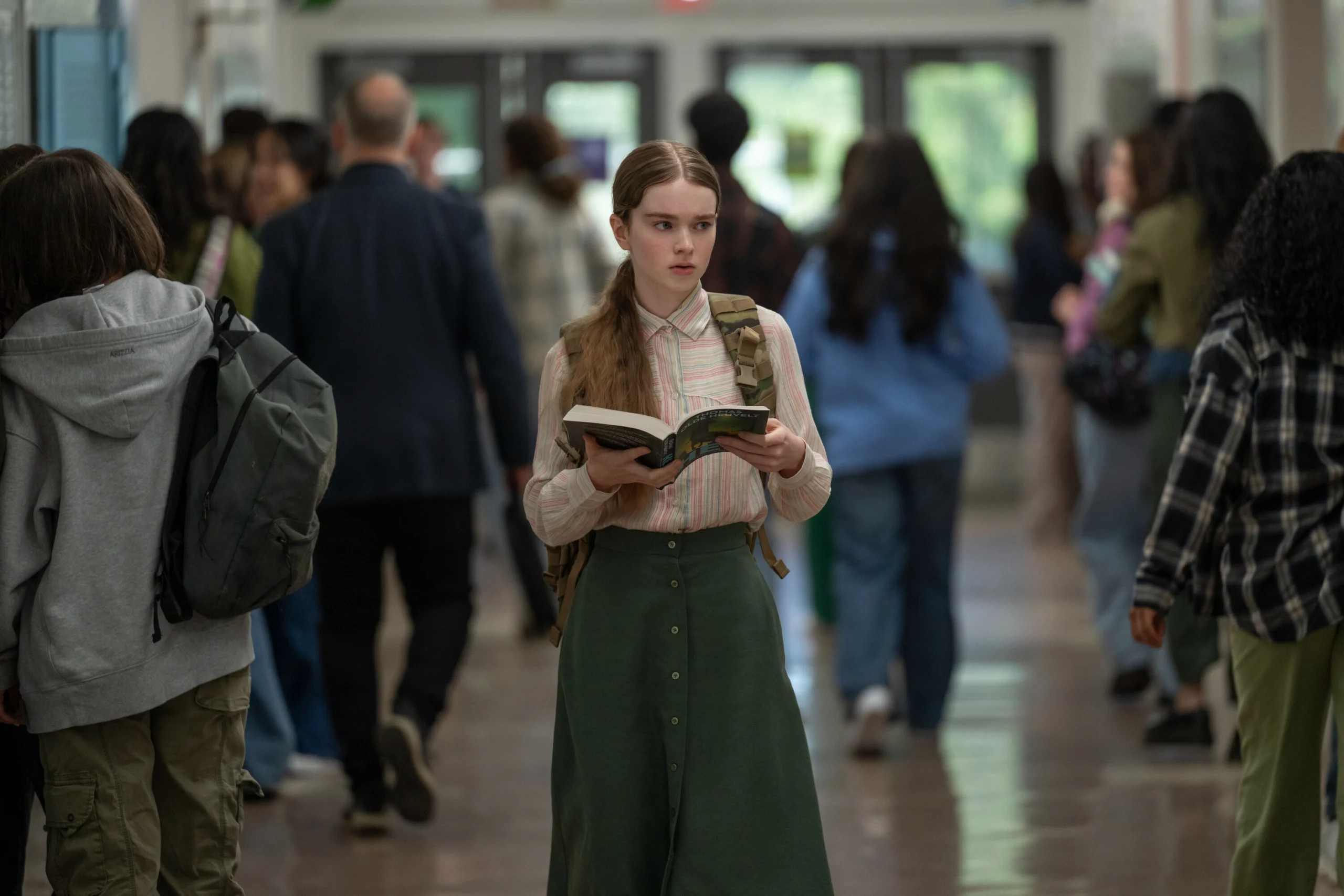
For decades, Stephen King’s 1974 debut novel Carrie has served as a sacred text for horror enthusiasts. Its gripping exploration of religious fanaticism, adolescent cruelty, and telekinetic retribution helped cement King as the master of modern horror. Over the years, the tragic tale of Carrie White has been adapted into iconic cinematic milestones, most notably Brian De Palma’s 1974 feature film starring Sissy Spacek, alongside subsequent iterations in 2002 and 2013.
Now, horror auteur Mike Flanagan—the creative mind behind critically acclaimed Netflix series like The Haunting of Hill House, Midnight Mass, and The Fall of the House of Usher—is bringing the legendary property to the small screen for Prime Video. Starring Summer H. Howell as the titular telekinetic teenager, the upcoming series promises a radical modernization of the classic text.
While purists may initially recoil at the inevitable narrative departures, a closer look at the production, its festival-circuit reception, and Stephen King’s eventual blessing reveals that Flanagan’s Carrie is shaping up to be one of the most essential and provocative television events of the year.
Main Facts: What We Know About the Prime Video Series
At its core, Mike Flanagan’s Carrie is a serialized television reimagining designed to interrogate the horrors of modern adolescence. Rather than offering a shot-for-shot remake of the novel or De Palma’s cinematic adaptation, Flanagan has updated the narrative framework to reflect the contemporary sociopolitical zeitgeist.
- The Creative Force: Developed, written, and spearheaded by Mike Flanagan, a self-professed master of psychological and supernatural horror television.
- The Cast: Rising talent Summer H. Howell steps into the iconic, blood-drenched shoes of Carrie White. The series also features a standout supporting cast, including a surprise appearance by Matthew Lillard as a high-profile school principal caught in the crossfire of community outrage.
- Release Information: Review embargoes officially lift on October 1, with the series premiering globally on Prime Video on October 7.
- The Modernization: The narrative leans heavily into contemporary issues facing Gen Z—ranging from digital-age bullying and systemic school politics to shifting parental anxieties—making the material resonate uniquely with today’s teenage demographic.
Chronology: From Initial Resistance to Festival Triumph
Understanding how this project came to fruition requires looking at the timeline of its development, from Stephen King’s initial reluctance to the rapturous festival receptions that recently stunned audiences.
Stephen King’s Initial Rejection
Adapting Stephen King is never a straightforward endeavor, but getting the author’s permission for a complete television overhaul of Carrie proved particularly challenging. In an interview with MovieWeb, Flanagan detailed his initial pitch to the legendary author.
When Flanagan first approached King with the idea of bringing Carrie to television, King was succinct and dismissive. According to Flanagan, King said: "Well, why? Leave her alone. She’s good, she’s done. I’d rather we focus on other things."
Winning Over the Master of Horror
Flanagan did not want to push forward without the author’s blessing, recognizing the sacred bond between creator and text. Instead of dropping the idea, Flanagan assembled a comprehensive structural layout demonstrating how the story could be adapted for the modern era while retaining its thematic integrity.
When Flanagan presented this detailed vision, King’s attitude shifted entirely. The author returned with a very different perspective, telling Flanagan: "Actually, yes, I think this is interesting, and I think this could be really relevant and could be really exciting." With that green light, the writers’ room opened, and production commenced.
Festival Circuit Screenings and Surprise Cameos
As production wrapped, the series began making waves within the festival circuit. The first two episodes were screened at Fantastic Fest, where they reportedly earned an ecstatic four-minute standing ovation.

Shortly after, the project made a surprise splash at the Toronto International Film Festival (TIFF). Attendees were left flabbergasted when actor Matthew Lillard made an unannounced appearance at the screening, sending the crowd into a frenzy. Lillard, who plays a concerned principal forced to navigate parental hostility and campus turmoil, praised the audience’s electrifying reaction, signaling that the series was already generating massive industry buzz ahead of its streaming debut.
Supporting Data and Production Context
While full plot details remain tightly under wraps ahead of the October 1 review embargo lift, industry analysts and early festival reports point to several key factors that set this adaptation apart:
- Episodic Depth: Unlike a two-hour feature film, the serialized television format allows Flanagan to unpack the psychological underpinnings of Carrie’s domestic life, her mother Margaret’s oppressive fanaticism, and the complex social ecosystem of her high school with unprecedented nuance.
- The Teen Demographic Focus: Flanagan has openly stated that his work on the series was heavily influenced by his own children—specifically his 14-year-old son. The goal was not merely to shock audiences with telekinetic carnage, but to craft a narrative that speaks directly to the mental health pressures, digital footprint anxiety, and polarization defining modern youth culture.
- The Precedent of Bold Reimaginings: Modern fandoms are notoriously protective of established canons. However, bold creative risks have proven immensely successful when executed with artistic conviction. Much like filmmaker Zach Cregger divided hardcore Resident Evil fans before winning over a much larger audience with daring creative choices, Flanagan’s reimagining is engineered to challenge expectations.
Official Responses: What the Creators Are Saying
Mike Flanagan’s enthusiasm for the project is palpable. In his MovieWeb interview, he reflected on the joy and responsibility of tackling such a historic piece of horror literature:
"We’re having a great time, and I think we’re going to tell a story that will be surprising and impactful, very relevant to our modern society and to issues in our country. My oldest son is 14 years old, and I look at him as I’m working on this story, and think it’s important for his generation. I think there’ll be something in there that I hope will be useful to them in this world. But yeah, I’m really glad we’re doing it. I’m having a blast."
The collaborative backing from Stephen King validates this creative enthusiasm, proving that even literary purists may find unexpected value in letting trusted storytellers breathe new life into classic characters.
Implications: Will Canon Reinovation Pay Off?
The arrival of Mike Flanagan’s Carrie on Prime Video raises a broader question about how classic literature should be handled in the streaming age.
For purists who grew up reading King’s paperbacks in the 1970s and 1980s, any deviation from the established lore can feel like an act of betrayal. Changes to character motivations, setting aesthetics, or narrative pacing often trigger immediate backlash across social media forums and review boards.
Yet, horror as a genre thrives on reinvention. If Carrie had remained trapped in amber as a relic of 1974, it risk losing its ability to frighten and provoke contemporary audiences. By weaponizing the text to address modern societal anxieties—ranging from systemic bullying to institutional failure—Flanagan is ensuring that Carrie White’s tragic story remains vital for a brand-new generation of viewers.
When the review embargo lifts on October 1 and the series drops on Prime Video on October 7, audiences will be forced to choose a side. Will you let purist rage bait dictate your viewing habits, or will you embrace the cognitive dissonance and discover how a master storyteller handles the bloody crown? If the festival reactions are any indication, viewers who push past their initial skepticism will find themselves more than pleasantly surprised.
