
Mish Mash Monday – The Star Wars Summer Odyssey (Please Send Help To These Films!)
As the summer movie season kicks off, Hollywood finds itself navigating a landscape defined by towering expectations, high-stakes franchise pivots, and the enduring power of high-concept storytelling. This weekend marks the launch of the summer slate with Lucasfilm’s The Mandalorian and Grogu, while the season will culminate months later with Christopher Nolan’s cinematic adaptation of The Odyssey.
Both tentpoles are already facing heavy scrutiny from online communities, though for starkly different reasons: The Mandalorian and Grogu is battling narrative fatigue and questions of necessity, while Nolan’s The Odyssey is fighting skepticism over its early marketing materials. Meanwhile, in the realm of mid-budget survival thrillers, Sam Raimi’s latest directorial effort, Send Help, is proving the enduring viability of spec-script principles.
Main Facts
The upcoming summer box office is anchored by two massive, yet culturally embattled, releases:
- The Mandalorian and Grogu: Directed by Jon Favreau and set to hit theaters this weekend, this feature film marks Star Wars’ return to the big screen under new internal leadership. However, industry insiders note a chilling lack of early social media praise following its initial trade screenings.
- The Odyssey: Directed by Christopher Nolan, this adaptation tackles a public-domain epic. Despite utilizing widely available source material that has historically evaded mainstream cinematic adaptation, the project faces online skepticism due to perceived underwhelming trailers.
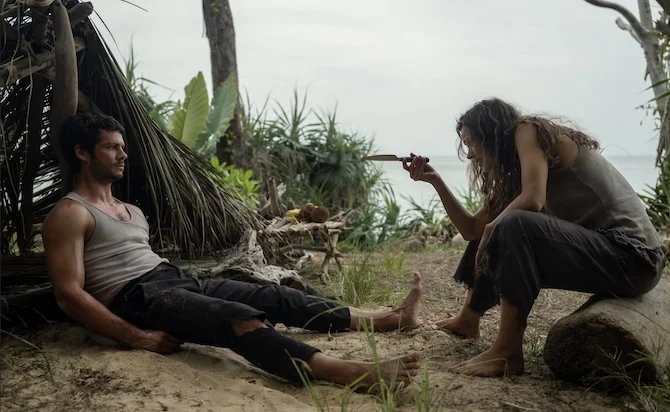
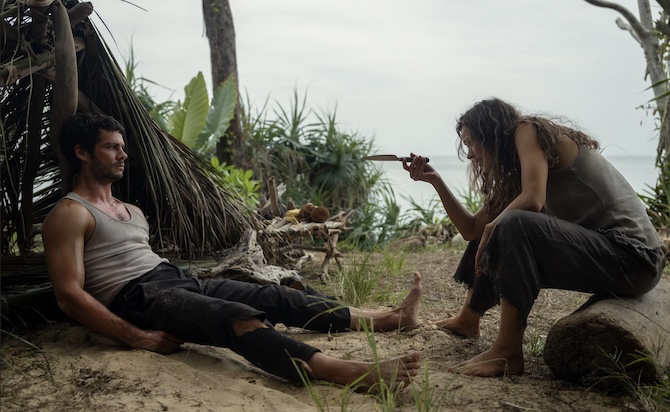
- Send Help: Directed by Sam Raimi and produced by Zainab Azizi, this workplace survival thriller follows an arrogant corporate CEO and an eccentric accountant stranded on a deserted island, highlighting how high-concept, character-driven spec scripts can successfully transition from page to screen.
Chronology and Industry Timeline
Understanding the current trajectory of Hollywood requires examining the sequence of leadership changes and promotional milestones leading up to this summer:
- January 15: Dave Filoni assumes top creative control at Lucasfilm, positioning himself as the primary architect of the franchise’s post-Kathleen Kennedy era. Filoni begins outlining a long-term game plan for the next phase of Star Wars.
- March 18: Josh D’Amaro steps in as the new Chief Executive Officer of The Walt Disney Company, the parent organization of Lucasfilm. Because this corporate ascension post-dates Filoni’s promotion, industry analysts point out that D’Amaro did not personally handpick the current Lucasfilm regime.
- Late Spring: Early marketing rollouts for The Odyssey and The Mandalorian and Grogu ignite widespread online debate. While Nolan’s project is scrutinized for cautious trailer cuts, The Mandalorian and Grogu stumbles through early trade screenings without generating the mandatory wave of "viral hype" tweets typically expected from major Disney properties.
- Summer Weekend Launch: The Mandalorian and Grogu officially premieres in theaters, setting the stage for what box office analysts project could be a historically low-performing theatrical run for a Star Wars feature.
Supporting Data and Comparative Analysis
The Star Wars Social Media Drought
In the modern era of Hollywood PR, studio-curated early screenings are designed to produce a wave of enthusiastic, hyper-positive social media reactions. For The Mandalorian and Grogu, that safety net appears to have vanished.
Industry comparisons highlight the anomaly: even notoriously panned comic book adaptations, such as 2015’s Fantastic Four, managed to secure roughly 50 highly enthusiastic "first-reaction" tweets following their premieres. The deafening silence surrounding The Mandalorian and Grogu suggests a severe disconnect between the studio’s expectations and audience enthusiasm.
Spec-Script Economics: Send Help vs. Blockbuster Bloat
While mega-franchises struggle with bloated mythologies—such as the expansive exposition of Dune or Sinners—spec-driven thrillers like Send Help demonstrate the commercial efficacy of simplicity.
- Character Economy: Managing a narrative centered primarily on two individuals allows for rapid pacing and sustained reader engagement.
- Ironic Premises: Flipping the corporate dynamic so that a subordinate holds absolute survival leverage over her former boss provides an instantly marketable hook.
- Narrative Focus: By prioritizing character chemistry over airtight logical consistency, the film proves that audiences are willing to overlook minor plot contrivances when the core relationship dynamic succeeds.
Official Responses and Industry Perspectives
With Lucasfilm entering uncharted territory, leadership has been vocal about charting a new course. Dave Filoni has conducted multiple press rounds emphasizing that a unified, long-term roadmap is currently being assembled for the Star Wars universe. Filoni’s deep institutional knowledge of the franchise’s lore is touted by supporters as his greatest asset.
However, veteran industry analysts express deep concern over this pivot. Critics argue that swapping a traditional, Hollywood-veteran producer like Kathleen Kennedy—whose tenure oversaw billions in box office revenue, despite ongoing narrative controversies—for a lore encyclopedia like Filoni risks alienating casual moviegoers. While Kennedy functioned similarly to an established sports executive maintaining a steady playoff presence, the transition to hyper-niche creative oversight threatens to steer the franchise into total cultural irrelevance.
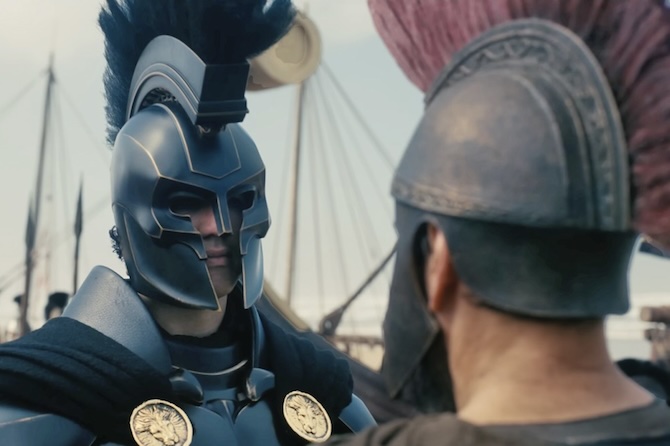
Regarding Christopher Nolan’s The Odyssey, Warner Bros. and the production team have remained tight-lipped, allowing the minimalist trailers to do the talking. While audiences have expressed disappointment over the absence of jaw-dropping "holy shit" visual sequences in the promotional spots, insiders suggest Nolan is deliberately safeguarding the film’s more surreal, mythological encounters—such as the Lotus Eaters, Circe, and the terrifying sea monsters Scylla and Charybdis—for the theatrical experience.
Implications for the Future of Hollywood
The convergence of these theatrical releases and industry trends highlights critical shifts in how major studios greenlight, market, and manage intellectual property:
1. The Danger of Franchise Irrelevance
The primary takeaway from the Mandalorian and Grogu box office trajectory is that brand recognition alone can no longer mask systemic creative fatigue. If the film underperforms to the degree projected, industry watchers anticipate a swift structural intervention by Disney CEO Josh D’Amaro. Just as corporate missteps led to years of sports mediocrity for legacy sports franchises, a failure at Lucasfilm could trigger a sweeping overhaul of executive leadership, proving that institutional complacency carries a devastating financial cost.
2. The Resilience of Public-Domain Adaptation
Nolan’s gamble on The Odyssey serves as a litmus test for free intellectual property. Because Homer’s epic is a "post-adventure" narrative focused primarily on a protracted journey home rather than an inciting quest, it has historically deterred filmmakers. If Nolan successfully reframes this psychological endurance test into a commercial titan, it could pave the way for other A-list directors to raid classical literature for high-concept cinematic adaptations.
3. The Triumphant Return of Spec Script Principles
On the independent and mid-budget front, the success of Send Help validates the fundamental rules of screenwriting. In an era where studios often demand sprawling, universe-building exposition, Raimi’s venture proves that tight, character-driven concepts with clear structural setups and ironclad dramatic tension remain the most reliable path from a blank page to the silver screen. As writers look ahead to upcoming spec evaluations—such as the eagerly anticipated 180-page AMATEUR top script review dropping this Wednesday—the appetite for bold, readable storytelling has never been more pronounced.
