
The Last Light: Why the Future of Cinema Depends on Reclaiming the Public Square
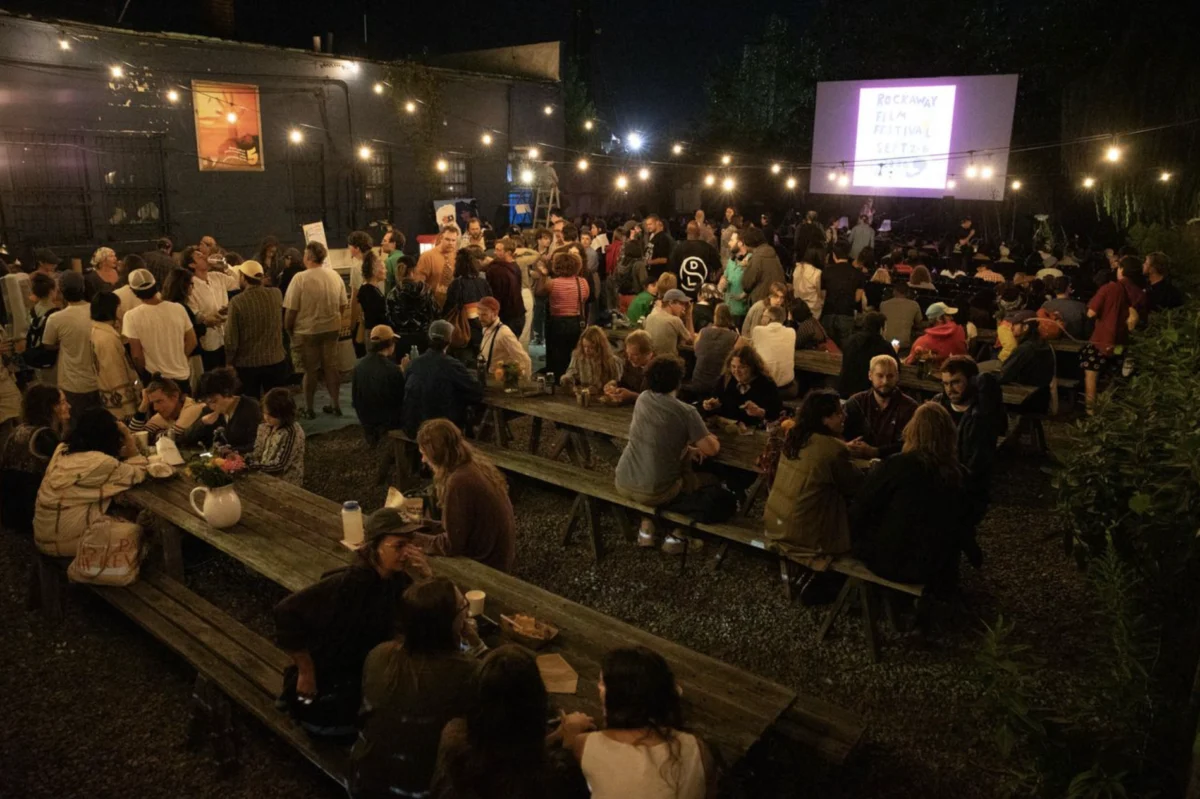
In the modern cinematic landscape, the closure of a local multiplex—such as the recent shuttering of the AMC Kips Bay in Manhattan—is often treated as a mere footnote in a larger narrative of corporate consolidation. However, for filmmaker and Rockaway Film Festival Artistic Director Sam Fleischner, these closures signal a deeper, more existential crisis: the erosion of the "cinema desert." While New York City remains one of the world’s most robust hubs for film culture, the reality for the 125,000 residents of the Rockaway peninsula is starkly different. For decades, the local audience has been forced to endure commutes of over an hour to reach the nearest theater, highlighting a growing geographical and cultural divide.
A Historical Retrospective: From Palaces to Vacancy
To understand the current scarcity, one must look at the 20th-century history of the Rockaways. At its peak, the peninsula boasted nine distinct movie theaters. These ranged from opulent, classic movie palaces in Far Rockaway to a unique cinema constructed directly over the water on the Arverne pier. These venues were not merely places of business; they were the heartbeat of the community, anchoring the social life of the neighborhood.
The decline was gradual but absolute. As the suburban multiplex model began to dominate the American landscape, independent neighborhood theaters were squeezed out. The last of these, the Surfside Twin, shuttered its doors in 1996. For nearly a quarter-century, the peninsula existed in a state of cinematic exile, forcing residents to traverse the outer boroughs simply to experience a shared, projected image.
The Rockaway Experiment: Testing the Waters
In 2018, the Rockaway Film Festival was born out of this void. It was conceived not as a traditional, red-carpet industry event, but as a "low-stakes experiment" to determine if a community-driven model could survive in an age of streaming and home consumption.

The organizers, led by Fleischner, focused on the Arverne Cinema, a temporary, community-built, open-air space. The initiative moved beyond the standard festival format, creating an environment that prioritized the "before and after" of the film-going experience. By integrating food, live music, and opportunities for social interaction, the festival transformed the act of watching a movie from a passive, isolated task into a communal ritual. For six years, this experiment has not only endured but thrived, proving that the demand for "event-based" cinema is alive and well, even in areas previously dismissed as underserved.
The Economics of Sameness vs. The Value of Culture
The industry today is dominated by a machine built for efficiency and profit—a system that produces standardized narratives, recognizable stars, and predictable formulas. This "monoculture" relies on a centralized distribution model that favors massive, generic multiplexes. When these multiplexes fail, they often leave behind empty, unusable shells, as they were never designed to be anything other than high-volume retail environments for blockbuster content.
Fleischner argues that the "cinema desert" is a direct result of this capitalist imperative. "In a society ruled by capitalism, there is an assumption that everything be done for profit," Fleischner notes. He challenges the audience to consider the inherent value of art that resists this logic. The nonprofit model, often viewed with suspicion in commercial circles, may in fact be the only way to preserve the diversity of human expression. When the goal shifts from maximizing quarterly returns to fostering community enrichment, the very nature of the cinema space changes.
The Loneliness Epidemic and the Need for Physical Proximity
Beyond the economic arguments lies a sociological one: the impact of the "loneliness epidemic." As digital platforms encourage users to retreat into personalized, algorithmic feeds, the public square has suffered. Cinema, at its core, is a technology for empathy. It requires us to sit in the dark with strangers and engage in a collective emotional experience.

"Culture emerges from proximity, friction, and coincidence," says Fleischner. The design of modern theaters often ignores this, focusing on luxury recliners and individual isolation rather than social cohesion. To combat this, the proposed permanent home for cinema in Rockaway is being designed with extreme flexibility. The vision is a hybrid space: a theater that can host silent film classics with live accompaniment, indie documentaries, and avant-garde performance art, while simultaneously functioning as a venue for dance, public debate, and local gathering.
Supporting Data: The Appetite for Repertory and Live Experience
While the major chains struggle with the shift toward home viewing, independent and repertory cinemas are seeing a resurgence. Data from across New York City shows that audiences are increasingly seeking out "curated" experiences. Whether it is 35mm film screenings, micro-cinema artist presentations, or director-led Q&As, the common denominator is trust. Audiences are willing to travel and pay for an experience that is thoughtfully constructed.
This trend suggests that the death of the cinema is exaggerated; rather, it is the death of the passive, generic cinema that we are witnessing. The future lies in spaces that act as "cultural petri dishes," where the audience feels like a participant rather than a consumer.
A Call for a Cooperative Infrastructure
The vision for the Rockaway project is not to operate in isolation, but to serve as a blueprint for a broader network of independent, community-based cinemas. By prioritizing cooperation over the cutthroat competition of the commercial exhibition world, small theaters can share resources, programming knowledge, and technical infrastructure.

This cooperative model could effectively decentralize the film industry, allowing for a more diverse array of voices to reach the screen. Instead of relying on a handful of major distributors to decide what a city is allowed to see, local venues can act as autonomous curators, tailoring their programming to the specific histories and needs of their neighborhoods.
Implications for the Future of Urban Design
If cinemas are, as many argue, a "public good," they must be treated with the same institutional weight as libraries or community centers. They support local economies, provide safe spaces for the youth to engage with the arts, and preserve the collective memory of the community.
As the Rockaway Film Festival moves toward fundraising for a permanent, year-round home, the implications for urban planning are clear: we must rethink how we design our neighborhoods. A city that lacks spaces for collective imagination is a city that is fundamentally fragmented. The goal is not merely to "save the movies," but to save the act of gathering itself.
In conclusion, the survival of cinema as a medium depends on a return to its roots: as a human endeavor, built by hand, designed for the community, and dedicated to the shared experience of the dark. Whether in the Rockaways or any other corner of the country, the challenge is to reclaim these spaces as sites of resistance against the encroaching tide of digital isolation. The screen is the starting point, but the community is the true destination.
