
The Return of the Dark Knight: How DC’s Dark Knights of Steel II Turns Batman into the Aragorn of the DC Universe
Main Facts
DC Comics’ medieval fantasy alternate-universe epic, Dark Knights of Steel II, has taken a definitive narrative turn that aligns its central hero with one of literature’s most legendary figures. In recent issues—culminating in the events of Dark Knights of Steel II #4, written by Tom Taylor with art by Otto Schmidt—Bruce Wayne has stepped out of voluntary exile to confront a desperate political crisis within the Kingdom of El.
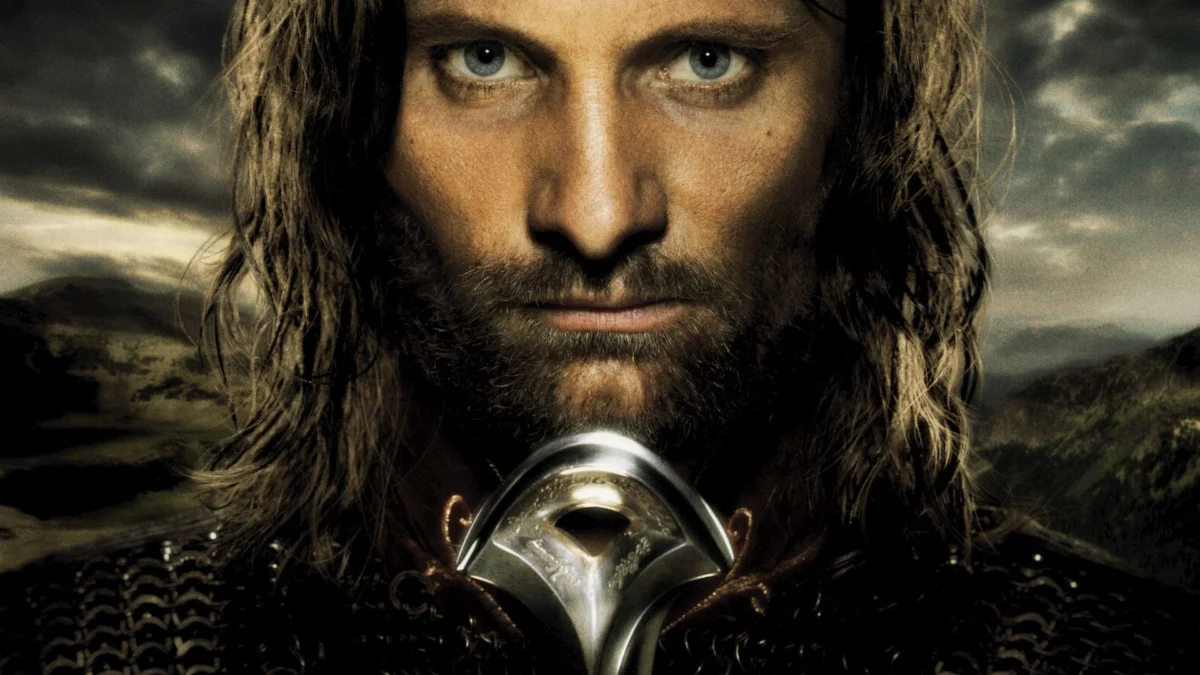
Originally introduced in the first Dark Knights of Steel miniseries as a fantasy-infused riff on Jon Snow from Game of Thrones, Bruce Wayne’s trajectory has shifted. He is no longer just the secret bastard son struggling with a complicated heritage; he is stepping into a role structurally identical to Aragorn, son of Arathorn, from J.R.R. Tolkien’s The Lord of the Rings.
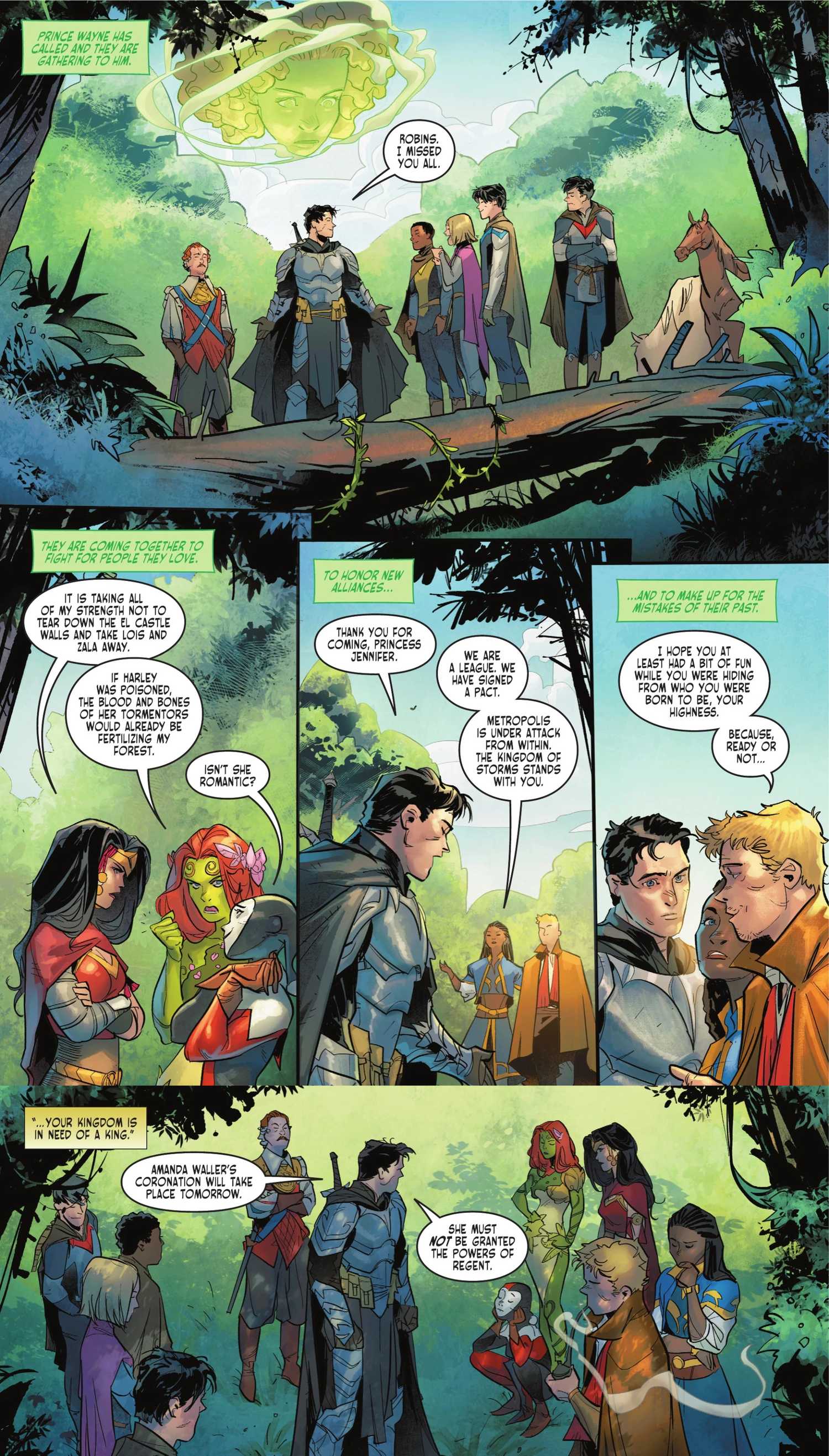
With the Kingdom of El severely destabilized following the poisoning of Queen Lara-El, the incapacitation of Kal-El and Zala, and the aggressive political maneuvers of General Amanda Waller to install herself as regent, Bruce Wayne is finally embracing his royal birthright. Guided by allies such as John Constantine, the Caped Crusader is marching toward what is shaping up to be his own version of The Return of the King.
Chronology of the Conflict
To understand the weight of Bruce Wayne’s current arc in Dark Knights of Steel II, it is essential to trace the historical timeline of this alternate universe, where traditional DC tropes are reimagined through a lens of high fantasy, feudal politics, and magical warfare.
1. The Fall of King Thomas and Queen Martha
In the nascent days of the Dark Knights of Steel universe, the realm was ruled by King Thomas Wayne and Queen Martha Wayne of the Kingdom of El (who, in this continuity, adopted a crashed alien spacecraft as the cornerstone of their royal house). However, the original rulers were brutally assassinated, paving the way for Jor-El and his family to take control of the throne.
2. The Revelation of Bruce’s Lineage
During the climax of the first Dark Knights of Steel series, a monumental secret came to light: Bruce Wayne was not merely the orphaned heir of Thomas and Martha, but the secret biological son of Martha Wayne and Jor-El. This made him the half-brother of Kal-El (Superman) and Zala-El. Much like Jon Snow’s true lineage in Game of Thrones, Bruce possessed a dual claim to power that complicated the political landscape of the realm.
3. The Exile and Self-Discovery
Overwhelmed by the revelation of his parentage, his fractured identity, and the heavy burdens of statecraft, Bruce rejected the throne. He chose the path of the wandering outsider, leaving the capital behind to patrol the perilous borders of the kingdom. During this time of wandering—reminiscent of Aragorn’s decades spent as Strider the Ranger in the wild lands of Middle-earth—Bruce faced external threats, honed his tactical prowess, and even found unexpected romance with Talia al Ghul.
4. The Coup and Crisis in Dark Knights of Steel II
In the ongoing sequel series, the fragile peace forged among the Kingdoms of Storm, El, and Amazonia shatters. General Amanda Waller orchestrates a clandestine power grab, successfully poisoning Queen Lara-El and incapacitating the royal heirs. With the Kingdom of El sliding rapidly into tyranny and civil unrest, the realm faces an existential threat that only a true, unifying leader can resolve.

Supporting Data: Parallels Between Bruce Wayne and Aragorn
The thematic and structural similarities between Tolkien’s King of Gondor and DC’s medieval Caped Crusader run deep across narrative, character development, and symbolic imagery.
- The Ranger to King Pipeline: Both characters spend formative years refusing the trappings of royalty, operating instead as gritty, travel-worn protectors on the fringes of society (Strider vs. the reclusive, brooding Bruce Wayne).
- The Burden of Blood: Both heroes carry a contested or complicated royal bloodline that links them directly to the ruling dynasties of their worlds.
- The Usurper Crisis: Just as Aragorn must reclaim his throne from the shadows of stewardship and encroaching darkness in Gondor, Bruce Wayne must wrest the Kingdom of El back from the insidious political maneuvering of General Amanda Waller.
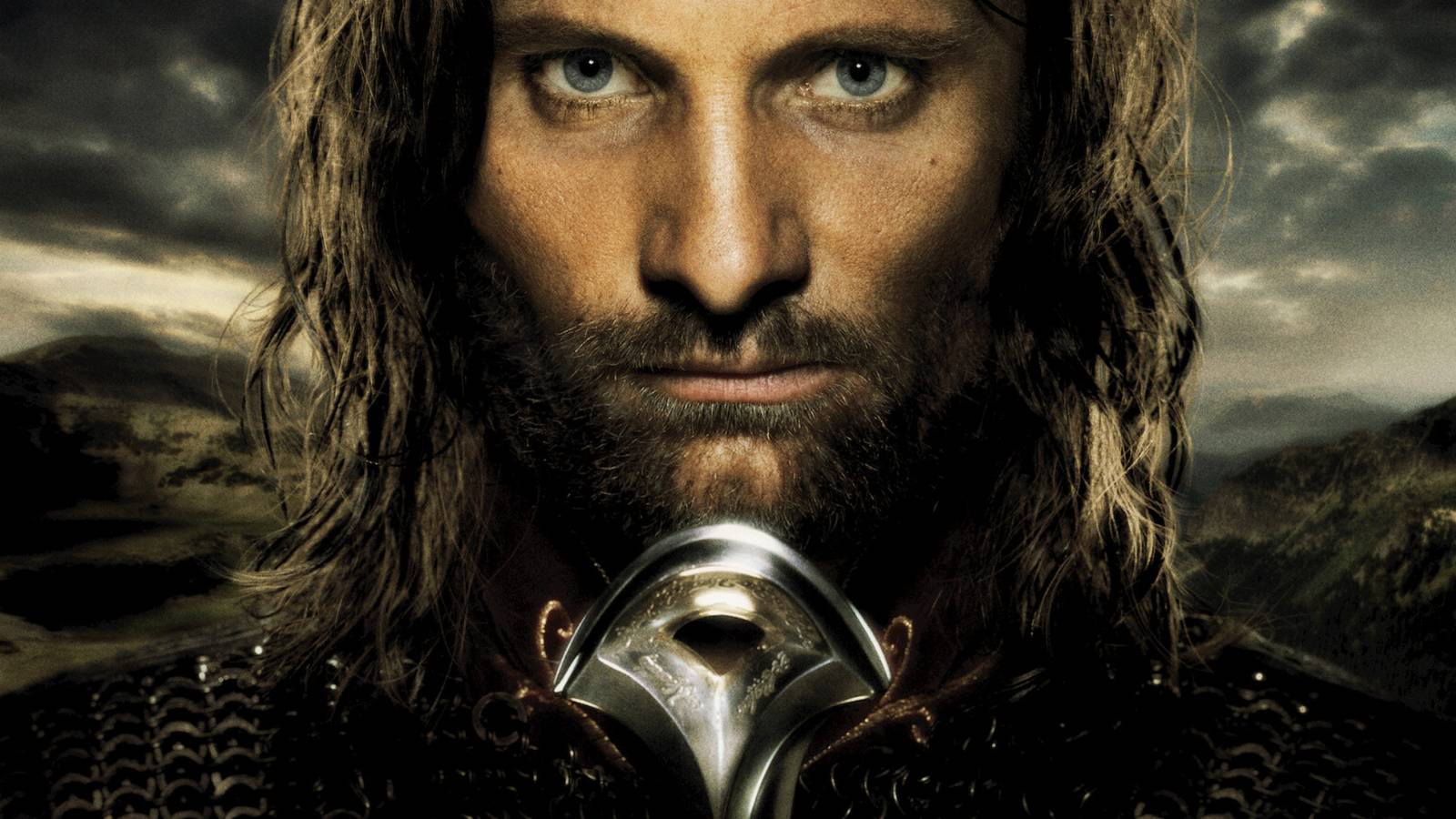
- The Catalytic Call to Action: In Dark Knights of Steel II #4, the narrative reaches a tipping point when mystic and cynic John Constantine confronts Bruce directly with the realities of the realm’s collapse, echoing the sentiment of Elrond or Gandalf urging Aragorn to take up the sword Andúril and claim his destiny.
Official Responses and Creative Direction
Writers and artists behind the Dark Knights of Steel imprint have frequently spoken about their desire to blend superhero mythology with classic high-fantasy tropes. Tom Taylor, known for his ability to weave sweeping emotional epics across alternate DC timelines, has leveraged the medieval setting not just for aesthetic novelty, but to explore deep character transformations.
While DC Comics has kept specific plot details for the remainder of Dark Knights of Steel II under wraps, promotional material and issue solicitations emphasize that the stakes for the House of El have never been higher. Otto Schmidt’s atmospheric, painterly artwork visually reinforces the fantasy epic tone, utilizing sweeping castlescapes, dark forests, and classic heroic framing that deliberately evokes cinematic fantasy adaptations.
Implications for the DC Multiverse
The transformation of Batman into an Aragorn-esque monarch carries several notable implications for both the Dark Knights of Steel continuity and the broader scope of DC’s Elseworlds storytelling:
- Redefining the Dark Knight: Batman is traditionally defined by his status as an urban vigilante—an outsider operating in the shadows of a corrupt, modern city. By transplanting him into a medieval monarchy and giving him a legitimate crown to fight for, DC proves that the core tenets of the character (resilience, justice, and tactical brilliance) can thrive outside of the asphalt and neon of Gotham City.
- Expansion of the Elseworlds Imprint: The commercial and critical success of Dark Knights of Steel demonstrates reader appetite for long-form, serialized fantasy epics within the DC stable. A successful "Return of the King" arc for Bruce Wayne could open the door for further deep-dive fantasy expansions or sequels exploring this universe.
- Shifting Power Dynamics in the Realm: With Batman stepping up to claim his throne, the geopolitical chessboard of the series is entirely redrawn. The alliance between Storm, El, and Amazonia must reckon with a legitimate El heir who possesses both the martial discipline of a ranger and the birthright of a king, setting the stage for massive, kingdom-shaking conflicts in the issues ahead.
Dark Knights of Steel II #4 is available now at comic book shops and digital retailers, marking the official beginning of the Caped Crusader’s march toward destiny.
