
Fujifilm’s Pocket-Sized Revolution: Inside the Stylish New Instax Pal 2
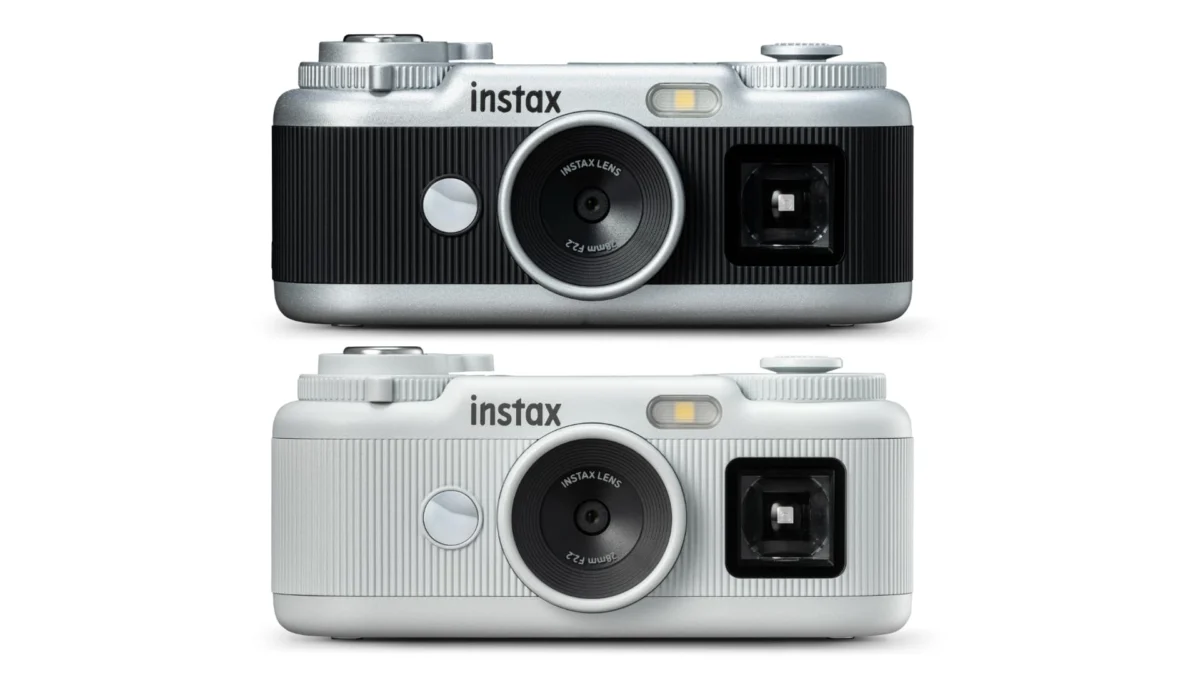
In a photography market increasingly dominated by the sheer technical superiority of full-frame mirrorless sensors and AI-driven computational processing, Fujifilm has carved out a surprisingly robust sanctuary for the "fun" side of imaging. With the announcement of the $169.95 instax Pal 2, the company isn’t just releasing a hardware update; it is doubling down on a philosophy that prioritizes spontaneity, tactile engagement, and, perhaps most importantly, a healthy dose of nostalgia-infused aesthetics.
The instax Pal 2 is a palm-sized digital camera that fundamentally redefines the entry-level niche. While its predecessor, the original 2023 instax Pal, was a quirky experiment that left many scratching their heads, the Pal 2 feels like a refined, mature, and undeniably stylish evolution. With a redesigned chassis that wouldn’t look out of place in a 1960s espionage thriller—think James Bond’s Q-branch miniaturized surveillance tech—Fujifilm is positioning this device not as a replacement for your smartphone, but as a dedicated companion for those who find the act of photography to be as important as the image itself.
Main Facts: A Technical Leap Forward
At its core, the instax Pal 2 is a "digicam" designed for the modern social media age, focusing on portability and creative expression. Fujifilm has significantly overhauled the internal architecture, addressing the primary criticisms of the original model.
Sensor and Storage Upgrades
The most significant upgrade lies in the imaging chain. The Pal 2 now features a 10-megapixel sensor (1/3.06-inch), a substantial jump from the 5-megapixel sensor found in the original unit. While this won’t challenge the Fujifilm X-T series in low-light performance or dynamic range, it provides a noticeable increase in sharpness and detail suitable for the square and wide print formats that the Instax ecosystem is famous for.
Storage capacity has also seen a doubling. The internal memory now accommodates 100 images—up from 50—mitigating the anxiety of running out of space during a night out. For those who need more, the inclusion of a microSD card slot ensures that the camera can keep pace with an entire weekend of shooting without requiring a constant tether to a smartphone app.
Creative Versatility
The Pal 2 is designed to be a creative canvas. It offers four distinct shooting formats:
- Mini (3:4): The classic Instax aesthetic.
- SQUARE (1:1): The quintessential social media aspect ratio.
- WIDE (16:9): Perfect for cinematic, expansive compositions.
- No Frame (4:3): For those who prefer a digital-first, clean aesthetic.
Beyond aspect ratios, the camera includes 30 digital effects categorized into five themes: Modern, Y2K, Vintage, Chromatic, and Fantasy. These are managed via the dedicated app and selected on the fly using the camera’s physical control dial. Furthermore, the "Instax Animation" mode allows users to string together 10 consecutive frames, creating a flipbook-style video that bridges the gap between static photography and modern short-form video content.
Chronology: The Evolution of the "Pal" Concept
To understand why the Pal 2 matters, one must look at the timeline of Fujifilm’s recent strategy.
2023: The Initial Experiment
The original instax Pal launched as a polarizing product. It was a digital-only camera that lacked a built-in printer, forcing users to rely on the "Instax Link" series of printers or digital sharing. Critics initially found it difficult to categorize; it wasn’t a professional tool, nor was it a traditional instant camera. However, it revealed a hidden demand for "toy-like" digital cameras that removed the distractions of a smartphone notification bar.
2024: The Aesthetic Pivot
Throughout 2024, the "digicam" trend—a massive resurgence in interest for early 2000s-style digital point-and-shoots—gained massive traction on platforms like TikTok and Instagram. Young creators began seeking cameras that offered a specific "look" without the sterile, hyper-processed images produced by modern smartphones.
2025: The Launch of Pal 2
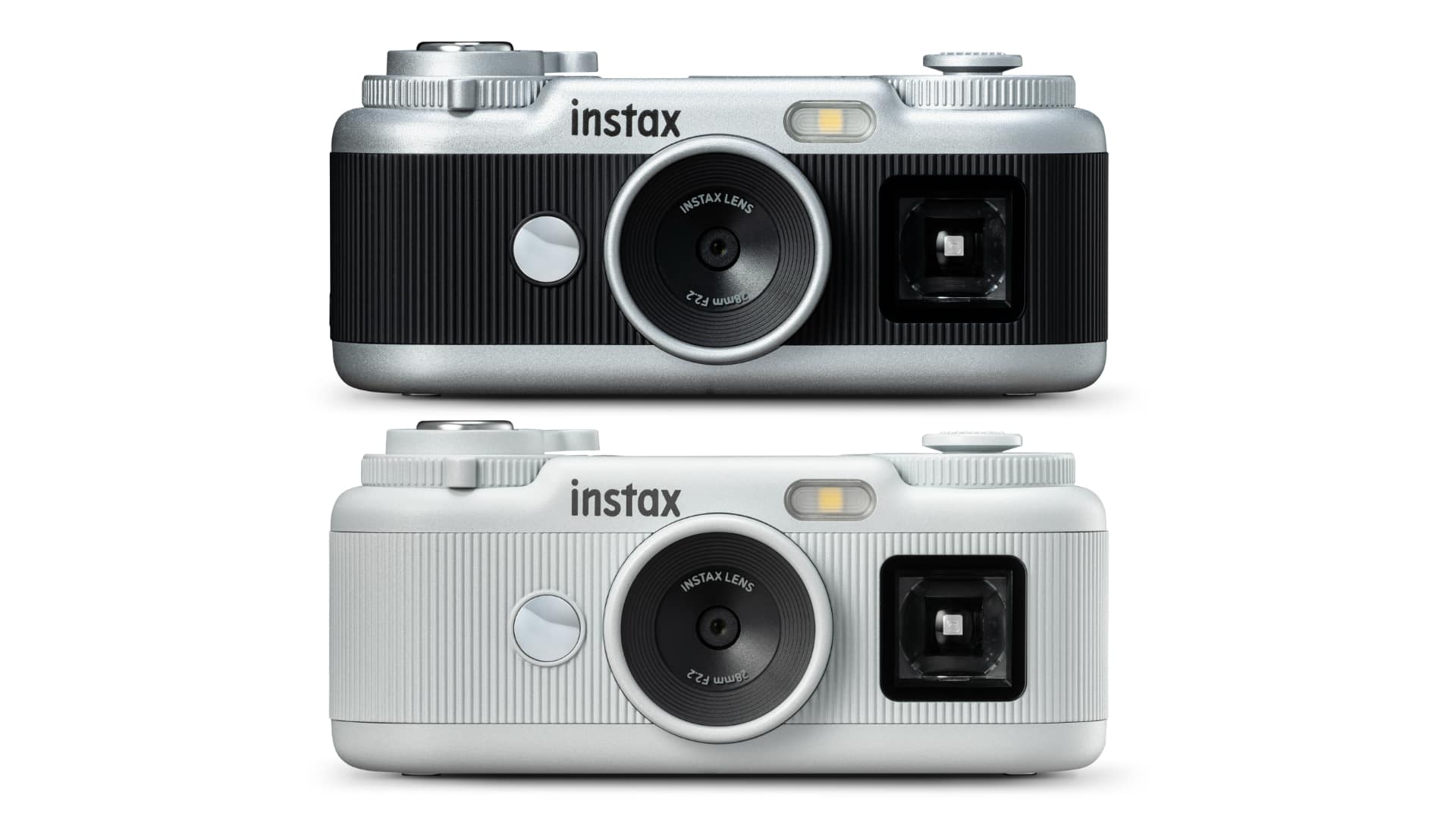
The announcement of the Pal 2 represents the convergence of this trend with Fujifilm’s industrial design prowess. The design language shifted from the "curious, bulbous" aesthetic of the first generation to a sleek, semi-matte finish with knurled detailing. By incorporating an optical viewfinder and a top-mounted 1.0-inch LCD screen for image review, Fujifilm has bridged the gap between a modern digital device and a vintage tactile experience.
Supporting Data: Understanding the Market Niche
Fujifilm’s decision to move the Pal 2 into the $169 price bracket is a strategic masterstroke. While a $170 camera might seem steep for a 10MP sensor, the value proposition is not found in "pixels per dollar," but in the "ecosystem experience."
- Connectivity: The camera is designed to pair seamlessly with the newly announced instax Link WIDE 2 printer. This creates a high-margin ecosystem where the hardware serves as the entry point to a recurring revenue stream of film sales.
- Design-Led Consumption: The choice of black and white colorways, combined with the clip-on accessory for bags, confirms that this is a "lifestyle" product. It is intended to be worn as an accessory, much like a pair of sunglasses or a watch.
- The "Trickle-Up" Effect: While the company remains tight-lipped regarding the much-anticipated X-T6, analysts suggest that the immense financial success of the Instax line (the "fun" segment) is precisely what funds the R&D for the high-end professional mirrorless series. In this sense, every Pal 2 sold is a micro-investment in the future of professional Fujifilm photography.
Official Responses and Strategic Intent
Fujifilm has maintained a consistent narrative regarding its "Instax" sub-brand: it is the antithesis of the "perfection" demanded by digital professional gear.
"The instax Pal 2 is not meant to compete with the sensor size or the resolution of our professional mirrorless lineup," a Fujifilm spokesperson stated during the product unveiling. "It is meant to compete with the ‘distraction’ of the modern smartphone. We wanted to create a device that forces you to be present. When you look through an optical viewfinder, you aren’t checking your emails; you are looking at the world."
The inclusion of a 1.0-inch LCD screen and tactile lever controls is a direct response to user feedback requesting more physical interaction. By removing the need to navigate through complex touchscreen menus, Fujifilm has streamlined the user experience to be immediate and intuitive.
Implications: Where Does This Leave the Industry?
The release of the Pal 2 has broader implications for the photography industry at large.
1. The Death of the "Specs Race" for Consumers
For years, manufacturers were locked in a race for higher resolution and faster autofocus. The success of the Instax series proves that the average consumer is moving away from that race. The market is showing a clear preference for cameras that offer a distinct "experience" or "vibe" over those that offer raw technical performance.
2. The Rise of "Hybrid-Analog"
The Pal 2 is a perfect example of the hybrid-analog movement. By offering digital capture with the option for physical output via the Link WIDE 2, Fujifilm is capturing the best of both worlds. The digital sensor provides the safety net of storage and editing, while the printer provides the tangible artifact that has become a status symbol among Gen Z and Millennials.
3. Sustainability and Longevity
Critics might point to the non-interchangeable lens and the fixed sensor as a limitation. However, in the context of the fashion-forward consumer, the Pal 2 is designed for durability and daily wear. It is a "workhorse of the fun," built to be dropped into a bag, carried on a hike, or clipped to a belt loop, whereas a $3,000 professional camera often stays in a padded bag for fear of damage.
Conclusion: A Stylish Statement
Whether or not the instax Pal 2 will become as iconic as a vintage Leica or a classic film SLR remains to be seen. However, it is impossible to ignore the shift it represents. Fujifilm is effectively telling its users that photography doesn’t always have to be about "capturing the perfect shot" for a digital archive. Sometimes, it is just about having a stylish, capable, and slightly playful tool that encourages you to look at the world differently.
If Q were indeed equipping James Bond in the late 1960s, he would have likely handed him a device much like this: compact, discreet, stylish, and highly effective for its intended purpose. As we wait for the eventual release of the high-end X-T6, the instax Pal 2 serves as a reminder that Fujifilm hasn’t lost its sense of play. In a world of cold, clinical digital imagery, sometimes the best camera is simply the one that makes you want to go out and shoot.
