
The Emerald Enigma: Understanding Nathan Fillion’s Pivotal Return as Guy Gardner in "Lanterns"
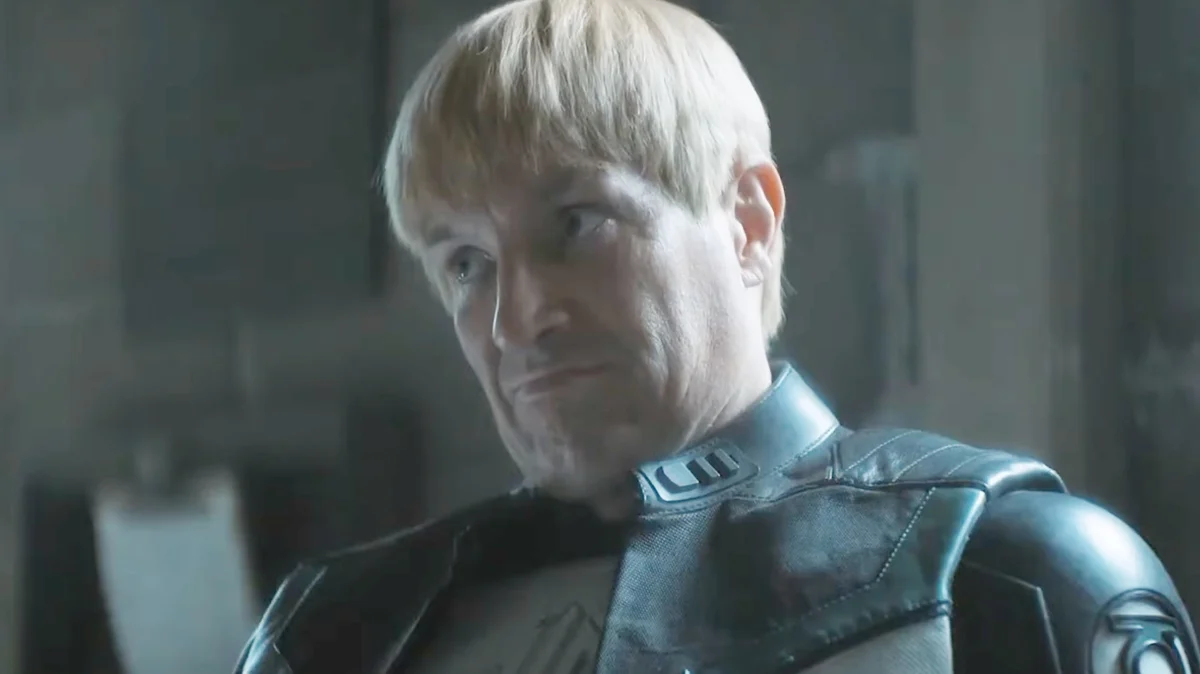
The landscape of the modern DC Universe is undergoing a radical shift, balancing the high-octane spectacle of cosmic warfare with the gritty, intimate storytelling of prestige television. Nowhere is this tension more palpable than in HBO’s Lanterns, a series that has consistently positioned itself as a "True Detective" meets "Watchmen" style mystery. While the show has meticulously cultivated a grounded, somber tone, the recent arrival of Nathan Fillion’s Guy Gardner in Episode 6, "Bad Optics," presented a narrative challenge: how to integrate a character defined by his cartoonish, hot-headed bravado into a world of noir-inspired investigation.
The result, however, has been a masterclass in tonal balance. Fillion’s return, though brief, serves as a vital bridge between the cinematic spectacle of James Gunn’s Superman and the grounded, investigative reality of the Lanterns series. By examining the character’s function in the plot and the thematic weight of his presence, we can better understand how the DC Universe is successfully threading the needle between its disparate stylistic approaches.
The Chronology of the Ring: From Metropolis to Nebraska
To understand why Fillion’s appearance is so significant, one must first look at the timeline established across both the film and television components of the new DC Universe.
In the 2025 feature film Superman, audiences were introduced to this iteration of Guy Gardner—a man who faced down Kaiju and signaled his defiance with green constructs shaped into middle fingers. He was loud, abrasive, and unmistakably a superhero of the traditional comic-book variety.
Conversely, Lanterns presents a drastically different status quo. The series reveals that the path to becoming a Green Lantern was not a predetermined destiny, but a choice. Episode 5 of the series provided the missing puzzle piece: John Stewart (played by Aaron Pierre) had spent his life training for the role, only to reject the Power Ring when the moment finally arrived.
The narrative then leaps forward to 2026. By this point, the world is reeling from the fallout of the events in Episode 5, in which Kyle Chandler’s Hal Jordan took the blame for massive destruction and subsequently served time in prison. After his release, Jordan’s attempt to find redemption in Rushville, Nebraska, ended in his mysterious murder. John Stewart, now an architect living in the shadow of his former training, finds himself thrust into a murder mystery, desperately seeking the truth behind his mentor’s death.
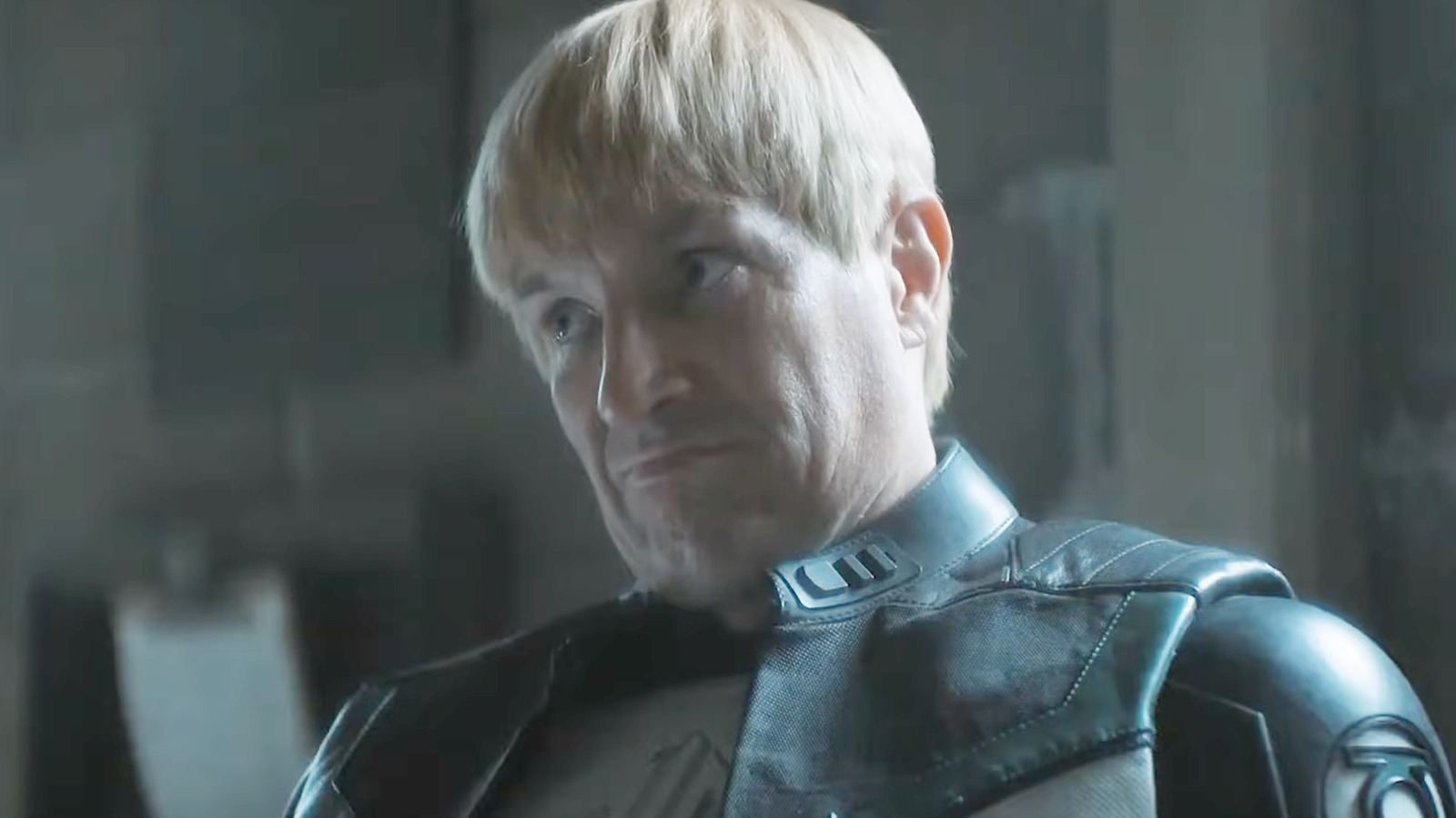
It is within this bleak, Nebraska-bound investigation that Guy Gardner is summoned. The meeting is not a heroic team-up, but a pragmatic exchange—a necessary intersection of the cosmic and the grounded.
Managing the Cameo: Why Guy Gardner Works in a Noir Setting
The inclusion of a character as vibrant and inherently "comic-booky" as Guy Gardner into a show that prides itself on realism could have easily resulted in a jarring tonal clash. Fans were understandably concerned that the show’s "True Detective" atmosphere would be shattered by Gardner’s presence. However, the showrunners utilized a brilliant meta-narrative strategy: they allowed the characters—and the world itself—to share the audience’s skepticism.
The Friction of Chemistry
When Stewart summons Gardner via a modified signal in the center of town, the tension is palpable. Stewart, hardened by years of regret and the mystery of Jordan’s death, has zero patience for Gardner’s trademark hubris. By having Stewart actively dislike and distrust Gardner, the show acknowledges the audience’s own potential resistance to the character. Gardner is treated as an outsider, a "persona non grata" whose neon-colored heroism feels wildly out of place in a town where the citizens already harbor a deep, established hatred for the Green Lantern Corps due to Jordan’s past actions.
The Meta-Commentary on Heroism
The show cleverly uses the public’s disdain for the Green Lanterns to mirror the creative challenge of placing Gardner in this series. In Lanterns, the ring is not a symbol of hope to the common person; it is a symbol of destruction and fear. By placing Gardner in an environment where his very nature is rejected, the show reinforces the "grounded" reality of the series. He is not a savior dropping into a city; he is an unwelcome guest in a town that has already seen the worst of what a Power Ring can do.
The Moral Calculus of the Green Lantern Corps
A central question that has lingered since the inception of the DCU is why the Power Ring would fall to Guy Gardner after John Stewart—a man of immense discipline—walked away. Episode 6 provides a crucial answer that reframes our understanding of the character.
The Debt and the Duty
Gardner’s willingness to assist Stewart is rooted in a complex moral framework. He provides the necessary tools for the investigation—specifically, Hal Jordan’s suit and ring from Oa—not because he is a hero in the traditional sense, but because he recognizes a debt. He knows that he only holds the mantle of Green Lantern because Stewart refused it.
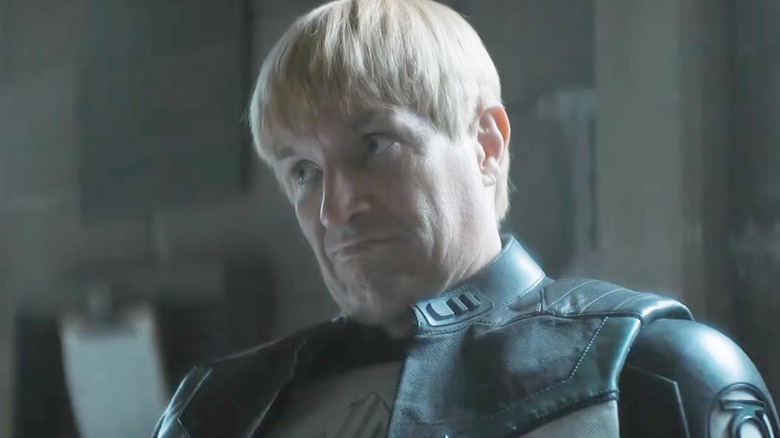
Furthermore, the episode showcases a moment of genuine humanity during Jordan’s funeral. Gardner’s attendance serves as a pivot point in his characterization. It strips away the bravado and reveals a man who, despite his loud mouth and abrasive personality, possesses a core of respect and loyalty. This nuance explains why the ring chose him: he is a man who understands the weight of the legacy, even if he presents that understanding with a smirk and a sharp remark.
The Practicality of the Investigation
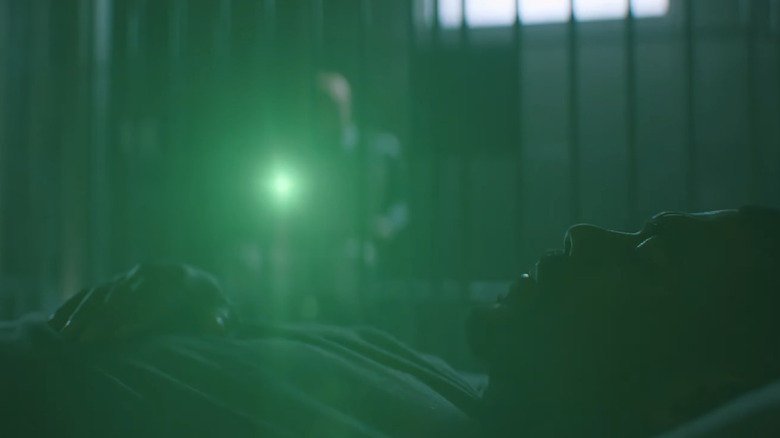
On a narrative level, the writers ensure that Gardner is not merely "hanging around." His involvement is strictly utilitarian. Stewart needs the ring to activate a "Halogram"—a technical remnant of Hal Jordan’s consciousness—to further his investigation. Gardner’s cooperation is the catalyst for the show’s final act. By keeping his involvement contained, the show avoids the pitfall of "superhero fatigue" while still allowing for the necessary world-building that connects the cosmic scope of the Green Lanterns to the street-level mystery of the series.
Implications for the Future of the DC Universe
The success of Fillion’s cameo in Lanterns suggests a mature approach to shared-universe storytelling. Rather than forcing cameos for the sake of brand synergy, the DC Studios team is prioritizing the tonal integrity of individual projects.
Establishing the "Rules" of Interaction
The integration of Gardner proves that the new DCU can successfully host a variety of tones. By acknowledging that a character like Gardner doesn’t naturally fit into a "True Detective" style show, and then using that exact fact to drive the plot, the writers have created a template for future crossovers. It suggests that the DCU will not be a monolithic entity, but a collection of diverse stories that occasionally collide in meaningful, character-driven ways.
The Evolution of the Lantern Lore
Looking toward the final episodes of Lanterns Season 1, the impact of this encounter will likely be felt in the resolution of the murder mystery. With Stewart now in possession of the data he needs to decode the mystery of Hal Jordan’s death, the stage is set for a climax that will likely bridge the gap between the terrestrial investigation and the looming cosmic threats that necessitated the Green Lantern Corps in the first place.
Moreover, the character of Guy Gardner has been rehabilitated from a simple, one-dimensional "jerk" to a multifaceted individual who carries the weight of his predecessor’s legacy. This level of depth is crucial for a character who is often relegated to the background in ensemble stories.
Final Thoughts: A Cohesive Vision
The return of Nathan Fillion as Guy Gardner is a triumph of careful narrative planning. By embracing the character’s inherent contradictions—his abrasive personality and his underlying sense of duty—the creators of Lanterns have managed to enrich the show’s mystery while staying true to the wider DC Universe.
The episode "Bad Optics" does more than just move the plot forward; it validates the audience’s investment in the series’ grounded tone while proving that the more expansive, cosmic elements of the DC lore can exist within that framework if handled with precision. As the series moves toward its conclusion, the legacy of Hal Jordan and the actions of John Stewart will undoubtedly remain at the forefront, but the inclusion of Gardner provides a vital, humanizing anchor that makes the world feel interconnected, lived-in, and refreshingly complex.
Ultimately, Lanterns demonstrates that in the modern age of superhero media, the most successful moments are not the ones with the largest explosions, but the ones that understand the weight of the badge, the cost of the choice, and the complicated, often messy nature of the men who wear the light.
