The Gotham Connection: How ‘Lanterns’ is Quietly Architecting the DCU’s Batman Mythos
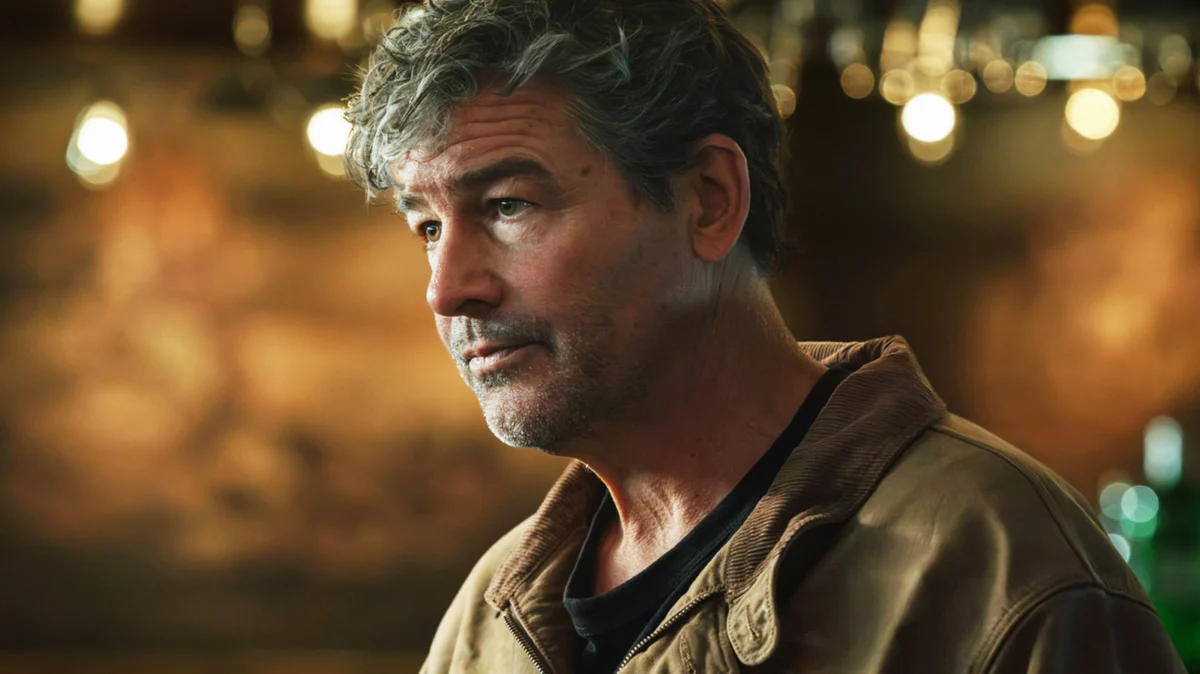
The landscape of the new DC Universe (DCU), spearheaded by James Gunn and Peter Safran, is beginning to take a tangible, cohesive shape. While fans eagerly await the larger-than-life spectacle of the cinematic slate, the HBO series Lanterns has emerged as the quiet, methodical architect of this shared reality. With the release of its sixth episode, titled "Bad Optics," the series has officially crossed a major threshold: delivering the DCU’s first direct, live-action reference to Batman.
For viewers who have been tracking the subtle breadcrumbs dropped throughout the season, this confirmation serves as more than just a nod to a popular character—it is a foundational pillar establishing the presence of Gotham’s guardian in a world where intergalactic law enforcement and terrestrial heroics now overlap.
The Chronology of Clues: Building the Dark Knight’s Shadow
The road to this definitive name-drop was paved with months of careful, deliberate world-building. Since its premiere, Lanterns has functioned with the narrative precision of a prequel, constantly orienting its characters within a geography that includes the DC Universe’s most iconic urban sprawl: Gotham City.
Early Allusions and Geographical Markers
The show’s commitment to grounding itself in the wider DC mythology began almost immediately. In Episode 1, a cryptic phone call made by Sheriff Kerry Kane (Kelly Macdonald) featured a mention of someone named "Barb." Fans of DC lore immediately theorized this to be a reference to Barbara Gordon, the legendary daughter of Commissioner James Gordon, known in various iterations as Batgirl and Oracle.
This theory gained significant weight in Episode 2, when the series explicitly revealed that Sheriff Kane hails from Gotham. This established a direct narrative pipeline between the small-town mystery of the Green Lanterns and the gritty, crime-ridden streets of Wayne’s home turf.
The Janus Cosmetics Easter Egg
By Episode 3, the show moved from dialogue-based hints to visual storytelling. A promotional poster for Janus Cosmetics appeared, serving as a deep-cut reference for comic book readers. In the source material, Janus was a corporate entity famously owned by Roman Sionis, the villainous Black Mask. By incorporating this brand, the showrunners signaled that the criminal underworld of Gotham—complete with its specific corporate-villain crossover—is fully operational in this timeline.
The "Bad Optics" Reveal
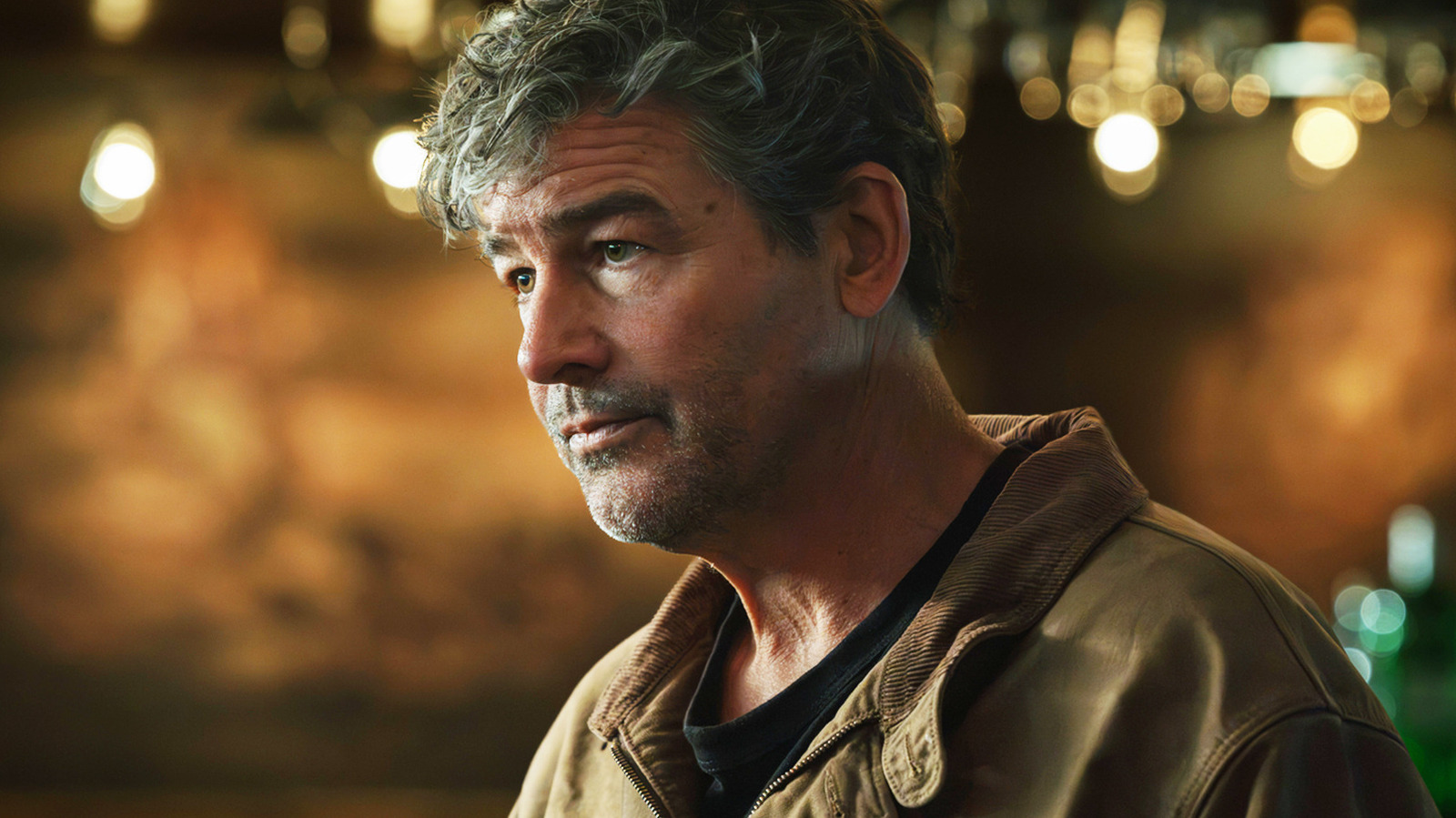
The most significant development occurred in Episode 6. During a tense, character-driven confrontation in a Rushville diner, Hal Jordan (Kyle Chandler) and John Stewart (Aaron Pierre) discuss the local presence of Guy Gardner (Nathan Fillion). Hal, characterized by his characteristic cynicism and ego, dismisses Gardner’s installation of a localized beacon as a derivative act. Hal explicitly states that Gardner "ripped off that Bat guy over in Gotham."
This line is transformative. It confirms that by the year 2026, the Batman is not merely a rumor or an urban legend; he is an established, active force whose methodology—specifically the iconic Bat-Signal—is recognizable enough to serve as a cultural point of comparison, even for those operating in the far reaches of the Green Lantern Corps.
Supporting Data: Why This Matters for the DCU
The inclusion of these references serves a dual purpose: it validates the existence of the "Bat-family" within the DCU’s current continuity and establishes a hierarchy of heroics.
The "Gym Teacher" Legacy
Hal Jordan’s derisive comment about Guy Gardner being a "gym teacher from California" is a fascinating synthesis of comic book history. Guy Gardner, who first appeared in Green Lantern #59 (1968), spent years as a mild-mannered physical education instructor before the 1985 Green Lantern #190 reboot transformed him into the hot-headed, abrasive figure most modern fans recognize.

By having Hal weaponize this past against him, the writers are acknowledging the character’s full depth, suggesting that the DCU is cherry-picking the best, most multifaceted elements from decades of comic book history to build a richer, more nuanced iteration of these heroes.
The Beacon of Hope (or Trouble)
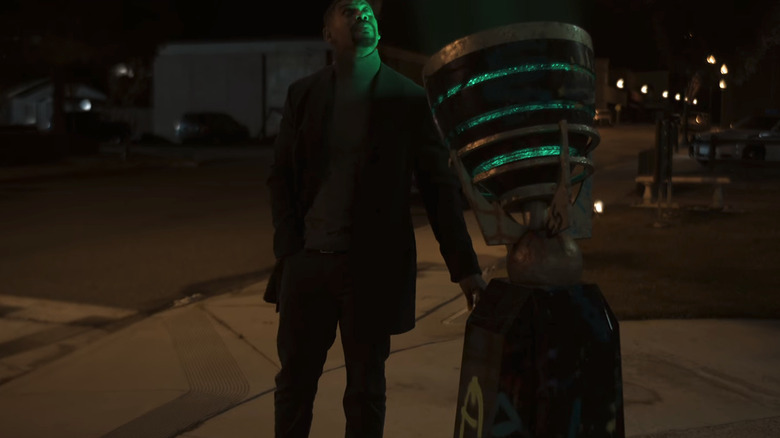
The "Green Lantern equivalent" of the Bat-Signal—a device that citizens of Rushville have largely ignored or vandalized—highlights the stark contrast between the two vigilantes. Batman’s signal represents a city’s plea for help, a symbol of fear turned into a beacon of justice. Conversely, Gardner’s signal represents the intrusion of alien forces into a small-town reality, a symbol of conflict that the locals treat with indifference or hostility. This juxtaposition reinforces the "street-level" approach the DCU seems to be taking, emphasizing that while heroes exist, their reception depends entirely on their connection to the people they protect.
Official Context and Future Implications
The silence surrounding a full Batman reveal remains deafening, yet strategic. James Gunn has been clear that the DCU will be a "connected universe," but he has also prioritized the integrity of individual stories over forced cameos.
The Gotham Void
While fans are desperate for a glimpse of the Dark Knight, the upcoming Clayface project will reportedly explore the criminal underbelly of Gotham without featuring Batman himself. Similarly, the long-gestating The Brave and the Bold remains on the production slate, but its development status has left a vacuum that Lanterns is currently filling. By keeping Batman as a peripheral, influential figure, the show maintains its own focus on Hal and John while ensuring the audience knows that the DCU is a populated, lived-in world.
A Gateway to the Dark Knight?
With two episodes left in the current season, the stakes are rising. The "Bad Optics" episode proved that Lanterns is willing to bridge the gap between the cosmic and the terrestrial. If Sheriff Kane’s connection to Gotham continues to deepen, or if the mystery of the Green Lanterns forces them to confront a threat that has spilled over from the shadows of Gotham, we may see the show transition from a detective thriller into the ultimate prologue for the DCU’s Batman debut.
Implications for the Future of the DCU
The implications of these references cannot be overstated. By establishing Batman as an active, recognized entity in 2026, the creative team has provided a temporal anchor for the entire DCU. We now know that when Superman or The Brave and the Bold hit theaters, they aren’t starting from scratch—they are entering a world where the rules, the heroes, and the cities have already been defined.
Lanterns has successfully demonstrated that you don’t need a costumed appearance to build a world. Sometimes, all it takes is a diner conversation, a piece of corporate branding, or a snide remark about a "Bat guy" to make a universe feel real. As the show heads toward its season finale, it has solidified its place as the definitive "connecting tissue" of the new DC era. Whether we see the cowl before the credits roll remains to be seen, but one thing is certain: in the DCU, the shadow of the Bat is long, and it reaches further than even the Green Lanterns expected.
