
Exploring the High Cost of Freedom: Director Padraic McKinley and Ethan Hawke Take Aim at the Great Depression in Sundance Feature The Weight
By Bailey Pennick
Main Facts
As the cinematic world converges on the premier stages of independent filmmaking, the 2026 Sundance Film Festival has once again positioned itself as a vital incubator for boundary-pushing storytelling. Among the most anticipated titles making waves at the festival is The Weight, the visually striking and emotionally resonant feature directorial debut of Padraic McKinley.
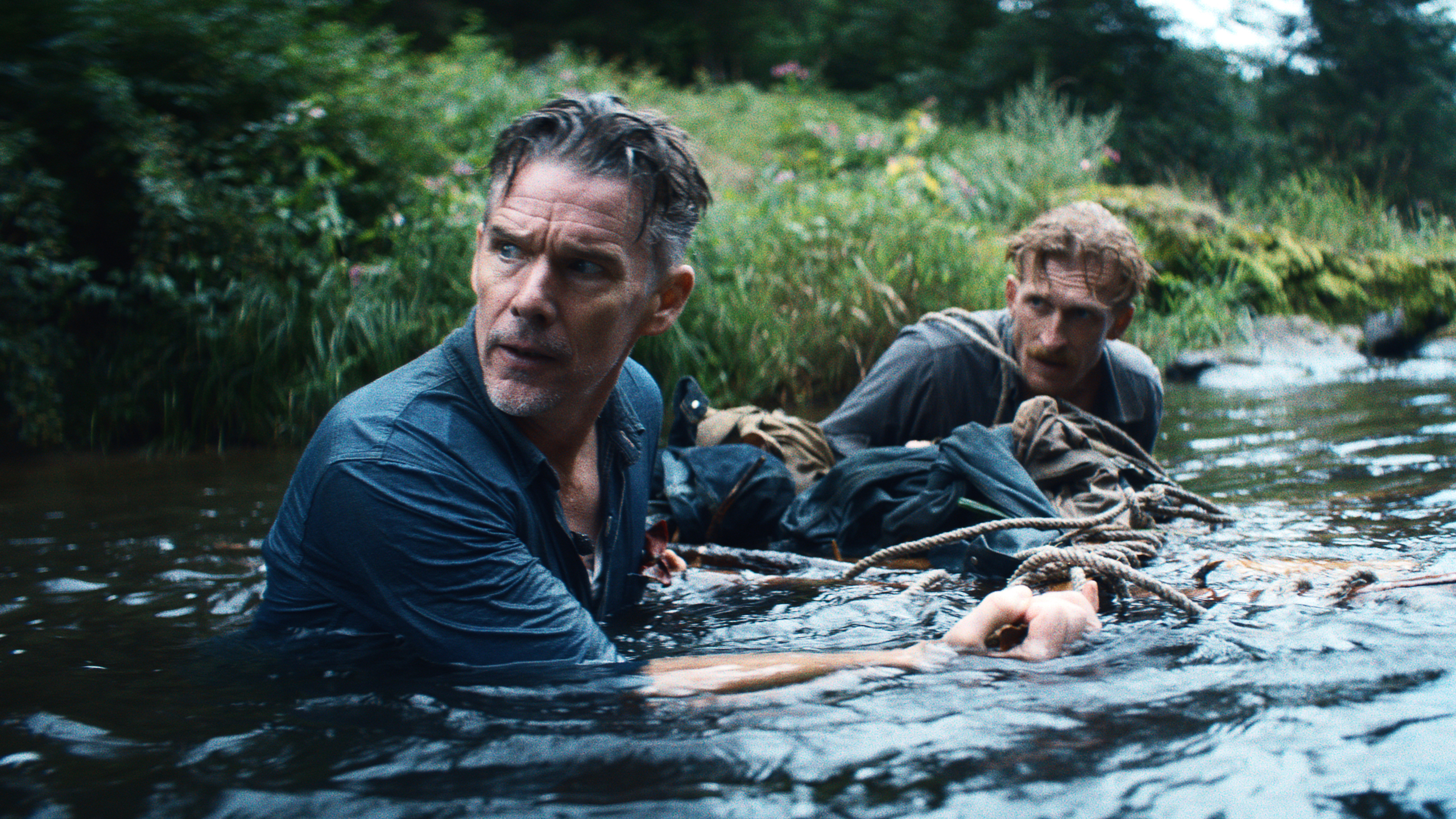
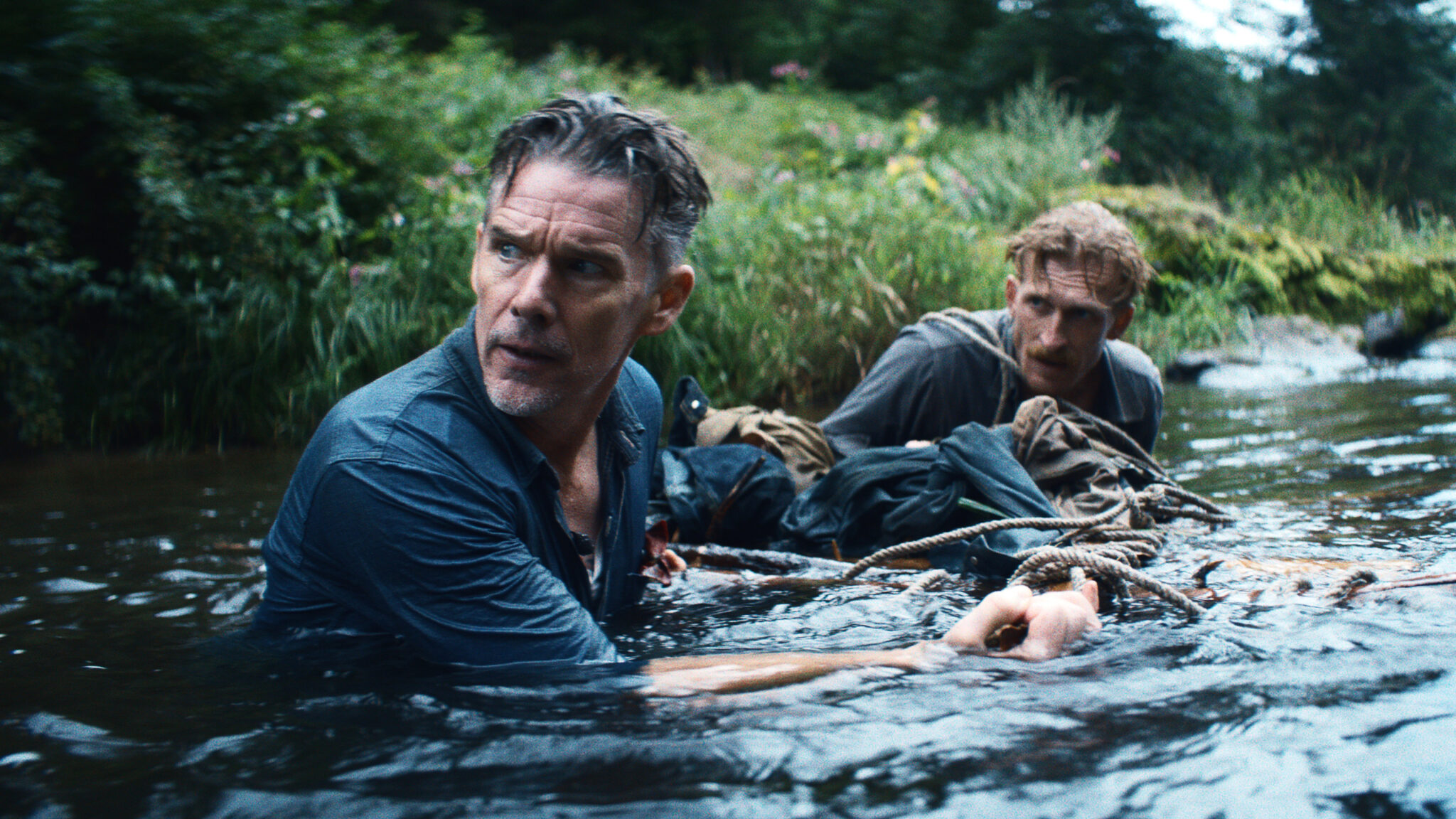
Steeped in atmospheric dread and tactile realism, the film transports audiences to the damp, unforgiving terrain of Depression-era Oregon. At its narrative core, The Weight follows a desperate band of prisoners tasked with smuggling gold across treacherous wilderness in exchange for an early release from their grueling work camp sentences. Yet, beneath the rugged exterior of a high-stakes period adventure lies a deeply intimate character study.
Anchored by a pensive, pained performance from Ethan Hawke as Samuel Murphy, the film tracks a father driven to the absolute brink of endurance, fueled by a singular, consuming mission: to return home to his young daughter. Blending the cinematic grammar of 1970s and 1980s adventure epics with the raw grit of historical drama, McKinley’s debut has quickly emerged as one of the standout talking points of the 2026 festival circuit.
Chronology: From College Electives to the Sundance Stage
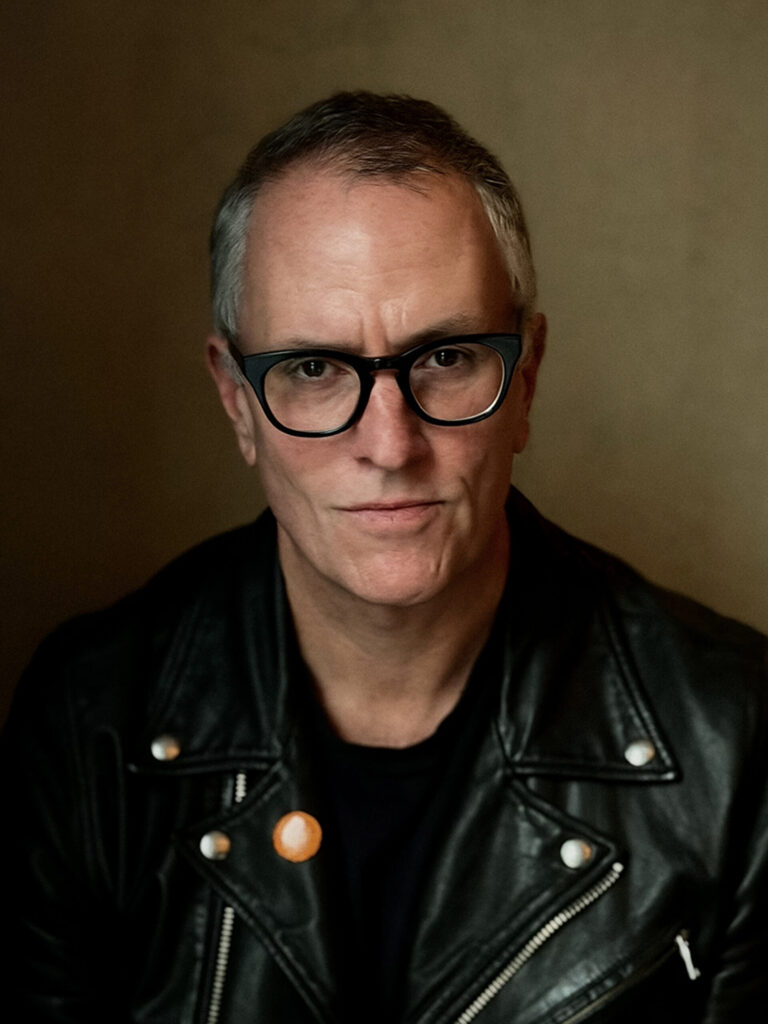
Padraic McKinley’s path to the director’s chair is a winding journey that bridges the worlds of music, film editing, and a lifelong immersion in cinematic culture. Growing up in a household where going to the local theater on a Friday or Saturday was an unwritten family law, McKinley developed an early, visceral relationship with the moving image.
However, his entry into the industry was forged by a classic rite of passage: parental intervention. While studying music in college, McKinley spent his first summer filling his academic schedule with electives like "basketball" and "weight training." When his parents refused to finance a repeat performance for a second summer, McKinley was forced to seek gainful employment.
Turning to family connections, he approached his uncle Bill, a film editor, who secured him a job working with a music editor at a weekly rate of $500. For a young man from Eugene, Oregon, the prospect of living in the Los Angeles sunshine while getting paid to work on movies was nothing short of revolutionary.
Working with film and music editorial lit up the exact same neurological pathways as playing music. The rise of home video rental culture further cemented his cinematic education, allowing him to catalog films by memory—recalling precisely where he watched them, who he was with, and how deeply they impacted him. Decades later, these formative experiences culminated in the creation of The Weight, a project that represents the culmination of a lifetime spent studying the rhythm of visual storytelling.
Supporting Data and Production Insights
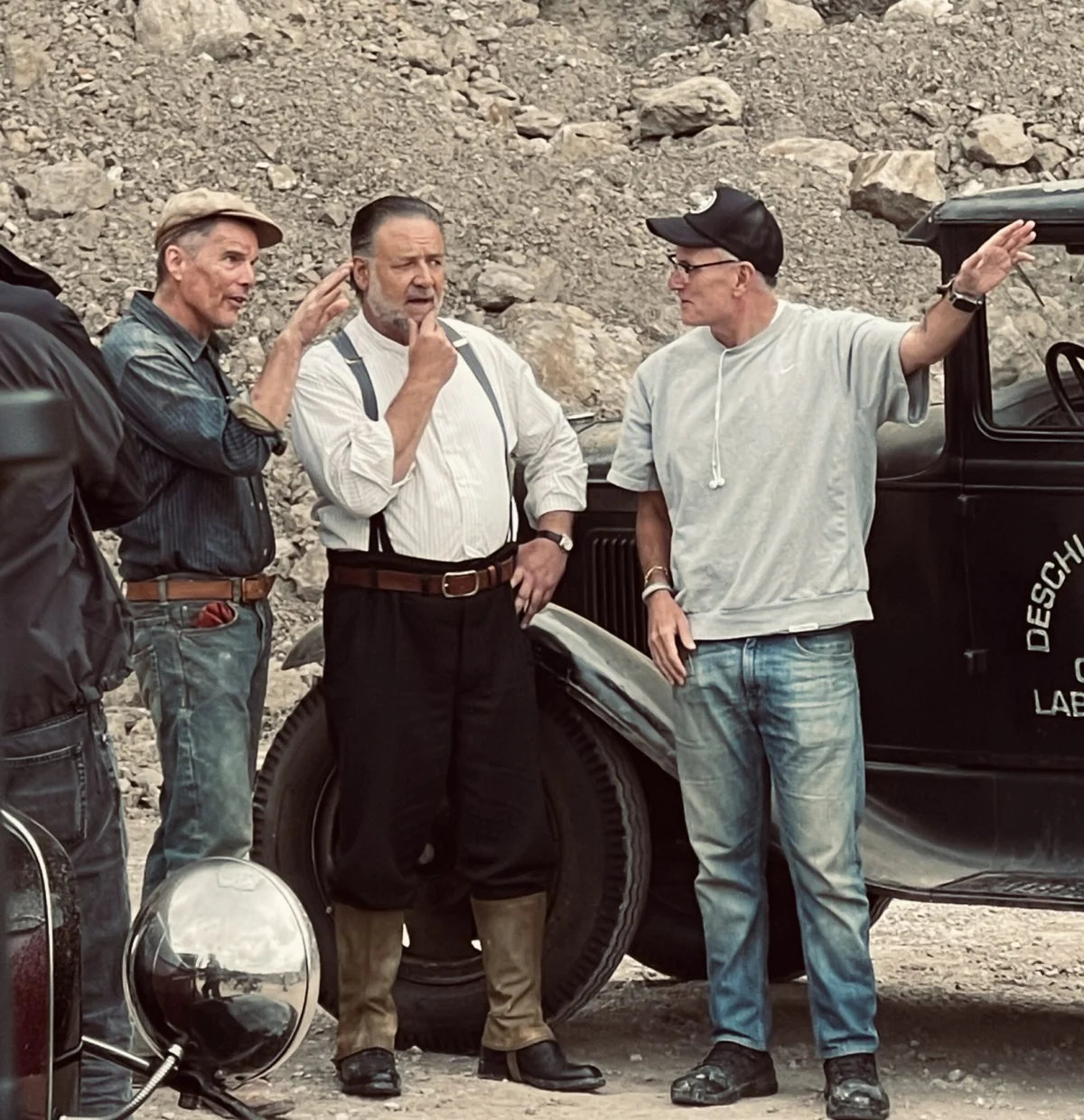
Bringing The Weight to life required a meticulous blend of old-school craftsmanship and international logistical maneuvering. While the narrative is set in 1933 Eugene, Oregon, the production realities of independent filmmaking demanded creative geography. To authentically capture the damp, oppressive atmosphere required by the script, the production team remarkably doubled Munich, Germany, for Depression-era Oregon over a grueling two-week stretch.
Despite the physical toll of the shoot—with actors navigating arduous water sequences and grueling outdoor terrain—the production environment thrived under a strict collaborative ethos. McKinley and star Ethan Hawke instituted a strict "no assholes policy" during casting to safeguard the delicate interpersonal dynamics required for a road-style narrative featuring a tight-knit ensemble of seven actors.
This protective measure paid dividends. Far from fracturing under the pressure of grueling night shoots, campfire scenes, and harsh weather elements, the cast formed a surrogate family. Production became an inclusive, communal experience characterized by shared breakfasts, family visits involving McKinley’s wife and daughters, and weekend swimming excursions across Lower Bavaria.
Financially and logistically, the film represents the classic triumph of independent tenacity over limited resources. McKinley balances the traditional hurdles of indie filmmaking—limited days and constrained budgets—with an artistic philosophy that views the medium as an uncompromisingly handmade art form.
Official Responses and Thematic Relevance
While The Weight is firmly rooted in the historical reality of the 1933 economic collapse, McKinley is acutely aware of how aggressively the film’s themes bleed into the contemporary sociopolitical landscape.
"When we first started talking about the film, we talked about the themes. We talked about the ‘heartbroken soul of America’ during the Great Depression," McKinley reflects on the urgency of the project. "The divide between the haves and the have-nots. Greed shown by those in power and callousness towards anyone infringing on that greed. Families being torn apart. The ‘America First’ attitude from people who were desperate for their own government to help them, rather than focusing on a country overseas. Cut to 2025, and it seems to me those themes are still pretty relevant."
Beyond sociopolitical commentary, the film’s emotional anchor stems from McKinley’s personal meditations on fatherhood. Discussing the driving inspiration behind Samuel Murphy’s harrowing journey, the director notes:
"The love of family always resonates. As a father, especially lately, it feels like we all have to put on that armor and slay dragons every day. Financial. Social. Just making it through these times. All the bullshit. I think we all feel that. And I always want to make my family proud. Especially my daughters. I want them to know you never gave up. Weather the storm, come out on the other side."
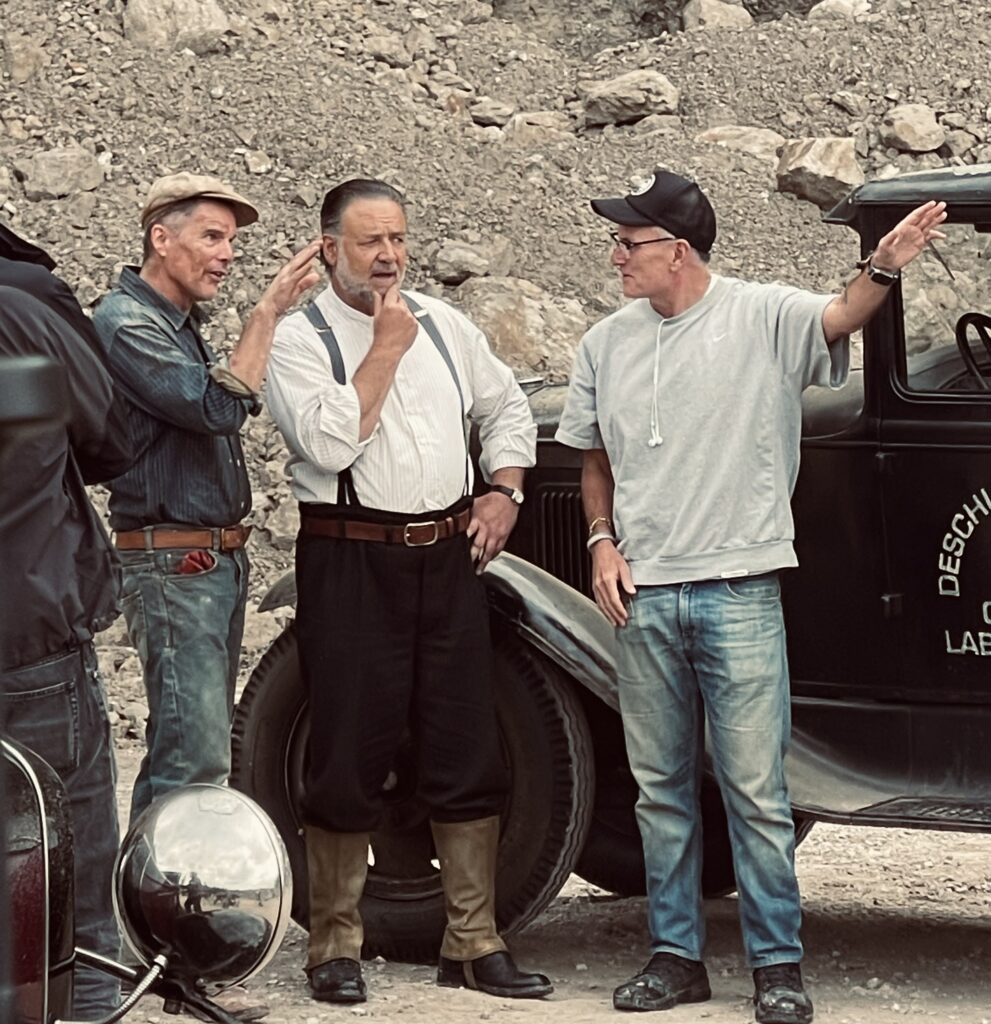
Reflecting on his relationship with the prestigious institution hosting his premiere, McKinley notes that submitting to the Sundance Film Festival was a natural pilgrimage. Having long viewed Sundance as the undisputed pinnacle and launchpad for the coolest, freshest, and most unique independent voices in cinema, securing a slot in the 2026 lineup realizes a long-held artistic aspiration.
Implications for the Future of Independent Cinema
As audiences increasingly gravitate toward rapid-fire, short-attention-span digital content—what McKinley colorfully likens to "jingles" compared to the "album-length" architecture of traditional feature films—The Weight stands as a deliberate counter-programming statement.
The film offers broader implications for how narrative filmmakers must navigate an era dominated by algorithmic curation and fragmented viewing habits. By championing a handmade, uncompromisingly personal aesthetic—where directors hire trusted collaborators and grant them the creative freedom to "cook"—McKinley advocates for a return to distinct, authored cinematic voices.
Furthermore, The Weight reinforces the enduring viability of mid-budget, character-driven historical dramas within the modern independent ecosystem. By anchoring a sweeping survival narrative in universal themes of familial sacrifice, economic desperation, and systemic greed, McKinley and his creative team have crafted a debut that not only honors the cinematic traditions of the 1970s and 80s adventure canon but speaks directly to the fractures of the modern American soul. As the film continues its run at the 2026 Sundance Film Festival, it cements Padraic McKinley as a formidable new voice to watch in contemporary independent cinema.
