
The Re-Release That Rewrites History: Why Avengers: Endgame Encore Changes the MCU Forever
By Simon Gallagher
Published September 23, 2026
Main Facts: The Return of a Modern Classic
Seven years after it fundamentally reshaped the cinematic landscape, Avengers: Endgame is returning to the big screen in a newly minted, expanded cut titled Avengers: Endgame Encore. Set for a global theatrical release on September 25, 2026, this special engagement features newly integrated footage, narrative expansions, and—most notably—three brand-new post-credits scenes.
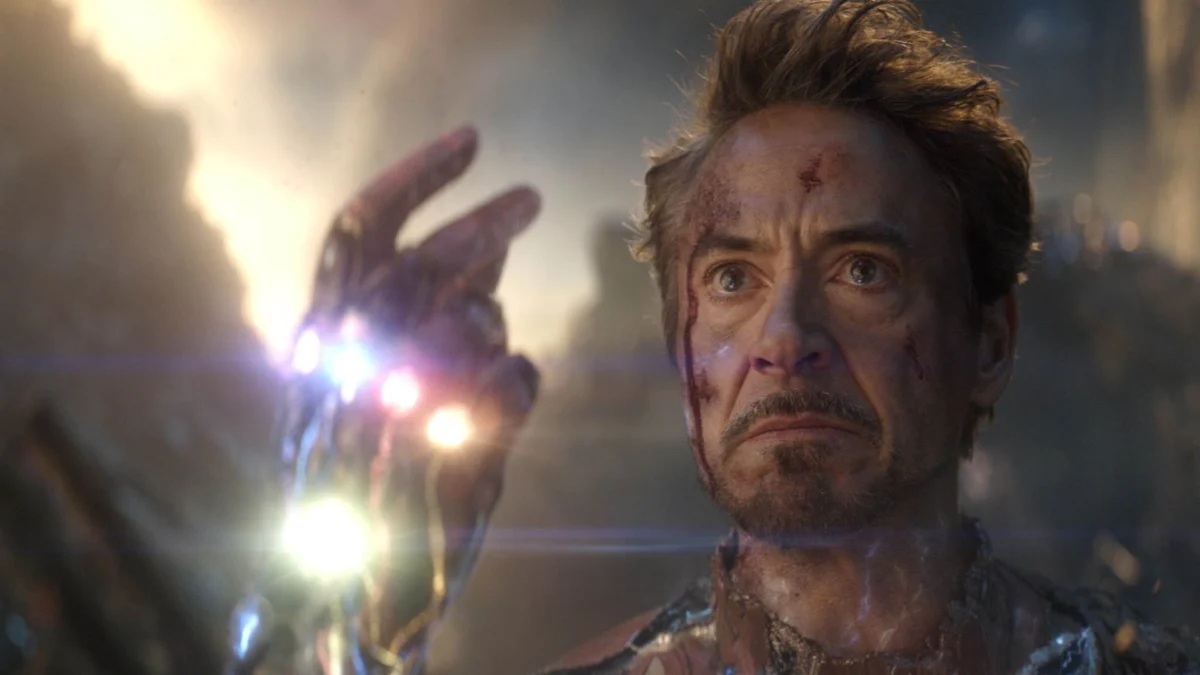
When directors Anthony and Joe Russo originally released the film in April 2019, they made the deliberate, highly unconventional choice to omit post-credits scenes entirely. That decision was meant to serve as a symbolic full-stop for the first 22 films of the Marvel Cinematic Universe (MCU)—a sprawling ten-year experiment that culminated in the tragic death of Tony Stark (Robert Downey Jr.), the peaceful retirement of Steve Rogers (Chris Evans), and a definitive sense of narrative closure.
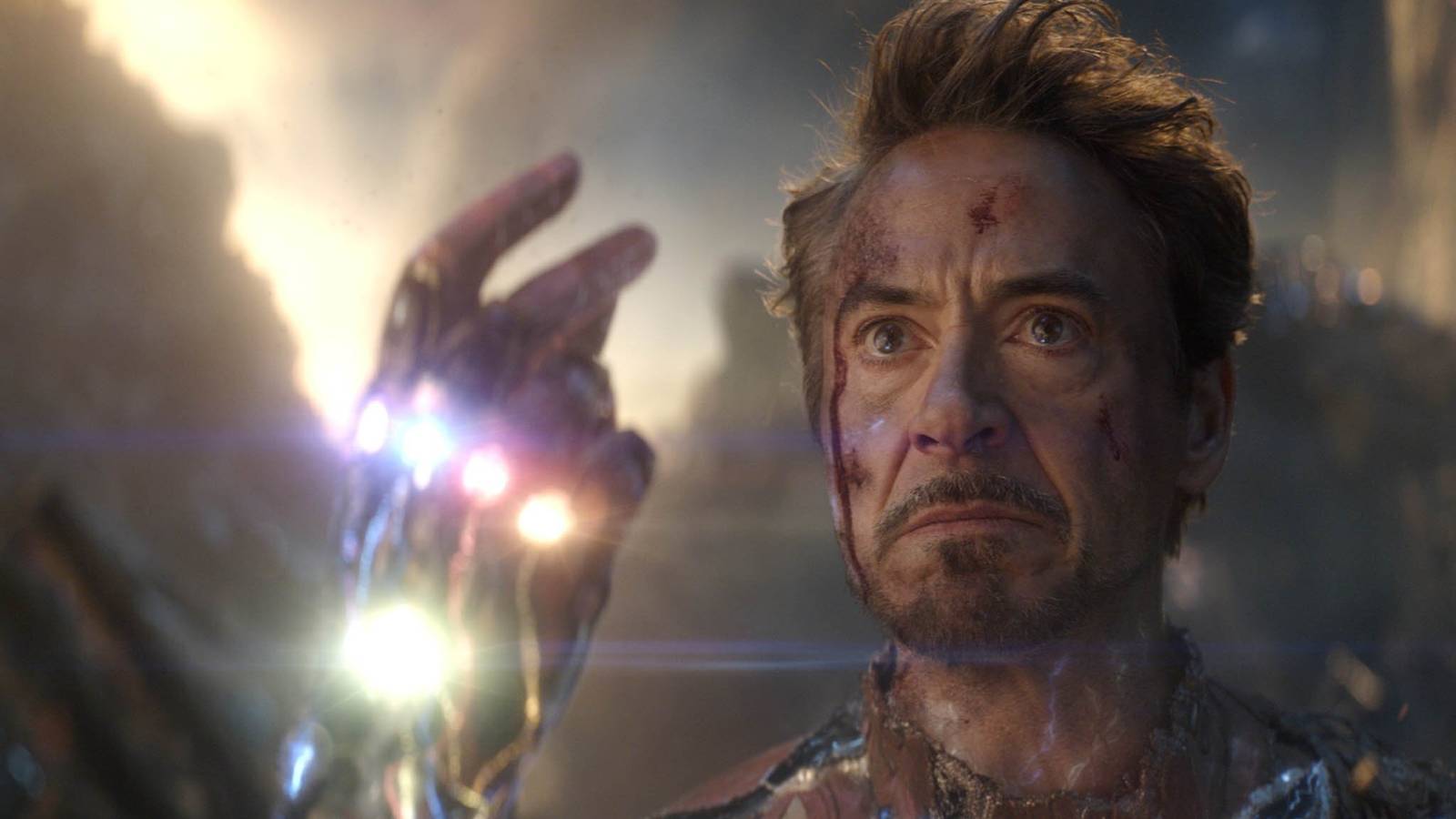
Today, however, the landscape of the MCU looks radically different. Facing years of fan debate, shifting studio strategies, and the upcoming pivot toward Avengers: Doomsday, Marvel Studios and the Russo brothers have reversed course. By introducing new footage, teasing future storylines, and retrofitting the film with post-credits stingers, Avengers: Endgame Encore actively dismantles the pristine, self-contained closure of the 2019 original. While the move serves as a high-profile marketing bridge to the franchise’s future, it simultaneously compromises the poetic tribute that once defined the end of an era.
Chronology: From Finality to Re-Engineering the Timeline
To understand the weight of Avengers: Endgame Encore, one must trace the timeline of how Marvel’s most monumental blockbuster has been repeatedly recontextualized since its debut.
- April 2019: Avengers: Endgame hits theaters, shattering box office records. In a bold break from tradition, the film concludes without a single post-credits scene, ending instead with the subtle, resonant sound of a young Tony Stark hammering out his very first Mark I iron suit in 2008.
- July 2019: During a Q&A session in Washington, D.C., Anthony Russo explains the creative rationale behind the missing post-credits scene: the goal was not to look forward, but to honor the past and provide an "epic sense of closure" for a decade of storytelling.
- 2023–2025: Despite the filmmakers’ original intentions, the MCU begins retroactively altering the weight of Endgame’s ending through subsequent projects. Disney+ series Secret Invasion reveals a clandestine epilogue in which Nick Fury pilfered Avengers DNA immediately following the Battle of Earth, while James Rhodes’ identity as a Skrull impostor complicates the emotional reality of the post-Snap era.
- Late 2025–Early 2026: Marvel announces major shifts in its upcoming slate, rebranding Avengers: The Kang Dynasty into Avengers: Doomsday and bringing the Russo brothers back to direct. Furthermore, upcoming series like VisionQuest are confirmed to revisit Tony Stark’s death through the lens of his loyal AI assistant, FRIDAY, offering a more intimate and tragic perspective on his sacrifice.
- September 2026: Marvel officially announces Avengers: Endgame Encore, confirming the addition of brand-new scenes and three distinct post-credits sequences designed to set the stage for Avengers: Doomsday.
Supporting Data & Context: The Temptation of the Director’s Cut
Tinkering with established cinematic milestones is a polarizing practice, but it is far from unprecedented in Hollywood history.

Conventional wisdom dictates that beloved masterpieces should be left untouched. Yet, visionary filmmakers have historically struggled with the concept of finality. George Lucas famously spent decades refining and altering the original Star Wars trilogy with special editions, computer-generated touch-ups, and altered sequences. Similarly, landmark films such as The Godfather Part III, Ridley Scott’s Blade Runner, and Francis Ford Coppola’s Apocalypse Now have all received multiple director’s cuts, definitive cuts, and re-releases.
| Film | Original Release Year | Re-Release / Cut Type | Nature of Changes |
|---|---|---|---|
| Star Wars | 1977 | Special Edition (1997, et al.) | CGI additions, altered character interactions, scene restoration |
| Blade Runner | 1982 | The Director’s Cut (1992) / Final Cut (2007) | Removal of voiceover, inclusion of the ambiguous unicorn dream sequence |
| Apocalypse Now | 1979 | Redux (2001) / Final Cut (2019) | Re-insertion of cut footage, including the famous French plantation sequence |
| Avengers: Endgame | 2019 | Encore (2026) | Additional runtime, new narrative scenes, and three post-credits stingers |
For creators like the Russo brothers, returning to a definitive work like Endgame can feel like revising a finished painting. However, when an interconnected cinematic universe continues to expand, maintaining the absolute isolation of a single chapter becomes an impossible luxury. When a cinematic universe relies on perpetual momentum, the past is never truly allowed to rest.
Official Responses and Creative Rationales
When Avengers: Endgame first arrived in 2019, the decision to avoid teasing future projects was heavily publicized as a badge of honor. Speaking directly to fans during their post-release tour, Anthony Russo elaborated on why the creative team resisted the MCU’s hallmark marketing strategy:
"The reason why there’s no end credits is because our goal on this movie was simply to bring to a conclusion the 22 movies now that comprise the MCU for these 10 years of storytelling. I think one of the great creative upsides for Joe and I, as storytellers on this movie, was that this is the first MCU movie we got to tell where we weren’t thinking about the future. We were simply thinking about the past, the journey that we’ve all been on together since that first Iron Man movie. And how do we bring the most epic sense of closure to that journey that we can possibly do. So that was our goal, and that was really why we had no tag."
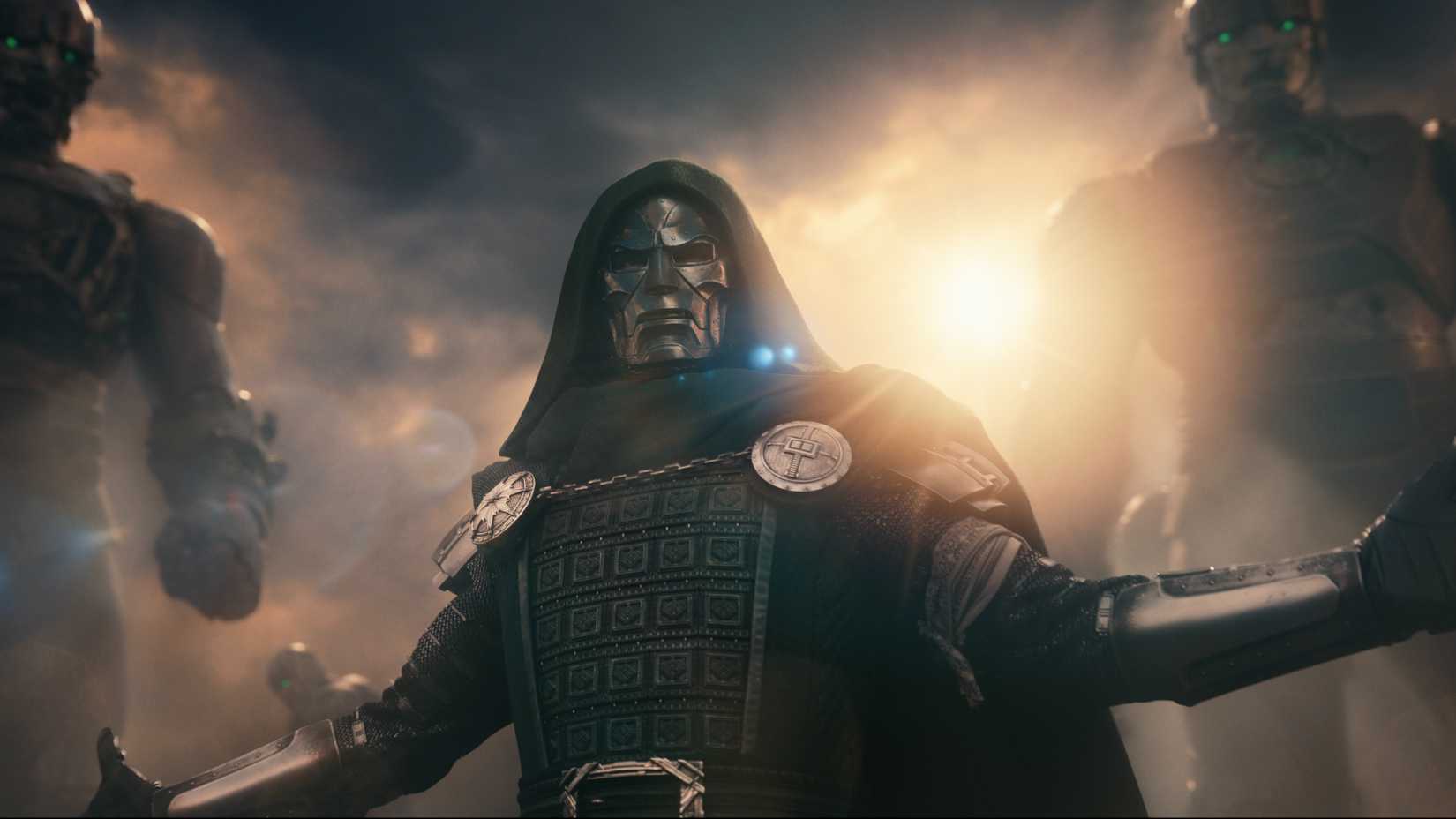
Yet, creative philosophies evolve when corporate imperatives and grand narrative pivots demand it. With the announcement of Avengers: Doomsday and the return of the Russos to the helm of Marvel’s overarching narrative, the calculus shifted. The philosophy of absolute closure gave way to the reality of an evolving, infinite tapestry. As the famous in-universe warning cautions: "When you mess with time, it tends to mess back." In the case of Endgame, the passage of time has effectively undone its own curtain call.
Implications: What Encore Means for Tony Stark’s Legacy
While the inclusion of three post-credits scenes in Avengers: Endgame Encore is guaranteed to drive fan excitement and fuel speculation ahead of Doomsday, it comes with a subtle yet significant artistic cost.
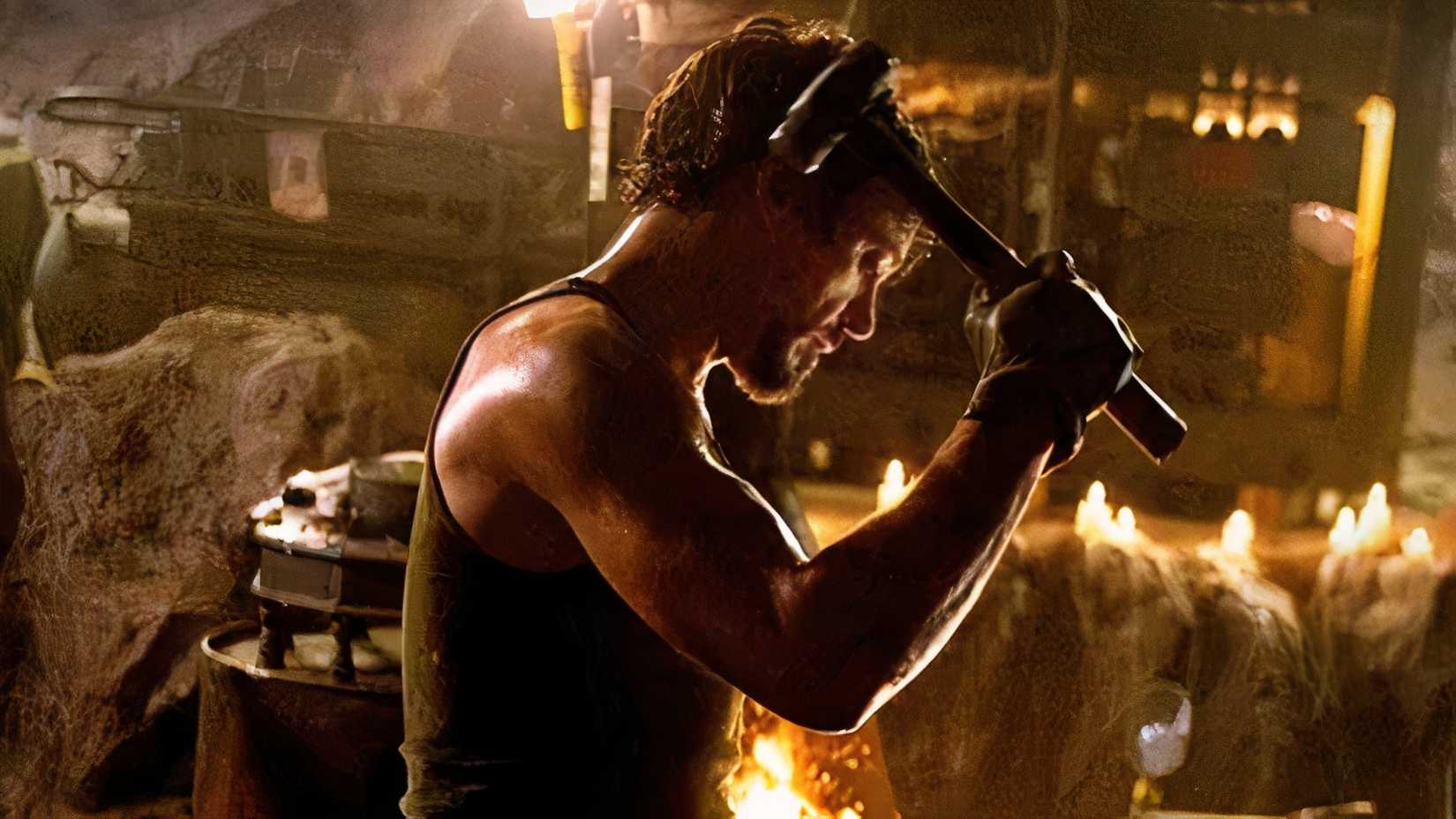
The original cut of Endgame did not simply fade to black; it concluded with a specific, poignant auditory callback: the metallic sound of Tony Stark forging his primitive Iron Man suit in a dusty Afghan cave in 2008. This closing detail was a masterpiece of thematic framing. It acknowledged that without Robert Downey Jr.’s charismatic performance and Jon Favreau’s foundational film, the sprawling Marvel Cinematic Universe would never have existed. It was a complete narrative loop—a celebration of beginnings masked as an ending.
By injecting new footage, setting up future multiversal threats, and appending modern post-credits stingers to the runtime, Encore intentionally shatters that quiet reverence. The pristine boundary that kept Endgame safe as a sacred, self-contained monument to Phase 1 has been breached.
For purists, the original version—still streaming on Disney+—will always stand as the definitive emotional climax of the Infinity Saga. But for the MCU at large, Avengers: Endgame Encore marks an undeniable turning point: a bold, unapologetic reminder that in the modern cinematic landscape, even the final chapter can be rewritten to serve tomorrow’s battles.
