
The Final Curtain: Why Marvel’s ‘Daredevil: Born Again’ Is Ending with Season 3
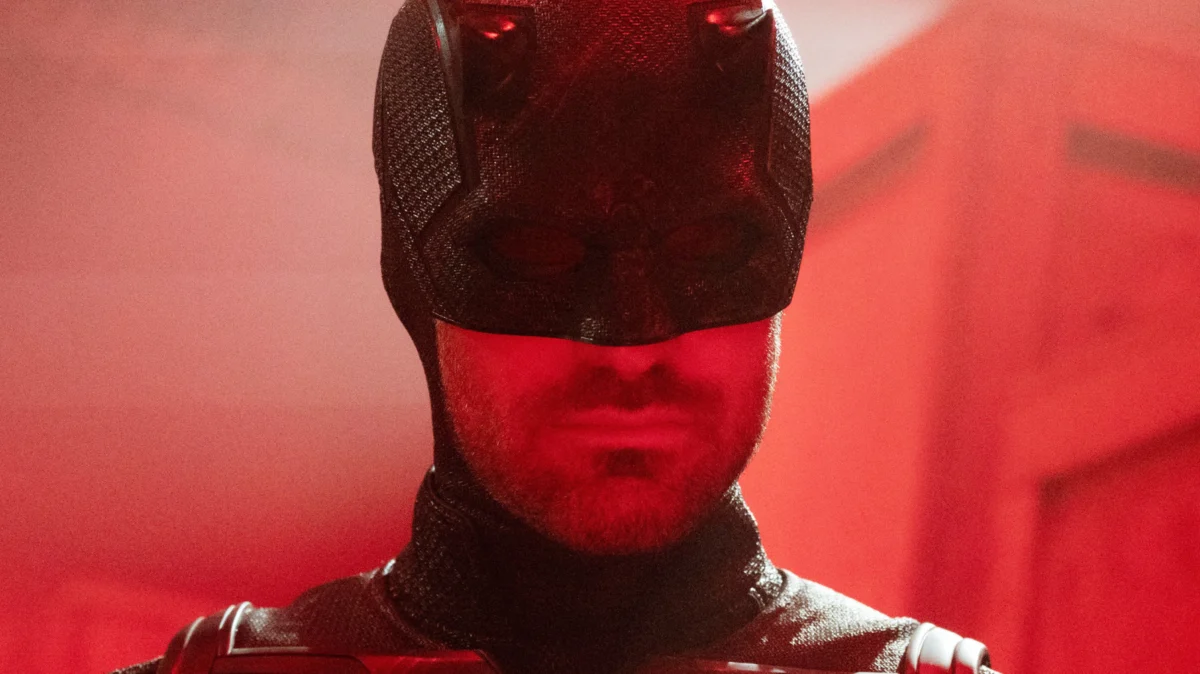
After a long and arduous journey from the dark, gritty streets of Netflix’s Hell’s Kitchen to the glossy, high-stakes ecosystem of the Marvel Cinematic Universe (MCU) on Disney+, the story of Matt Murdock is once again reaching a sudden conclusion. Disney and Marvel Studios have officially confirmed that Daredevil: Born Again will conclude with its upcoming third season. This development marks the end of a tumultuous era for the character, effectively shuttering the solo series just years after fans campaigned tirelessly for Charlie Cox to reprise his iconic role as the "Man Without Fear."
While the news has sent shockwaves through the Marvel fandom, industry analysts see this as the inevitable outcome of a studio undergoing a radical identity crisis. From shifting creative visions to a broader mandate to curtail the sheer volume of streaming content, Daredevil: Born Again has become the latest casualty in Marvel’s quest to stabilize its cinematic empire.
The Chronology of a Turbulent Production
The path to Daredevil: Born Again was never a smooth one. When the project was first announced in 2022, it was met with overwhelming enthusiasm. Fans, who had been vocal about their desire to see the Netflix-era continuity integrated into the wider MCU, finally felt heard. However, the production was almost immediately hampered by external and internal factors.
The Developmental "Soft Reboot"
Initially, the series was designed as a legal procedural with a lighter tone than its Netflix predecessor. However, after reviewing early footage, Marvel executives made the drastic decision to pivot. In late 2023, the studio dismissed head writers Matt Corman and Chris Ord, choosing to lean into a more mature, street-level aesthetic that mirrored the brutal, noir-inspired tone of the original Netflix series. This required a complete creative overhaul, a move that undoubtedly strained the budget and extended the production timeline.
The Impact of Industry Strikes
The 2023 WGA and SAG-AFTRA strikes further compounded these delays. As the industry ground to a halt, the creative team was forced to pause, regroup, and reassess the series’ trajectory. By the time cameras were rolling again, the show was operating under a new creative mandate with showrunner Dario Scardapane at the helm. This constant state of flux meant that the show’s identity remained a point of confusion for both the studio and the audience—was it a sequel, a reboot, or something entirely new?
Supporting Data: The Viewership Decline
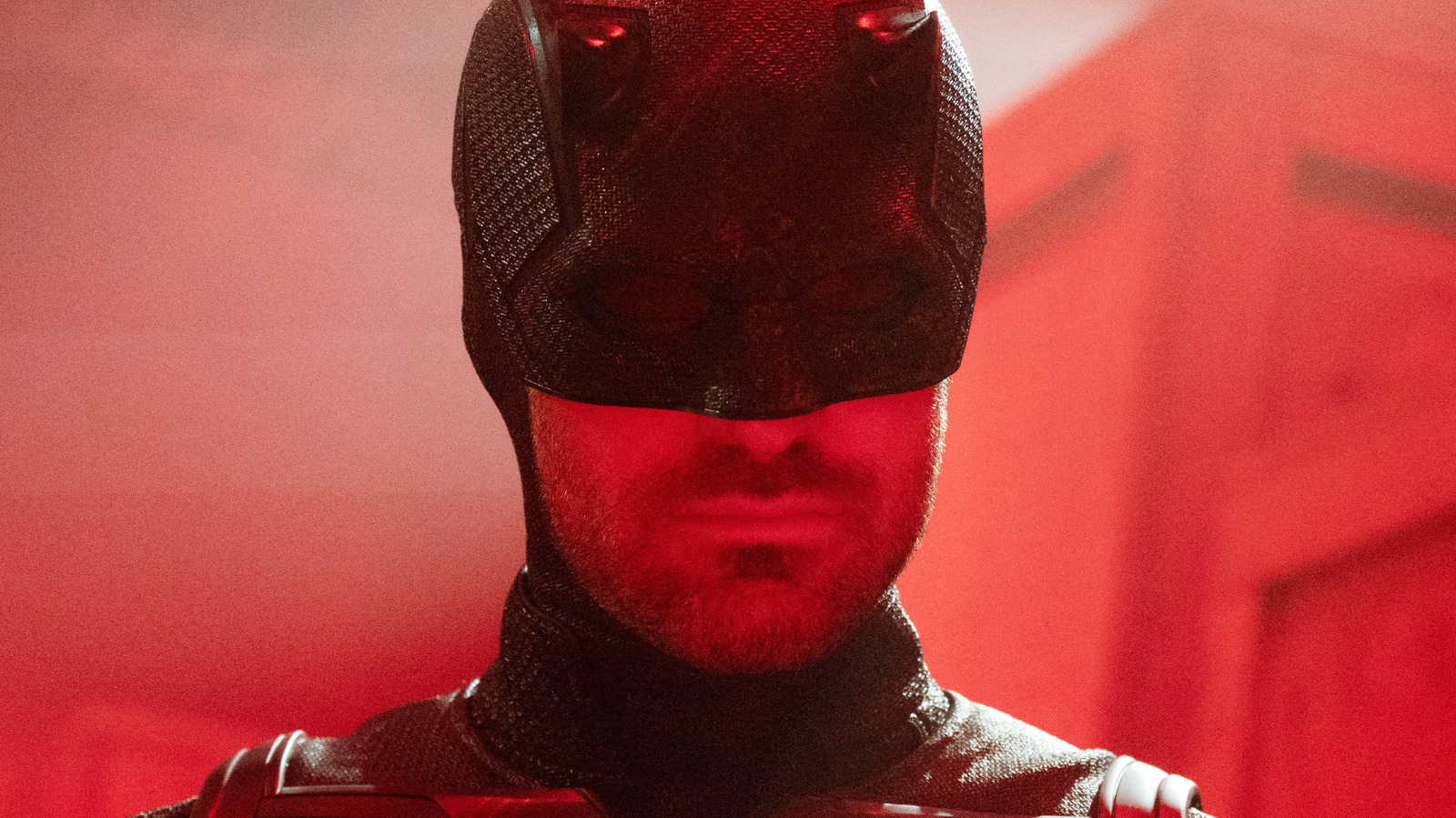
The decision to cap the series at three seasons is not merely a creative choice; it is rooted in cold, hard metrics. While the debut of Daredevil: Born Again was a genuine success by modern streaming standards, the retention rate became a point of concern for Disney executives.
According to data provided by Luminate, the first season was a powerhouse, drawing 7.5 million viewers worldwide within its first five days on Disney+. It stood as the most-watched Disney+ series premiere of 2025. This initial momentum suggested that the "Daredevil" brand remained one of the strongest pillars of the Marvel television output.
However, the landscape shifted dramatically by the time Season 2 arrived in March 2026. Reports indicate that domestic viewership in the United States plummeted by approximately 50% compared to the premiere season. Analysts point to several factors: a saturation of Marvel content, a confusing narrative connection to the Netflix shows, and a general "superhero fatigue" that has plagued the industry since the conclusion of the Infinity Saga. When a flagship series sees its audience halved in a single year, the financial viability of a multi-season commitment becomes increasingly difficult to justify in a cost-conscious corporate environment.
The Strategy Shift: Scaling Back the MCU
The cancellation of Daredevil is emblematic of a broader, more aggressive restructuring within Marvel Studios. Under the guidance of Kevin Feige, the studio is moving away from the "quantity over quality" model that defined the early years of Disney+.
The End of the "Unlimited Content" Era
Marvel has spent the better part of two years attempting to "right the ship." This process has included pausing development on high-profile projects like Nova and Strange Academy, and even canceling the Wonder Man series shortly after its renewal. The goal is simple: reduce the total output to ensure that every project feels like an "event" rather than a homework assignment for the audience.
The "Zodiac" and the Future of TV
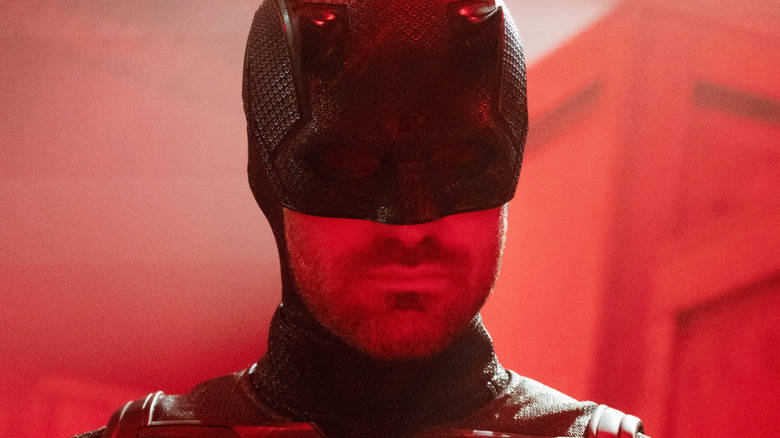
Industry reports from The Hollywood Reporter suggest that Marvel is currently pivoting toward a tighter, more focused development slate. With only three to five live-action shows currently in active development—including the recently greenlit spy-thriller Zodiac—the studio is clearly prioritizing genre diversity over quantity. The hope is that by limiting the number of shows, Marvel can restore the "prestige" feel that allowed the original Netflix shows to thrive.
Implications for the Man Without Fear
What does this mean for Matt Murdock? The silver lining, if there is one, is that Daredevil: Born Again is not being unceremoniously scrapped. Season 3 has already wrapped production and is currently slated for a 2027 release. This allows the creative team to provide a definitive conclusion to the current narrative arc, rather than leaving fans with a "cliffhanger to nowhere."
A Future Beyond the Series?
It is important to note that the cancellation of a solo series does not necessarily mean the end of the character. Marvel Studios has made it clear that they intend to maintain a leaner, more interconnected universe moving forward. With the release of Avengers: Doomsday in late 2026 and the highly anticipated Avengers: Secret Wars on the horizon, the MCU is entering a new era.
The decision to end the show before Secret Wars suggests that Marvel may be looking to simplify the "Daredevil" narrative before integrating him into the larger cinematic events. Just as the character transitioned from Netflix to the MCU, he could easily transition from a dedicated streaming series to a recurring role in future blockbuster films. Charlie Cox has become synonymous with the role, and it is unlikely that Marvel would discard such a valuable asset permanently.
Conclusion: Lessons from Hell’s Kitchen
The cancellation of Daredevil: Born Again is a bittersweet moment for the industry. On one hand, it represents the loss of a beloved, mature take on a classic superhero. On the other, it serves as a necessary correction for a studio that had stretched its resources too thin.
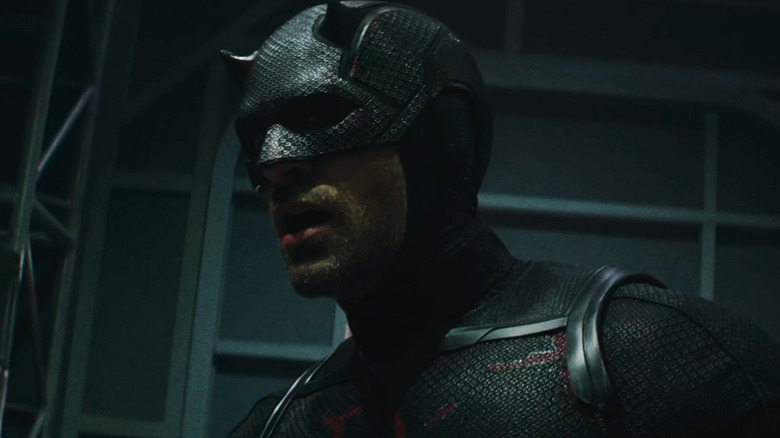
By ending the series at Season 3, Marvel is choosing to preserve the character’s legacy rather than letting the quality degrade through endless, low-engagement seasons. As the MCU prepares to navigate the post-Secret Wars landscape, the lessons learned from the Born Again experience—the importance of consistent creative vision, the risks of audience fatigue, and the need for narrative clarity—will undoubtedly shape the future of Marvel television for years to come.
For now, fans can look forward to one final chapter in 2027, safe in the knowledge that while the series may be ending, the legend of the Devil of Hell’s Kitchen remains a vital part of the Marvel tapestry.
