
The Dark Knight That Almost Was: How Game of Thrones Star Kit Harington Nearly Won the Role of Batman
Main Facts
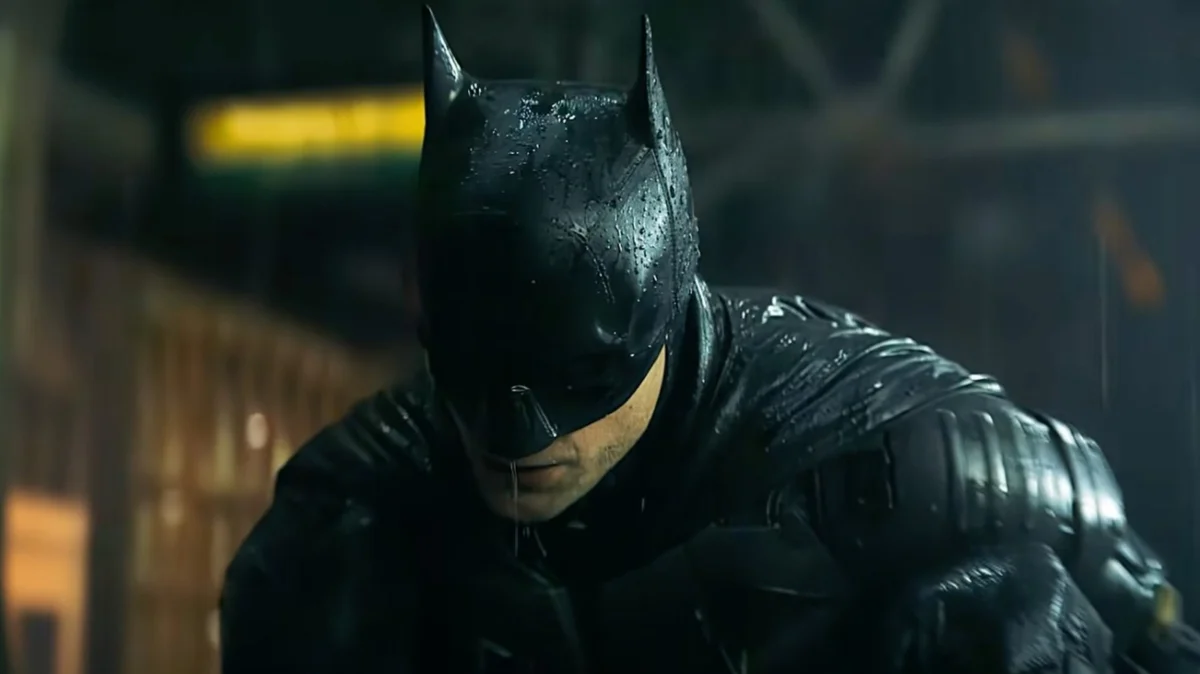
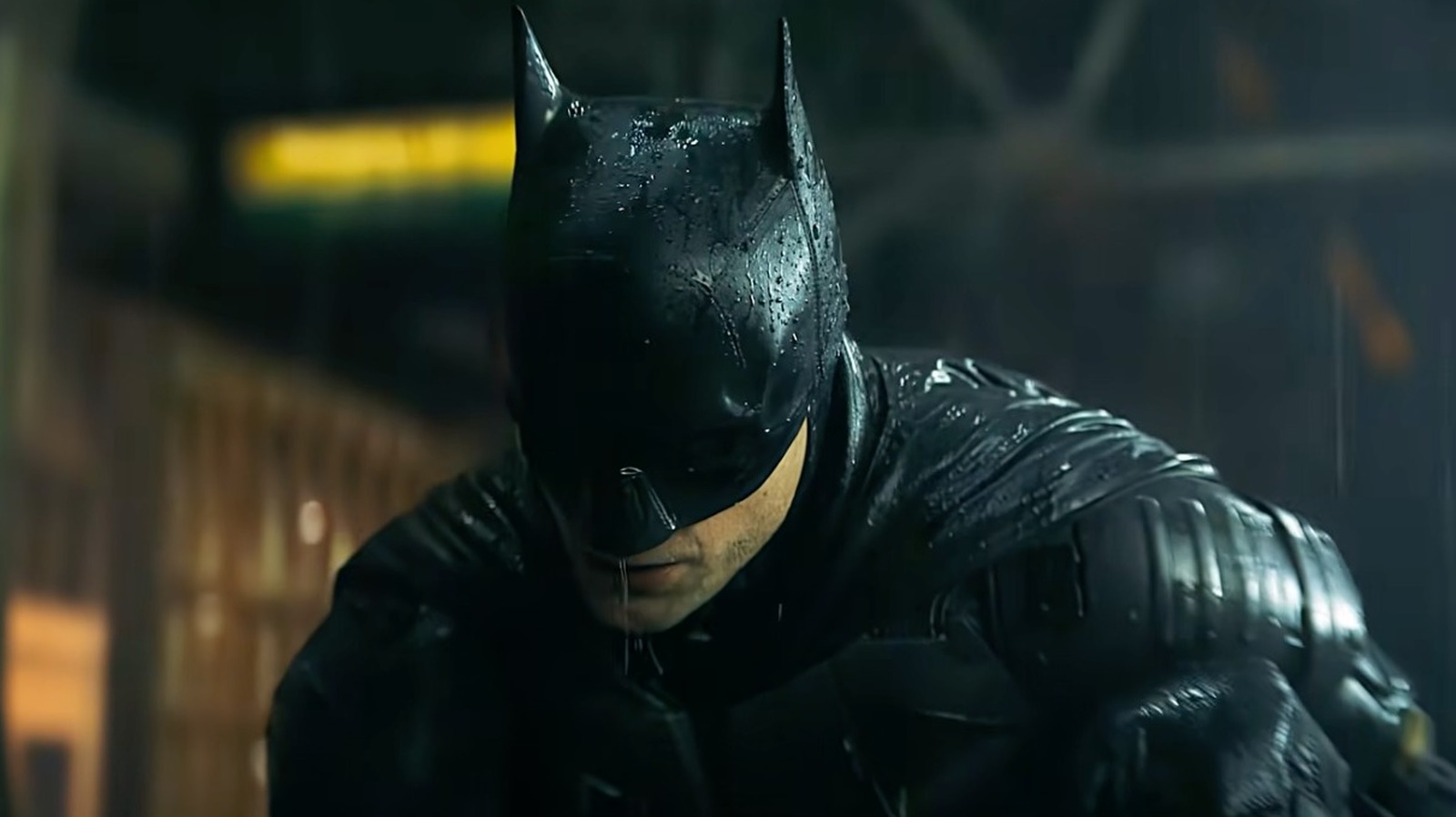
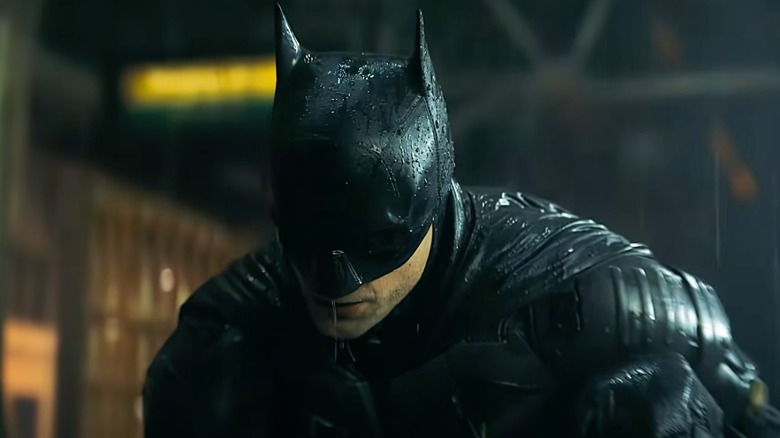
The process of casting Gotham City’s most iconic protector is rarely a straightforward affair. When director Matt Reeves set out to build his neo-noir, detective-driven vision for 2022’s The Batman, the global search for a new Bruce Wayne involved numerous high-profile names. Ultimately, Robert Pattinson clinched the role, delivering a critically acclaimed, reclusive, and emotionally tortured portrayal of the Caped Crusader that left an indelible mark on the superhero genre.
However, before the production narrowed its sights to the final shortlist—which famously came down to Pattinson and X-Men and Mad Max: Fury Road star Nicholas Hoult—another massive television icon entered the early conversation. Kit Harington, globally recognized for his defining, career-making role as Jon Snow in HBO’s monumental fantasy epic Game of Thrones, took an early meeting with Warner Bros. and the creative team regarding the lead role.
While Harington himself quickly realized that Pattinson was the definitive and correct choice for Reeves’ unique cinematic universe, the revelation has sparked widespread pop-culture discussion. It invites fans and film historians alike to wonder how the brooding, sword-wielding Lord Commander of the Night’s Watch might have fared inside the pressurized confines of the Bat-suit.
Chronology: The Road to The Batman
To understand where Kit Harington fits into the casting tapestry, it is vital to trace the timeline of The Batman’s chaotic development and subsequent evolution under Matt Reeves.
Ben Affleck’s Departure and the Search for a New Vision
Originally, the DC Extended Universe (DCEU) iteration of Batman was spearheaded by Ben Affleck. Affleck was slated to star in, write, and direct a solo Batman film following his appearances in Batman v Superman: Dawn of Justice and Justice League. However, creative differences, personal challenges, and shifting studio strategies eventually led Affleck to step away from the director’s chair in January 2017, and eventually from the role entirely by early 2019.
Matt Reeves Takes the Helm
In February 2017, Warner Bros. tapped Matt Reeves—fresh off his critical and commercial success with War for the Planet of the Apes—to take over the project. Reeves discarded Affleck’s script entirely, choosing instead to craft a grounded, standalone detective story that looked back at DC Comics’ 1970s and 1980s noir roots. This shift necessitated a younger actor, one who could embody a Bruce Wayne in his second year of vigilantism: raw, unpolished, and consumed by vengeance.
The Early Casting Net and Harington’s Involvement
During the earliest phases of pre-production, around late 2018 and early 2019, casting directors cast a wide net across Hollywood to find the right physical and emotional presence. It was during this nascent period that Kit Harington—riding the massive wave of global visibility from the final seasons of Game of Thrones—participated in early exploratory meetings for the film.
Narrowing the Field
As Reeves and Warner Bros. honed in on their exact tonal requirements, the field narrowed. By the spring of 2019, the audition process boiled down to a tense final competition between Robert Pattinson and Nicholas Hoult. Both actors underwent rigorous screen tests in full costume. In May 2019, Pattinson officially secured the contract, and the rest is cinematic history.
Supporting Data: Comparing the Contenders
Evaluating why certain actors are considered for multi-million-dollar superhero franchises requires looking at career trajectories, physical archetypes, and prior performances.
The Pattinson-Hoult Dynamic
The intense competition between Robert Pattinson and Nicholas Hoult is well-documented. Hoult, who has candidly spoken about the bittersweet experience of losing the role, possessed the classic leading-man stature and physical adaptability proven by his work in blockbusters like X-Men: First Class. Pattinson, conversely, brought a distinct arthouse pedigree. Having spent the years following The Twilight Saga collaborating with visionary independent auteurs like Claire Denis (High Life) and the Safdie brothers (Good Time), Pattinson offered an unpredictable, volatile energy.
The Harington Factor: Genre Parallels
Kit Harington’s inclusion in the early stages of casting is far from random. For eight seasons on Game of Thrones, Harington mastered the portrayal of a specific archetype: the reluctant hero burdened by legacy, identity, and the heavy weight of duty.
- The Outcast Persona: Just as Bruce Wayne hides behind the mask of a tortured recluse in Matt Reeves’ film, Jon Snow is treated as an outsider—an illegitimate son grappling with a lack of societal standing in Westeros.
- Costume and Aesthetics: Both characters rely heavily on dark, weather-beaten outerwear. The heavy fur cloaks of the Night’s Watch share a stylistic kinship with the sweeping, armored leather capes of early-career vigilantes.
- Romantic Tragedies: Both figures navigate doomed, complicated romances. Jon Snow’s tragic relationship with the wildling Ygritte mirrors the bittersweet dynamic between Bruce Wayne and Zoë Kravitz’s Selina Kyle (Catwoman), where duty ultimately separates lovers who belong to fundamentally different worlds.
Despite these thematic parallels, critical analysis of Harington’s filmography reveals distinct limitations that likely prevented him from progressing past the initial exploratory meetings.
Official Responses and Reflections
The revelation of Harington’s early involvement came to light through the actor’s own candid admissions during an appearance on Josh Horowitz’s popular Happy Sad Confused podcast.
When discussing the whirlwind period surrounding the end of Game of Thrones and his subsequent career moves, Harington addressed the rumors of his superhero casting near-misses with characteristic humility and pragmatism. Reflecting on the initial meetings he took for The Batman, Harington recalled:
"I think I met someone early on, but I think it was like, when I heard it was Robert Pattinson, I was like, ‘Yeah, of course. That’s who you should go for.’"
Rather than expressing bitterness or regret over missing out on the iconic DC franchise, Harington immediately recognized the sheer alignment between Matt Reeves’ creative vision and Pattinson’s unique acting sensibilities.
Nicholas Hoult has similarly reflected on his runner-up status with grace, noting that while losing out on such a monumental franchise stings initially, watching Pattinson’s final performance provided validation for the high caliber of the project.
Implications: What Might Have Been vs. Where They Are Now
The butterfly effect of Hollywood casting decisions always leaves fans wondering about alternate cinematic universes. What if Kit Harington had somehow beaten out the competition to don the cowl?
The Tone of a Harington Gotham
Had Harington won the role, The Batman would likely have leaned into a more traditional, stoic, and heroic register. While Harington excels at projecting noble suffering and quiet intensity—traits that served him well as Jon Snow—his performances often lack the volatile, unpredictable edge that Robert Pattinson brings to the screen.
As seen in critical sequences throughout Game of Thrones—such as the execution of Janos Slynt in Season 5—Harington’s interpretation of grim justice relies heavily on noble sorrow rather than the terrifying, unhinged fury that Pattinson channels when he beats down a subway thug and growls, "I’m vengeance." A Harington-led Batman might have felt closer to the classic, dutiful crusader, missing the grunge-infused, emotionally unstable outsider aesthetic that made Reeves’ 2022 film feel so fresh.
Career Evolution and Finding the Right Niche
Ultimately, missing out on Batman has not harmed Kit Harington’s career trajectory. In the years following the conclusion of Game of Thrones, Harington has deliberately pivoted away from sweeping fantasy epics and superhero blockbusters to find critically acclaimed roles in contemporary prestige television.
His standout performance as the depressed, blue-blooded entrepreneur Henry Muck in HBO’s sharp corporate drama Industry has proven that Harington is far better suited for complex, flawed, modern characters than CGI-heavy comic book spectacles.
Meanwhile, Robert Pattinson continues to prepare for his return to the Batcave. With The Batman Part II slated for a February 2028 theatrical release, audiences will once again dive back into the rain-slicked, corrupt alleys of Gotham City—leaving fans to view Harington’s brief brush with the Dark Knight as a fascinating footnote in the history of modern cinema.
