
Unraveling the Mystery: Looking Back at Ron Howard’s The Da Vinci Code (2006)
Main Facts
Released in the summer of 2006, director Ron Howard’s cinematic adaptation of Dan Brown’s blockbuster 2003 novel, The Da Vinci Code, remains one of the most commercially successful, culturally provocative, and globally debated motion pictures of the 21st century. Starring AFI Life Achievement Award honoree Tom Hanks as symbologist Robert Langdon, the film brought a dense tapestry of art history, cryptography, and religious conspiracy to the mainstream silver screen.
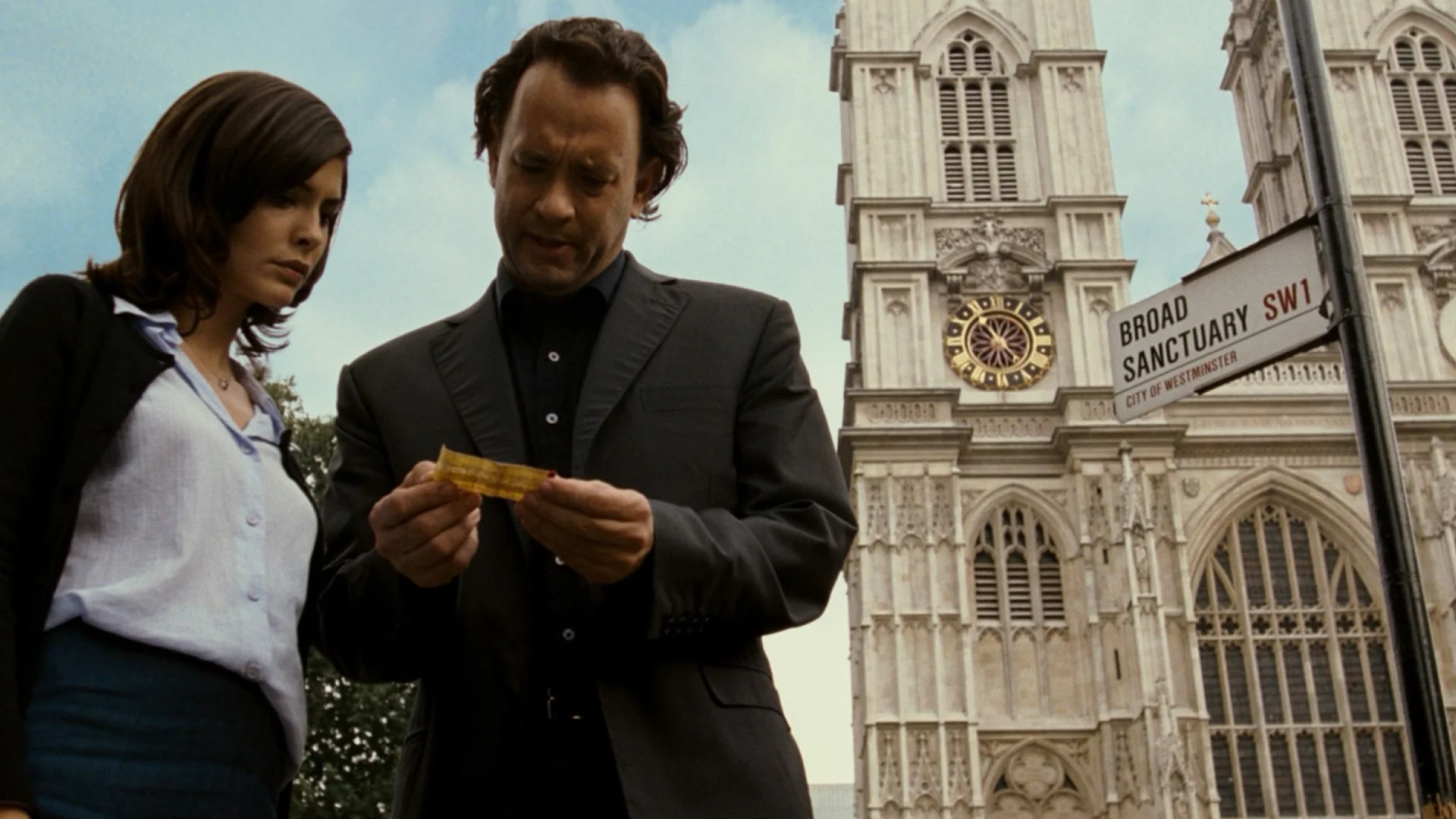
The narrative kicks off with a grisly and baffling murder inside the Louvre Museum in Paris. Jacques Saunière, the museum’s curator, is found dead in a manner that mirrors Leonardo da Vinci’s famous drawing, the Vitruvian Man. Summoned to the crime scene, Robert Langdon is thrust into a high-stakes race against time alongside cryptology agent Sophie Neveu, played by French cinema icon Audrey Tautou.
What follows is an international scavenger hunt across Paris, London, and various historic sanctuaries. The duo is tasked with decoding a trail of cryptic anagrams and historical clues left hidden within Da Vinci’s masterpieces—most notably The Last Supper and Mona Lisa. However, Langdon and Neveu are pursued at every turn by both the French law enforcement—headed by the relentless Captain Bezu Fache (Jean Reno)—and a secretive, zealous Opus Dei monk named Silas (Paul Bettany). Along the way, they enlist the aid of British Grail historian Sir Leigh Teabing (Ian McKellen) and face formidable adversaries, including Bishop Aringarosa (Alfred Molina) and Vernet (Jürgen Prochnow).
Backed by a towering production budget estimated at $125 million and a sweeping, majestic score by legendary composer Hans Zimmer, The Da Vinci Code was a titan at the global box office. It grossed over $758 million worldwide, cementing its place as a massive commercial triumph despite enduring intense scrutiny from religious organizations, historians, and film critics alike.
Chronology: From Page to Screen and Beyond
2003: The Literary Phenomenon
Before it ever hit celluloid, Dan Brown’s novel The Da Vinci Code took the literary world by storm. Spending more than a year atop bestseller lists, the book sold tens of millions of copies worldwide. Its intoxicating mixture of historical speculation, secret societies, and theological controversy made it an inescapable cultural touchstone. Hollywood executives immediately recognized its potential, sparking a fierce bidding war for the adaptation rights.
2004–2005: Pre-Production and Casting
Sony Pictures and Columbia Pictures secured the rights, pairing Oscar-winning director Ron Howard with screenwriter Akiva Goldsman—a creative team that had previously found immense success with A Beautiful Mind (2001). Casting was a massive international endeavor. Tom Hanks was brought in early to anchor the film as the tweed-wearing, quick-thinking Robert Langdon. To maintain authenticity and appeal to global audiences, Howard assembled an all-star international cast featuring French, British, and German heavyweights, including Audrey Tautou, Ian McKellen, Paul Bettany, and Jean Reno.
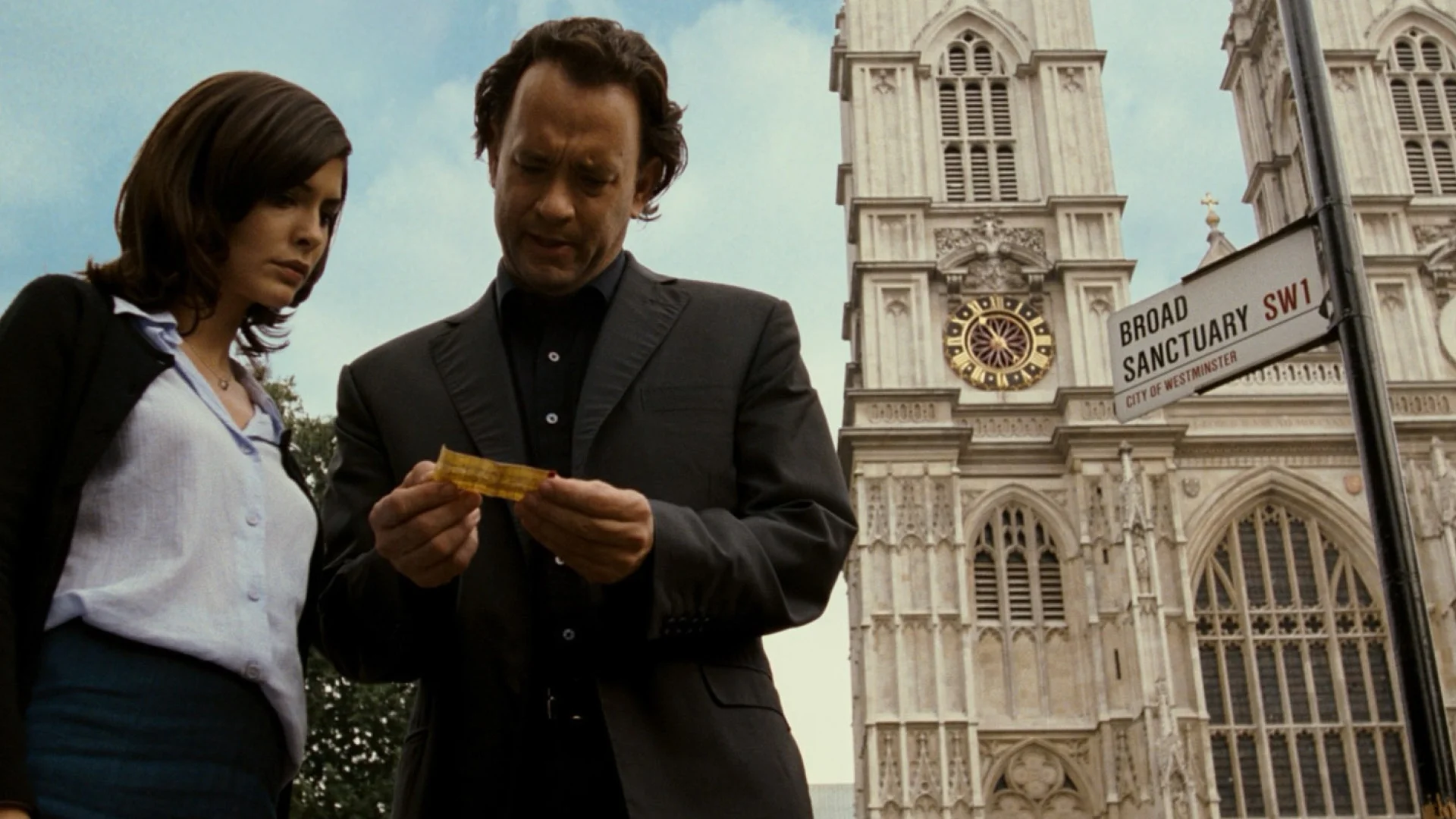
Principal photography commenced in mid-2005. Notably, the production secured unprecedented permission to film inside the actual Musée du Louvre in Paris, though strict regulations required the crew to use faux paintings and refrain from using harsh lighting that could damage the genuine masterpieces. Additional filming took place at historic locations such as the Rosslyn Chapel in Scotland and Lincoln Cathedral in England (though Lincoln ultimately denied permission, forcing the crew to replicate parts of Westminster Abbey elsewhere).
May 2006: The Cannes Premiere and Global Release
The Da Vinci Code made its high-profile world premiere as the opening film of the 59th Cannes Film Festival. The red carpet event drew massive international press, setting the stage for a synchronized global rollout on May 19, 2006. The film shattered box office records during its opening weekend, pulling in $224 million globally—one of the largest worldwide openings in motion picture history at the time.
2009–2016: The Sequels
The immense financial success of The Da Vinci Code paved the way for subsequent adaptations of Dan Brown’s Robert Langdon series. Ron Howard, Tom Hanks, and screenwriter David Koepp reunited for Angels & Demons (2009), which focused on the Illuminati and the Vatican. A third installment, Inferno (2016), tackled a global biological threat inspired by Dante Alighieri’s epic poem. Despite the franchise’s ongoing expansion, the original 2006 film remains the defining cinematic entry of the series.
Supporting Data and Box Office Metrics
An analysis of the financial and critical footprint of The Da Vinci Code highlights the stark contrast between public appetite and critical reception:
- Production Budget: Estimated at $125 million, making it a major tentpole release for Sony Pictures.
- Domestic Box Office (North America): Grossed approximately $217.6 million.
- International Box Office: Pulled in an astounding $540.7 million, proving the immense global appeal of the cast and the source material.
- Worldwide Cumulative Gross: Surpassed $758.3 million, making it the second-highest-grossing film of 2006 worldwide, trailing only Pirates of the Caribbean: Dead Man’s Chest.
- Opening Weekend: Smashed records with a $77 million domestic debut and a $224 million global opening.
- Critical Reception: Holds a "Rotten" rating of approximately 25% on Rotten Tomatoes, with critics citing a sluggish runtime, overly expository dialogue, and a lack of emotional resonance. Conversely, audiences polled by CinemaScore gave the film an average grade of "B+".
Official Responses and Public Controversy
Few films in modern history have generated as much pre-release institutional pushback as The Da Vinci Code. At the heart of the controversy was the novel’s central premise: that Jesus Christ married Mary Magdalene, fathered a bloodline that survived into modern times, and that the Catholic Church—specifically through the secretive prelature Opus Dei—waged a centuries-long conspiracy to suppress this truth.
The Roman Catholic Church and Opus Dei
Vatican officials and Catholic leaders around the world sharply condemned the film and the book upon which it was based. Several high-ranking prelates, including the late Cardinal Tarcisio Bertone, called for a total boycott of the film, labeling it offensive, blasphemous, and historically inaccurate.
Opus Dei, which is prominently featured in the narrative as a murderous, radical sect, issued extensive press statements correcting how the organization was portrayed. Representatives clarified that while Opus Dei is a genuine institution of the Catholic Church, its members do not engage in corporal mortification of the dramatic proportions depicted by Paul Bettany’s character Silas, nor are they assassins operating under papal commands.
The Filmmakers’ Defense
In response to the backlash, director Ron Howard, producer Brian Grazer, and star Tom Hanks repeatedly emphasized that the film was a work of fiction and entertainment, not a theological treatise or a historical documentary.

In various press interviews during the 2006 Cannes promotional tour, Hanks famously joked, "It’s a darn good story. If we were making a historically accurate documentary, people might fall asleep in the theater." Howard echoed these sentiments, noting that he hoped the film would serve as a springboard for audiences to explore art history, architecture, and theological debate, rather than taking the conspiracy theories at face value.
Implications: The Legacy of a Blockbuster
Two decades after its theatrical release, The Da Vinci Code holds a fascinating and complex legacy within Hollywood history.
1. The Blueprint for International Mystery Blockbusters
The film proved that intellectual, puzzle-based thrillers could achieve massive, multi-quadrant global success. It paved the way for subsequent cinematic adaptations of labyrinthine mystery novels, demonstrating that international audiences would turn out in droves for stories driven by riddles, code-breaking, and exotic European backdrops.
2. Tourism and Cultural Curiosity
Sites featured prominently in the film experienced unprecedented tourism booms. The Musée du Louvre saw surges in visitors eager to trace the footsteps of Langdon and Neveu, while Rosslyn Chapel in Scotland experienced a massive influx of tourists looking to uncover secrets of the Holy Grail for themselves. This phenomenon—often referred to as "set-jetting"—demonstrated the profound economic power of blockbuster cinema on cultural heritage sites.
3. Redefining Tom Hanks’ Career Matrix
While Tom Hanks was already a two-time Academy Award-winning dramatic heavyweight known for classics like Forrest Gump (1994) and Philadelphia (1993), The Da Vinci Code marked a definitive pivot into high-profile, commercial franchise headlining. It showcased his ability to anchor massive, effects-light, intellectual action-adventure properties, a skill he would revisit in subsequent franchise entries and historical dramas.
Ultimately, The Da Vinci Code stands as a cultural lightning rod of the mid-2000s—a film that successfully transformed a sprawling literary puzzle into a cinematic event, sparking global debates, dominating box office charts, and cementing its place in the modern pop culture lexicon.
