
Redefining Macro: Venus Optics Unveils the Laowa ACRIS 35mm f/2.8 1X AF Macro APO
Main Facts: Breaking Boundaries in Close-Up Optics
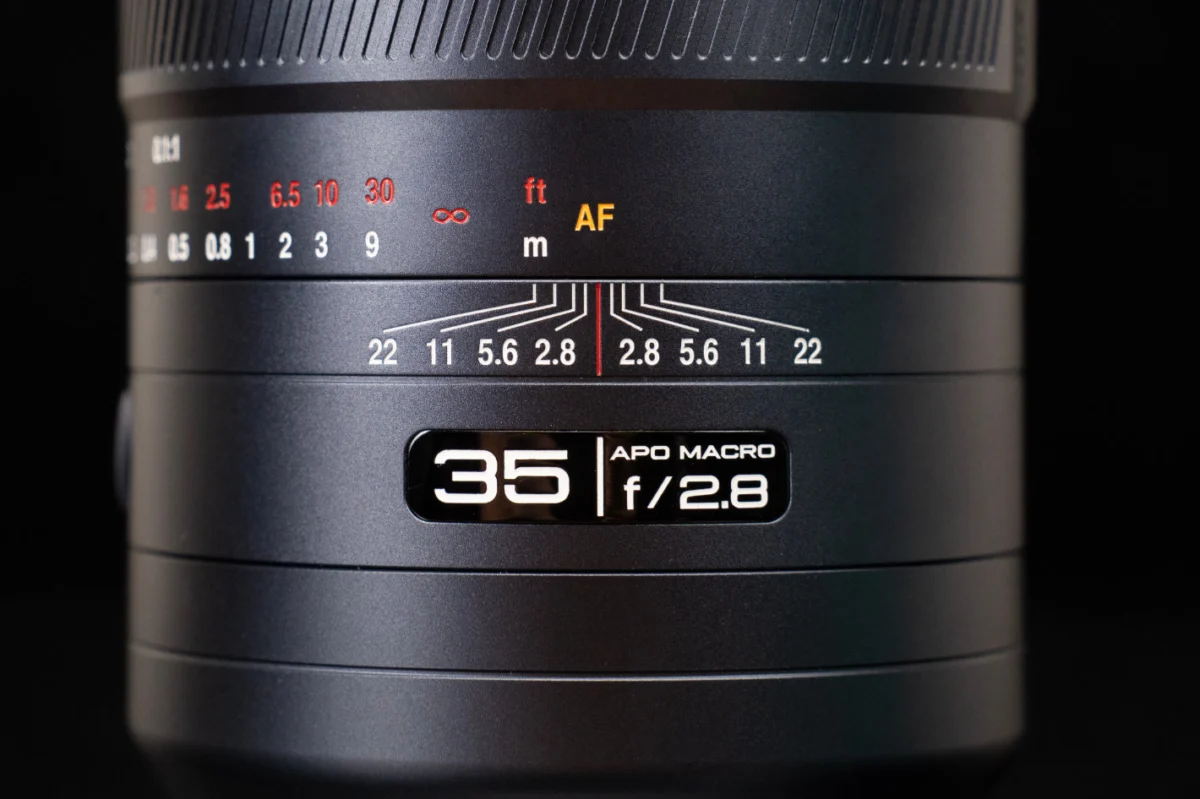
In a move that challenges conventional wisdom in close-up photography, Venus Optics has officially announced the Laowa ACRIS 35mm f/2.8 1X AF Macro APO. Priced accessibly at $449 USD, this ground-breaking lens claims the title of the world’s first full-frame autofocus 35mm lens featuring true 1:1 life-size magnification.
Traditionally, macro photography has relied on focal lengths of 90mm, 100mm, or longer to isolate subjects from distracting backgrounds. While effective for clinical isolation, this long-reach approach often discards the surrounding habitat. Wide-angle macro lenses have historically been restricted to 0.5X magnification (half life-size) or required manual focus, demanding immense patience and technical compromise.
The Laowa ACRIS 35mm f/2.8 shatters these limitations. By combining true 1:1 reproduction capability with a moderate wide-angle 35mm focal length, an advanced Apochromatic (APO) optical formula, autofocus capabilities, and a weather-sealed all-metal housing, the ACRIS aims to bridge the gap between environmental storytelling and micro-detail precision.
The lens is available immediately through the official Venus Optics website and authorized global retailers. It is offered in autofocus configurations for Sony E, Canon EF, and Nikon Z mounts, alongside manual-focus variants for Canon RF and L-mount systems.
Chronology: The Evolution of Wide-Angle Macro Photography
To understand the significance of the Laowa ACRIS 35mm, it is essential to trace the historical trajectory of wide-angle macro techniques—a niche discipline that has long awaited a tool of this caliber.
The Pioneers and the Paradigm Shift
For decades, macro photography was synonymous with telephoto lenses. Insects, flowers, and small reptiles were shot from a distance, compressed against blurred, nondescript backgrounds. However, pioneering nature photographers such as Paul Harcourt Davies and Clay Bolt began challenging this orthodoxy. They championed a style that brought the camera mere centimeters away from the subject while retaining a broad, contextual background.
In their seminal eBook, Wide-Angle Macro – The Essential Guide, Davies and Bolt outlined how placing a subject in its natural habitat dramatically elevated the narrative power of close-up images. Viewers were no longer just looking at an insect; they were seeing the insect’s world.
Laowa’s Legacy of Innovation
Venus Optics (Laowa) has long been a disruptor in the optical industry, carving out a reputation for engineering "impossible" lenses. Over the past decade, the company has built a portfolio of nearly 20 specialized macro lenses.
- The Laowa 15mm f/4 Wide Angle Macro: Crowned the world’s widest 1:1 macro lens upon release, it offered an ultra-wide perspective, though its extreme barrel distortion and manual-only operation limited its mainstream appeal.
- The Laowa 15mm f/4.5 0.5X Shift Macro: Designed primarily for architecture and landscapes, it offered limited close-up utility.
- The Laowa 55mm f/2.8 Tilt-Shift 1X Macro: Provided macro capabilities with plane-of-focus control, yet remained firmly in the standard-to-short-telephoto category.
Despite these engineering triumphs, a critical gap remained in the market: a true 1:1 life-size macro lens at a standard wide-to-normal 35mm focal length, equipped with modern autofocus. With the arrival of the ACRIS 35mm, that evolutionary gap has finally been filled.
Supporting Data: Optical Architecture and Technical Specifications
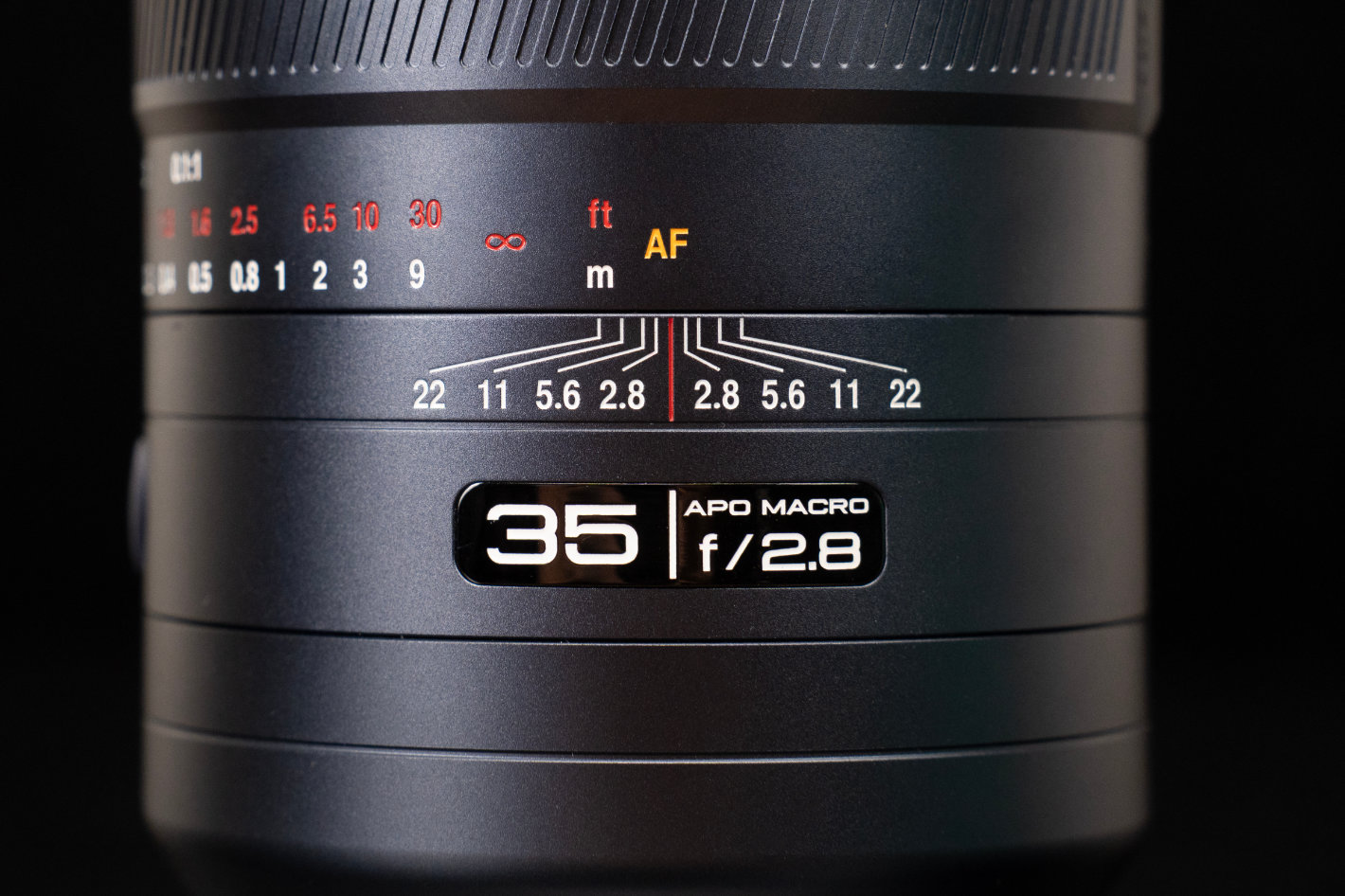
At $449, the Laowa ACRIS 35mm f/2.8 packs a remarkable array of optical and mechanical engineering achievements into its compact frame.
Optical Design and Aberration Control
At the core of the lens is an advanced optical construction consisting of 13 elements arranged in 10 groups. Laowa has engineered the lens to maintain exceptional edge-to-edge sharpness and high contrast across the entire focusing range, from infinity down to the 1:1 minimum focusing distance. Standard wide-angle lenses frequently suffer from field curvature and soft corners when pushed to extreme close-up ratios; the ACRIS is designed to mitigate these optical compromises.
Furthermore, the lens incorporates Laowa’s signature Apochromatic (APO) design. Longitudinal and lateral chromatic aberrations (CA)—often seen as purple or green fringing around high-contrast edges—are virtually eliminated in both in-focus and out-of-focus regions. By forcing critical wavelengths of light to converge on the exact same focal plane, the lens produces crisp, high-contrast imagery with authentic color reproduction straight out of the camera, minimizing the need for heavy digital correction in post-production.
Dual-Mode Focusing System
Recognizing the unique demands of transitioning from street photography to macro scales, Laowa has equipped the ACRIS 35mm with a versatile dual-mode focusing mechanism:
- Standard Autofocus (Infinity to 0.5m): Delivers fast, responsive, and accurate subject acquisition optimized for everyday shooting, documentary work, street photography, and environmental portraits.
- Macro Focus Assistance (0.5m to 1:1): When focusing closer than 0.5 meters, a dedicated macro assistance mechanism engages, providing tactile micro-step manual precision. This system is engineered to integrate seamlessly into focus-bracketing and focus-stacking workflows, making both handheld and tripod-based stacking straightforward and reliable.
Aperture and Bokeh Characteristics
The bright f/2.8 maximum aperture serves a dual purpose:
- Subject Isolation: Despite the wider field of view, the f/2.8 aperture combined with a 1:1 reproduction ratio allows photographers to pop intricate details off the canvas by melting busy environmental textures into a smooth, creamy backdrop.
- Low-Light Flexibility: Essential for shooting under dense forest canopies, in shaded undergrowth, or inside dimly lit controlled environments, the fast aperture keeps ISO levels manageable and shutter speeds viable.
- Aesthetic Bokeh: Out-of-focus highlights are rendered with gentle, rounded edges and smooth transitions, imparting a cinematic depth that complements the environmental context.
Build Quality and Physical Dimensions
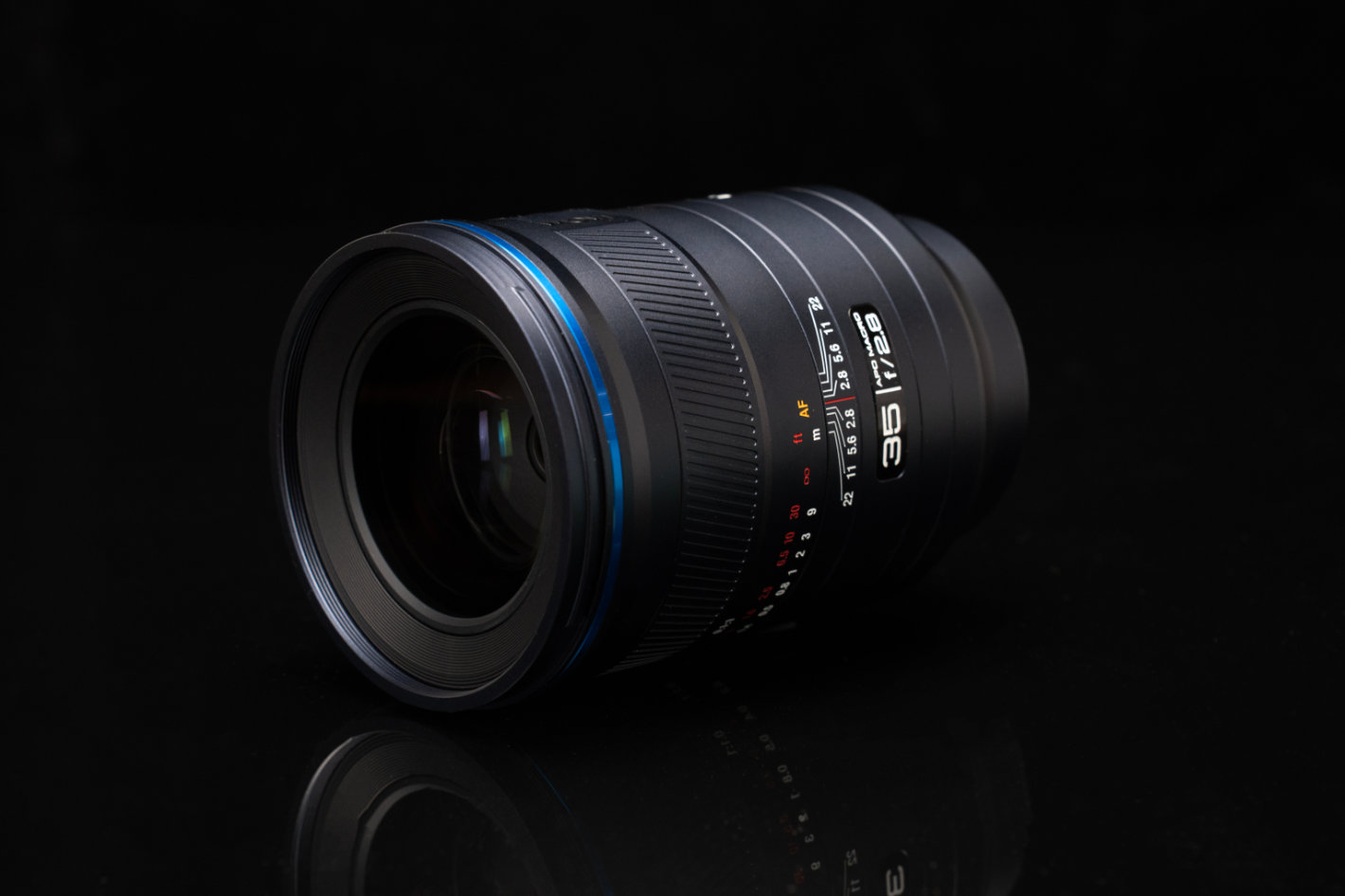
Built to withstand the rigors of field work, the ACRIS 35mm features a durable, all-metal housing complemented by weather-sealed construction to ward off dust and moisture.
Its internal focusing design ensures the physical length of the lens never changes during operation. This is a critical feature in macro photography, as a telescoping lens barrel can inadvertently bump into delicate flower petals, disturb live insects, or compromise delicate lighting setups. Additionally, the lens features a dedicated Focus Assist Button for seamless mode switching, and accommodates standard front filters (Ø72mm for AF variants / Ø67mm for MF variants), making the attachment of polarizers and neutral density (ND) filters effortless.
Official Responses and Market Positioning
Venus Optics has positioned the ACRIS 35mm not merely as a specialty tool for entomologists and botanists, but as a versatile creative instrument for a broad spectrum of visual artists.
In official statements accompanying the launch, company representatives emphasized that the ACRIS name represents a commitment to absolute precision where "every micron counts." By listening closely to the frustrations voiced by macro field photographers—who historically had to choose between the narrow storytelling of telephoto macro lenses or the optical distortions of ultra-wide adapters—Venus Optics identified an underserved market segment.
Early industry feedback from beta testers and specialized macro photographers has highlighted the lens’s unique value proposition. Reviewers have noted that the 35mm focal length alters the psychology of close-up photography. Instead of isolating an insect against a blown-out, abstract wash of color, photographers are forced to compose the background deliberately, making the environment an active character in the frame.
Priced at $449, Venus Optics has aggressively undercut competing specialized glass, ensuring that advanced macro tools are accessible to hobbyists, enthusiasts, and budget-conscious professionals alike.
Implications: How the ACRIS 35mm Changes the Game for Creators
The launch of the Laowa ACRIS 35mm f/2.8 1X AF Macro APO carries significant implications for several photographic disciplines:
1. The Revival of Environmental Macro
For years, the macro market was saturated with 90mm to 105mm lenses. While these remain indispensable for shy subjects, they foster a formulaic approach to close-up imagery. The ACRIS forces a creative renaissance in environmental macro. Wildlife and nature photographers can now document an insect foraging on a rare alpine flower while clearly displaying the mountain vista or forest floor behind it, adding layers of narrative depth previously attainable only through complex, distortion-prone wide-angle adapters.
2. Streamlining Focus Stacking
Macro photography at 1:1 magnification suffers from an inherently razor-thin depth of field—often measuring a fraction of a millimeter. Achieving acceptable sharpness across an entire subject requires focus stacking. The inclusion of an optimized macro focus assistance system, coupled with reliable autofocus for general framing, dramatically lowers the technical barrier to entry for focus bracketing. Photographers can now work more fluidly in the field, capturing sharp, high-depth-of-field images with greater speed and fewer mechanical hurdles.
3. Expanding the Toolkit for Street and Documentary Photographers
Because a 35mm lens is a staple focal length for street photography, photojournalism, and environmental portraiture, the ACRIS doubles as a highly capable walk-around lens. A street photographer can capture a candid environmental portrait of a subject and instantly drop down to a 1:1 macro shot of an object in the immediate foreground, all without changing lenses. This dual functionality makes the ACRIS an invaluable travel companion, reducing weight and equipment footprint in the field.
Conclusion
With the ACRIS 35mm f/2.8, Venus Optics has once again proved its capacity for disruptive optical engineering. By bridging the gap between wide-angle perspective, true 1:1 macro magnification, apochromatic color correction, and modern autofocus at an accessible $449 price point, the company has delivered a lens that expands the creative horizons of close-up photography. Whether you are a seasoned nature photographer looking to contextualize your subjects or an adventurous creative seeking a fresh perspective on the micro-world, the Laowa ACRIS 35mm stands ready to redefine what is possible through the viewfinder.
