Blending Reality and the Digital Abyss: How A24’s Backrooms Brought a Viral Phenomenon to the Big Screen
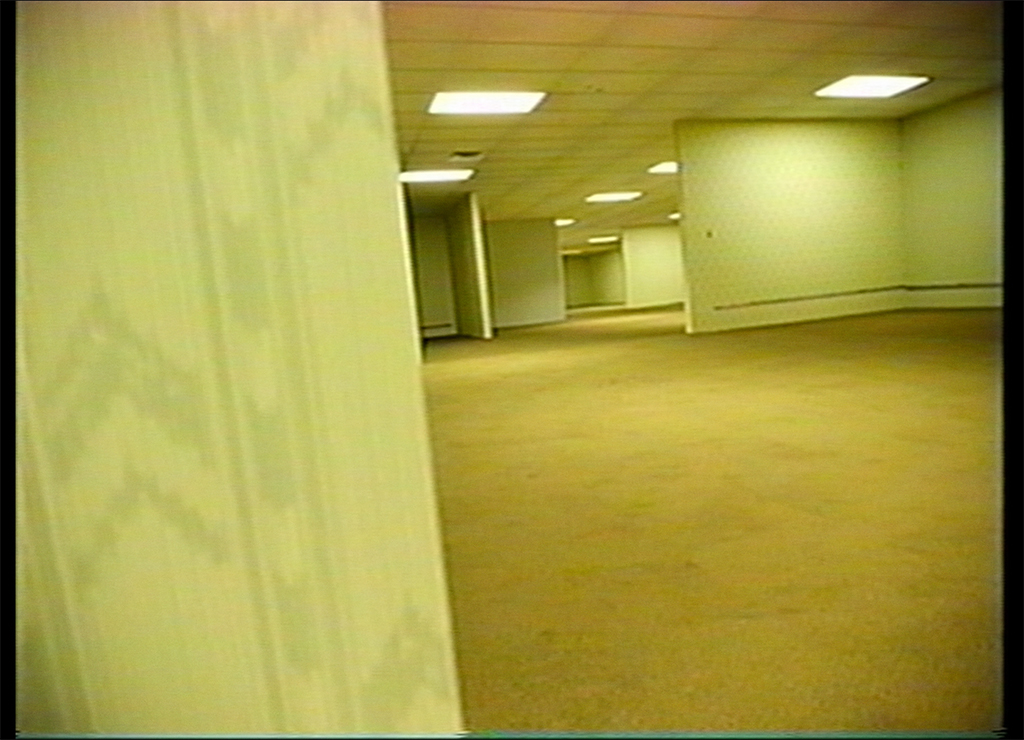
What began as a haunting, low-resolution photograph of a vacant, yellow-carpeted room in a Wisconsin furniture store has officially blossomed into one of the most unexpected box-office triumphs of 2026. A24’s psychological horror feature Backrooms—directed by Kane Parsons in his feature-film debut—expands his wildly popular, viral YouTube web series into a cinematic nightmare.
The narrative follows Clark (portrayed by Chiwetel Ejiofor), a financially struggling furniture store owner who accidentally slips through a bizarre, physics-defying portal hidden beneath his showroom floor. He finds himself trapped in an endless, labyrinthine maze of mono-colored rooms and humming corridors. Simultaneously, his therapist, Mary (Renate Reinsve), embarks on a desperate crusade to locate him, plunging headfirst into the same surreal abyss.
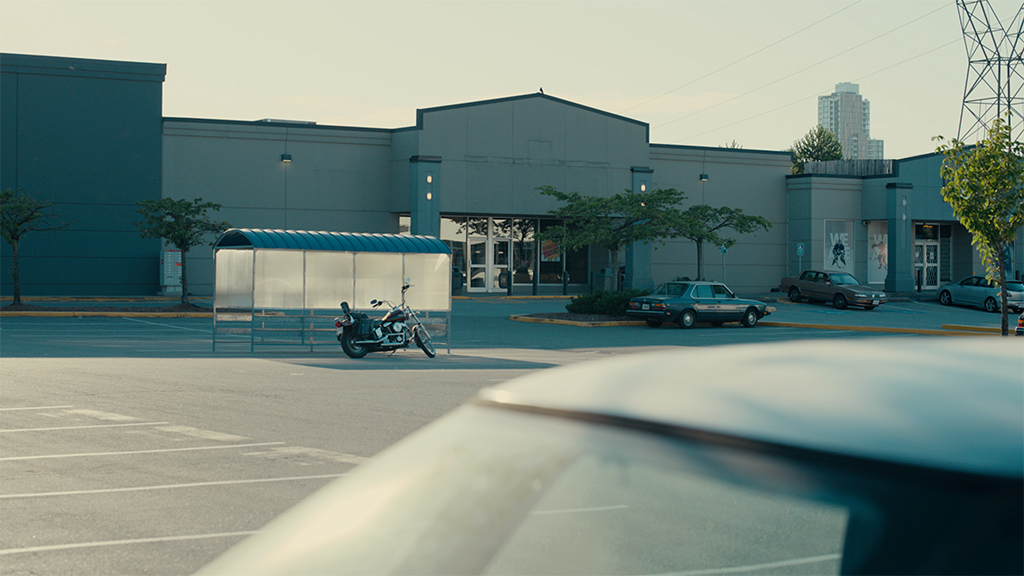
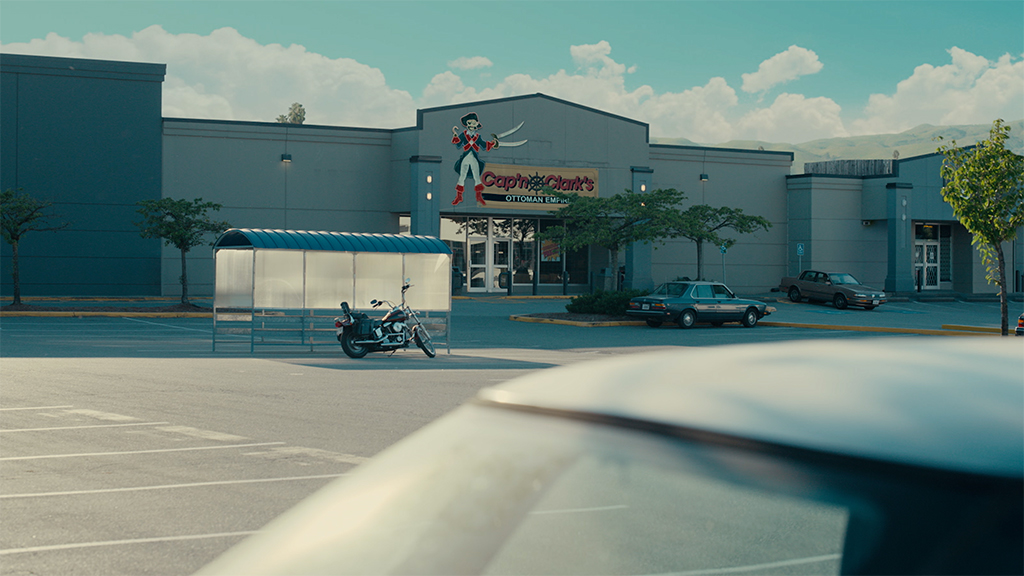
Behind the film’s eerie aesthetic is a massive, intricate marriage of physical craftsmanship and advanced computer-generated imagery. Featuring a $10 million budget, the production managed to deliver a staggering 600 visual effects shots across a total 830-shot count—an immense workload for an independent feature. Through a collaborative ecosystem spanning 11 external vendors and an in-house crew, the production blurred the lines between digital wizardry and old-school practical filmmaking to build an uncanny, dreamcore reality.
Chronology: From 16-Year-Old’s Blender Project to a Cinematic Masterpiece
The genesis of Backrooms dates back several years to when director Kane Parsons was just 16 years old, constructing digital corridors in the 3D modeling software Blender. Long before Hollywood took notice, Parsons’ atmospheric digital shorts captivated millions online. When A24 greenlit the feature adaptation, those very same digital assets were pulled directly into the professional production pipeline.
Pre-Production and Practical World-Building
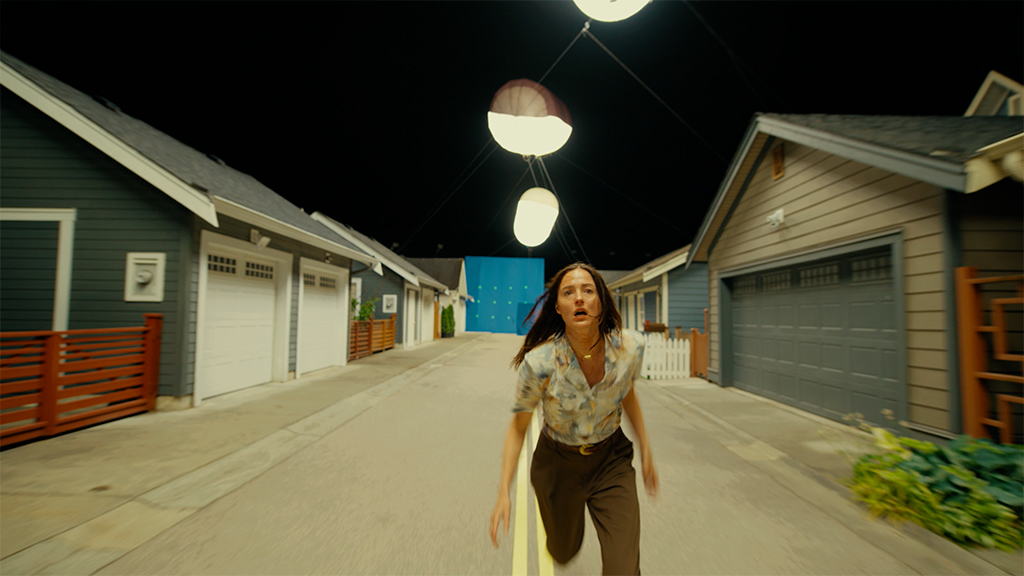
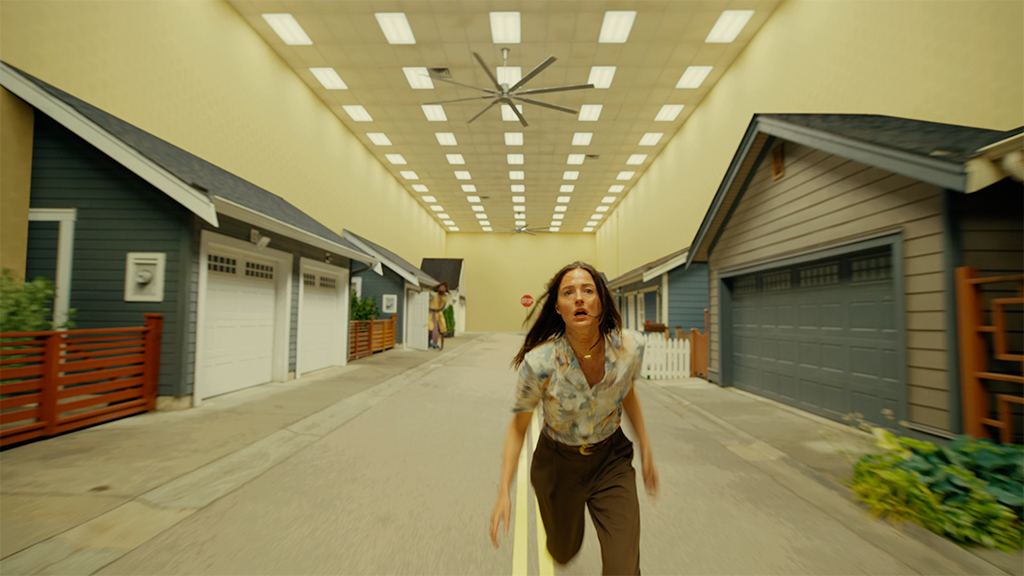
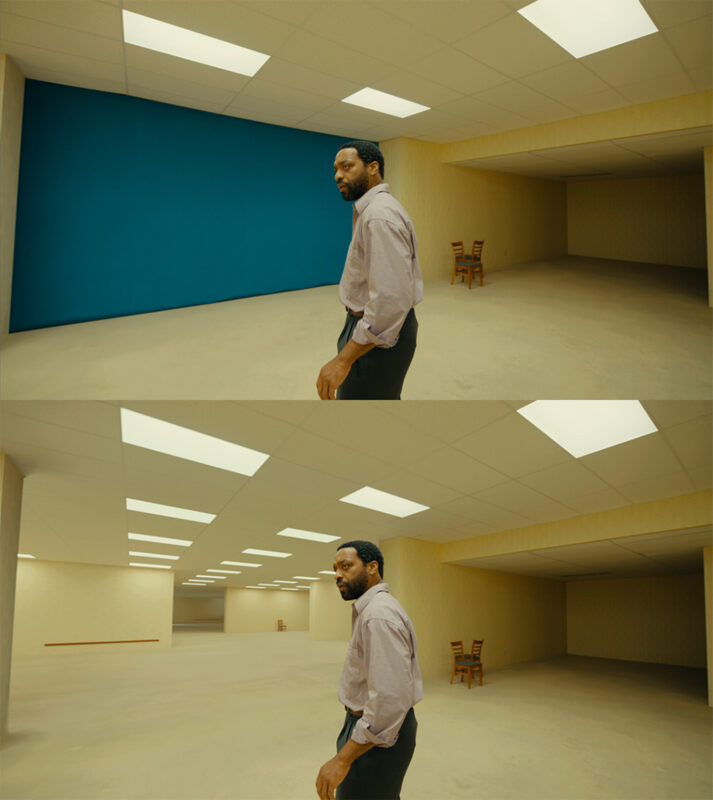
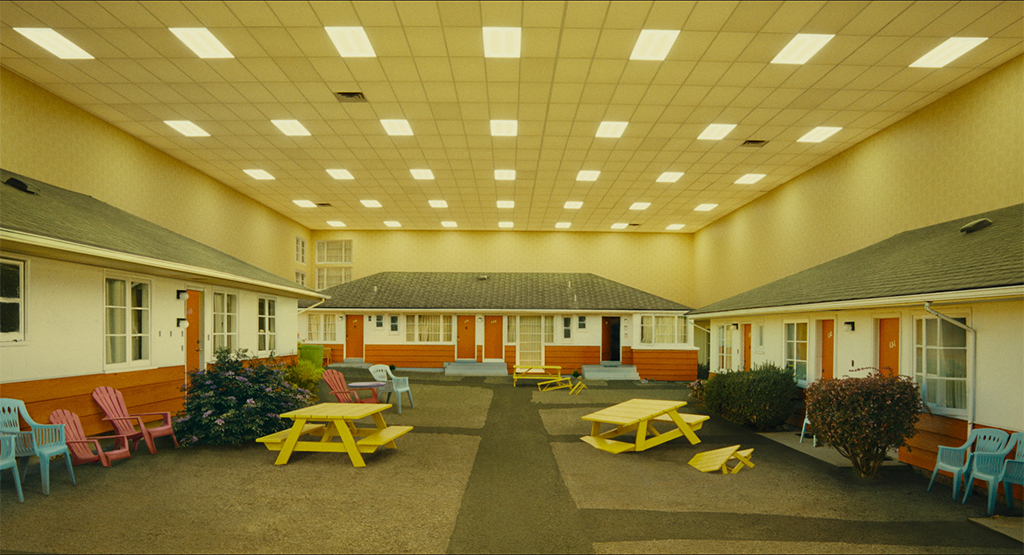
Despite his deep roots in the digital space, Parsons was fiercely committed to creating a tangible environment for his actors. Rather than relying entirely on green screens, the production constructed roughly 30,000 square feet of physical sets across four sound stages, while Parsons mapped out an additional 100,000 square feet digitally.
According to Visual Effects Supervisor Edward Douglas, Parsons’ background in Blender actually fostered a profound respect for practical filmmaking. "He was not the kind of director who said, ‘I come from a VFX world and therefore everything’s CG,’" Douglas recalls. Instead, the team treated visual effects not as a replacement for reality, but as a problem-solving tool used to execute gags and environments impossible to capture in-camera.
Production and Set Execution
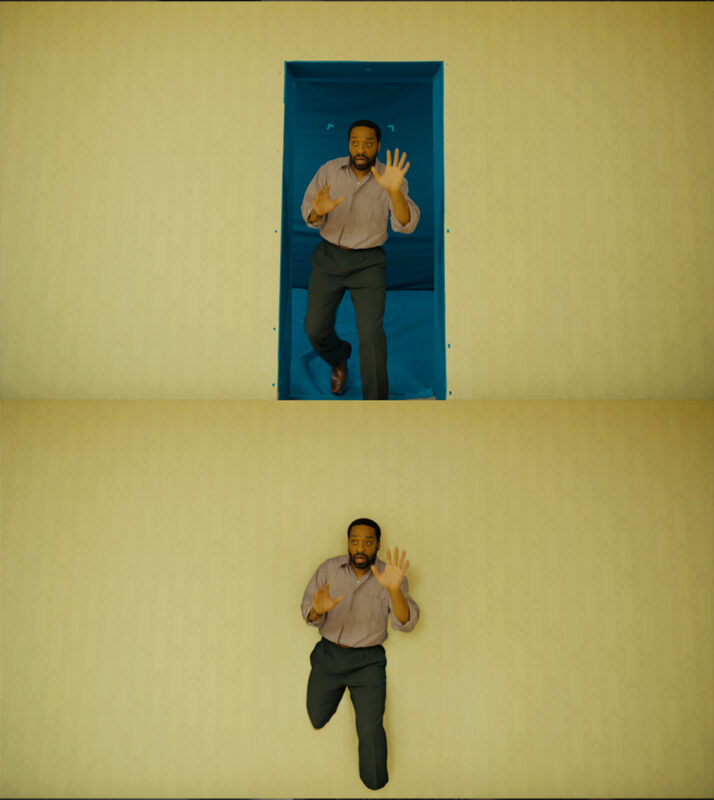
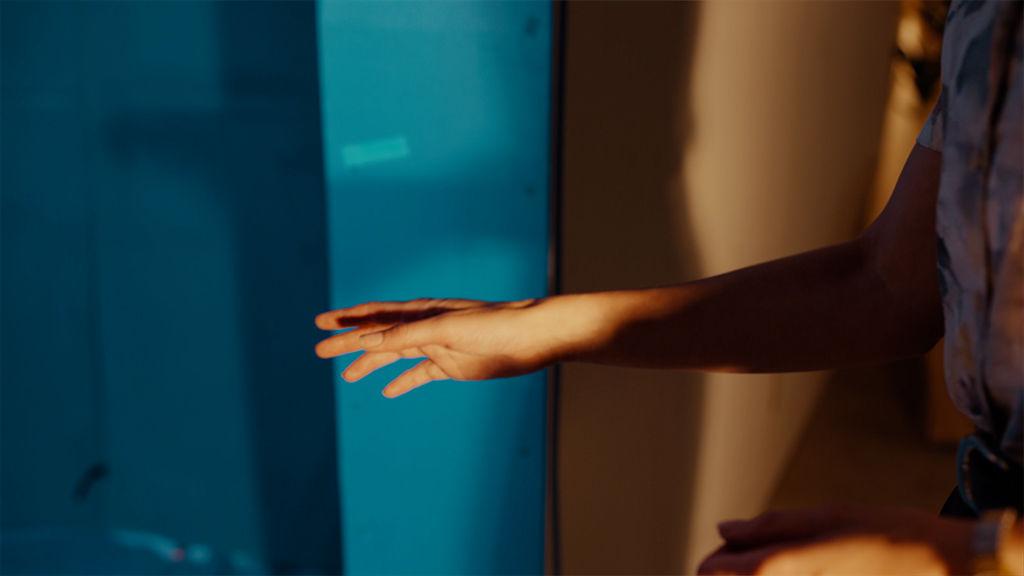
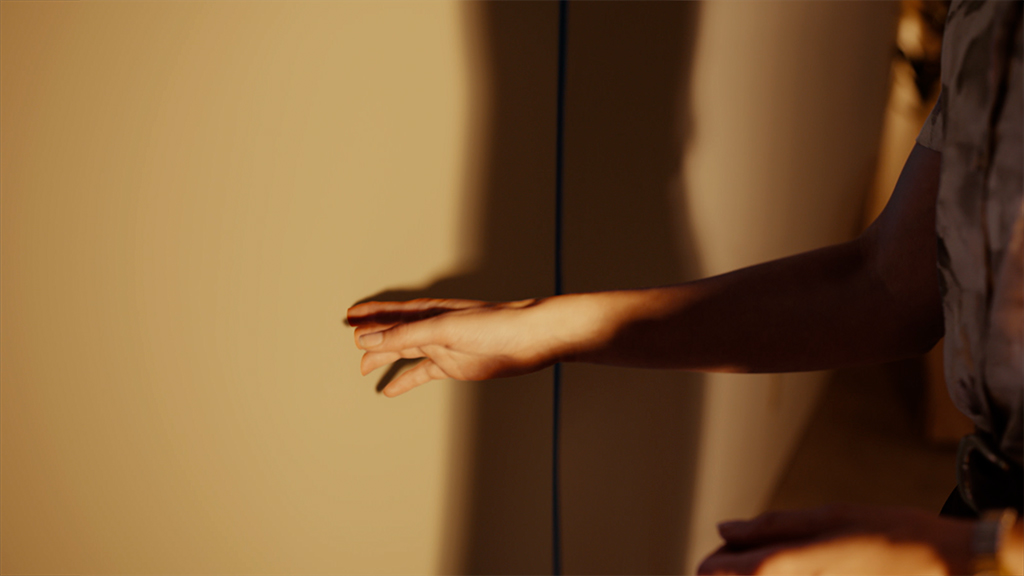
Principal photography required a meticulous dance between physical sets and digital extensions. To achieve the iconic "clipping" effect—where characters phase in and out of the Backrooms’ boundaries—actors physically walked through specially designed openings in the physical sets. Post-production artists then digitally restored the walls around them.
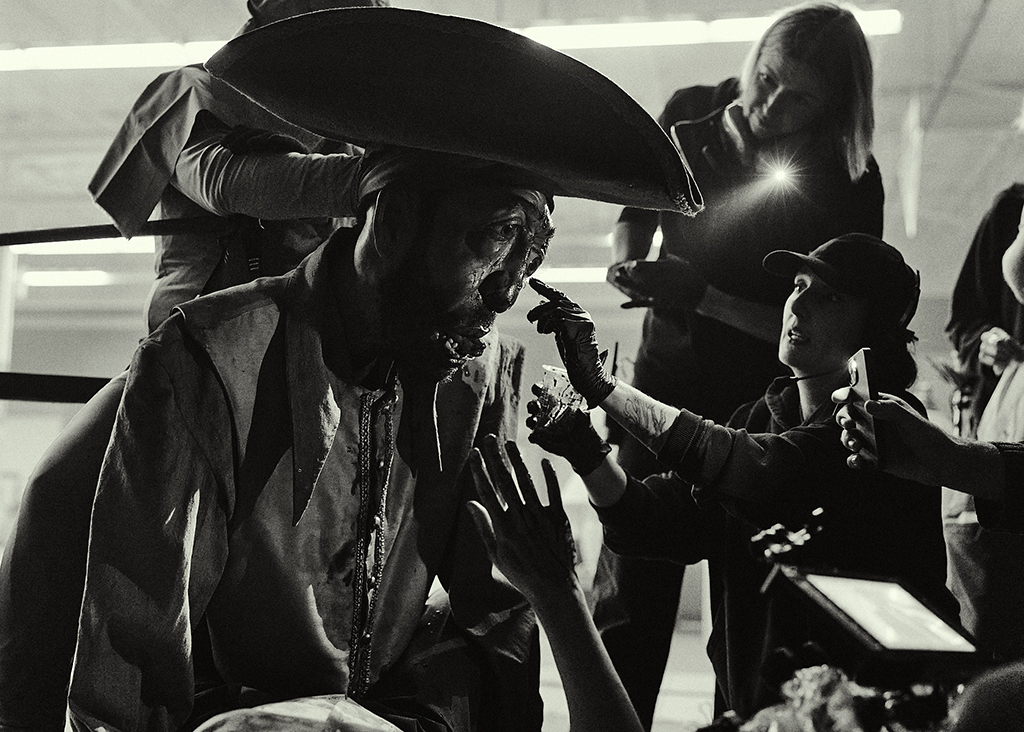
For creature features, the production leaned heavily on practical prosthetic makeup supervised by Werner Pretorius (Snowpiercer) and his team at Amazing Ape. Characters like the "Still Lifes"—distorted, eerie human-like entities—relied heavily on physical prosthetics. For instance, the redheaded Still Life required actress Rhiannon Roberts to endure three days of standing in high heels within a complex, face-distorting prosthetic mask.
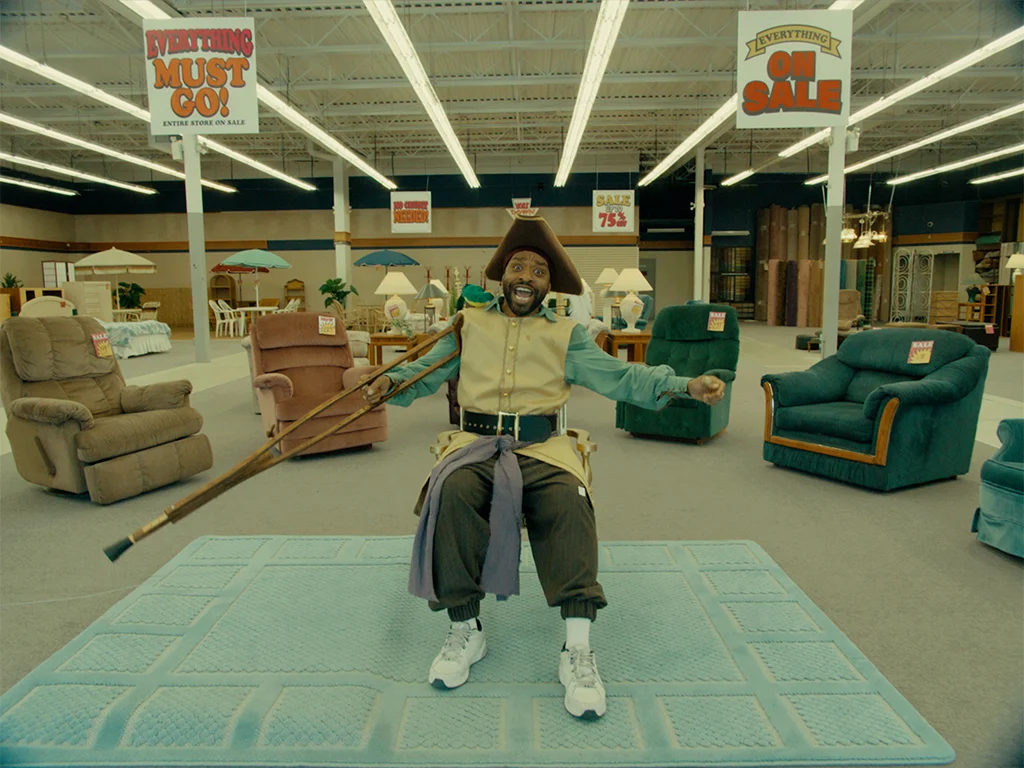
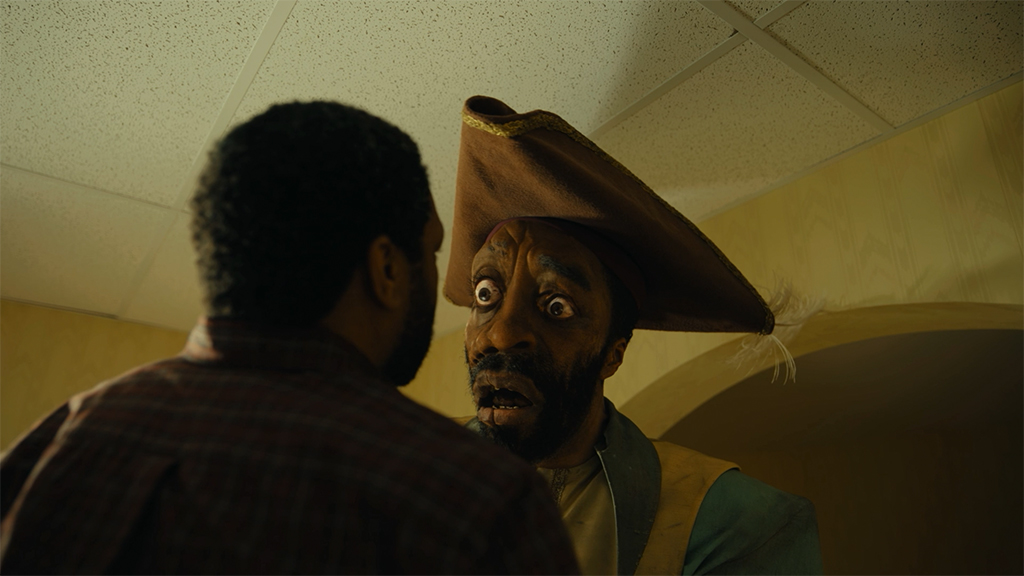
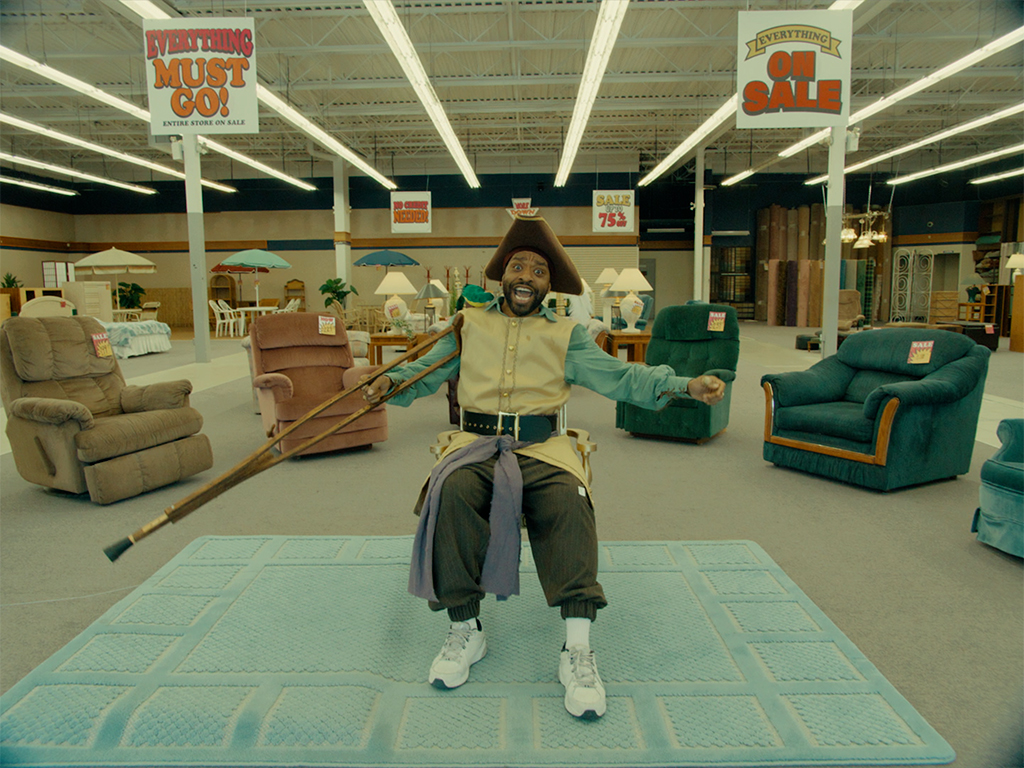
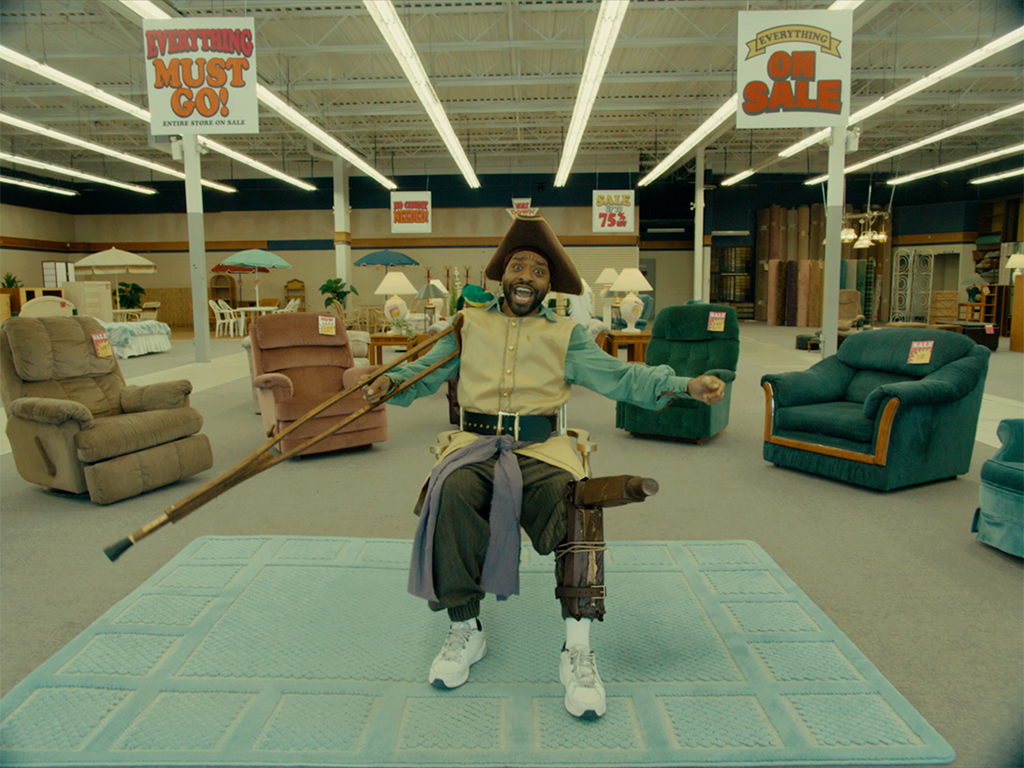
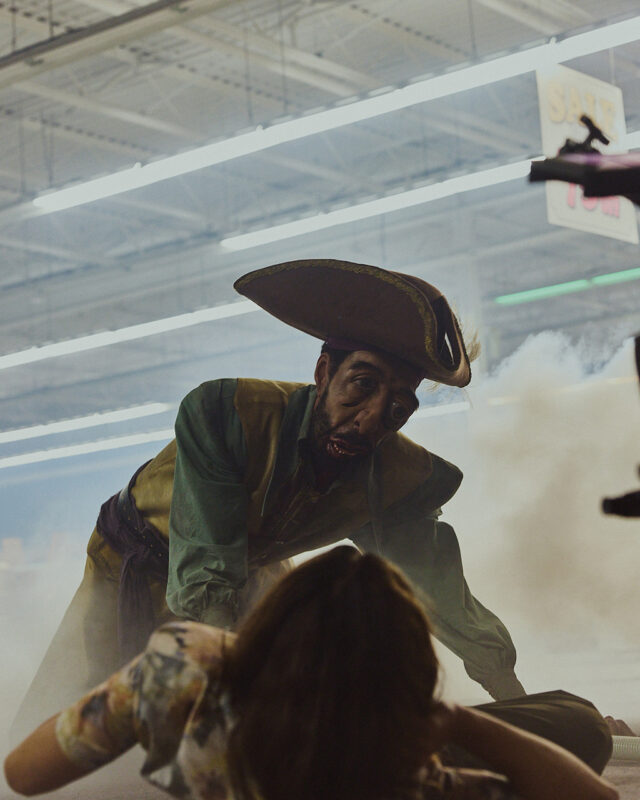
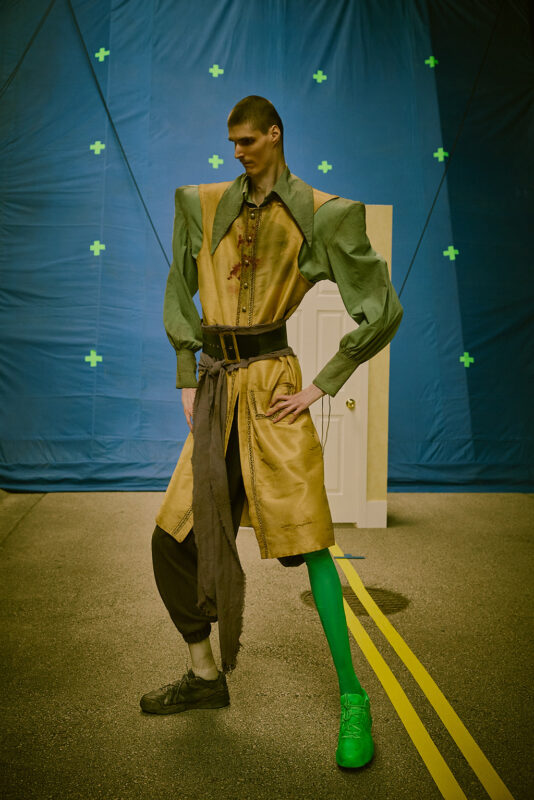
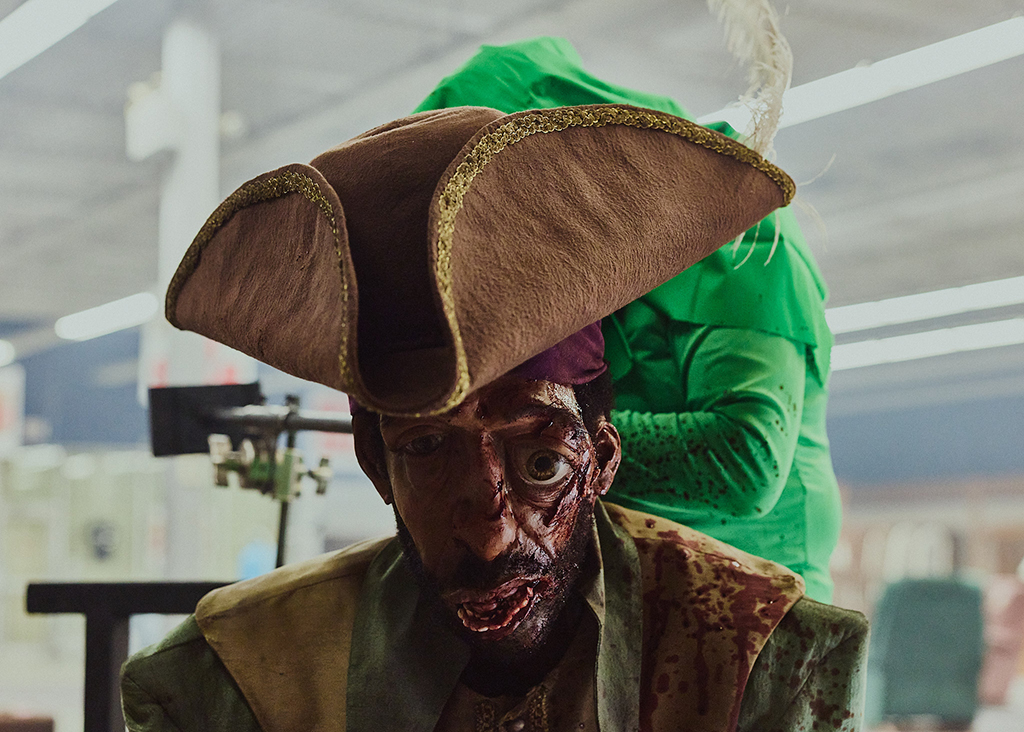
Meanwhile, the introduction of "Pirate Clark," an 8.5-foot-tall distorted duplicate of Ejiofor’s character, required a hybrid approach. After discarding initial ideas of utilizing performers on stilts, the production cast towering actor Robert Bobroczkyi—known for Alien: Romulus—alongside puppeteer Richard Darwin to drive the physical performance on set.
Post-Production and Analog Integration
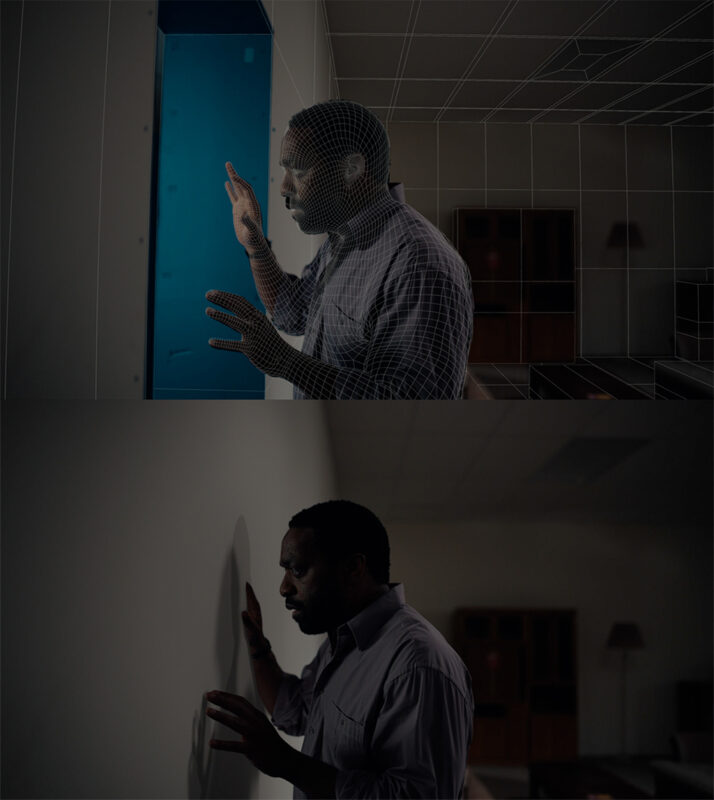
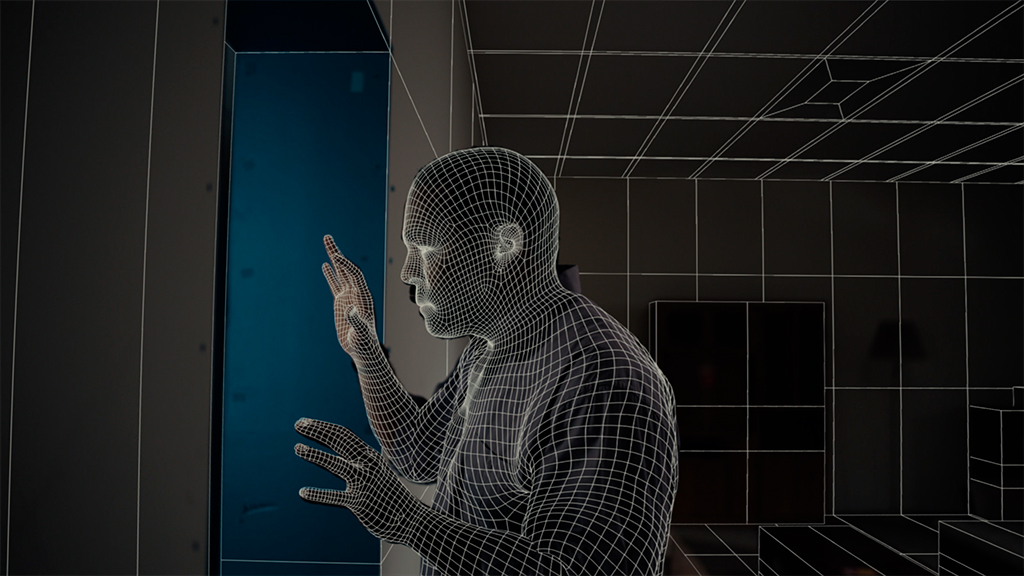
Post-production focused heavily on enhancing digital faces, refining shadow projections, and managing seamless vendor transitions. Zoic Studios utilized high-resolution body and facial scans of Chiwetel Ejiofor to craft CG facial overlays for Pirate Clark, ensuring the character conveyed deep fear and sadness rather than generic monster aggression.
True to the analog roots of the original web series, even the film’s VHS elements avoided digital shortcuts. Parsons utilized a physical distortion box—operating much like a guitar pedal—to inject raw analog interference directly into the cables running between computers and vintage tape machines during frame-rate and tracking conversions.
Supporting Data: The Scale of the Production
The sheer operational scale of Backrooms pushes the boundaries of conventional independent filmmaking:
Budget: $10 million (A24)
Total Film Runtime / VFX Shots: The film runs for roughly 1 hour and 18 minutes, containing 830 total shots, 600 of which involve visual effects.
Full CG Content: Roughly 10 minutes of the runtime consist entirely of computer-generated environments, including the movie’s opening found-footage segments.
Physical Set Footprint: Approximately 30,000 square feet of physical sets were built across four sound stages.
Digital Set Footprint: Roughly 100,000 square feet of digital environments were designed by Parsons and expanded by the VFX team.
Vendor Ecosystem: The production collaborated with an in-house team alongside 11 external VFX vendors, including:
Zoic Studios
Roxel Creative
Mr. Wolf VFX
CoSA VFX
Barnstorm Visual Effects
Stormborn VFX
Shapeshifter VFX
OscarFX
Rotomaker
Beyond Performance Capture Studios
Industrial Pixel 3D Studios
Official Responses and Behind-the-Scenes Insights
The creative synergy between first-time feature director Kane Parsons and veteran VFX Supervisor Edward Douglas defined the movie’s production philosophy. Douglas emphasized that the ultimate success of the film stemmed from eliminating the traditional barrier between physical and digital departments.
"I don’t think of visual effects as computer things. I think of visual effects as figuring out what tricks we need that we can’t film for real. My job as a supervisor is to make sure that whatever we can’t film for real ends up in the movie,"said Edward Douglas, Visual Effects Supervisor.
Douglas also detailed the immense technical hurdles required to make the digital "clipping" mechanic believable to audiences:
"Clipping was an incredibly simple concept but pretty challenging to pull off. You have two objects in a computer and you’re just sliding them together. There’s nowhere to hide… The hard part is the clipping, which is a mix of rotomation, intersection and then hand rotoscoping to get the details really refined. But the real trick there is the shadows. All the shadows you’re seeing on the walls are CG shadows projected from animation. What we found is the shadows and how those shadows appeared is what sold the effects."
The level of craftsmanship in the practical makeup was so high that it frequently deceived industry professionals. Douglas laughed while recounting how vendors reacted to the practical creature plates:
"When we sent the plates to the VFX vendor to work on the eyes, they looked at it and asked, ‘Do you have the originals without VFX on these?’ They thought the prosthetics were CG because Werner and the Makeup Effects team did such a good job."
Parsons himself remained intimately involved in the digital pipeline, frequently bypassing traditional note-passing channels to log in and tackle digital adjustments directly. Douglas noted that this hands-on approach ensured the final product stayed unequivocally tied to Parsons’ original teenage vision.
Implications for Independent Horror and Modern VFX Pipelines
The massive box-office success and technical triumph of Backrooms carry significant implications for the future of independent cinema and visual effects pipelines:
Democratization of Digital Aesthetics: By transitioning a viral YouTube creation into a multi-million-dollar A24 release without losing its indie soul, Backrooms proves that internet-born mythos and "creepypasta" culture possess viable, high-value commercial longevity in Hollywood.
The Resurgence of Hybrid Filmmaking: The film serves as a masterclass in hybrid production. By prioritizing large physical builds, practical prosthetic makeup, and analog VHS manipulation alongside high-end CGI, the production avoided the "plastic" look that frequently plagues modern heavy-VFX blockbusters.
Efficiency Through Director-Led Tech: Kane Parsons’ fluency in Blender allowed him to bridge the gap between amateur digital creation and professional pipeline requirements. This model highlights a shifting paradigm where next-generation filmmakers, fluent in accessible 3D software from a young age, can communicate more fluidly with major VFX houses, streamlining post-production workflows.
Redefining Indie Budgets: Delivering 600 complex VFX shots—including 10 minutes of full CG—on a modest $10 million budget redefines what independent studios can achieve, setting a new benchmark for psychological horror world-building in the modern era.