
The Ultimate Binge: Ranking 9 of the Most Entertaining and Fun Sci-Fi TV Shows of All Time
The science fiction genre has always been a vast, boundary-pushing frontier on television. From the earliest days of cathode-ray tube broadcasts to the modern era of high-budget streaming monoliths, sci-fi has tackled weighty philosophical dilemmas, explored the deep, cold stretches of outer space, and pondered the terrifying implications of artificial intelligence. Yet, amidst the dense, cerebral masterworks that demand academic dissection, there exists a distinct, highly treasured subcategory of science fiction: the shows that are simply, unadulteratedly fun.
These are the series that weaponize strange futures, bizarre alien cultures, cosmic travel, alternate timelines, and wild advanced technology to craft plots packed to the brim with humor, pulse-pounding adventure, idiosyncratic style, and unforgettable characters. They offer viewers an immersive playground—a place to escape the mundane realities of everyday life without getting bogged down in overly convoluted exposition.
Below is an exhaustive exploration and ranking of nine of the most thoroughly entertaining sci-fi television shows ever produced, tracing their impact, chronological development, and the unique brand of joy they bring to the small screen.
9. ‘Misfits’ (2009–2013)
Superpowers Meet British Working-Class Chaos
Release Window: October 12, 2009 – December 11, 2013
Network: E4 (UK)
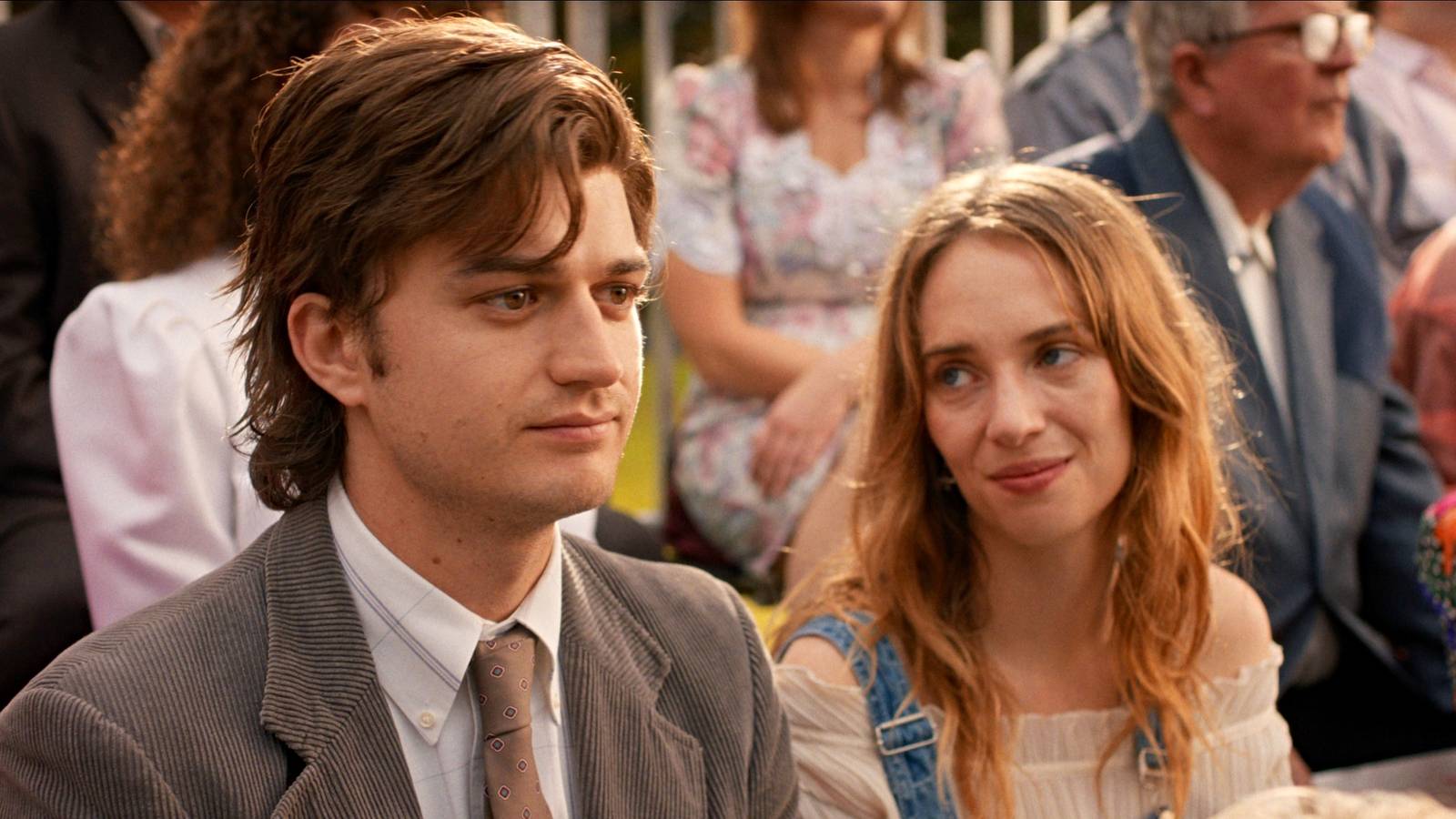
Opening our list is an underrated British gem that takes the tired, overly earnest superhero genre, flips it upside down, shakes it violently, and covers it in mud and sarcasm. Misfits follows a ragtag group of community service-serving delinquents who are struck by a bizarre, freak lightning storm. Instead of transforming into noble, spandex-clad saviors of humanity, they are immediately endowed with strange and deeply inconvenient abilities that highlight their personal flaws.
The Chronology of Chaos
Throughout its multi-season run, Misfits relied on a revolving door of cast members, but its early years established a blueprint of reckless energy. The show’s brilliance stems from its characters’ utter unpreparedness for responsibility. When granted powers like time travel, immortality, or body-swapping, they react not with awe, but with annoyance and panic.

Implications and Appeal
While many American sci-fi series sanitize their superhuman narratives, Misfits leans heavily into a gritty, profane, and shockingly funny reality. It proves that sci-fi tropes don’t require massive budgets or grand, universe-saving stakes to be compelling; sometimes, watching deeply flawed teenagers accidentally create logistical nightmares with time-travel powers is all the entertainment a viewer needs.
8. ‘Futurama’ (1999–Present)
The Gold Standard of Animated Cosmic Satire
Premiere Date: March 28, 1999
Network: Fox / Comedy Central / Hulu
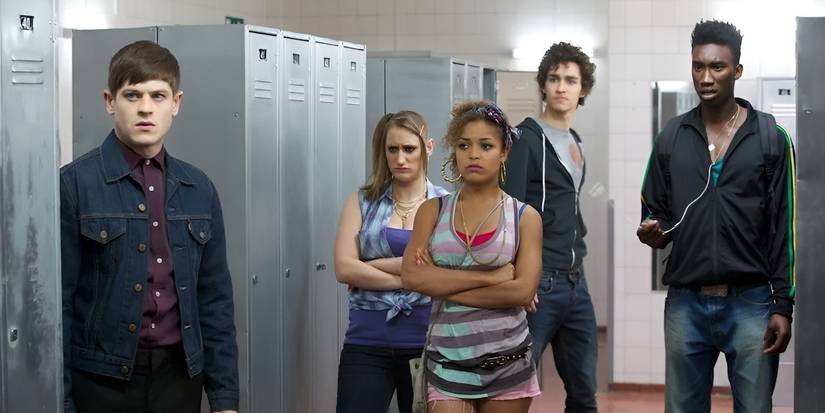
Created by Matt Groening and David X. Cohen, Futurama stands tall as one of the finest sci-fi series in television history because it utilizes the trappings of the genre with boundless playfulness. The series kicks off when a hapless pizza delivery boy, Philip J. Fry (Billy West), accidentally criesogenically freezes himself on New Year’s Eve 1999, waking up a millennium later in the year 3000. He soon joins the interplanetary delivery crew of Planet Express, rubbing shoulders with a cynical robot named Bender and a cyclops captain named Leela.
Supporting Data and Legacy
Futurama has achieved a rare feat in television: multiple cancellations followed by triumphant revivals. Its longevity on networks ranging from Fox to Comedy Central and now Hulu speaks to the timelessness of its humor.
Official Responses and Cultural Impact
Critics and scientists alike have frequently praised Futurama for its surprisingly accurate mathematical and scientific jokes—often written by writers holding advanced degrees in physics and computer science. Despite its cartoonish outer layer, the show famously delivers emotional gut-punches (such as the devastating episode "Jurassic Bark"), proving that high-concept sci-fi comedy can comfortably coexist with genuine, tear-jerking heart.
7. ‘Farscape’ (1999–2003)
Jim Henson’s Cosmic, Puppet-Filled Odyssey
Release Window: March 19, 1999 – March 21, 2003
Network: Sci-Fi Channel (now Syfy) / Nine Network (Australia)
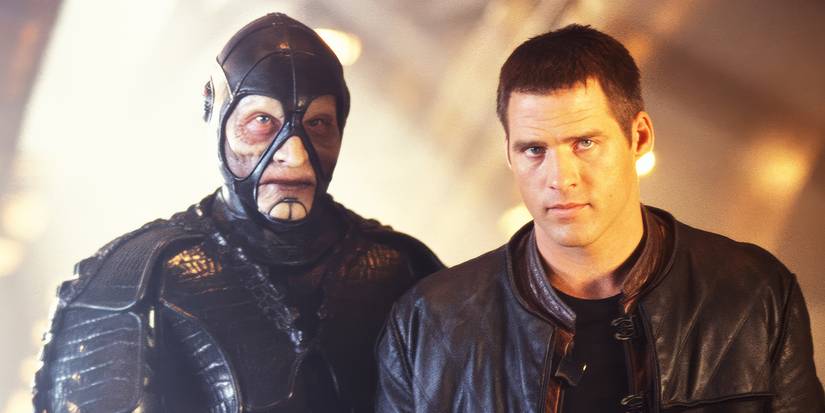
As the oldest live-action entry on this list, Farscape remains one of the most bizarre and visually inventive space operas ever committed to celluloid. Created by Rockne S. O’Bannon and featuring creature effects by the legendary Jim Henson’s Creature Shop, the series follows American astronaut John Crichton (Ben Browder). After an experimental space module propulsion test goes awry, Crichton is hurled through a wormhole into a distant, war-torn quadrant of the universe.
Chronology of an Underappreciated Cult Classic
Aboard Moya—a massive, living biomechanoid ship—Crichton finds himself allied with a crew of political fugitives and alien outcasts. Farscape defied standard late-90s sci-fi formulas by avoiding clean-cut, human-centric diplomacy. Instead, it embraced a chaotic, high-stakes atmosphere where the cultural misunderstandings between Crichton and his alien crewmates drove both the comedy and the drama.
Implications
Though it struggled with mainstream ratings during its initial run—ultimately facing cancellation before a fan-driven miniseries wrapped up its loose narrative threads—Farscape broke new ground. It demonstrated that television audiences could embrace complex, puppet-driven alien protagonists and serialized, deeply psychological space journeys without needing a conventional Starfleet guiding the way.
6. ‘Altered Carbon’ (2018–2020)
Cyberpunk Noir at its Neon-Lit Peak
Release Window: February 2, 2018 – February 27, 2020
Network: Netflix
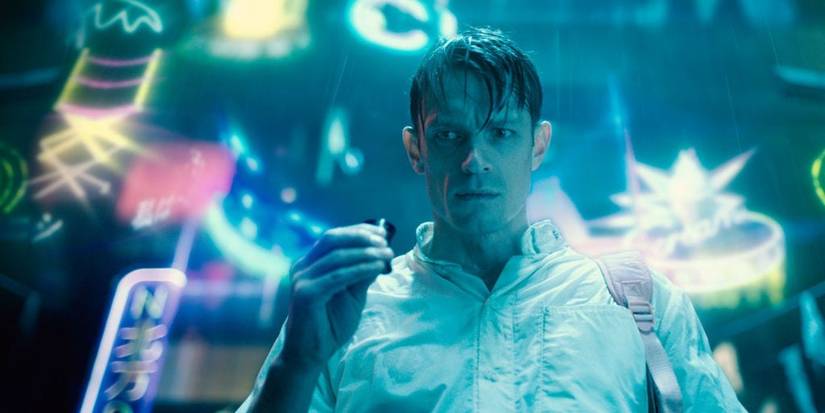
While Altered Carbon’s second season received mixed reviews from critics and fans following a shift in showrunners and cast, its blistering first season remains a masterclass in slick, high-concept cyberpunk storytelling. Set in a 24th-century future where human consciousness is digitized onto small storage disks called "stacks" and inserted into cloned bodies known as "sleeves," death is merely an inconvenience for the ultra-wealthy.
Chronology and Main Facts
The narrative centers on Takeshi Kovacs (initially played by Joel Kinnaman), a rebellious former soldier who is resurrected centuries after his original death. He is hired by Laurens Bancroft (James Purefoy), a ridiculously wealthy "Meth" (short for Methuselah, living forever), to solve Bancroft’s own apparent murder.
Supporting Data and Aesthetic Appeal
Altered Carbon leans heavily into hardboiled detective tropes wrapped tightly in cutting-edge sci-fi mechanics. Its blend of body-swapping existential dread, brutal martial arts choreography, sprawling neon aesthetics, and neo-noir narration made its debut season a thrilling, adrenaline-fueled binge that pushed the visual limits of streaming television.
5. ‘Stranger Things’ (2016–2025)
Nostalgia, Monsters, and Midwest Mysticism
Release Window: July 15, 2016 – 2025 (Final Season)
Network: Netflix
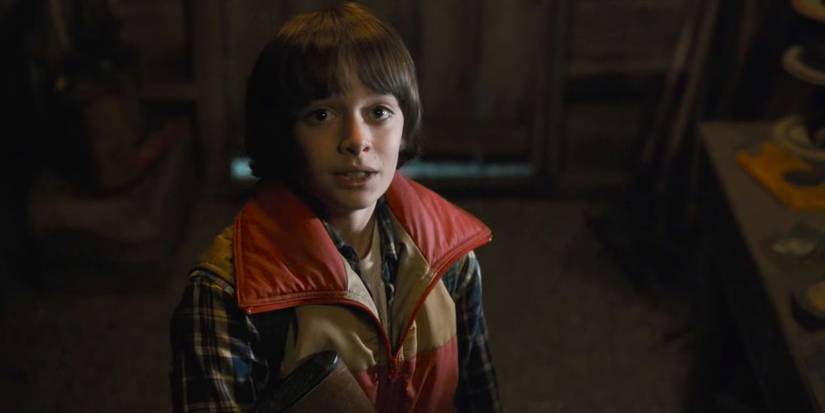
Created by the Duffer Brothers, Stranger Things quickly transcended its status as a nostalgic pastiche to become a bona fide global cultural phenomenon. Set in the fictional, unassuming town of Hawkins, Indiana, during the 1980s, the series kicks off with the mysterious disappearance of young Will Byers (Noah Schnapp) and the sudden appearance of a telekinetic, head-shaved girl known simply as Eleven.
Chronology of a Streaming Giant
Over its multi-season arc, Stranger Things evolved from an intimate, Amblin-esque small-town monster hunt into a massive, apocalyptic battle against the eldritch horrors of the Upside Down.
Implications
The true brilliance of Stranger Things lies in how it frames terrifying, skin-crawling sci-fi concepts—government conspiracies, interdimensional monsters, and psychic experiments—through the warm, comforting lens of childhood friendship and adolescent coming-of-age. By anchoring high-concept sci-fi to deeply relatable emotional stakes, the series cemented itself as one of the most rewatchable and universally beloved adventure shows of the 21st century.
4. ‘Resident Alien’ (2021–2025)
Alan Tudyk’s Masterclass in Extraterrestrial Comedy
Release Window: January 27, 2021 – 2025
Network: SYFY / USA Network
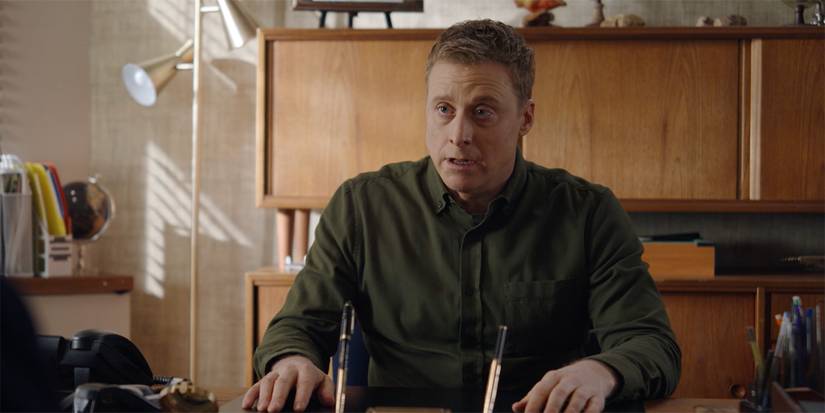
Taking the classic sci-fi trope of the covert alien invasion and flipping it entirely on its head, Resident Alien is a triumph of fish-out-of-water comedy. The series stars Alan Tudyk as an unnamed extraterrestrial scout whose mission is simple: wipe out humanity. However, after crashing his ship into a snowy mountain in Patience, Colorado, he is forced to assume the identity of a reclusive local physician, Dr. Harry Vanderspeigle.
Chronology and Narrative Mechanics
As Harry attempts to quietly piece together his ship’s cloaking device while hiding among the eccentric townspeople, he finds himself increasingly distracted—and oddly charmed—by human emotions, small-town politics, and medical murder mysteries.
Official Responses and Tone
Alan Tudyk’s physical comedy and deadpan voiceover narration elevate Resident Alien from a standard cable procedural into a cult-favorite comedy. By trading sweeping CGI space battles for small-town community dynamics and awkward social interactions, the show proves that sometimes the most entertaining sci-fi doesn’t need to leave the troposphere.
3. ‘Rick and Morty’ (2013–Present)
The Multiverse as an Existential Playground
Premiere Date: December 2, 2013
Network: Adult Swim
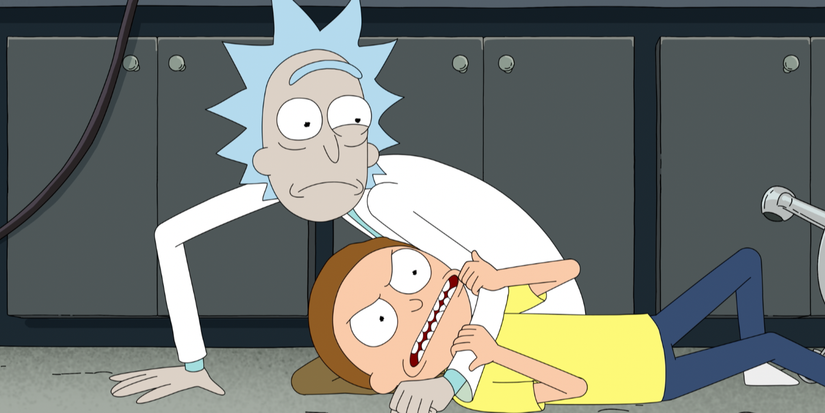
Co-created by Dan Harmon and Justin Roiland, Rick and Morty is an animated juggernaut that redefined adult science fiction for a new generation. The series follows Rick Sanchez, a cynical, nihilistic, pan-dimensional super-genius and raging alcoholic, alongside his chronically anxious, easily manipulated grandson, Morty, as they embark on dimension-hopping adventures across infinite realities.
Supporting Data and Chronology
Now well into its multi-season run with updated voice talent including Ian Cardoni and Harry Belden, Rick and Morty treats the multiverse as an endless joke machine coupled with moments of crushing existential dread.
Implications
Few shows have pushed sci-fi absurdity as far as Rick and Morty. Whether they are dealing with Cronenberg mutations, parallel timeline cable boxes, or intergalactic musical competitions, the series uses science fiction as a blank canvas to explore philosophy, family trauma, and cosmic insignificance—all while remaining laugh-out-loud funny.
2. ‘Firefly’ (2002–2003)
Joss Whedon’s Space Western Masterpiece
Release Window: September 20, 2002 – December 20, 2002
Network: Fox
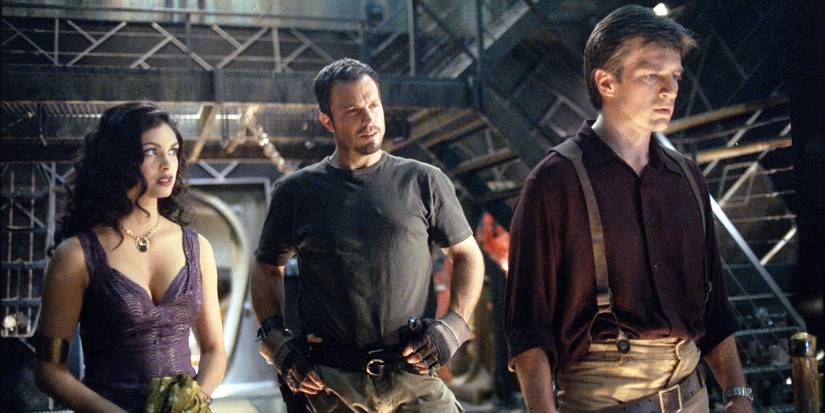
Though it suffered the tragic fate of airing out of order on Fox before being prematurely canceled after just one season, Firefly cast a long, luminous shadow over the entire science fiction landscape. Created by Joss Whedon, the series is set in a 26th-century future where humanity has colonized a new star system following the depletion of Earth-Can. It follows the ragtag, morally gray crew of Serenity—a Firefly-class transport ship captained by Malcolm "Mal" Reynolds (Nathan Fillion), a disillusioned veteran of a lost civil war.

Chronology and Cult Devotion
Firefly uniquely fused classic space opera elements with traditional Western tropes: instead of sleek laser pistols, characters carried revolvers; instead of gleaming warp cores, the ship required constant, duct-tape-and-prayer mechanical repairs.
Legacy and Implications
The fierce loyalty of the show’s fanbase—affectionately known as "Browncoats"—eventually forced Universal Pictures to fund a cinematic continuation, Serenity (2005). Firefly remains the ultimate example of a short-lived series whose instant chemistry, sharp banter, and found-family dynamics achieved legendary, untouchable status.
1. ‘Fallout’ (2024–Present)
Prime Video’s Post-Apocalyptic Masterpiece
Premiere Date: April 10, 2024
Network: Amazon Prime Video
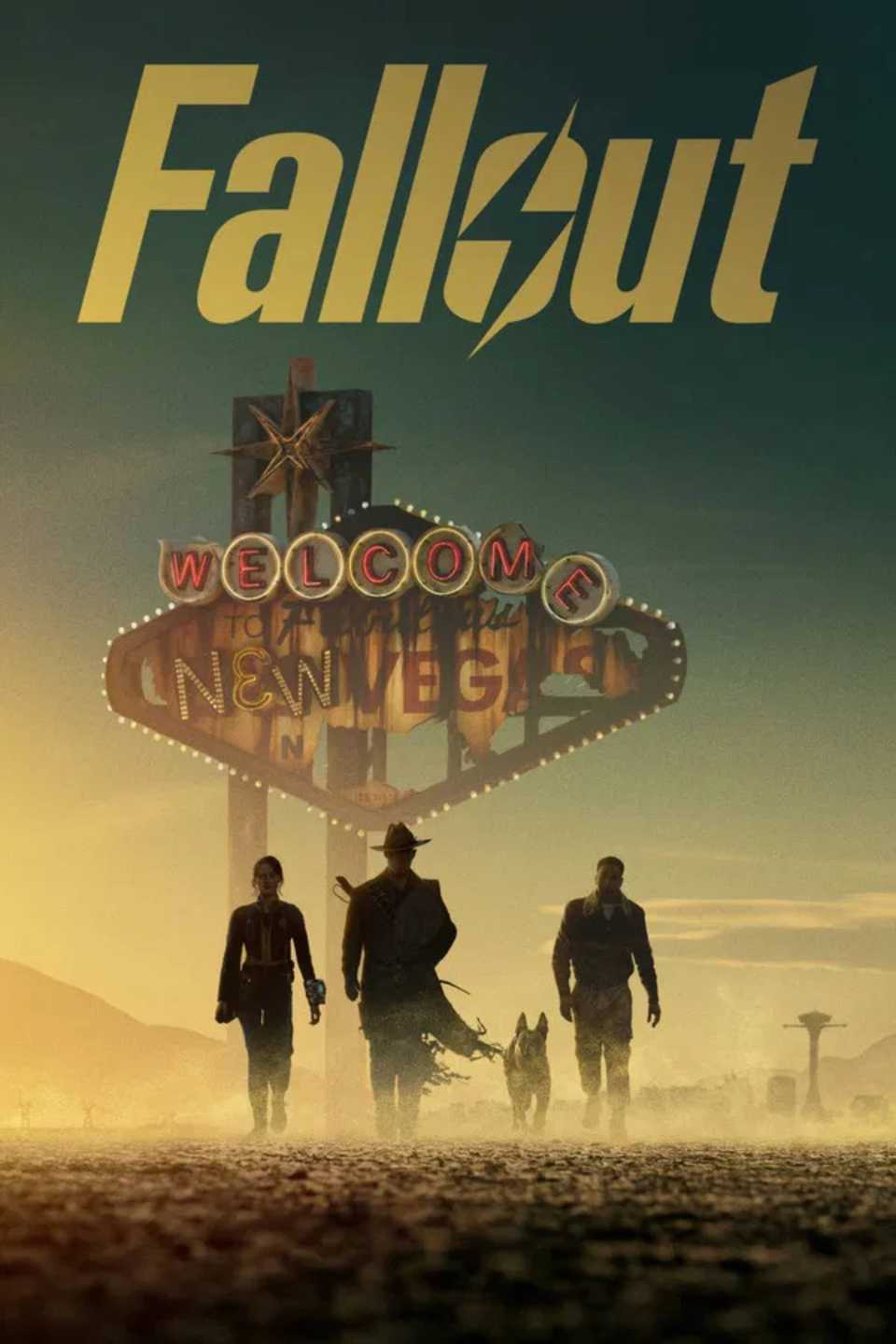
Taking the top spot on our list is the modern streaming phenomenon that proved video game adaptations can be both critically acclaimed and riotously entertaining. Developed by showrunners Lisa Joy and Jonathan Nolan, Fallout drops viewers into an alternate-history retro-futuristic Los Angeles, devastated by a nuclear exchange in the year 2077.
Chronology and Main Facts
The series focuses primarily on Lucy MacLean (Ella Purnell), an aggressively optimistic, sheltered young woman who has spent her entire life inside the sanitized safety of an underground fallout shelter (Vault 33). When outside forces shatter her idyllic existence, Lucy is forced to venture up to the surface—a lawless, mutated wasteland populated by cults, giant insects, monsters, and gunslinging ghouls.
Supporting Data, Official Responses, and Implications
Premiering to massive streaming numbers on Amazon Prime Video, Fallout struck gold by perfectly capturing the tone of Bethesda’s source material: a dizzying, satirical cocktail of 1950s Americana optimism mashed against ultra-violent, dark-humored post-apocalyptic chaos. With incredible practical creature effects, stellar performances (including Walton Goggins’ unforgettable turn as The Ghoul), and meticulous world-building, Fallout stands proudly as the most wildly entertaining sci-fi television experience of the modern era.
