
The Future of Mega-City One: Karl Urban Addresses the New Taika Waititi-Led ‘Judge Dredd’ Movie
By: Global Entertainment Desk
Published: October 2025
Main Facts: A New Era for Mega-City One
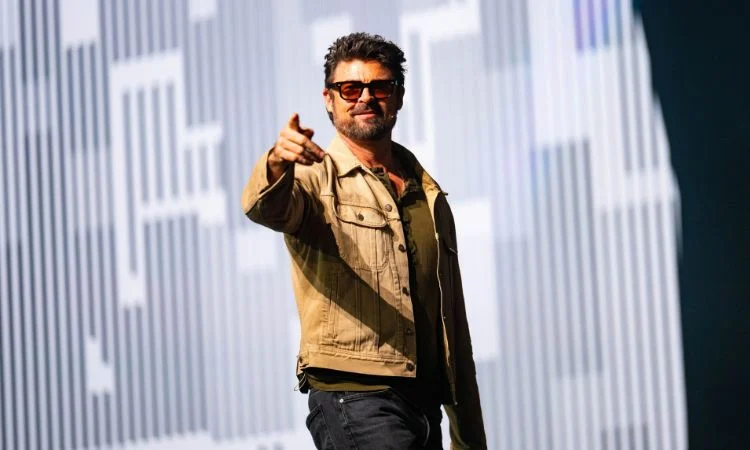
More than a decade after slipping behind the iconic helmet and perpetually scowling his way through the concrete corridors of Peach Trees, Karl Urban is offering his perspective on the future of the Judge Dredd franchise. Speaking at San Diego Comic-Con Málaga, the actor addressed the developing big-screen reboot helmed by filmmaker Taika Waititi. Despite commanding a fiercely loyal fanbase that has campaigned for years for his return, Urban made it clear that fans should temper their expectations regarding an immediate comeback.
The upcoming cinematic iteration of John Wagner and Carlos Ezquerra’s legendary 2000 AD anti-hero is currently in development under rights holder Rebellion alongside Vertigo Entertainment. While details remain heavily guarded, the project pairs director Taika Waititi—who previously worked with Urban when the actor played Skurge in Marvel’s Thor: Ragnarok—with screenwriter Drew Pearce, whose extensive writing credits include action blockbusters such as The Fall Guy and Mission: Impossible – Rogue Nation.
Early industry reports suggest that this new adaptation aims to pivot closer to the source material by leaning heavily into the satirical edge, dark humor, and expansive, surreal science-fiction landscapes characteristic of the original comic books. For Urban, who delivered a definitive, gritty portrayal of the street-level lawman in Pete Travis’s 2012 cult classic, the prospect of an unfiltered, technology-driven dive into Mega-City One is an exciting development, even if he does not anticipate donning the badge himself.
Chronology: The Tortured Cinematic Path of Judge Dredd
To understand the weight of Urban’s recent comments, it is essential to trace the uneven cinematic history of Judge Dredd, a character who has consistently struggled to find a steady, reliable foothold on the silver screen despite decades of comic book dominance.
1977–1995: From Page to the Silver Screen
Created by writer John Wagner and artist Carlos Ezquerra, Judge Dredd first graced the pages of British sci-fi anthology comic 2000 AD in 1977. Set in a dystopian future where the United States has been decimated by atomic war, the surviving population is concentrated into massive, sprawling urban sprawls known as Mega-Cities. Here, street judges hold the ultimate authority, acting as instantaneous judge, jury, and executioner.
The character’s first major Hollywood adaptation arrived in 1995, directed by Danny Cannon and starring Sylvester Stallone. While boasting a massive budget and high-profile production design, the film took major liberties with the source material—most notably having Stallone remove his helmet for a substantial portion of the runtime. This creative decision alienated purist comic fans, and the movie underperformed critically and commercially, freezing the franchise for nearly two decades.
2012: The Cult Classic Reimagining
In 2012, a leaner, meaner adaptation hit theaters simply titled Dredd. Directed by Pete Travis from a tightly wound screenplay by Alex Garland, the production took a radically different approach. Eschewing grand, sprawling vistas, the movie restricted its narrative to a claustrophobic, high-stakes siege within Peach Trees, a 200-story mega-block controlled by a ruthless drug lord named Ma-Ma (played by Lena Headey).
Starring Karl Urban as Dredd and Olivia Thirlby as rookie psychic Judge Anderson, the film earned widespread critical acclaim for its uncompromising brutality, visual style, and Urban’s committed, helmet-secured performance. However, due to weak domestic marketing and distribution hurdles, the film grossed only around $41 million worldwide against a modest production budget, effectively killing immediate plans for a theatrical sequel.
2016–2025: The Fan-Driven Limbo and the Waititi Announcement
Despite its box office shortcomings, Dredd found a vibrant second life on home video and streaming platforms. A passionate grassroots campaign—bolstered by Urban himself—kept conversations about a sequel alive for years, leading to discussions about a potential television spin-off titled Mega-City One.
That long-dormant cinematic limbo finally broke in 2025 with the announcement that Rebellion and Vertigo Entertainment were shifting directions entirely. Rather than pursuing a direct sequel to the 2012 film, the studios enlisted Taika Waititi and Drew Pearce to build a brand-new iteration of the franchise, setting the stage for the comments recently made by Urban at Comic-Con Málaga.
Supporting Data: Box Office Realities and Production Realities
An analysis of the financial and logistical constraints surrounding the Judge Dredd property reveals why the franchise has taken such a fragmented path.
| Metric / Detail | 1995 Judge Dredd (Stallone) | 2012 Dredd (Urban) | Upcoming Reboot (Waititi/Pearce) |
|---|---|---|---|
| Estimated Budget | ~$90 Million | ~$30–$45 Million | To be determined |
| Global Box Office | ~$113.5 Million | ~$41.5 Million | Pending production |
| Core Setting | Mega-City One (Broad scale) | Peach Trees Mega-Block (Contained) | Expansive world-building via modern tech |
| Creative Focus | Action blockbuster / Star vehicle | Gritty, hyper-violent sci-fi thriller | Satire, dark humor, and weird sci-fi |
| Helmet Status | Removed frequently | Remained on throughout entire film | To be determined |
As Urban highlighted during his panel appearance, the 2012 film was produced under tight financial constraints. "The movie was very ambitious," Urban remarked. "We shot it in South Africa, and it was quite low budget."
This financial reality forced Garland and Travis to scale down the narrative, trading the sprawling, grotesque landscapes of the comic books for a single apartment building. While this creative limitation resulted in a taut, focused action thriller, it left a vast segment of the 2000 AD universe unexplored.
Official Responses: Karl Urban on the Future and Technology
Karl Urban’s perspective on the new project is characterized by professional respect and genuine enthusiasm, even if it brings a definitive end to fan theories regarding his return. Discussing his relationship with the incoming director, Urban noted: "Taika is a good friend of mine… I’m super excited about it. I don’t necessarily anticipate that I’ll be a part of it, but I am super excited to see what he does with it."
Urban’s excitement extends beyond nostalgia, focusing heavily on how modern filmmaking infrastructure can finally capture the true scale of Mega-City One. Having witnessed the limitations of physical location shooting in South Africa in 2012, the actor pointed toward advanced cinematic tools as a game-changer for the property.
"I’m super excited to see what he does with it, and what he does with it with modern technology," Urban explained. "With what you can do with filmmaking nowadays, with technology like The Volume, you could do some real world-building."
The reference to virtual production technology highlights a fundamental shift in how a modern Judge Dredd film could be constructed. Unlike the gritty, practical-effects-heavy aesthetic of the 2012 movie, a Waititi-led production utilizing cutting-edge LED volume stages could effortlessly manifest the chaotic, hyper-populated, and visually absurd horizons of the comic’s dystopian metropolis.
Implications: What a Waititi-Led Reboot Means for the Franchise
The transition from a low-budget, gritty indie-style thriller to a high-concept, technology-driven reboot carries significant implications for both the character and the loyal fanbase that has sustained the property for over a decade.
1. A Shift in Tone: Embracing the Absurd
While the 2012 film stripped away much of the overt satire and bizarre mutant lore of the 2000 AD comics to maintain a grounded, hard-boiled tone, Taika Waititi’s involvement signals a potential return to the source material’s eccentric roots. Waititi is known for blending stylized visuals, sharp comedic timing, and subversive themes—elements that align closely with the satirical underpinnings written into Wagner and Ezquerra’s original scripts. Mega-City One is not merely a dark dystopia; it is a hyper-exaggerated, satirical funhouse mirror reflecting modern societal anxieties. A filmmaker willing to embrace that dark humor could deliver a cinematic interpretation unlike anything seen before.
2. The Burden of Legacy Casting
Urban’s definitive performance set an extraordinarily high bar for whoever steps into the role next. The actor’s dedication to never removing his helmet—respecting the comic rule that a Judge’s face is secondary to the institution he represents—became a badge of honor for the 2012 film. Whoever is cast under Waititi’s direction will immediately face scrutiny from fans who view Urban as the definitive live-action incarnation of the character.
3. The Commercial Viability of R-Rated Sci-Fi Satire
Studio backing from Rebellion and Vertigo Entertainment suggests a renewed corporate confidence in the intellectual property. However, balancing the commercial demands of modern studio blockbusters with the inherently violent, uncompromising, and politically subversive nature of Judge Dredd will be a delicate balancing act for the creative team.
Conclusion
As San Diego Comic-Con Málaga runs its course and pre-production on the new Judge Dredd film continues to develop, Karl Urban’s stance remains a masterclass in gracious fandom. He may not be stepping back into the line of duty as the law, but his endorsement of the creative team and modern technological advancements signals that the future of Mega-City One is in eager hands.
As Urban aptly concluded regarding his plans for the upcoming film: "I’ll be there." And judging by the enduring passion of the fandom, millions of readers and viewers will be right alongside him.
