
Mike Flanagan’s Reinvention of Carrie: How the Master of Modern Horror Remakes Stephen King’s Debut for the Streaming Era
Main Facts
Renowned horror filmmaker Mike Flanagan is returning to the Stephen King cinematic and television universe with a brand-new, highly anticipated streaming series adaptation of Carrie. Premiering on Prime Video, this fresh take on King’s legendary 1974 debut novel marks a significant departure from previous screen adaptations, most notably Brian De Palma’s iconic 1976 feature film starring Sissy Spacek.
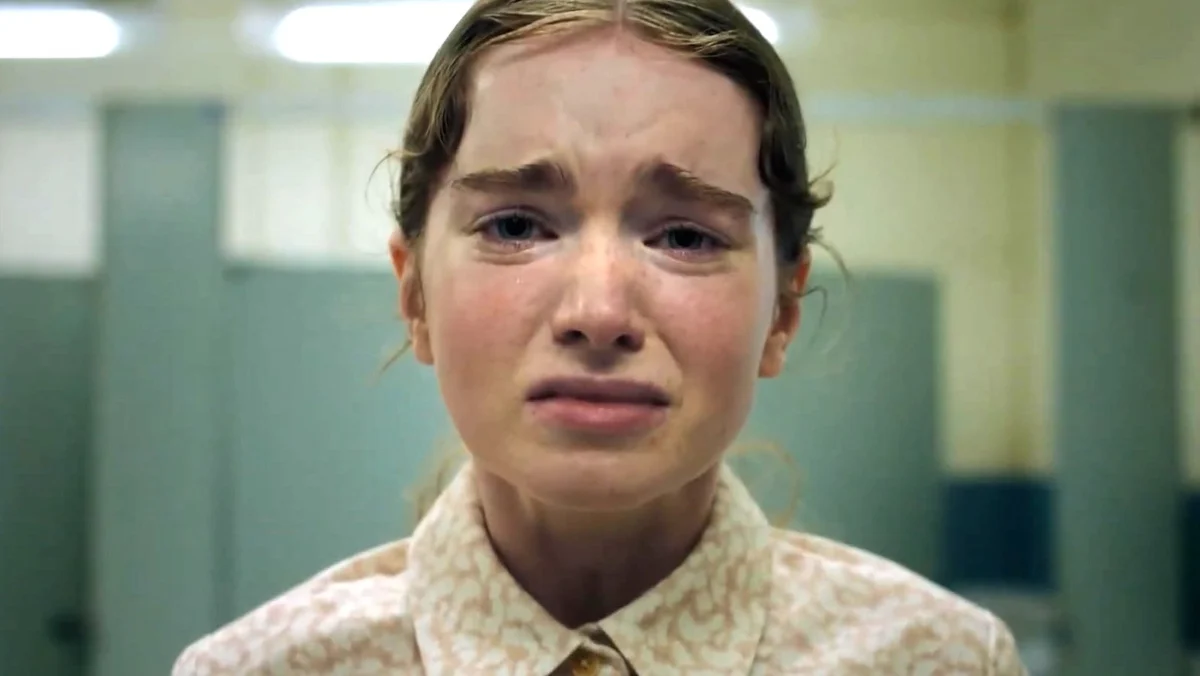
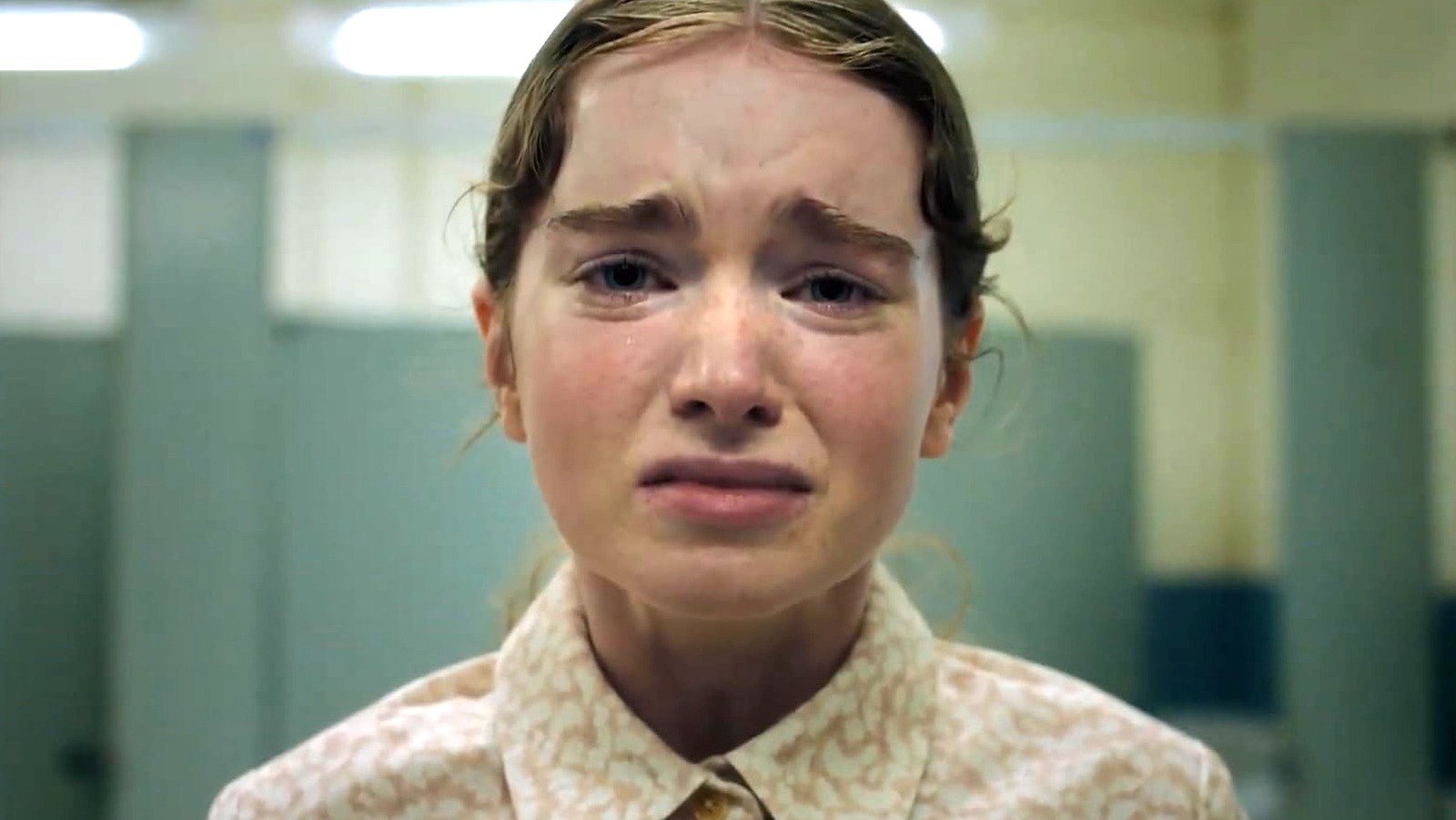
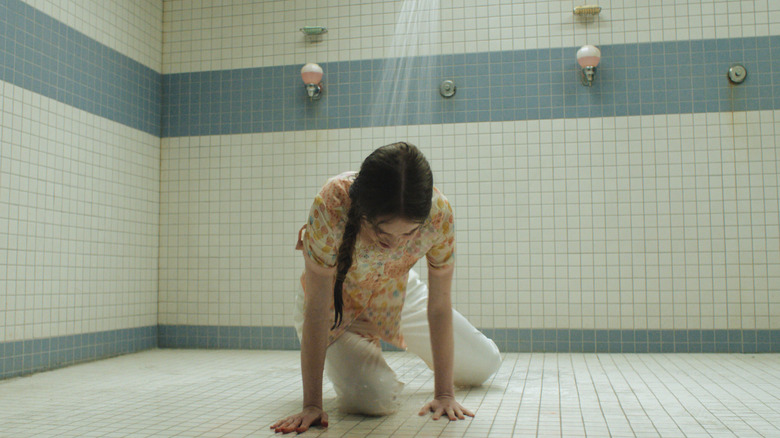
Unlike previous iterations that stuck closely to a traditional feature-film runtime, Flanagan’s project takes advantage of the episodic format to deconstruct, rebuild, and deeply expand upon the original text. At the center of this new vision is actress Summer H. Howell, who emerged from a massive casting pool of over 1,400 hopefuls to embody a fundamentally different version of the telekinetic teenager, Carrie White.
Flanagan—whose previous King adaptations include Gerald’s Game, Doctor Sleep, and The Life of Chuck, alongside an upcoming adaptation of The Dark Tower—asserts that his version of Carrie is not a conventional remake. Instead, it functions as a total reinvention, driven by three major structural shifts: modern timing, completely reconceptualized characters, and an expanded supernatural universe.
Chronology and Production Background
The path to Mike Flanagan’s Carrie has been years in the making, reflecting the director’s sustained relationship with Stephen King’s literary library.
- 1974: Stephen King publishes Carrie, his breakout debut novel that explores religious fanaticism, high school bullying, and latent telekinetic powers.
- 1976: Brian De Palma directs the first and most famous film adaptation of Carrie, starring Sissy Spacek and Piper Laurie, cementing the prom scene and pig’s blood drenching as defining moments in horror history.
- Late 2010s–Early 2020s: Mike Flanagan establishes himself as a preeminent voice in modern horror through acclaimed Netflix series like The Haunting of Hill House, The Haunting of Bly Manor, and The Fall of the House of Usher, as well as feature-length Stephen King adaptations.
- The Casting Process (2024–2025): Flanagan and his casting team embark on what he describes as the most exhaustive casting process of his career, auditioning more than 1,400 actresses to find the right performer for the title role.
- October 5, 2026: In an exclusive interview leading up to the series release, Flanagan outlines the three core pillars that differentiate his adaptation from all previous versions.
- October 7, 2026: All eight episodes of Carrie officially become available to stream on Prime Video.
Supporting Data and Creative Parameters
To understand how Flanagan’s Carrie separates itself from past adaptations, it is essential to look at the sheer scale of the production and the deliberate choices made by the creative team.
- 1,400+: The number of actresses auditioned for the role of Carrie White, making it the most grueling and extensive casting search of Flanagan’s career.
- 8: The number of episodes in the Prime Video limited series, providing the narrative real estate necessary to explore subplots and world-building previously left on the cutting room floor.
- 3: The core pillars identified by Flanagan that redefine the narrative: the temporal setting (the modern day), the character psychology, and the wider supernatural universe.
- 1976 vs. 2026: A span of exactly 50 years separates Brian De Palma’s cinematic masterpiece from Flanagan’s modern television translation, allowing the series to reflect half a century of cultural shifts regarding technology, bullying, and systemic violence.
Official Responses and Creative Vision
In an exclusive interview discussing the series, Mike Flanagan opened up about his philosophy on adapting Stephen King, the modern context of high school trauma, and why he approached Carrie as a reconstruction rather than a simple retread.
The Heart of a Stephen King Adaptation
When asked about what makes a successful adaptation of King’s work—given his extensive resume bringing the author’s stories to the screen—Flanagan emphasized the importance of King’s underlying worldview:
"I think it’s remembering that in his heart of hearts, Stephen King is an optimistic humanist, and that that is his priority over the horror. The horror is all there. It’s there for you to dive into. But if you can hold on to that fundamental optimism, that, to me, defines Steve’s work. There’s a beautiful love of human beings underneath everything."
The Three Pillars of Change
Addressing how his version differs from previous adaptations without spoiling the plot, Flanagan highlighted three primary elements:
- The Modern Timeline: Placing the story in the contemporary landscape changes the nature of teenage cruelty. Flanagan noted that King could never have imagined the pervasive nature of social media cyberbullying or the terrifying reality of modern teenagers navigating metal detectors and the constant specter of school violence as an everyday norm.
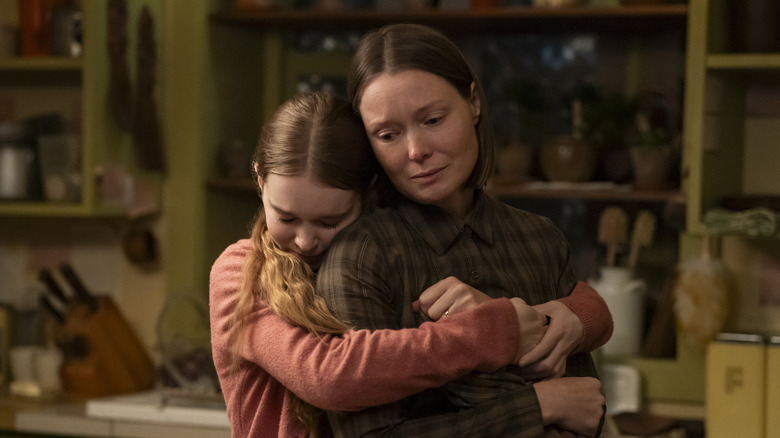
- Reversed Character Dynamics: Historically, Carrie White has been depicted as a terrified, trembling, and deeply traumatized outcast. In Flanagan’s version, Carrie is open, eager, curious, and profoundly kind. Similarly, her mother, Margaret White—traditionally portrayed as a purely abusive fanatic driven by hatred—is reframed as a mother who fiercely loves her daughter, albeit with a tragic inability to protect her from the outside world.
- An Expanded Supernatural Universe: In King’s original novel, brief hints are dropped suggesting Carrie is part of a historical lineage of gifted women, though she dies before realizing she is not alone. Flanagan’s series utilizes the episodic format to physically explore that wider world, examining other gifted individuals and how their existences intersect with Carrie’s story.
Finding Summer H. Howell
Flanagan praised lead actress Summer H. Howell for carrying the emotional weight of the entire series. Describing the exhaustive search for his lead, Flanagan noted:
"What we were looking for was a Carrie we’d never experienced before. We were looking for someone who was curious and earnest and kind and eager and utterly unspoiled by our world… Summer H. Howell, I think, embodied that in a way that made us simultaneously amazed by the layers of her, but also determined to protect her from the world. That was something that was all Summer. Once she arrived, it defined the show, I think, for us."
Implications for the Horror Genre and Future Adaptations
Flanagan’s approach to Carrie signals a potential shift in how classic horror literature is translated for modern television. For decades, horror remakes often fell into the trap of updating visual effects while keeping the core narrative beats identical to their predecessors. By treating Carrie less as a sacred text to be preserved under glass and more as raw material to be disassembled and rebuilt—a method Flanagan previously deployed on literary adaptations like The Haunting of Hill House and The Fall of the House of Usher—the series proves that even the most thoroughly exhausted intellectual property can yield fresh thematic depth.
Furthermore, by grounding the telekinetic horror in contemporary anxieties—such as digital-age harassment and the terrifying normalization of school violence—the series transforms a supernatural tragedy into a stark mirror of modern youth culture. As audiences digest all eight episodes on Prime Video, the critical and commercial reception of Flanagan’s Carrie will likely influence how subsequent filmmakers approach legacy horror properties, proving that reinvention, when handled with humanist empathy, can breathe vibrant new life into ghosts of the past.
