
Decoding the Universe: A Deep Dive into the DCU’s ‘Lanterns’ Season 1 Finale, Easter Eggs, and the Future of Earth’s Green Lanterns
The conclusion of HBO Max’s debut season of Lanterns has officially shifted the tectonic plates of the newly minted DC Universe (DCU). Centered on the compelling dynamic between Kyle Chandler’s seasoned Hal Jordan and Aaron Pierre’s reluctant hero John Stewart, the series has spent eight episodes grounding the cosmic mythos of the Green Lantern Corps into a gritty, atmospheric terrestrial mystery set in Rushville, Nebraska.
As the dust settles on Episode 8, a brand-new status quo has been established, paving the way for sweeping ramifications across the DCU slate. Beyond the narrative weight of discovering who truly killed Hal Jordan a decade after the infamous Rushville massacre, the finale was meticulously packed with comic book lore, subtle narrative parallels, and tantalizing setup for future seasons.
Main Facts: The Turning Point of the DCU
The climax of Lanterns Episode 8 brings long-simmering tensions to a boil. The narrative centers on a sequence of revelations regarding the true nature of the Manhunters—the ancient, robotic precursors to the Green Lantern Corps—and how they have subtly integrated into human society.
- The Hal Jordan Mystery Solved: John Stewart finally uncovers the identity of the individual responsible for Hal Jordan’s death in 2026, tying back to the devastating events and subsequent massacre in Rushville, Nebraska, a decade prior.
- A New Generation of Manhunters: It is revealed that Sheriff Kerry Kane’s son, Noah, is a second secret Manhunter, utilizing the same alien technology passed down by his grandfather Zoe Macon (whom John neutralized in 2016) to graft brand-new skin onto severely burned individuals.
- Accepting the Mantle: Having rejected the responsibilities of the Green Lantern ring back in 2016, John Stewart finally steps up, accepting the power ring on his own terms to steer the legacy of the brand-new DCU superhero into an uncertain, high-stakes future.
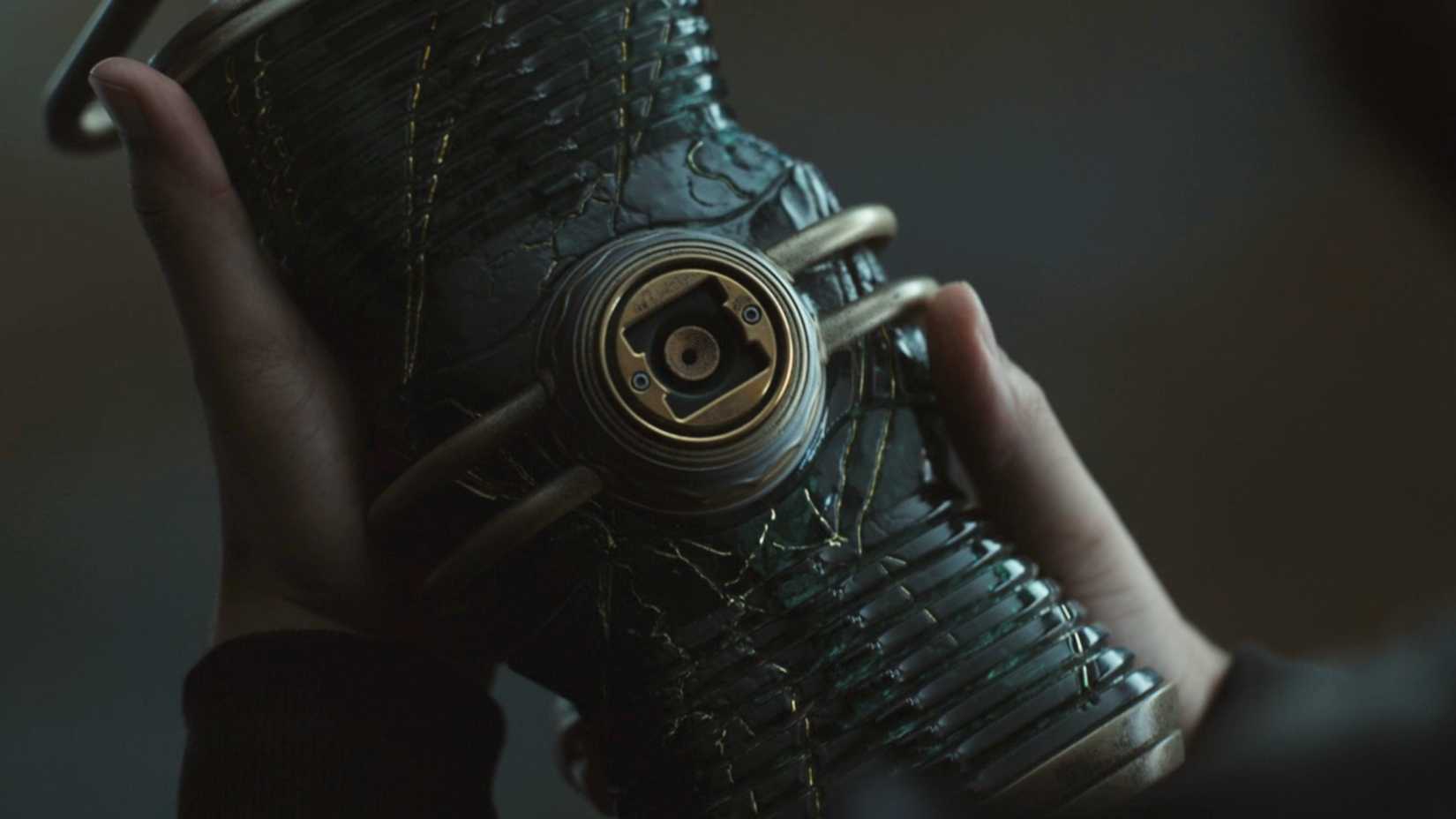
- Sinestro’s Shadow: Sinestro plays a pivotal role from his island prison, having been freed temporarily by Noah and leaving behind a forged lantern laced with the volatile fear compound of his exile world.
Chronology of Events: From the 2016 Massacre to the 2026 Finale
To fully appreciate the narrative architecture of Lanterns Episode 8, it is necessary to trace the timeline of events that bridged a decade of trauma for Earth’s protectors.

1. The 2016 Rushville Incident
Ten years prior to the events of the series finale, Rushville, Nebraska, served as the epicenter of a catastrophic event involving the initial clash with Manhunter forces, specifically Zoe Macon. The fallout forced John Stewart to walk away from the Green Lantern Corps, rejecting the immense burden of the ring, while Hal Jordan eventually found himself entangled in a legal and personal downward spiral, culminating in a prison sentence.
2. Hal’s Final Days and the Fire
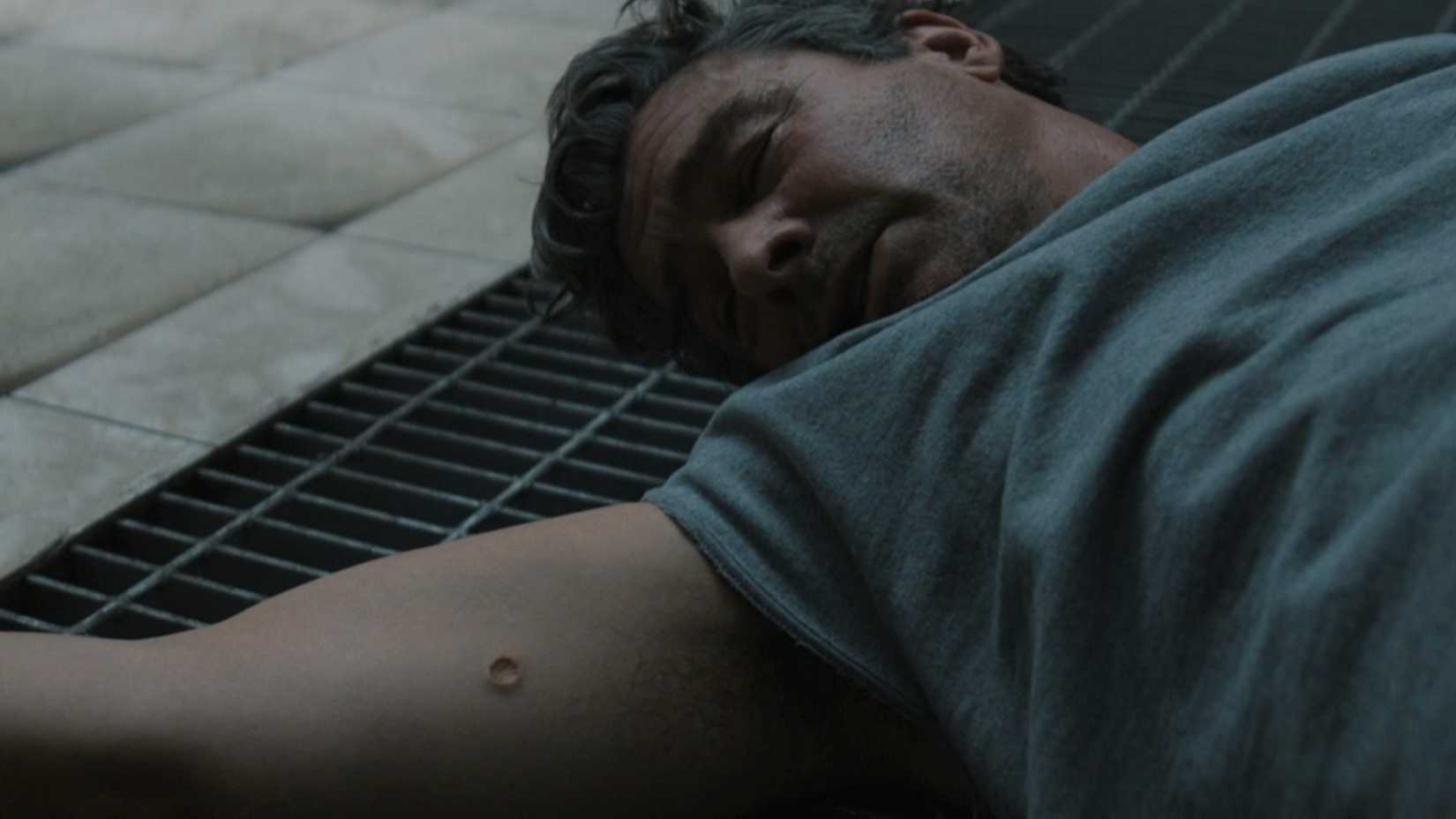
Following his release from prison in 2026, Hal attempted to make amends, relocating to Rushville to forge a relationship with Sheriff Kerry Kane. However, isolation and old enemies caught up with him when an aggrieved local set fire to his home. Trapped and severely burned, Hal’s life was saved by Noah, who utilized alien Manhunter biological engineering to give Hal a new layer of skin—an identical procedure to the one John received a decade prior.
3. The Confrontation and the Ring on the Dashboard
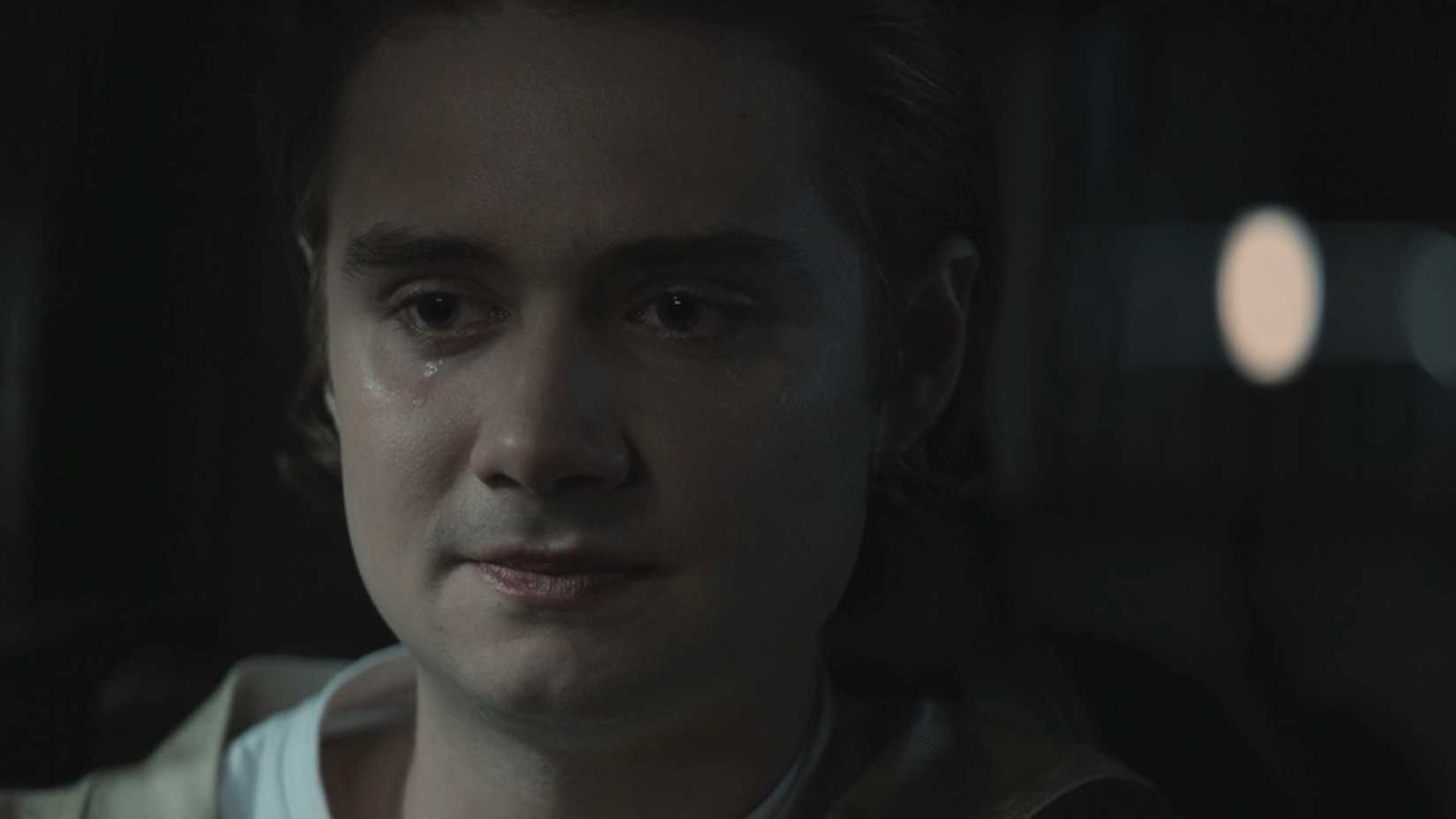
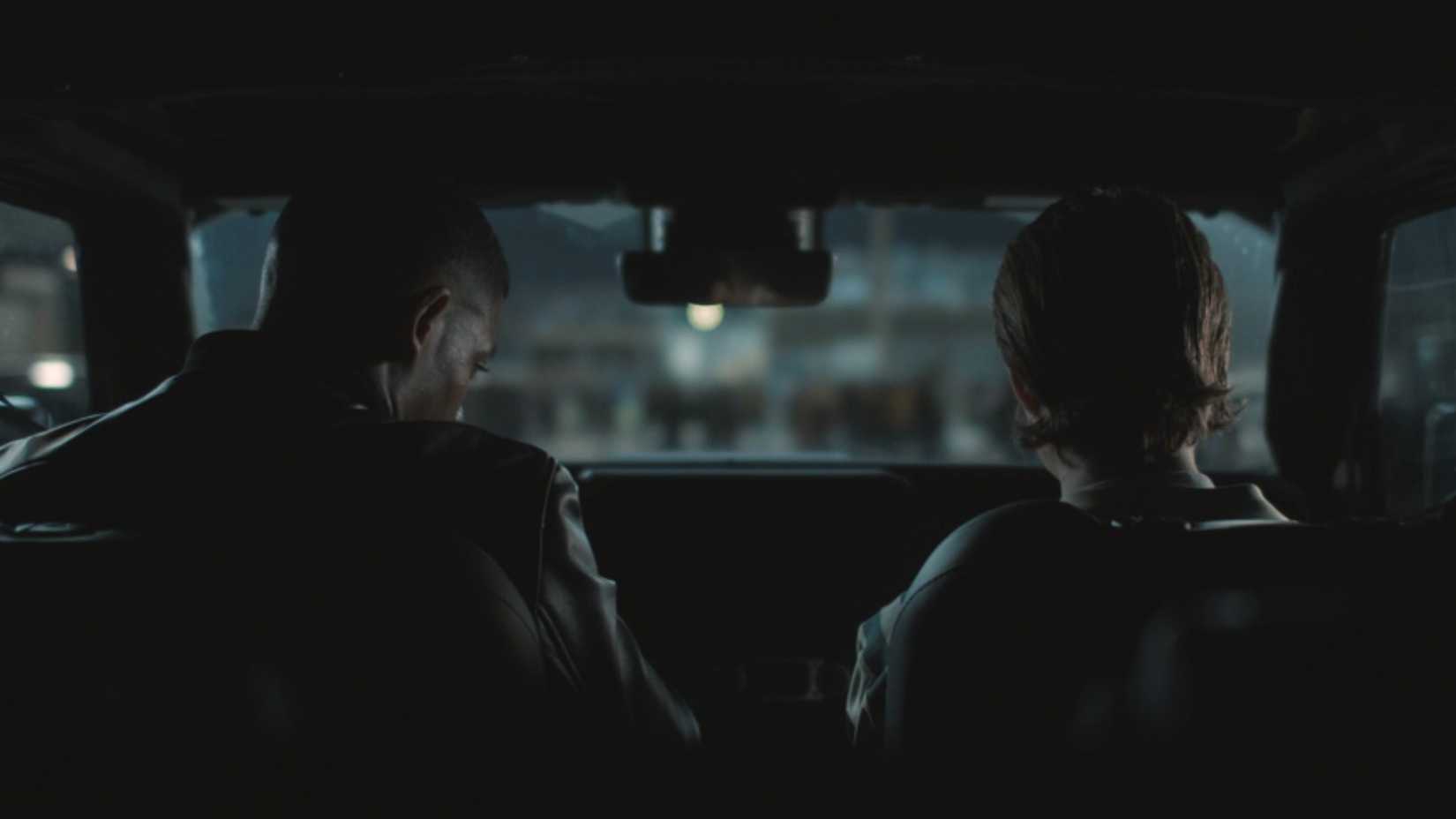
In the present day of the finale, John confronts Noah, who has wrestled with his dual identity, human upbringing, and inherent machine programming. Wanting to play one final football game for his high school teammates before facing justice, Noah removes the power ring he took from John and places it squarely on the dashboard of a vehicle. This visual callback directly mirrors the series premiere, where Hal placed the ring on a dashboard before testing John, completing a poetic ten-year loop.
Supporting Data: Easter Eggs, Parallels, and Lore References
The Lanterns season finale was a treasure trove for comic book aficionados, weaving decades of DC Comics mythology into the grounded television format.
The Forged Lantern and the Yellow Impurity
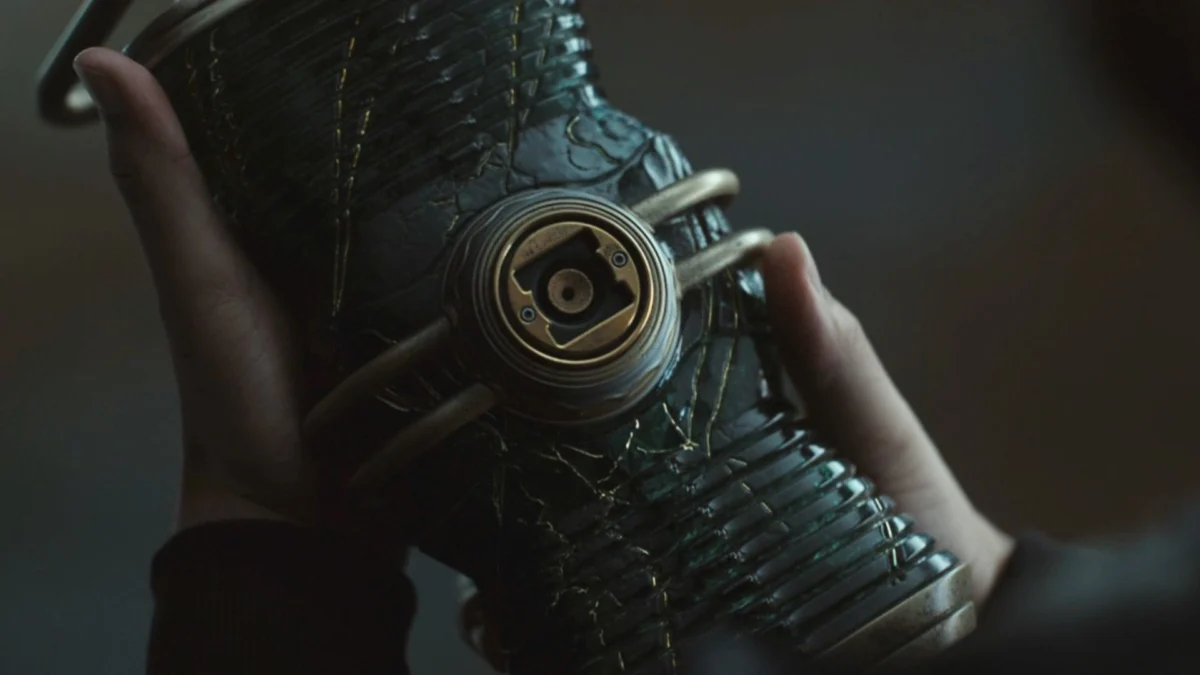
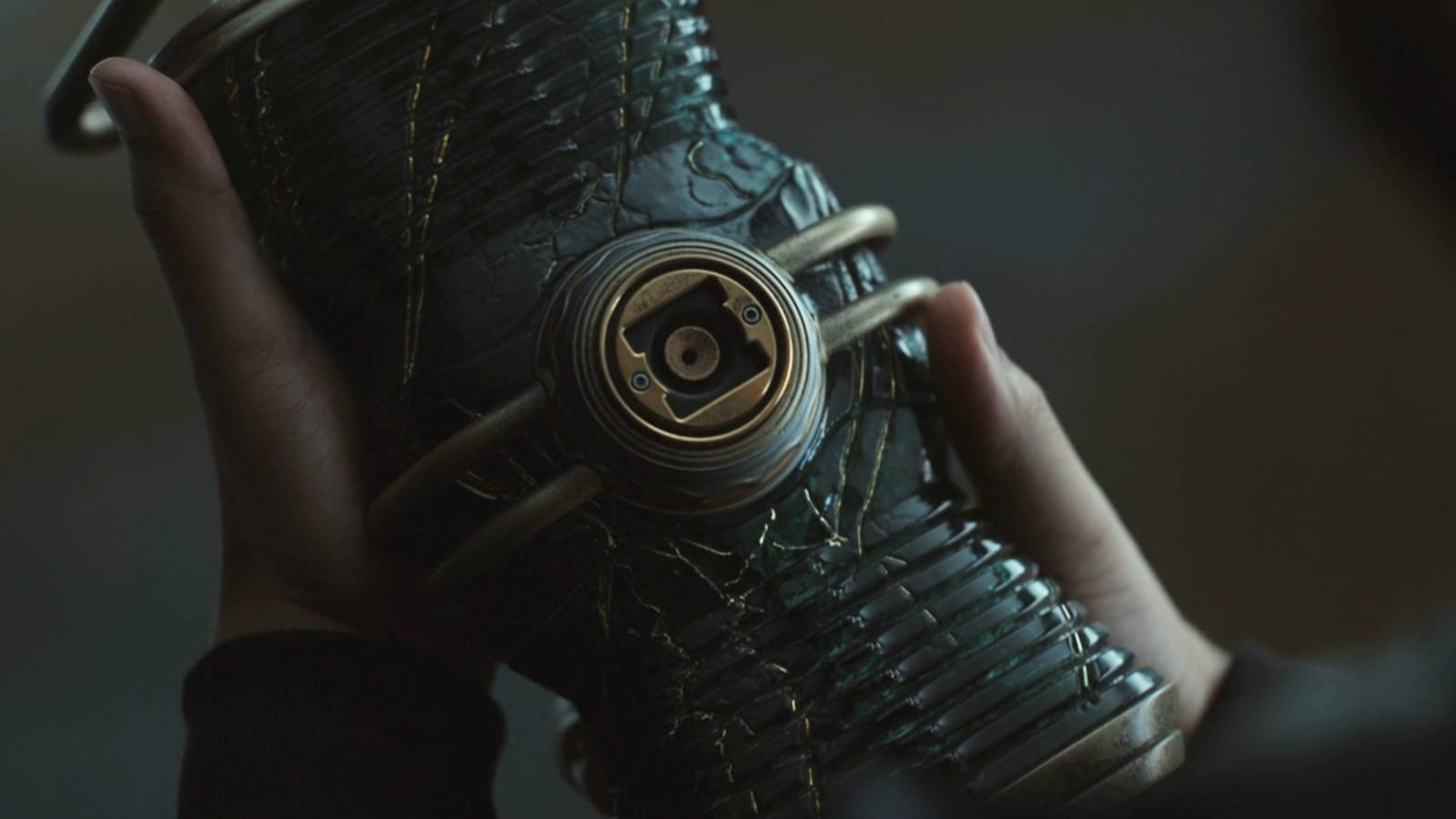
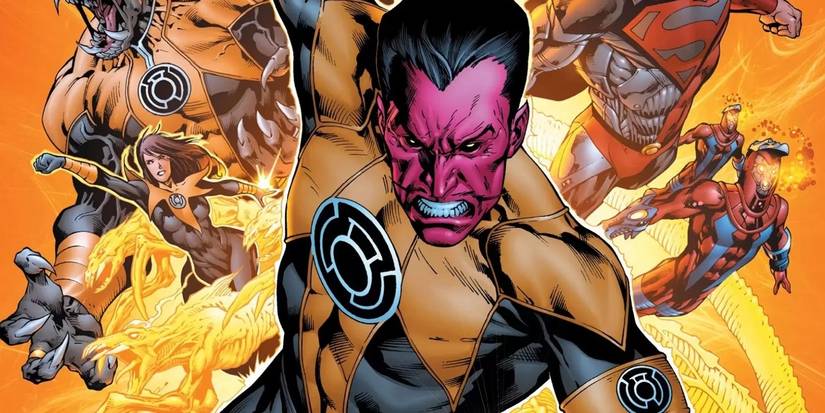
Sinestro’s forged lantern, handed over after Noah engineered his prison break, features distinctive golden cracks across its surface. John correctly identifies these fissures as the byproduct of the concentrated fear compound saturating the water and air of the hostile planet where Sinestro was marooned. This serves as a brilliant live-action nod to the classic "yellow impurity" that plagued early Green Lantern power rings in the comics—long before the formal establishment of the fear entity Parallax.
"Fear as the Most Powerful Force"
During a pivotal exchange, Sinestro tells John that "fear, when harnessed correctly, can be the most powerful force in the universe." This line functions as a neon-lit signpost pointing toward the eventual emergence of the Sinestro Corps, setting up a massive cosmic conflict should HBO Max greenlight a second season.
The Rebirth Parallel
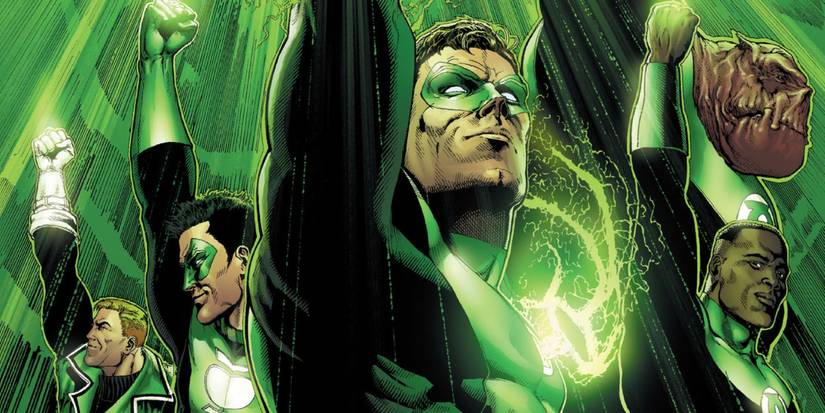
Though Sinestro boasts that he possesses the knowledge to resurrect Hal Jordan, he remains trapped on his island prison by John and a digital projection (the "Halogram") of Hal himself. This narrative thread mirrors the legendary Green Lantern: Rebirth comic run by Geoff Johns, where Hal’s soul was liberated from the influence of Parallax and the Spectre to reoccupy his preserved physical form.
Programming vs. Upbringing
The thematic crux of John and Noah’s final confrontation explores the philosophical divide between "programming" and "upbringing." This directly echoes Guardian Lianna’s (Laura Linney) musings from Episode 3. Noah fears that his machine heritage will inevitably override his human empathy, but John provides the necessary reassurance of free will, drawing from his own decade-long struggle with duty and identity.
Musical and Political Subtext
- "When The Saints Go Marching In": As John and Noah share a poignant, ironic moment discussing the mundanity of Rushville’s high school marching band, the band can be heard practicing the classic New Orleans jazz standard.
- Political Ambitions: Noah’s admission that he considered using a football career as a stepping stone into politics to amass power directly validates Sheriff Kerry Kane’s earlier remarks throughout the season regarding her son’s lofty, presidential aspirations.
Official Responses and Creative Direction
While Warner Bros. Discovery and DC Studios have kept tightly sealed lips regarding specific contractual renewals for Lanterns Season 2, creative leads have continually emphasized their desire to treat the television wing of the DCU with the same cinematic prestige as their theatrical slate.
Showrunners and producers have noted that the grounded, investigative noir approach of Lanterns was deliberately chosen to humanize characters who traditionally deal in cosmic abstracts. By trapping Green Lanterns in small-town Nebraska and forcing them to confront generational trauma, local crime, and domestic secrets, the creative team has successfully reinvented the space-cop genre for a prestige television audience.
Implications for the Future of the DCU
The fallout from Lanterns Episode 8 extends far beyond the borders of Rushville, Nebraska, casting a long shadow over the overarching narrative architecture of the DC Universe.
1. The Expansion of the Emotional Spectrum
By heavily leaning into the concepts of fear (via Sinestro and the cracked lantern) and subtly nodding to the power of love during John and Kerry’s conversation about sacrifice, the series has laid the foundational plumbing for the full Emotional Spectrum. Fans can reasonably expect future DCU projects to explore entities tied to the other Lantern Corps, such as the Star Sapphires (Violet light of love) and the Red Lanterns (Rage).
2. Gotham City’s Underworld Looms Large
Sheriff Kerry Kane’s lingering references to fleeing a dangerous "monster in Gotham" before the season’s end cements Rushville’s connection to the wider DCU crime ecosystem. Background set details—such as Janus Cosmetics, the front company famously associated with Black Mask—suggest that the mob families and criminal masterminds of Gotham City may have had a direct hand in funding or manipulating the corruption that eventually corrupted Rushville. Whether this plot thread pays off in a Batman film, a Clayface project, or a sophomore season of Lanterns, the criminal underworld of Gotham is closer to the cosmic side of the DCU than ever before.
3. John Stewart’s Ascension
With Hal Jordan’s physical status ambiguous and the mantle officially accepted on his own terms, John Stewart is poised to become one of the premier protectors of Earth within the DCU. His evolution from a disillusioned ex-marine to a fully realized Green Lantern carrying the psychological weight of a decade-long conspiracy gives the character a profound gravity that will undoubtedly make him a cornerstone of future team-up events orchestrated by DC Studios co-head James Gunn.
