
Beyond the Fifth Dimension: Analyzing the Most Disappointing Episodes of "The Twilight Zone"
"Submitted for your approval: five stories that prove even the most brilliant architects of imagination occasionally build on shaky ground."
Since its inception in 1959, Rod Serling’s The Twilight Zone has stood as the gold standard for speculative fiction. It is a cultural monolith, an anthology series that utilized the medium of television to explore the dark corners of the human condition, morality, and the fragility of reality. With 156 original episodes, followed by various reboots and feature-length reimaginings, the franchise has cemented its place in the television pantheon. Yet, as with any long-running anthology that demands a fresh, ironic twist every week, quality was bound to fluctuate.
While the series is remembered for its masterpieces—Time Enough at Last, The Monsters Are Due on Maple Street, and The Eye of the Beholder—it is equally important to examine the failures. When The Twilight Zone stumbled, it often did so with spectacular lack of grace, trading nuance for heavy-handed moralizing or "kooky" premises that lacked the series’ signature sting.
The Chronology of a Legacy
To understand the disappointment, one must first respect the magnitude of the endeavor. The original series, running from 1959 to 1964, was a Herculean effort of writing. Rod Serling, alongside legends like Richard Matheson and Charles Beaumont, churned out scripts that fundamentally changed the landscape of American television.
The franchise’s persistence is undeniable. Following the original run, the 1983 feature film attempted to capture the magic on the big screen, followed by a surprisingly robust 1985–1989 revival narrated by Charles Aidman. The 2002–2003 series, hosted by Forest Whitaker, struggled to find its footing, and most recently, Jordan Peele spearheaded a two-season anthology on CBS All Access (2019–2020) that aimed to modernize Serling’s social commentary. Across six decades, the show has attempted to stay relevant, but in its quest to mirror the zeitgeist, it occasionally lost the very "Twilight Zone" magic that made it iconic.
Nightmare at 30,000 Feet (2019): A Lesson in Diminishing Returns
Perhaps no episode illustrates the difficulty of "updating" a classic quite like the 2019 remake of Nightmare at 20,000 Feet. The original, starring William Shatner, is a masterclass in psychological tension. A man, recently recovered from a nervous breakdown, spots a creature on the wing of his plane—a creature only he can see.
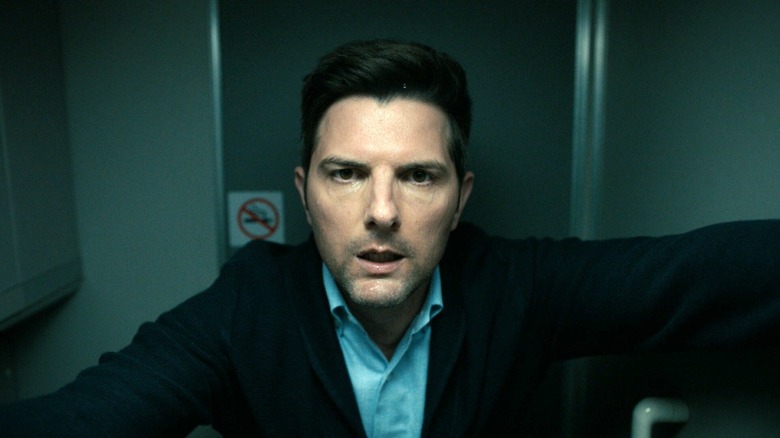
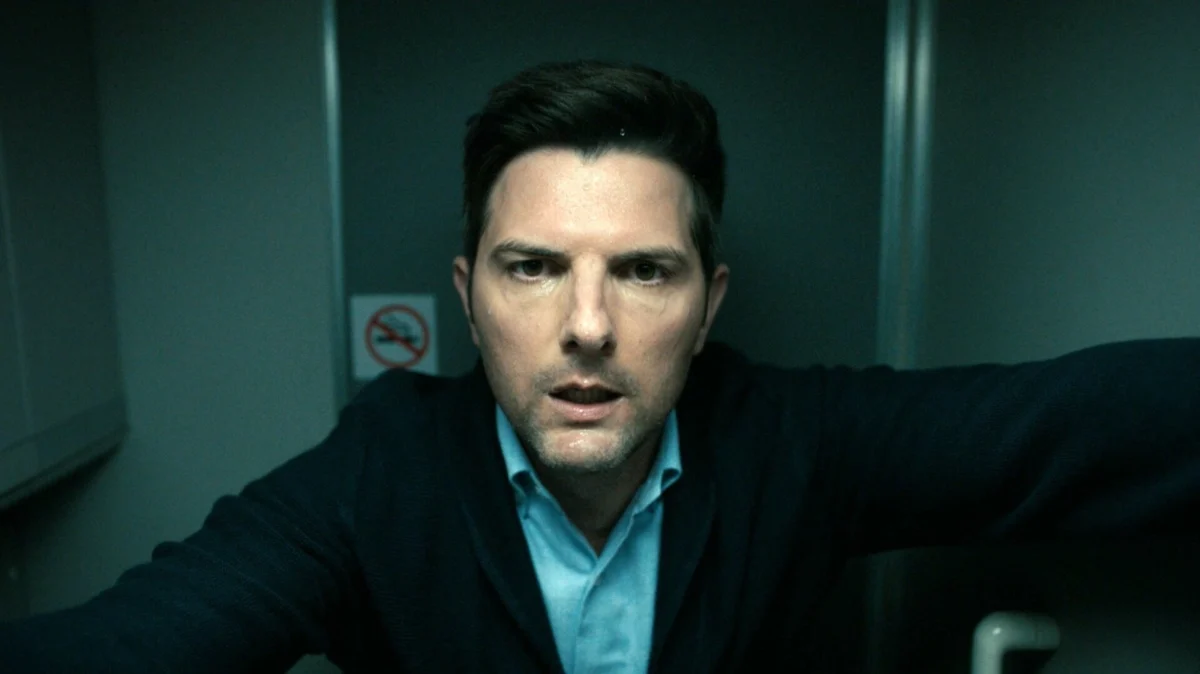
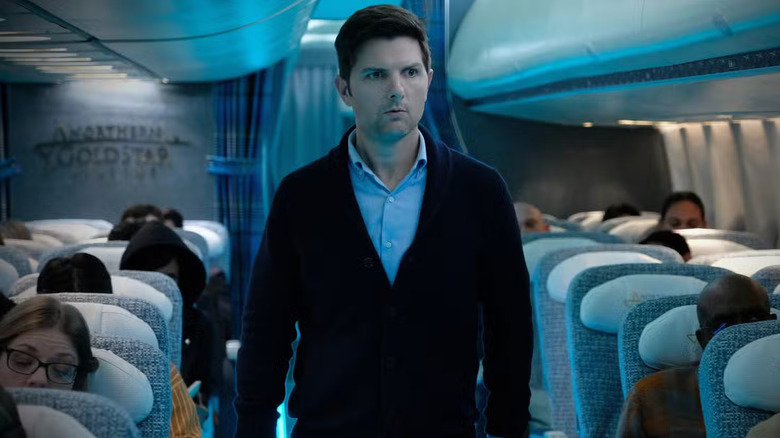
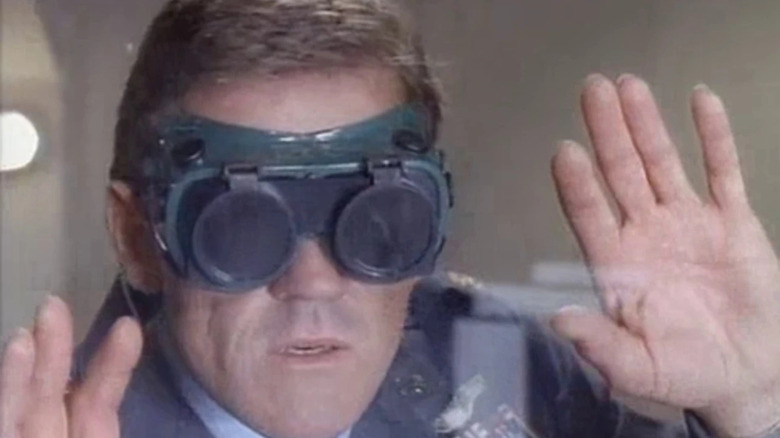
The 2019 iteration, titled Nightmare at 30,000 Feet, attempts to swap the creature for a "haunted podcast." Adam Scott portrays a journalist who discovers a mysterious MP3 player containing a podcast that accurately predicts the crash of his flight. While the premise attempts to lean into modern tech-paranoia, it lacks the visceral, primal horror of the original. The "twist"—if it can even be called that—is merely a series of plot developments that lack the poetic irony synonymous with the brand. It was a limp start to a series that promised to redefine the genre but instead felt like it was playing a game of catch-up with tropes that didn’t fit the format.
The Pitfalls of "Kooky" Storytelling: I Dream of Genie and The Mighty Casey
The Twilight Zone was at its best when it was deadly serious or biting in its satire. It was rarely at its best when it tried to be "funny."
I Dream of Genie (1963) serves as a prime example of a concept that looked good on paper but failed to resonate. Howard P. Stanley, a downtrodden man, finds a genie in an antique lamp. The twist? He only gets one wish. The episode devolves into a tedious exercise in indecision, as Howard fears the potential "downsides" of every wish he contemplates. When he ultimately decides to become a genie himself, the result is neither tragic nor triumphant—it is simply hollow. There is no moral victory, nor is there a crushing irony. It feels like a discarded draft that somehow made it to air.
Similarly, The Mighty Casey (1960) falls into the trap of trying to mix the pastoral, Americana aesthetic of baseball with science fiction. The episode features an android pitcher whose career is cut short because he becomes "too human" to enjoy striking out other players. It is an attempt at whimsy that falls flat. In a landscape that has since been dominated by sophisticated sports analytics and dramas like Moneyball, the dated "mad scientist" trope feels particularly antiquated. It serves as a reminder that the show’s attempts at humor often undermined its own gravity.
The Problem with Heavy-Handed Allegory: The Wall and The Last Night of a Jockey
One of the most frequent critiques of the series is its propensity to preach. While The Twilight Zone was famously a vehicle for social commentary, the best episodes were those that invited the viewer to deduce the message themselves.
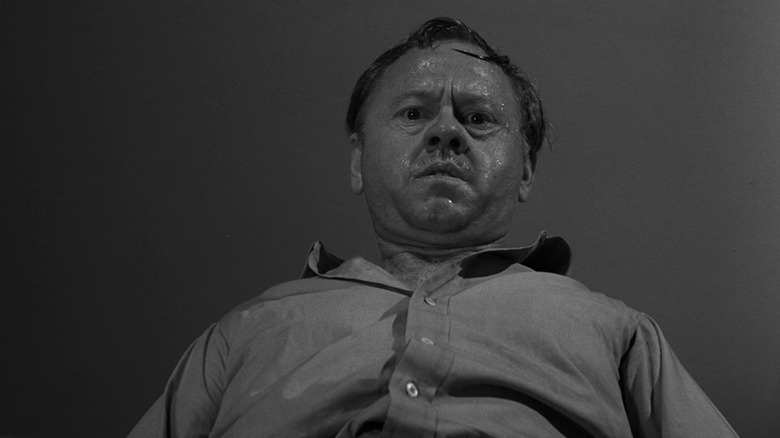
The Last Night of a Jockey (1963) is a case of blunt-force storytelling. Mickey Rooney’s character, a disgraced jockey, wishes to be "big." He gets his wish, but the irony is entirely superficial: he grows physically, but his soul remains small. The lack of spectacle—the missed opportunity to have a giant Rooney stomping through a city—makes the episode feel cheap. It is a morality play stripped of its nuance, delivered with a wink that suggests it is far deeper than it actually is.
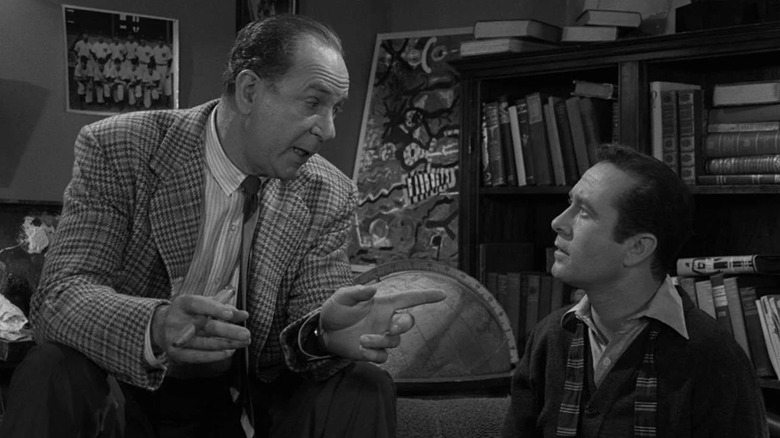
The Wall (1989), directed by Atom Egoyan, suffers from a similar issue. It attempts to present an anti-war, anti-establishment allegory that might have been cutting-edge in the 1960s but felt utterly tired by the late 80s. The episode, concerning a portal to an Edenic village that the military wishes to exploit, is so heavy-handed that it leaves no room for interpretation. It is a didactic exercise that concludes without the requisite "Twilight Zone" sting, leaving the audience with a sense of wasted potential.
Supporting Data and Production Context
Why did these episodes fail? Much of it comes down to the grueling production schedules of 1960s television. To produce a weekly, high-concept anthology, writers were often pushed to the brink of their creative capacities. Rod Serling himself was known to be exhausted by the workload, and the reliance on "fillers" or experimental scripts—like those involving sports or overly comedic premises—often signaled a period of creative fatigue.
Furthermore, the reboots faced the impossible task of competing with the legacy of the original. The 2019 series, for instance, had to navigate a landscape where "horror" and "sci-fi" had become far more cynical and visually sophisticated. By sticking to the "twist ending" format, they often felt tethered to a bygone era, unable to innovate beyond the limitations of the original 1959 structural blueprint.
Implications for the Future of the Genre
The "disappointing" episodes of The Twilight Zone are not merely failures; they are vital parts of the series’ history. They illustrate the risks inherent in creative experimentation. For every episode that misses the mark, there is a lesson about the importance of subtext, the danger of being overly didactic, and the necessity of maintaining a tone that respects the audience’s intelligence.
Modern anthology series, such as Black Mirror, have clearly taken notes from the successes of The Twilight Zone while avoiding some of the pitfalls seen in its weaker episodes. The shift away from "magical objects" toward "societal consequences" reflects an evolution in how we view the "dimension of sight, sound, and mind."
Conclusion
"The Twilight Zone" remains a monumental achievement, but it is not infallible. The episodes discussed here serve as a reminder that even the most legendary series are prone to human error. Whether due to dated messaging, a misunderstanding of tone, or a simple lack of creative spark, these episodes represent the "duds" in a vault of gold.
Ultimately, the existence of these episodes does not diminish the show’s legacy; if anything, they highlight how difficult it is to maintain a standard of perfection in a format that demands constant reinvention. For the dedicated fan, they are cautionary tales—proof that even in the Fifth Dimension, not every story ends with a flourish of genius. They are part of the journey, even if they aren’t the destinations we hope to reach.
