
Beyond the Stars: A Comprehensive Guide to the Sci-Fi Novels That Defined Our Reality
Science fiction is the literary domain of the infinite. It is a genre that does not merely occupy the bookshelves of bookstores; it inhabits the collective imagination of humanity, acting as a mirror to our own societal anxieties, technological ambitions, and existential fears. Long before the golden age of visual effects and high-budget streaming services brought these narratives to life on screen, they were crafted in the quiet solitude of the writer’s study, penned by visionaries who dared to ask, "What if?"
The evolution of science fiction literature is a history of humanity’s relationship with progress. From the gothic warnings of the 19th century to the gritty, neon-soaked warnings of the late 20th century, these stories have pushed the boundaries of narrative structure and thematic depth. This article explores the foundational texts that have not only defined the genre but have fundamentally altered the landscape of modern culture.
The Pillars of Speculative Fiction: A Chronological Overview
To understand the trajectory of science fiction, one must look at the seminal works that laid the groundwork for what we recognize today as the genre’s canon.
1818: The Birth of Science Fiction – ‘Frankenstein’
Mary Shelley’s Frankenstein is frequently cited as the first true science fiction novel. By shifting the focus from supernatural occurrences to the consequences of scientific ambition, Shelley created a template for the "mad scientist" trope. Her story of Dr. Victor Frankenstein and his tragic creature serves as a foundational text regarding bioethics and the human desire to play God.

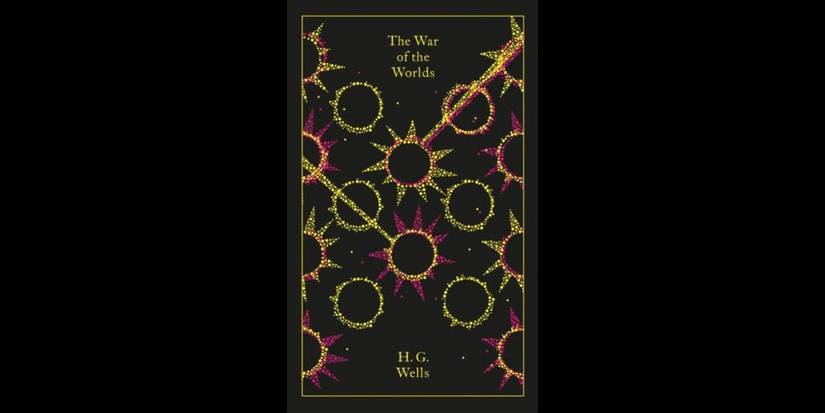
1898: The Alien Invasion Archetype – ‘The War of the Worlds’
H.G. Wells revolutionized speculative fiction by grounding the fantastic in the recognizable. His account of a Martian invasion of Earth was not just an adventure; it was a sociopolitical commentary on imperialism. By placing extraterrestrial invaders in a domestic English setting, Wells created a blueprint for the "invasion" subgenre that remains the most common framework for alien-based storytelling.
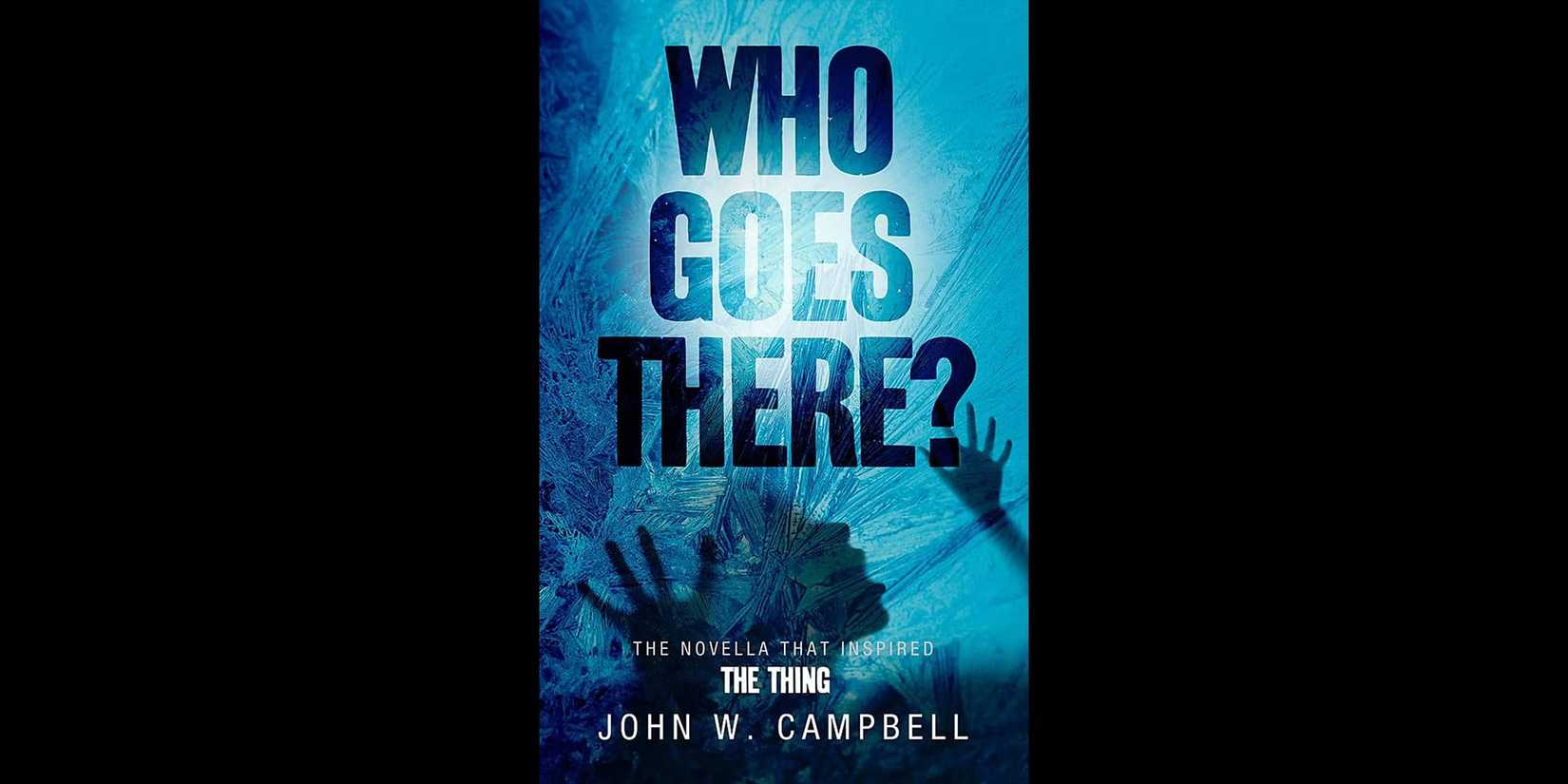
1938: The Horror-Sci-Fi Hybrid – ‘Who Goes There?’
John W. Campbell’s novella introduced the concept of the shape-shifting, infiltrator alien. This story, which famously served as the basis for John Carpenter’s The Thing, remains a masterclass in claustrophobic terror. It moved science fiction away from cosmic exploration and into the realm of psychological thriller, proving that the most dangerous threats are often the ones closest to us.
1949: The Dystopian Warning – ‘1984’
George Orwell’s 1984 moved the genre into the sphere of political philosophy. By conceptualizing "Big Brother" and the suppression of truth through language and surveillance, Orwell provided a vocabulary for totalitarianism that is still used in political discourse today. It is perhaps the most culturally significant warning in literature.
1965: The Epic Space Odyssey – ‘Dune’
Frank Herbert’s Dune is the Lord of the Rings of science fiction. Its complexity—ranging from ecology and religion to feudal politics—transformed the genre from "pulp" magazine fodder into high-brow literature. Its influence on everything from Star Wars to The Matrix is immeasurable.
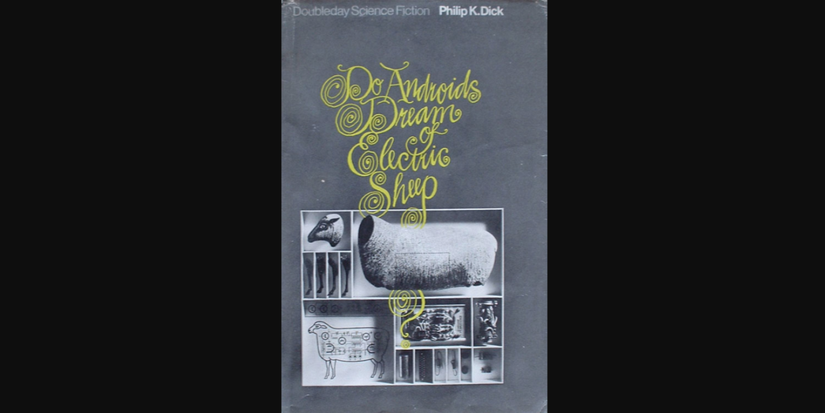
1968: The Android’s Soul – ‘Do Androids Dream of Electric Sheep?’
Philip K. Dick’s masterpiece challenged the definition of humanity. By forcing the reader to sympathize with artificial beings, Dick set the stage for the modern exploration of AI ethics and transhumanism.
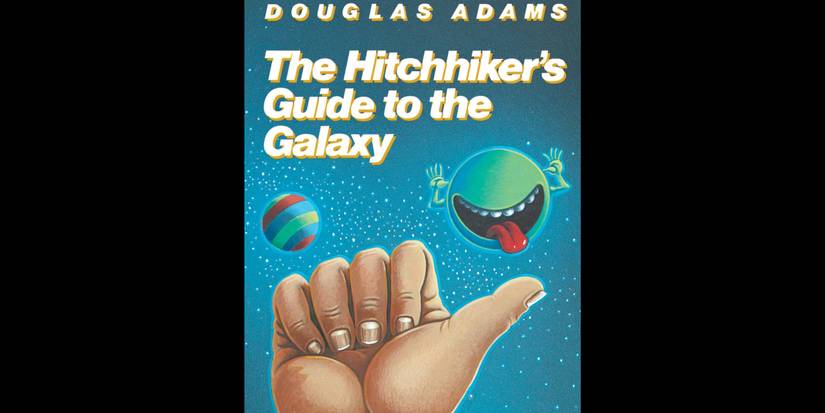
1979: The Satirical Voyager – ‘The Hitchhiker’s Guide to the Galaxy’
Douglas Adams demonstrated that science fiction could be inherently funny. By utilizing cosmic absurdity to highlight the insignificance of human worries, Adams provided a much-needed breath of fresh air, proving the genre did not always have to be grim to be profound.
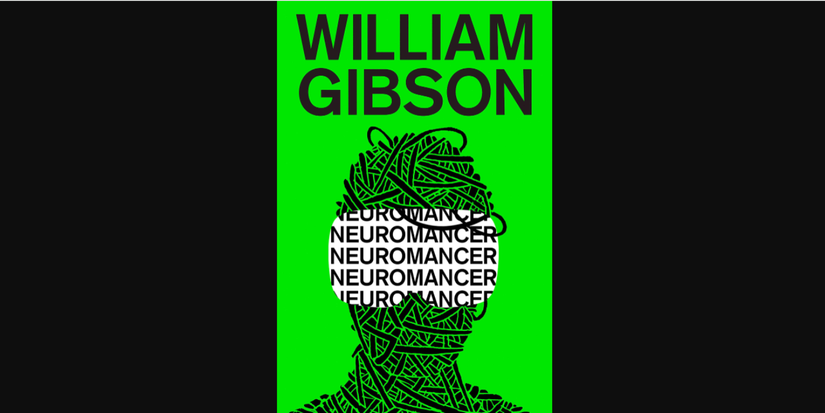
1984: The Birth of Cyberpunk – ‘Neuromancer’
William Gibson’s Neuromancer defined the digital age before the public had fully grasped the concept of the internet. With its focus on corporate hegemony, body modification, and the virtual landscape, it provided the aesthetic and thematic backbone for the cyberpunk movement.
Supporting Data: Why These Books Endure
The enduring legacy of these novels is not accidental. According to literary analysis, these specific works share three key attributes that contribute to their longevity:
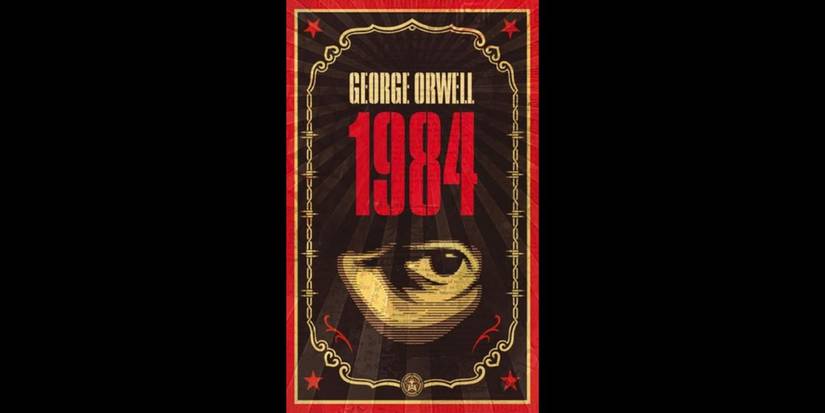
- Technological Prophecy: These authors often identified the trajectory of technology decades before its realization. Gibson’s "matrix" pre-dated the modern web; Orwell’s "telescreens" serve as a grim analogy for modern ubiquitous surveillance.
- Universal Themes: While the settings are futuristic or alien, the conflicts are deeply human. Whether it is Victor Frankenstein’s guilt or Paul Atreides’s burden of prophecy, these stories tap into core emotional archetypes.
- Adaptability: Most of these works have been adapted into multiple media formats, including film, radio, and television. The ease with which these narratives transition to visual media proves their fundamental strength as stories.
Official Responses and Cultural Impact
The cultural impact of these works is reflected in how they are integrated into modern academic and pop-culture curricula. Frankenstein is a fixture in English literature departments, while 1984 is a recurring touchstone for human rights organizations.
Furthermore, the film industry has signaled the importance of these texts through constant re-adaptation. The success of Denis Villeneuve’s Dune (2021) and the perennial interest in Blade Runner (the film adaptation of Dick’s novel) demonstrate that the "classic" status of these books is not merely academic; it is driven by a massive, ongoing audience demand for the stories they tell.
Implications for the Future of the Genre
As we move deeper into the 21st century, the boundaries between the reality described in these novels and our actual daily lives are blurring. The rapid advancement of generative AI brings us closer to the themes of Neuromancer and Do Androids Dream of Electric Sheep?. The rise of global surveillance and misinformation campaigns continues to make 1984 an essential read for every generation.
The implication for contemporary writers is clear: the most effective science fiction does not just predict the future—it prepares us for the ethical and social challenges that the future will inevitably bring. These novels serve as a "stress test" for our values. When we read them, we are not just consuming entertainment; we are engaging in a simulation of the human condition under pressure.
Conclusion: A Call to Read
Whether you are a newcomer to the genre or a lifelong devotee, these eight novels represent the absolute peak of speculative fiction. They are the foundation upon which the modern world’s dream of the future is built. To read them is to understand not only where science fiction has been but where we, as a civilization, are currently heading.
The next time you look at the stars, or look at the glowing screen of a smartphone, remember that these stories have already been there, mapping out the territory of our collective tomorrow. In a world of increasing uncertainty, these timeless classics offer more than just an escape—they offer a map.
