
Ryan Murphy Unveils "Brides of Blood": A New Vision of Gothic Horror
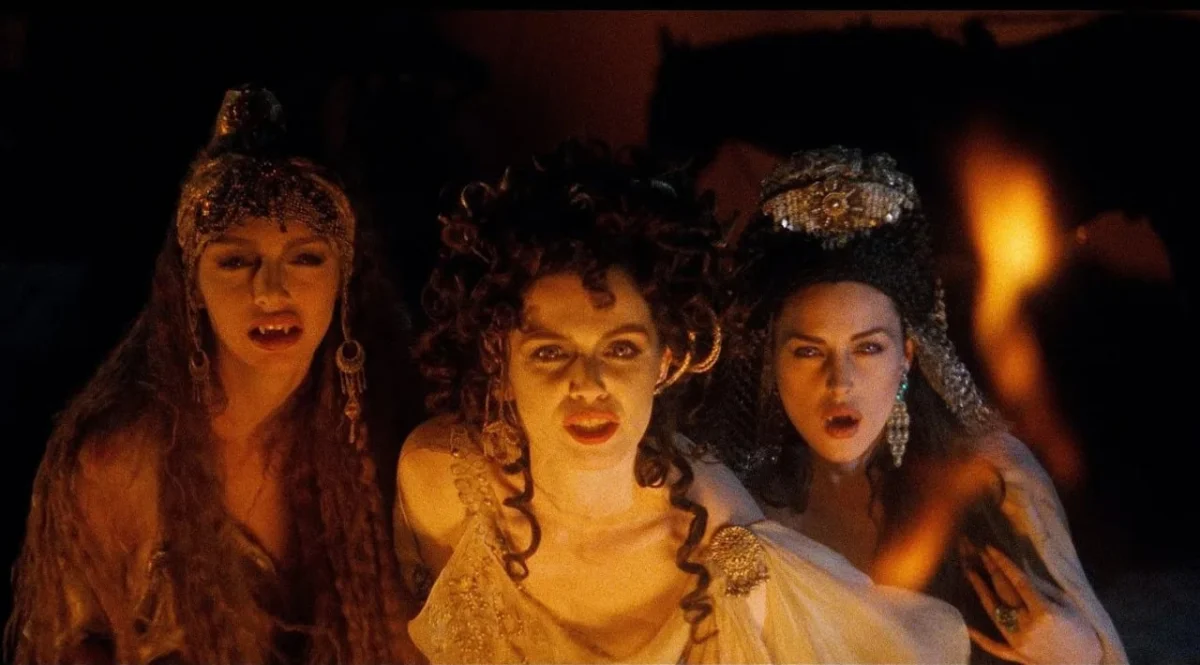
The prolific television architect Ryan Murphy, known for shaping the cultural landscape of modern horror through American Horror Story, has officially set his sights on a new, blood-soaked horizon. While the thirteenth season of his long-running FX anthology series has only recently begun to grip audiences, Murphy is wasting no time pivoting toward his next creative endeavor. In a recent, wide-ranging interview with Vanity Fair, the showrunner confirmed that he is actively developing a new series titled Brides of Blood, a project that promises to marry his signature stylistic flair with one of literature’s most enduring and enigmatic archetypes: the brides of Count Dracula.
The Genesis of a New Nightmare: Main Facts
The announcement of Brides of Blood confirms long-standing industry rumors that Murphy was looking to expand his portfolio into the realm of classic vampire lore. For fans of the genre, the title alone evokes the rich history of Bram Stoker’s 1897 novel, Dracula, specifically focusing on the three sister-vampires who reside within the Count’s decaying castle.
Murphy described the project as a deeply personal undertaking, stating, "I’m making a vampire tale called Brides of Blood, so I can pay homage to my grandmother and what she loved—what we loved together." This personal connection suggests that while the series will undoubtedly deliver the visceral thrills expected of a vampire narrative, it may also carry the emotional weight and thematic depth that characterizes Murphy’s best work.
Production is slated to commence this coming December, with location scouting and principal photography scheduled to take place in Europe. This choice of setting is auspicious, providing the atmospheric, old-world backdrop necessary to ground a story rooted in the gothic tradition of Transylvanian terror.
A Legacy of Shadows: Chronology of the Brides
To understand the significance of Brides of Blood, one must look at the long, tangled, and often tragic history of the characters in popular media. Since Bram Stoker first introduced the trio—often unnamed or simply referred to as the "Weird Sisters"—in his landmark novel, they have occupied a space of both fascination and frustration for horror audiences.

- The Early Interpretations: While early adaptations of Dracula often relegated the brides to minor roles, the 1960 Hammer Horror classic The Brides of Dracula proved that there was a massive audience appetite for stories centered on these specific figures. Even though the film famously did not feature Count Dracula himself, it established the aesthetic of the vampire bride as a figure of elegance and lethal intent.
- The Coppola Influence: Francis Ford Coppola’s 1992 Bram Stoker’s Dracula arguably provided the most visually striking iteration of the characters to date. Despite their limited screen time, the brides—played by Monica Bellucci, Michaela Bercu, and Florina Kendrick—left an indelible mark on the horror genre, blending Victorian decadence with primal, predatory hunger.
- Modern Reinterpretations: Recent years have seen a surge in interest regarding the "supporting" characters of classic literature. Films like House of Darkness (2022), starring Justin Long, have attempted to modernize the concept, placing the brides in contemporary settings to explore themes of manipulation and predatory power dynamics.
Murphy’s Brides of Blood appears poised to synthesize these varied interpretations, likely stripping away the "damsel" tropes to focus on the agency, history, and terrifying allure of these immortal entities.
Exploring the Genre: Supporting Data
Ryan Murphy’s career is defined by his ability to oscillate between high-concept horror and lighter, character-driven narratives. During his interview, he acknowledged the breadth of his current slate, noting, "There’s always something for everybody. Maybe American Horror Story is not your cup of tea, but maybe you want to watch something that’s just like a white wine fun show, like All’s Fair. I’ve got something for you."
This philosophy is crucial to understanding why Brides of Blood is likely to be a massive success. Murphy recognizes that the audience for horror is not a monolith. By applying the "Ryan Murphy treatment"—lavish production design, complex ensemble casts, and a penchant for camp-infused terror—to a classic gothic foundation, he is creating a "prestige" horror experience that bridges the gap between classic monster movies and the fast-paced, bingeable content of the streaming era.
Current industry trends favor "monster-verse" style storytelling, where individual creatures are granted their own distinct narratives. By isolating the brides from the shadow of Dracula, Murphy allows for a character study that hasn’t been explored in this depth before.
Official Responses and Creative Vision
While details regarding the cast and specific plot beats remain under tight lock and key, Murphy’s comments indicate a desire to honor the classic lore while perhaps subverting the expectations of the genre.

The horror community has reacted with cautious optimism. On one hand, Murphy is a master of the "event television" format; on the other, the vampire sub-genre is notoriously difficult to reinvent. However, the decision to film in Europe suggests a commitment to authenticity and atmosphere. The visual language of Brides of Blood will likely be a primary draw, as Murphy’s production team is known for sparing no expense when it comes to costume, set design, and lighting.
The project is widely expected to find its home on a platform under the Disney-FX-Hulu umbrella, mirroring the distribution model of American Horror Story. This integration allows Murphy to maintain a consistent brand identity while reaching a global audience that has grown accustomed to his unique brand of storytelling.
Implications for the Future of Horror TV
The development of Brides of Blood has several significant implications for the landscape of television horror:
- The Renaissance of Gothic Horror: For years, horror television has been dominated by zombies, slashers, and supernatural thrillers. A high-budget, series-length exploration of vampire lore suggests a return to the roots of Gothic literature. If successful, it could trigger a new wave of "monster-focused" prestige series.
- Character-Centric Spin-offs: By choosing to focus on the "brides" rather than the "count," Murphy is signaling a move toward character-centric narratives. This shift suggests that the future of horror television may lie in exploring the periphery of established myths, giving voice to characters who have historically been relegated to the background.
- The "Murphy Effect": As one of the most powerful producers in the industry, anything Ryan Murphy touches becomes an immediate cultural talking point. Brides of Blood will likely set the bar for production value and marketing in the horror genre for the next several years.
Conclusion: A New Era of Immortality
As we look toward the winter premiere of production, the anticipation for Brides of Blood continues to mount. By weaving together the personal history of his own family’s interests with the legendary, blood-soaked history of Bram Stoker’s creations, Ryan Murphy is attempting to craft something that feels both ancient and entirely new.
While we continue to tune into the latest madness unfolding in American Horror Story Season 13, the horizon remains bright—or perhaps, beautifully dark—with the promise of what is to come. Brides of Blood is not merely a project; it is a declaration that the classic monsters of our past still have plenty of life, and blood, left in them. Whether the series will lean into the tragic romance of the brides or their terrifying, predatory nature remains to be seen, but one thing is certain: when the cameras start rolling in Europe this December, the world of horror will be watching.
