
The Return of the King: Assessing the Impact and Anticipation for Godzilla Minus Zero
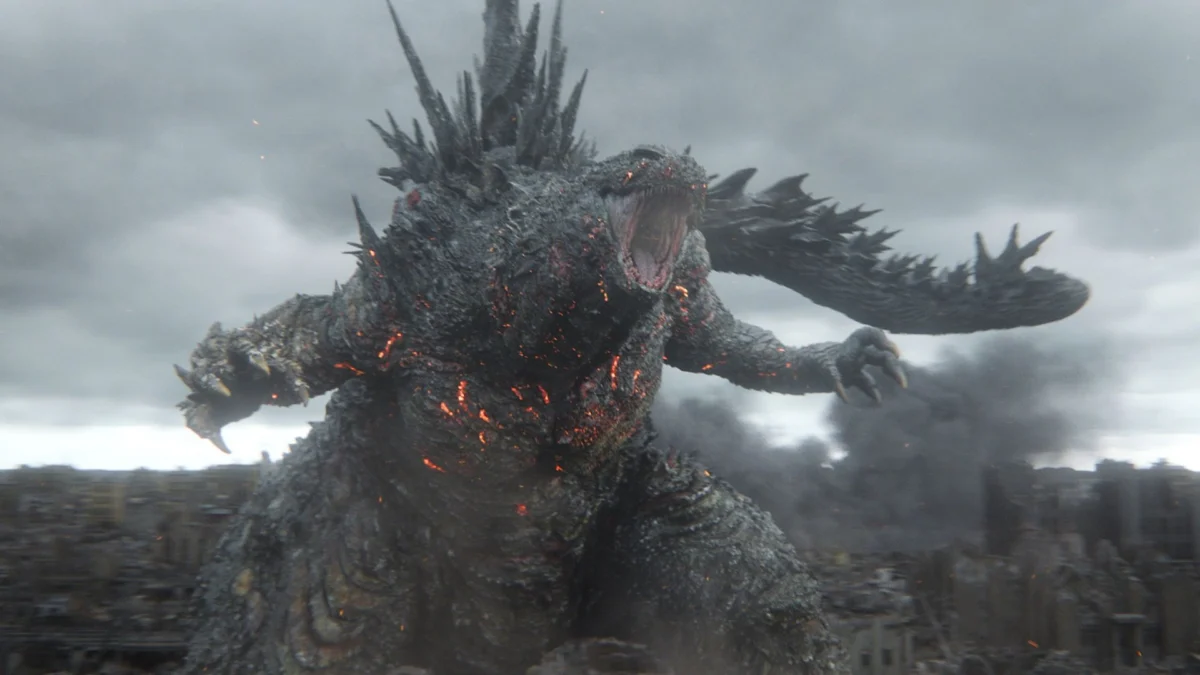
For over seven decades, the King of the Monsters has served as a cinematic mirror to humanity’s deepest anxieties—from the haunting specter of nuclear proliferation to the existential dread of ecological collapse. After the monumental success of 2023’s Godzilla Minus One, which redefined the franchise by returning it to its post-war, human-centric roots, the world has been waiting with bated breath for the next chapter.
Writer, director, and visual effects maestro Takashi Yamazaki is officially returning to the director’s chair for Godzilla Minus Zero. Set two years after the harrowing events of its predecessor, the film is poised to hit theaters on November 6, 2026. As early critical reactions roll in, the consensus is clear: the Godzilla franchise is currently enjoying a golden age of prestige filmmaking that few could have predicted a decade ago.
The Legacy of Minus One: A Hard Act to Follow
To understand the weight of expectation surrounding Godzilla Minus Zero, one must first appreciate the cultural seismic shift caused by Godzilla Minus One. Before its release, the franchise had splintered into disparate tones, ranging from the colorful, campy eras of the Showa period to the sprawling, interconnected "MonsterVerse" produced by Legendary Pictures.
Godzilla Minus One stripped away the artifice. By grounding the narrative in the fractured, shell-shocked Japan of the late 1940s, Yamazaki created a film that felt less like a creature feature and more like a profound meditation on survivor’s guilt and national trauma. The film’s crowning achievement—an Academy Award for Best Visual Effects—was a historic milestone, marking the first time a Godzilla film had ever received such an honor. The challenge for Godzilla Minus Zero was never just to be a "good movie"; it was to justify its existence as a successor to a cultural phenomenon.
A Chronology of Destruction: Where We Pick Up
Godzilla Minus Zero functions as a direct narrative continuation. The story picks up exactly two years after the conclusion of the first film. Audiences will reunite with Kōichi Shikishima (Ryunosuke Kamiki) and Noriko (Minami Hamabe), who, at the end of the previous installment, were finally beginning to forge a semblance of a normal life.
The inclusion of Akiko, the orphaned infant who became a symbol of hope and future generations in the first film, adds a layer of emotional vulnerability to the proceedings. The domestic stability of this makeshift family serves as the central stakes of the new movie. While the first film dealt with the trauma of surviving a war, the sequel appears to be grappling with the terror of maintaining peace in a world that has already proven it can be destroyed in an instant.
The Critical Landscape: A 94% Approval Rating
The early reception to Godzilla Minus Zero has been overwhelmingly positive, cementing its status as one of the most anticipated films of 2026. With a 94% rating on Rotten Tomatoes, it sits comfortably alongside the original 1954 masterpiece, trailing only its immediate predecessor in critical acclaim.
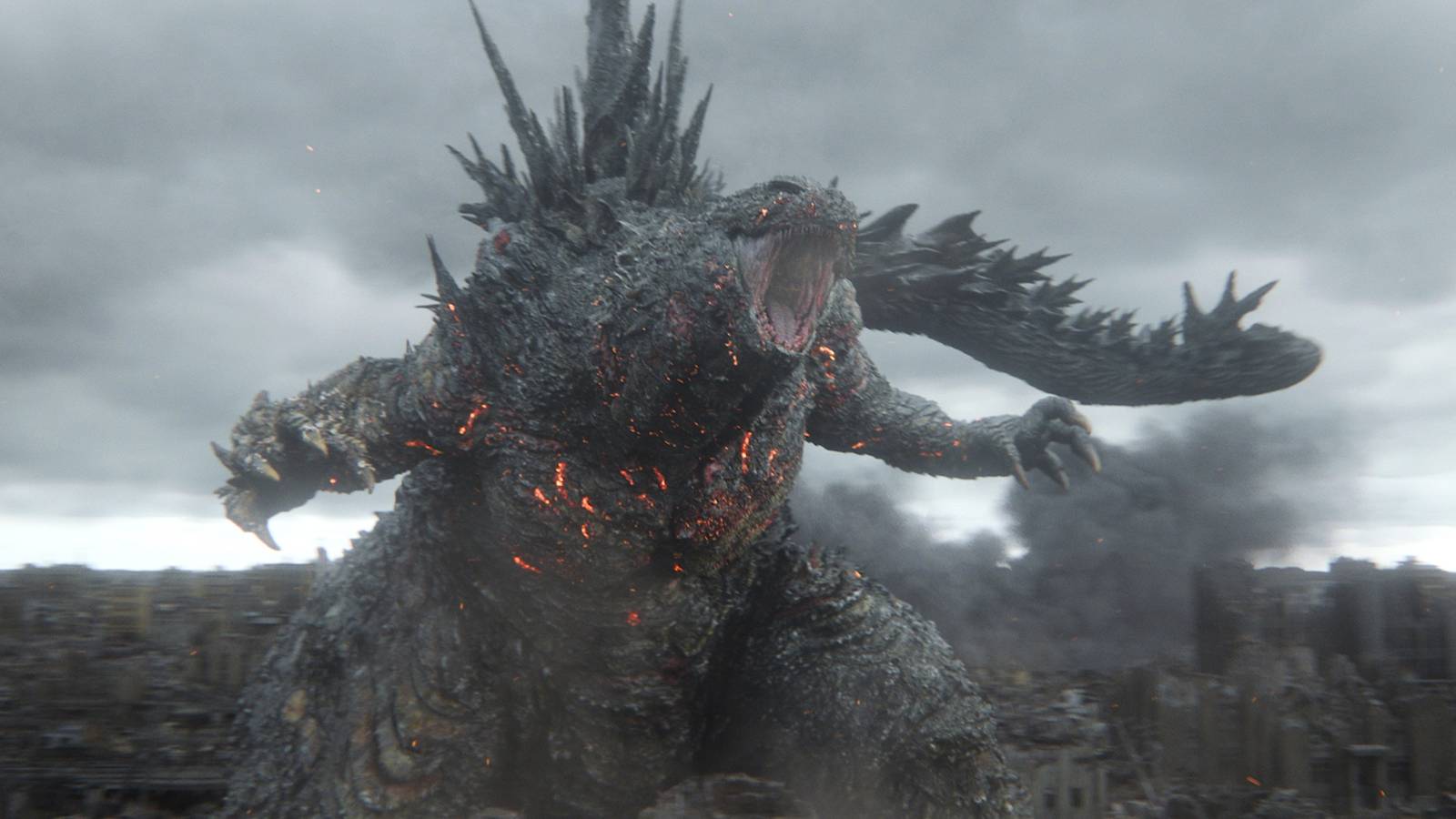
However, the discourse surrounding the film is nuanced. Critics are currently engaged in a spirited debate over whether Minus Zero manages to surpass the "miracle" of the first film or if it simply functions as a high-quality, albeit slightly less cohesive, companion piece.
Andrew J. Salazar, writing for Discussing Film, lauded the film’s audacity, noting, "Bold, audacious, and angry in ways Hollywood blockbusters are never allowed to be, Takashi Yamazaki has crafted a rare sequel that delivers a different kind of thrill than its predecessor." This sentiment is echoed by those who appreciate the film’s willingness to escalate the stakes. Lexi Amoriello of Movie Recs by Lex observed that the film succeeds by balancing the "rip-roaring kaiju spectacle" with a "heartfelt, intimate family drama," suggesting that the sequel actually manages to feel more meaningful than the original.
Visual Mastery: Quality Over Quantity
One of the defining traits of the "Yamazaki-verse" of Godzilla is the strategic use of visual effects. In an era where many blockbusters suffer from "CGI fatigue," where massive battles become blurred, weightless smudges on the screen, Yamazaki’s approach is surgical.
Jesse Hassenger, writing for The Guardian, highlighted this restraint: "Godzilla Minus Zero cross-breeds its fight-to-the-death grappling with disaster-movie scope and horror-movie teeth. Yet it also doesn’t go in for the overkill; like its predecessor, the movie favors quality of visual effects over quantity."
Dan Bayer of Next Best Picture concurred, urging audiences to seek out the largest format possible: "Awe-inspiring action, vivid characters, and strong, nuanced thematic work make this a jaw-dropping spectacle that demands to be seen on the biggest, loudest screen possible." The film’s ability to render the monster as a physical, threatening presence—rather than a collection of pixels—remains the franchise’s greatest aesthetic asset.
Addressing the Critics: Is There a "Step Down"?
Despite the glowing reviews, a vocal contingent of critics has pointed out that Minus Zero faces the classic "sequel trap." Katie Rife of Inverse provided a balanced take, noting, "Although the human elements aren’t as cohesive as in Godzilla Minus One, Godzilla Minus Zero is still a world-class blockbuster spectacle."
This critique often centers on the pacing of the human narrative. While the first film had the luxury of building a mystery around Godzilla’s return, the sequel must contend with the fact that the monster is already a known, terrifying entity. Some critics, including Clint Worthington of RogerEbert.com, have suggested the film "doesn’t quite reach the miraculous highs of its predecessor," even while praising the technical craft.

The most critical voice in the room has been Nick Schager of The Daily Beast, who offered a rare "rotten" assessment. Schager argued that the film occasionally struggles to find the same emotional resonance, calling it a "wannabe-epic monster mash" that occasionally misses the mark. Yet, even in this dissenting review, the "thunderous majesty" of the monster’s screen presence is acknowledged, proving that even at its "worst," a Takashi Yamazaki Godzilla film remains a formidable cinematic event.
Implications for the Future of the Franchise
The success of Godzilla Minus Zero carries significant implications for the future of Toho’s flagship franchise. For years, there was a fear that Godzilla would be relegated to "popcorn cinema" status in the West, while the Japanese-produced films remained niche curiosities. The "Minus" series has effectively bridged that gap, proving that there is a massive global appetite for elevated, character-driven monster movies.
Furthermore, the film’s success solidifies Takashi Yamazaki as the definitive voice of the modern Godzilla era. His ability to blend traditional Japanese filmmaking sensibilities with world-class visual effects has set a new standard for the genre. It also signals a move away from the "cinematic universe" fatigue that has plagued other major franchises; audiences are showing a clear preference for auteur-driven, standalone stories that prioritize internal logic and emotional arcs over long-term franchise connectivity.
Closing Thoughts: Why It Matters
As we approach the November 6, 2026, release date, the hype surrounding Godzilla Minus Zero is more than just marketing noise. It represents a rare moment in modern film history where a franchise that has been running for over 70 years is not only surviving but evolving.
Whether the film is ultimately viewed as a masterpiece that stands on equal footing with Minus One or as a worthy, if slightly flawed, successor, its existence is a triumph. It proves that Godzilla is not just a monster to be fought or a mascot to be sold; he is a vessel for our collective history, our grief, and our resilience. When the theater lights dim and the iconic roar echoes through the sound system, audiences won’t just be watching a monster movie—they will be participating in one of the most enduring cultural conversations of the last century.
Godzilla Minus Zero arrives in theaters on November 6, 2026. With a runtime of 135 minutes, it promises to be a dense, emotionally taxing, and visually spectacular conclusion to the "Minus" duology, leaving fans to wonder: after the King has returned to the depths, where can the franchise possibly go from here? For now, the answer is simple: we go to the theater, we watch, and we marvel at the monster that refuses to fade away.
