
A New Chapter for Indie Cinema: Outerlight Entertainment Acquires Bleecker Street
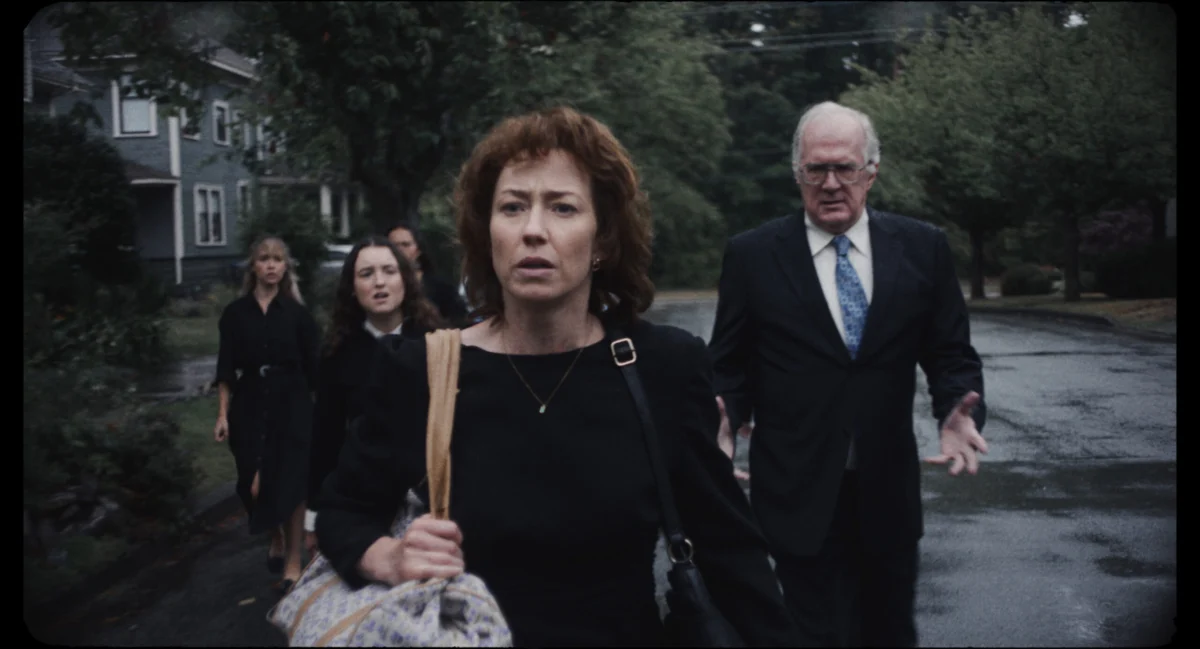
In a move that signals a significant consolidation within the independent film distribution landscape, Outerlight Entertainment—the media holding company formerly recognized as First Look—has officially announced its acquisition of Bleecker Street. The deal, the financial terms of which remain undisclosed, marks a pivotal transition for the acclaimed distributor, which has spent the last decade establishing itself as a premier home for high-caliber, auteur-driven cinema.
For industry observers, this acquisition is not merely a transfer of ownership; it represents a strategic alignment designed to fortify the theatrical model in an era increasingly dominated by streaming consolidation and volatile box-office returns. The news arrives just over a year following the tragic passing of Bleecker Street founder and CEO Andrew Karpen, who died in May 2025 at the age of 59. As the company navigates its first major ownership change since its inception, the industry is watching closely to see how the partnership with Outerlight will influence the future of independent film.
The Landscape of the Acquisition: Maintaining Independence within Scale
The acquisition sees Bleecker Street joining the portfolio of Outerlight Entertainment, which also owns the prestige production and distribution outfit Topic Studios. Despite the corporate integration, both companies have emphasized that Bleecker Street will maintain its operational autonomy.
Under the terms of the agreement, Bleecker Street’s current leadership team—CEO Kent Sanderson and President/Chief Marketing Officer Tyler DiNapoli—will remain in their respective roles. Furthermore, the label will retain full control over its internal processes, including its slate development, acquisitions strategy, marketing operations, and long-standing filmmaker relationships. This "separate but supported" structure is designed to preserve the brand identity that Bleecker Street has cultivated since its founding in 2014.
A Legacy of Excellence
Bleecker Street has consistently punched above its weight, carving out a niche as a distributor that respects the traditional theatrical window while fostering deep connections with audiences. Its library is a testament to its commitment to prestige cinema, featuring notable titles such as Mike Leigh’s Tender Loving Care and The Liberation, alongside recent critical successes and high-profile projects like Spinal Tap II and Rebuilding. By maintaining its creative independence under the Outerlight umbrella, the company aims to continue this legacy of curation without the pressures of forced synergy that often dilute the quality of independent labels.
Chronology: From Foundation to Transition
To understand the weight of this acquisition, one must look at the trajectory of Bleecker Street over the past decade.
The Karpen Era (2014–2025)
Founded by Andrew Karpen, a former Focus Features executive, Bleecker Street emerged during a time of immense flux for independent distribution. Karpen’s vision was simple yet ambitious: to provide a home for mid-budget, sophisticated films that major studios were increasingly abandoning in favor of massive franchise IP. Under his stewardship, the company built a reputation for reliable marketing and a keen eye for talent, securing distribution deals that brought visionary directors to the forefront of the global conversation.
The Turning Point: 2025
The year 2025 served as a period of profound mourning and recalibration for the company. The sudden passing of Andrew Karpen in May 2025 left a leadership vacuum at the top of the organization. However, the internal stability provided by Sanderson and DiNapoli allowed the company to maintain its momentum during the transition. The search for a strategic partner was not born out of desperation, but rather a desire to secure the company’s long-term future in an industry that demands deeper capital reserves to compete for the best projects at festivals like Sundance, Cannes, and TIFF.
The Outerlight Integration (2026)
Following months of strategic discussions, the acquisition by Outerlight Entertainment (formerly First Look) was finalized. This represents the next evolution for the company, moving from a standalone independent label to a key component of a larger media entity, mirroring the broader industry trend of "boutique consolidation."
The Strategic Rationale: Why Outerlight?
The acquisition by Outerlight is rooted in a shared philosophy regarding the enduring necessity of the cinema experience. While many media conglomerates have pivoted aggressively toward SVOD (Subscription Video on Demand) platforms, Outerlight has signaled a commitment to the theatrical exhibition model.
Strengthening the Core Business
The backing of Outerlight provides Bleecker Street with the "additional capacity" mentioned by Kent Sanderson in his official statement. In practical terms, this means:
- Increased Purchasing Power: Bleecker Street can now act more aggressively at film festivals, potentially outbidding competitors for high-profile acquisitions.
- Operational Efficiency: While the brands operate separately, the ability to share back-end resources—such as legal, accounting, and technical distribution infrastructure—allows Bleecker Street to lower its overhead costs.
- Long-term Sustainability: By leveraging the financial backing of a larger entity, Bleecker Street is insulated from the "boom or bust" cycle that plagues smaller distributors.
Official Responses and Industry Sentiment
The reception to the news has been largely positive, reflecting the high regard in which the Bleecker Street brand is held. Kent Sanderson’s statement, released shortly after the announcement, underscored a commitment to the company’s foundational values:
"Bleecker Street is growing, and our ambition is to continue scaling the company while staying true to what has always made us distinctive. Outerlight shares our belief in the power of cinema and the importance of theatrical moviegoing, and its long-term backing gives us additional capacity to pursue the opportunities we see across our core film business as well as compelling new avenues in the film space. We’re excited about what we can build from here."
Industry analysts have noted that the retention of the current executive team is a crucial "vote of confidence" from the new owners. In many acquisitions, the primary concern is the gutting of the creative team in favor of corporate cost-cutting. By keeping Sanderson and DiNapoli at the helm, Outerlight is effectively betting on the culture that Karpen built.
Implications for the Future of Independent Film
The acquisition of Bleecker Street is a microcosm of the current state of independent cinema. As the gap between massive tentpole releases and niche arthouse films continues to widen, the middle market—the home of the "prestige drama"—finds itself in a precarious position.
The Survival of the Mid-Budget Film
Historically, the mid-budget film ($5M–$20M production budget) has been the bread and butter of the indie distribution world. These are the films that require a targeted, thoughtful marketing campaign to reach their intended demographic. With the support of Outerlight, Bleecker Street is better positioned to defend this market segment. They can afford the longer theatrical windows and the higher P&A (prints and advertising) spends necessary to make these films "events" rather than just content for an algorithm.
Potential for New Avenues
Sanderson’s mention of "compelling new avenues" is particularly intriguing. This could imply a move into television production, non-fiction content, or perhaps even a more integrated digital distribution strategy. While Bleecker Street has historically been synonymous with theatrical cinema, the evolving habits of the modern viewer suggest that the company will likely need to expand its footprint into multi-platform distribution to maintain its growth trajectory.
A Bellwether for Future Deals?
Will this acquisition trigger a wave of similar buyouts? Many analysts believe so. As independent distributors face rising costs in both production and talent acquisition, the temptation to merge with larger entities that can provide capital and stability will only grow. Bleecker Street’s model of retaining operational independence while gaining financial support may become the "gold standard" for future mergers in the independent film sector.
Conclusion: A Resilient Path Forward
As Bleecker Street begins its tenure under Outerlight Entertainment, the company finds itself at a crossroads. It has successfully navigated the loss of its visionary founder and has secured a partner that values the theatrical experience as much as the company itself.
The industry will be watching the upcoming slate with interest. If Bleecker Street can maintain its reputation for high-quality, thought-provoking cinema while utilizing its new financial resources to scale, it will serve as a powerful example of how the independent spirit can survive—and even thrive—in an age of corporate consolidation. For now, the message from the Bleecker Street offices is one of continuity and ambition: the brand remains, the team is intact, and the mission to bring compelling stories to the big screen remains as resolute as ever.
