
From Concept to Screen: Decoding the Modern Animation Pipeline
Have you ever wondered how the flickers of imagination in a writer’s mind transform into the cinematic spectacles of a blockbuster film or the immersive landscapes of a AAA video game? The magic of animation is not merely a product of artistic talent; it is the result of a rigorous, highly disciplined framework known as the animation pipeline.
Whether you are a budding artist or an enthusiast curious about the craft, understanding the journey from initial sketch to final render is essential. This technical roadmap serves as the backbone of the animation industry, bridging the gap between creative vision and technical execution.
The Fundamentals of the Animation Pipeline
The animation pipeline is the lifecycle of an animated production. It is a systematic sequence of stages—pre-production, production, and post-production—that ensures a project remains cohesive, on schedule, and visually stunning.
While the tools differ between 2D and 3D environments, the underlying methodology remains constant. For those looking to forge a professional career, mastering this workflow is as critical as learning the software itself. It dictates how studios collaborate, how assets are managed, and how a story is ultimately told.
Pre-Production: The Blueprint of Creativity
Before a single frame is animated, the story must be built from the ground up. This phase is dedicated to research, planning, and design.
Ideation and Scripting
Every great project begins with a concept. Scripting is where the narrative’s DNA is forged. Writers and story artists outline the dialogue, scene descriptions, and pacing. This process is rarely linear; writers often move between bullet-pointed beats and fully realized scene descriptions. The goal is to establish a clear narrative direction while remaining flexible enough for collaborative refinement. Industry-standard formatting is crucial here, as it allows directors and producers to visualize the flow before production budgets are committed.
Concept Art and Storyboarding
Once the narrative is defined, concept artists step in to give the world its visual identity. They define the aesthetic—the color palettes, costume designs, and atmospheric lighting that will set the tone.
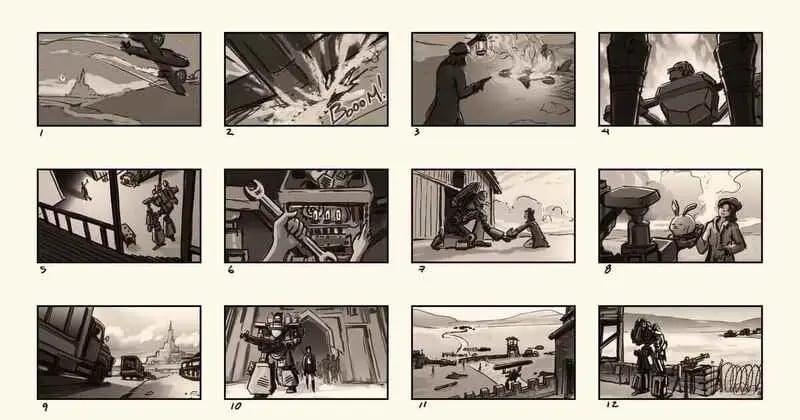
Hand-in-hand with concept art is the storyboard. Often referred to as the "comic book version" of the film, the storyboard provides the camera angles, framing, and action beats. It acts as the visual roadmap for the entire team, ensuring that when the animation process begins, every artist knows exactly where the camera sits and what the character’s emotional intent is within a specific frame.
Character Design and Development
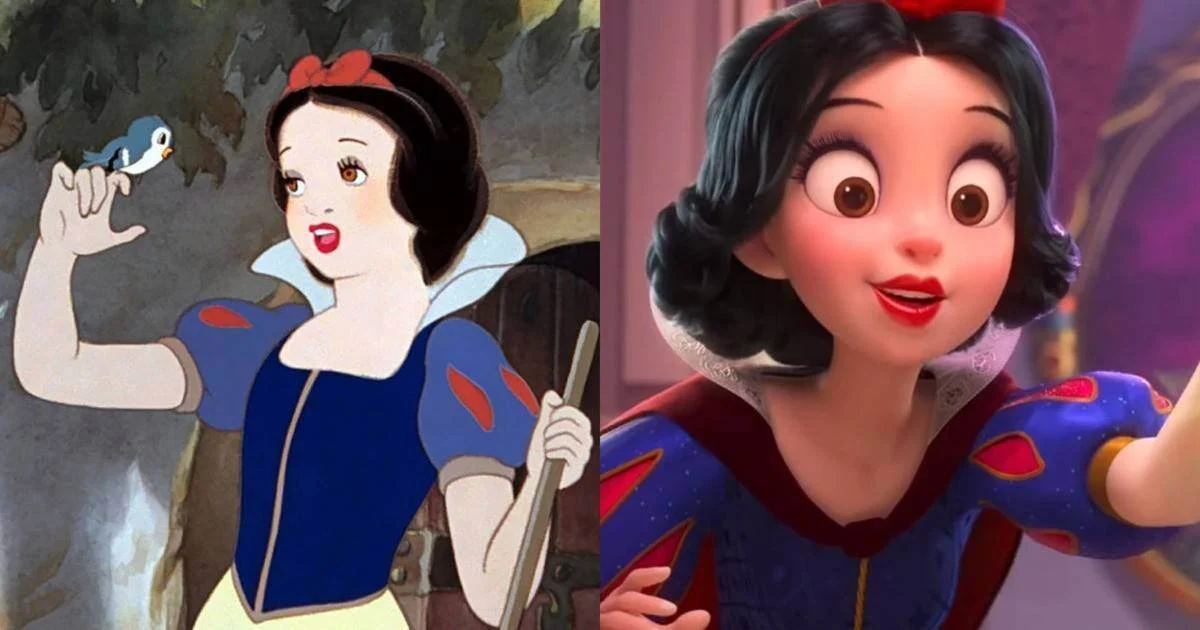
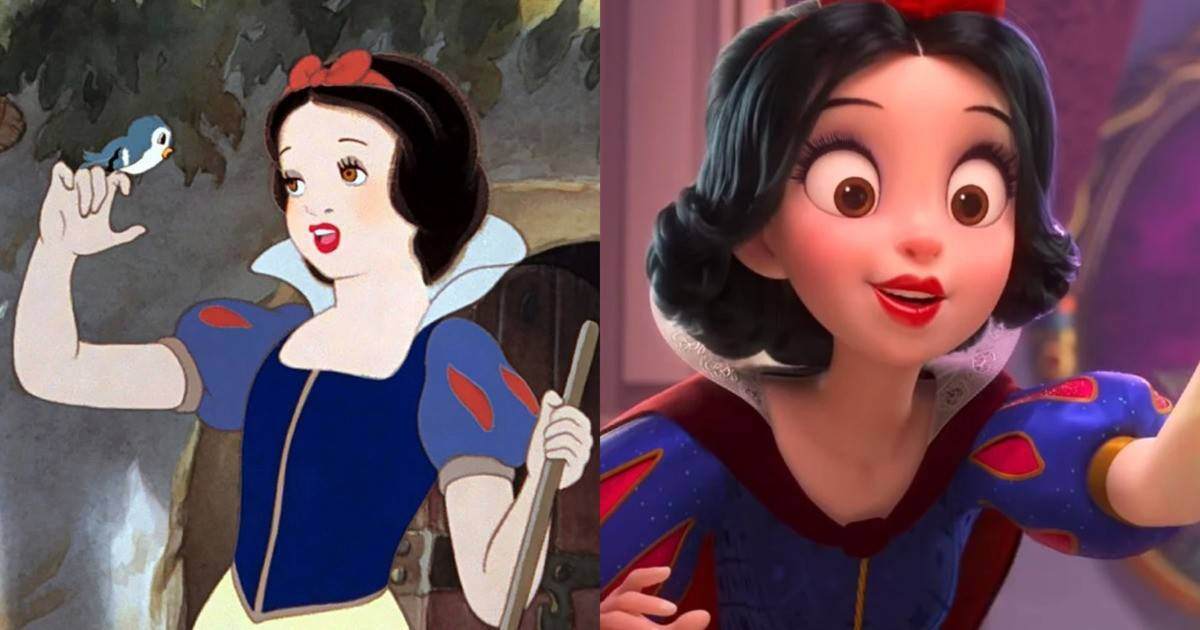
Characters are the heart of any animation. Designers must consider not just the aesthetic, but the "readability" of a character—how their silhouette and movement convey personality. In 3D production, this involves a transition from concept sketch to a "rigged" model. A rig acts as a digital skeleton, allowing animators to pose the model. This is a delicate balance; while 3D models allow for infinite movement, they must feel organic and believable to the audience.
Production: Breathing Life into the Vision
Once the foundation is set, the production phase begins. This is where the static designs and plans are translated into motion.
Layout and Design
Layout is the architecture of the animation. In this stage, environment artists build the 3D sets or 2D backgrounds, establishing the spatial relationships between characters and their surroundings. In 3D pipelines, this is where the camera is positioned in a virtual space, allowing directors to test out complex shots before the heavy-duty animation begins.
The Divergence: 2D vs. 3D Workflows
While the goal is the same, the paths differ significantly:
- The 2D Pipeline: Focuses on the frame-by-frame manipulation of drawings. Whether through traditional "cel" techniques or modern digital rigging, 2D animation relies heavily on the artist’s ability to maintain continuity between drawings.
- The 3D Pipeline: Leverages mathematical curves and skeletal rigging. Animators focus on "blocking"—placing key poses—and then using software to calculate the motion between those poses, known as "splining."
Key Techniques: Blocking, Breakdowns, and Polishing
"Blocking" is the most critical step in production. By focusing on the major story poses first, animators ensure the timing and spacing of a scene are correct before adding detail.
In 3D, animators often use "low-poly" models during the blocking stage. These simplified models allow for faster rendering times, enabling the animator to see their work in real-time without waiting for the computer to process complex textures or lighting. Once the movement is approved, the final "high-poly" model is swapped in. In 2D, this involves drawing the "key frames" and filling in the gaps with "in-betweens" to ensure the movement remains fluid.
Post-Production: The Final Polish
With the animation complete, the focus shifts to integrating all elements into a seamless experience.

Compositing and Editing
Compositing is the "invisible" art. It involves layering multiple render passes—lighting, shadows, reflections, and atmospheric effects—into a final shot. VFX artists add elements like fire, rain, or dust, utilizing simulations that mimic real-world physics. If the project involves live-action footage, the compositing team ensures that the lighting and motion of the animated elements perfectly match the film’s real-world environment.
Sound Design and Music Integration
Animation without sound is hollow. Sound designers create a soundscape that defines the world—the rustle of clothing, the subtle ambiance of a room, and the impact of footsteps. This auditory layer is what truly sells the "weight" and reality of an animated character.
Final Rendering and Output
Rendering is the final, computationally heavy stage where all data is converted into a finished visual sequence. This is where the artistic intent of the lighting, textures, and compositing is cemented. Once the renders are complete, the team performs a final color grade, ensuring that the color palette remains consistent throughout the entire film. The final files are then exported into the required distribution format, whether for the cinema, television, or streaming platforms.
Navigating Challenges in the Pipeline
Despite the best planning, production is rarely smooth. Common challenges include:
- Communication Gaps: When departments are siloed, misunderstandings about design or scope can lead to costly revisions.
- Technical Bottlenecks: Rendering errors or software crashes can halt progress, especially in 3D production.
- Scope Creep: Adding complex scenes or characters mid-production can derail the schedule.
The industry mitigates these risks through standardized workflows. Using strict naming conventions for files, clear communication platforms, and recurring "dailies" (where supervisors review work in progress) keeps the project moving toward the finish line.

Implications for Future Animators
The animation pipeline is more than just a list of steps; it is a collaborative language. For those aiming to enter the film or game industry, the ability to work within this framework is paramount. Studios look for artists who understand their place in the larger ecosystem—someone who knows how their specific task impacts the next person in the chain.
As technology evolves—with the integration of AI-assisted tools and real-time engines like Unreal Engine—the pipeline continues to change. However, the fundamental principles of visual storytelling, timing, and clear communication remain the hallmarks of a successful animator.
Conclusion: Your Career Starts Here
Understanding the animation pipeline is the first step toward a successful career. It transforms the overwhelming complexity of a production into a manageable, creative journey. Whether your passion lies in the conceptual artistry of pre-production or the technical precision of 3D compositing, mastering this pipeline is your ticket into the industry.
By streamlining your workflow, prioritizing communication, and constantly honing your technical skills, you can turn your creative passion into a professional reality. The studios of today are looking for disciplined, knowledgeable artists who respect the process as much as they love the art. Are you ready to take the next step?
For those serious about mastering these stages, seeking out structured mentorship—such as the programs offered by CG Spectrum—can provide the industry-standard training necessary to thrive in this competitive and rewarding field. Turn your passion for animation into a career today.
