
The Magic of the Silver Screen Endures: James Gray’s ‘Paper Tiger’ Marks a Triumphant NYFF Opening in 35mm
Main Facts
Film enthusiasts and cinephiles converged in Manhattan this week as acclaimed auteur James Gray’s gritty family crime saga, Paper Tiger, celebrated its anticipated North American premiere. Serving as the prestigious opening night selection for the New York Film Festival (NYFF), the film made a profound statement not just through its narrative weight, but through its physical medium. In an era dominated by high-definition digital projection and streaming optimization, distributor Neon ensured that Gray’s cinematic vision was honored in its purest form.
Neon announced an exclusive theatrical presentation strategy for the festival’s opening night on Friday, September 25, screening Paper Tiger entirely on pristine 35mm celluloid prints. The simultaneous gala presentations took place across two iconic Lincoln Center venues: Alice Tully Hall and the Walter Reade Theatre.
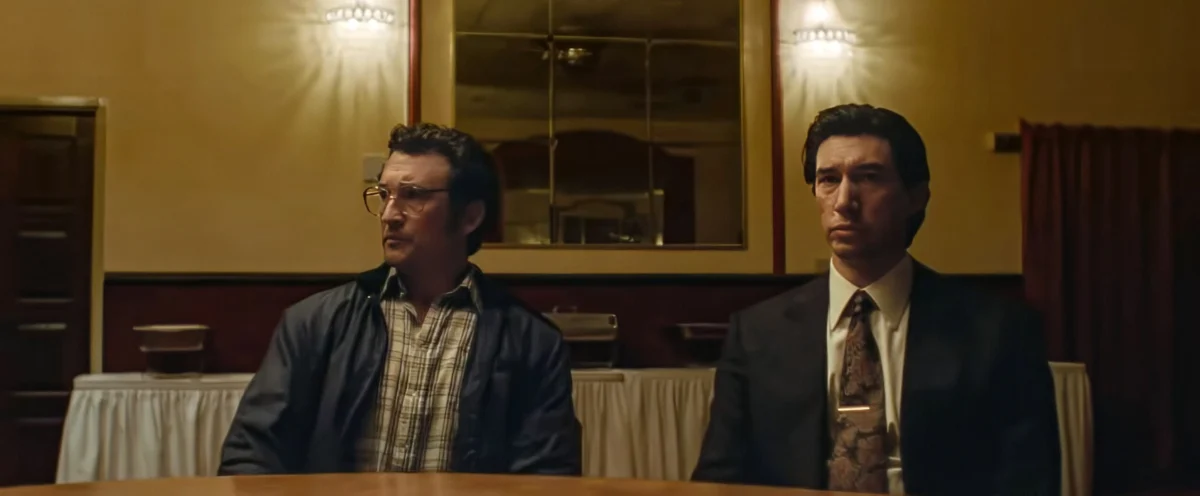
Featuring an all-star cast anchored by Adam Driver, Miles Teller, and Scarlett Johansson, Paper Tiger dives headfirst into the murky underworld of New York City’s docks. Driver stars as former police officer Gary Pearl, who pulls his brother Irwin (Teller) into a high-stakes business venture that proves to be a trap. Entangled with Russian mobsters and complicated by family secrets guarded by Hester (Johansson), the film explores the high human toll of chasing the elusive American dream. Following its splashy NYFF debut, Neon is scheduled to release the film widely in theaters on Friday, November 13.
Chronology of the Premiere and Rollout
The journey of Paper Tiger to the silver screen has been characterized by meticulous craftsmanship and strategic festival placement. The timeline of its premiere and upcoming promotional tour highlights the deliberate rollout championed by both Neon and the filmmaker:
- September 25: Paper Tiger officially opens the New York Film Festival with exclusive 35mm screenings across four staggered time slots:
- 6:00 p.m. at Alice Tully Hall
- 6:30 p.m. at Walter Reade Theatre
- 9:00 p.m. at Alice Tully Hall
- 9:30 p.m. at Walter Reade Theatre
- October 22: Director James Gray is scheduled to travel to the Virginia Film Festival, where he will receive the institution’s prestigious directing award. He will also participate in a live, on-stage Q&A session with Screen Talk co-hosts Anne Thompson and Ryan Lattanzio, later broadcast across podcast platforms.
- November 13: Neon officially launches Paper Tiger into commercial theatrical distribution nationwide.
Supporting Data and Production Insights
The decision to champion 35mm exhibition is far from a mere aesthetic preference; it represents a philosophical stance on the nature of visual storytelling. James Gray has been a vocal advocate for photochemical filmmaking, comparing the digital-versus-film debate to the enduring appeal of analog audio formats.

In recent discussions regarding the production, Gray drew a direct parallel to the music industry’s renaissance. "We went all digital in the ’80s and early ’90s, and all of a sudden people heard a vinyl record and went, ‘Wait a minute, that sounds better,’ because it’s a continuous signal," Gray explained. "The needle goes into the record, and the signal is continuous, and digital, of course, breaks it up into zeros and ones. That imperfection, the warmth, is what reminds us of who we are."
Behind the camera, Gray collaborated with a seasoned crew to ensure Paper Tiger captured the tactile grit required for a New York crime saga. Cinematographer Joaquin Baca-Asay utilized specific lighting and framing techniques tailored for the chemical properties of celluloid, while production designer Happy Massee reconstructed the weathered, atmospheric architecture of the city’s historic waterfront and docklands.
The technical specifications of the September 25 NYFF screenings underscore the logistical effort required to project 35mm prints across multiple large-scale venues simultaneously. Handling physical reels requires specialized projectionists and careful temperature-and-humidity-controlled storage, elements that modern multiplexes have largely phased out in favor of server-based digital cinema packages (DCPs).
Official Responses and Filmmaker Statements
The collaborative spirit between the director, the studio, and the festival was palpable in the official statements released surrounding the premiere. James Gray expressed profound gratitude for the physical exhibition of his work, emphasizing the collaborative efforts of his below-the-line department heads.
"There are many ways to watch a film today, and many can be beautiful. But a 35mm print, projected right, has that thing we call ‘the magic of the silver screen.’ There is just nothing else like it," Gray stated. He went on to dedicate the achievement to his creative partners: "A dream come to life, and I couldn’t be happier that my own work will be shown this way at NYFF. My director of photography, Joaquin Baca-Asay, my production designer, Happy Massee, and the rest of my wonderful crew deserve to have their work seen in this silky, indelible format. It reminds us that cinema is still unparalleled."

The sentiment was echoed by industry observers and critics present at Lincoln Center, many of whom noted the distinct visual texture of the grain, the deep blacks, and the organic contrast that only physical film stock can deliver. Neon, known for taking bold distribution bets on auteur-driven cinema, continues to position itself as a champion of theatrical purism, ensuring that high-profile titles retain their tactile cinematic identity before hitting wider, mixed-format markets.
Implications for the Industry and Cinephilia
The premiere of Paper Tiger on 35mm arrives at a critical juncture for the film industry. As artificial intelligence tools and automated digital workflows increasingly encroach upon traditional filmmaking processes, voices like James Gray’s serve as a vital counterweight.
Gray’s recent commentary on the limits of digital enhancement—and his warnings regarding AI-driven filmmaking—highlight a growing ideological divide within Hollywood. While major studios lean heavily into cost-cutting digital efficiencies, prestige filmmakers and independent distributors like Neon are discovering that audiences respond enthusiastically to authenticity, tactility, and human craftsmanship.
Furthermore, the robust attendance at the four simultaneous NYFF opening night screenings demonstrates that eventized celluloid exhibition remains a powerful draw. Film festivals are increasingly functioning as cultural sanctuaries where the ritual of communal, analog viewing is celebrated, preserving a direct lineage to the history of the medium.
As Paper Tiger prepares for its broader commercial release on November 13, its opening night success serves as a case study in modern film marketing. By wedding a star-studded crime narrative featuring Adam Driver, Miles Teller, and Scarlett Johansson with an uncompromising dedication to analog exhibition, the team behind Paper Tiger has turned a routine festival premiere into a major cultural event. In doing so, they have issued a potent reminder that the silver screen, when treated with reverence, retains an unreplicable magic all its own.
