
The Dual-Lantern Dilemma: How the "Lanterns" Finale Reconciles DCU Continuity
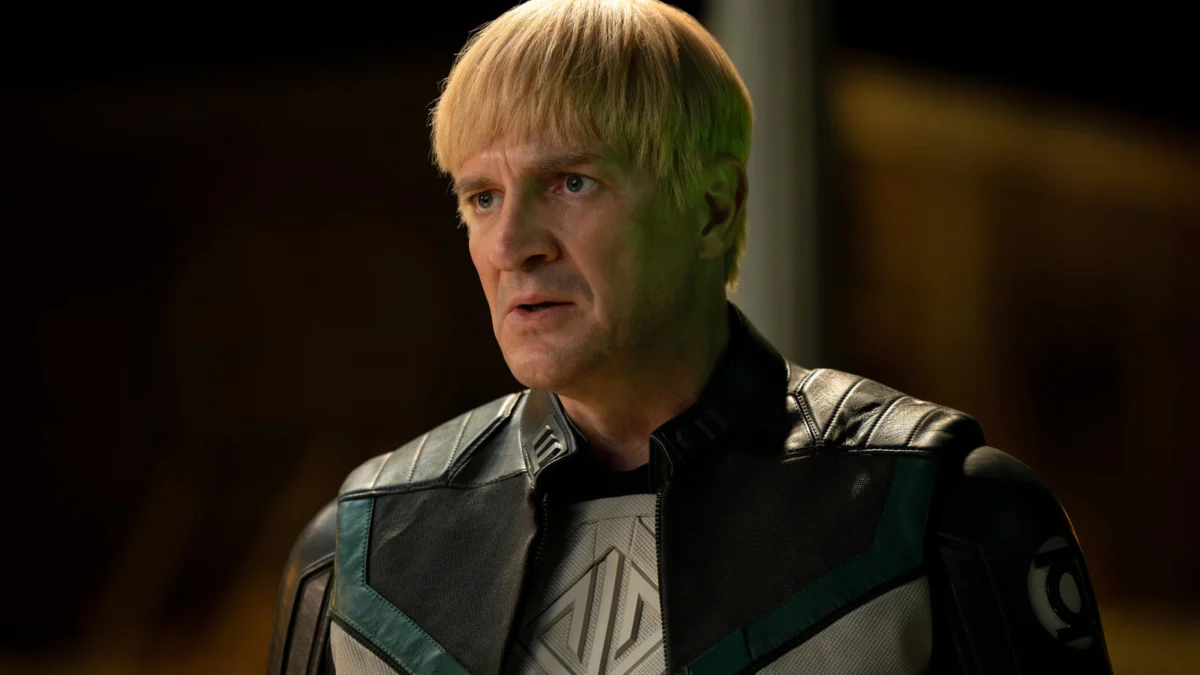
Warning: This article contains major spoilers for the Season 1 finale of HBO’s "Lanterns," titled "Dirt and Stars."
The inaugural season of HBO’s Lanterns has concluded, marking a pivotal moment in the ambitious expansion of the new DC Universe (DCU) helmed by James Gunn and Peter Safran. By eschewing the traditional space-opera scale in favor of a gritty, True Detective-style investigative procedural, the series managed to ground the cosmic absurdity of the Green Lantern Corps in a tangible, character-driven narrative.
However, as the dust settles on the season finale, fans are left with a significant logistical question regarding the DCU’s landscape: How does the franchise reconcile the existence of multiple Green Lanterns from Earth, specifically Guy Gardner (Nathan Fillion) and the newly minted John Stewart (Aaron Pierre), given the established lore that only one Lantern is permitted per sector? The finale of Lanterns provides an elegant, albeit legally complex, solution that sets the stage for the future of the DCU.
The Chronology of a Crisis
To understand the significance of the finale, one must look at the trajectory of the series. Lanterns began as a dark, atmospheric mystery centered on the death of Hal Jordan (Kyle Chandler). Throughout the season, the show delicately balanced its contained narrative with high-level worldbuilding, dropping breadcrumbs regarding the Yellow Lantern Corps, the sentient planet Mogo, and the fan-favorite drill sergeant Kilowog.
The season’s tension culminated in "Dirt and Stars," where the mystery of Hal Jordan’s murder was finally brought to a close. John Stewart, who had been grappling with the weight of the Power Ring and the responsibilities of the Corps, found himself at a crossroads. Following the resolution of the immediate threat posed by Noah Macon—a dangerous Manhunter capable of orchestrating the end of humanity—Stewart realized that his duty to Earth was far from over.
Stewart made a choice: he would retain the Power Ring, not as a standard-issue soldier of the Guardians, but as a guardian of Earth. This decision forced a confrontation with Guy Gardner, the established Lantern of Sector 2814, who had previously been introduced in Superman.
The "Independent Contractor" Solution
The core conflict—how can two men hold the mantle for the same sector?—was resolved through a clever administrative maneuver. Rather than a messy bureaucratic dispute with the Oa-based Guardians of the Universe, John Stewart effectively "coerced" Guy Gardner into a division of labor.
In a move that resonates with the history of DC Comics, where technicalities and legal loopholes often drive the narrative, Stewart negotiated a jurisdictional split. He informed the Guardians (via Gardner) that he would serve as Earth’s designated protector, while Gardner would retain his status as the roving Green Lantern for the remainder of Sector 2814.
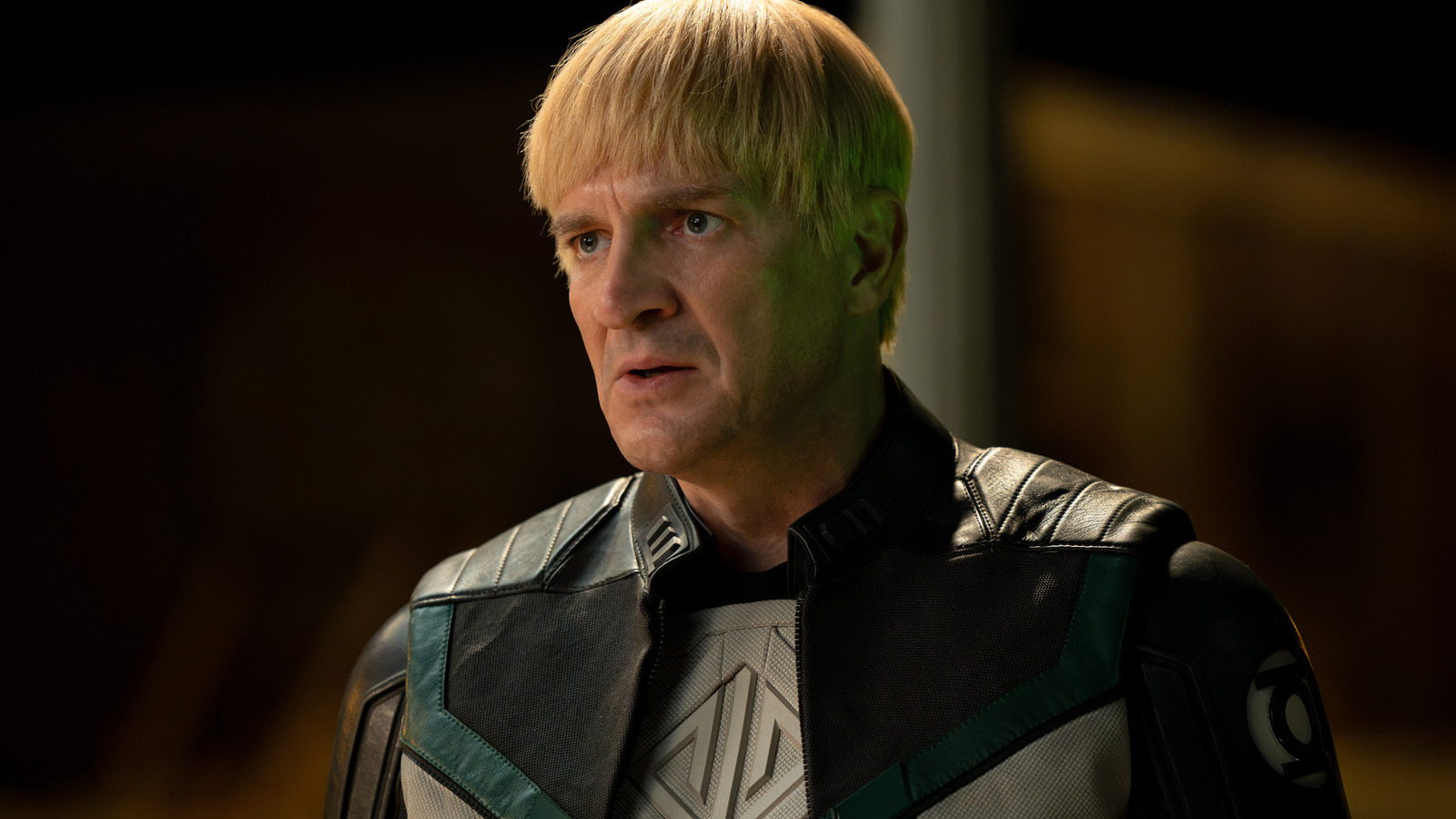
This creates a status quo where:
- John Stewart operates as an "independent contractor," focused exclusively on the terrestrial threats that the Guardians might otherwise overlook or deem beneath their station.
- Guy Gardner is freed to pursue the high-stakes, "fun" space adventures that involve the wider cosmic tapestry of the DCU, including missions with the broader Green Lantern Corps.
This resolution is not merely a plot device; it is a structural necessity for the DCU. By separating their operational theaters, the creative team has ensured that both actors—Aaron Pierre and Nathan Fillion—can exist in the cinematic universe without violating the lore-heavy "one Lantern per sector" rule.
Supporting Data: The Lore of the Corps
The Green Lantern mythos has always been defined by its rigid, almost militaristic structure. The Guardians of the Universe, the ancient architects of the Corps, are notorious for their lack of sentimentality and their adherence to protocol. For decades, the comics have explored the tension between the Corps’ rules and the individual heroism of its members.
In the source material, the concept of a "Sector Partner" or a renegade Lantern who operates outside of the traditional hierarchy is a frequent trope. John Stewart’s decision to operate as an independent entity reflects the spirit of the comics, where characters like Kyle Rayner or Hal Jordan have often operated on the fringes of, or entirely separate from, the official Oa hierarchy.
Furthermore, the introduction of the Manhunters—an obsolete robotic police force created by the Guardians—serves as a thematic anchor for the series. By tasking John with monitoring the threat of Noah Macon, the show reinforces the idea that the Guardians are often fallible, and that Earth requires a more hands-on, localized form of protection.
Official Responses and Creative Vision
While DC Studios has kept its cards close to the vest regarding the exact roadmap for Man of Tomorrow and subsequent projects, the creative intent behind Lanterns is clear: worldbuilding through character study.
By grounding the show in the "True Detective" tone, the producers ensured that the audience would be invested in John Stewart’s internal moral compass before he ever donned the full mantle of the Green Lantern. The decision to make Stewart the "face" of Earth’s protection is a strategic move, positioning him as the primary point of contact for the Justice League and other future DCU ensembles, while allowing Guy Gardner to function as the wild card of the cosmos.
The showrunners have hinted that this "independent contractor" status is merely the beginning of a larger exploration of the Power Ring’s limitations. If a Lantern can simply decide to work independently, what does that mean for the authority of the Guardians? The finale leaves this question open, providing a fertile ground for future conflict in Season 2 or within the larger cinematic slate.
Implications for the DCU
The implications of this finale are far-reaching. By successfully navigating the "two Lanterns" problem, DC Studios has provided a blueprint for how they plan to handle other legacy characters and mantle-sharing scenarios.
1. Narrative Flexibility
The "Independent Contractor" status allows the studio to place John Stewart in grounded, terrestrial-focused films (perhaps even serving as a lead or key player in a Justice League or Titans project) while keeping Guy Gardner available for space-based adventures or crossovers with characters like Lobo or the New Gods.
2. A Shifting Power Dynamic
The relationship between Stewart and the Guardians is now inherently adversarial. Because Stewart is not technically a traditional member of the Corps, he is not bound by the same oaths or restrictions. This sets up a potential "Guardians vs. Earth" conflict that has been a staple of the comic books for years.
3. The Legacy of Hal Jordan
Though Hal Jordan is dead, the show has ensured that his legacy remains the foundation upon which Stewart and Gardner build their own paths. The mystery of his death was not just a plot point; it was a catalyst that forced the two remaining Lanterns to define their roles in a post-Jordan universe.
Conclusion
The Lanterns finale succeeds because it acknowledges the audience’s need for logical consistency while refusing to be stifled by it. By introducing the concept of the "independent contractor," the writers have effectively bypassed the rigidity of comic book canon to create a more dynamic, flexible future.
As the DCU prepares to move forward with Man of Tomorrow, the stage is set for a new era of Green Lantern stories—one where the ring is not just a tool for galactic policing, but a symbol of personal agency and moral responsibility. John Stewart has chosen his path, and in doing so, he has secured his place as a cornerstone of the new DC Universe. The sector is safe, the rules are intact, and the adventures are only just beginning.
