
Shadows in the Machine: John Torres’ ‘The Remotes’ Redefines Filipino Neo-Noir
By Alex Billington
October 6, 2026
In the neon-soaked, fog-drenched landscape of modern Manila, a new cinematic voice has emerged to challenge the boundaries between surveillance, grief, and the encroaching digital abyss. The Remotes, the latest feature from acclaimed Filipino filmmaker John Torres, has officially debuted its first trailer, offering a haunting glimpse into a world where technology and human sorrow become inextricably linked. Having recently captivated audiences at both the Toronto International Film Festival (TIFF) and the New York Film Festival (NYFF), the film is quickly establishing itself as a seminal work of experimental art-house genre cinema.
The Premise: A Digital Descent into Mourning
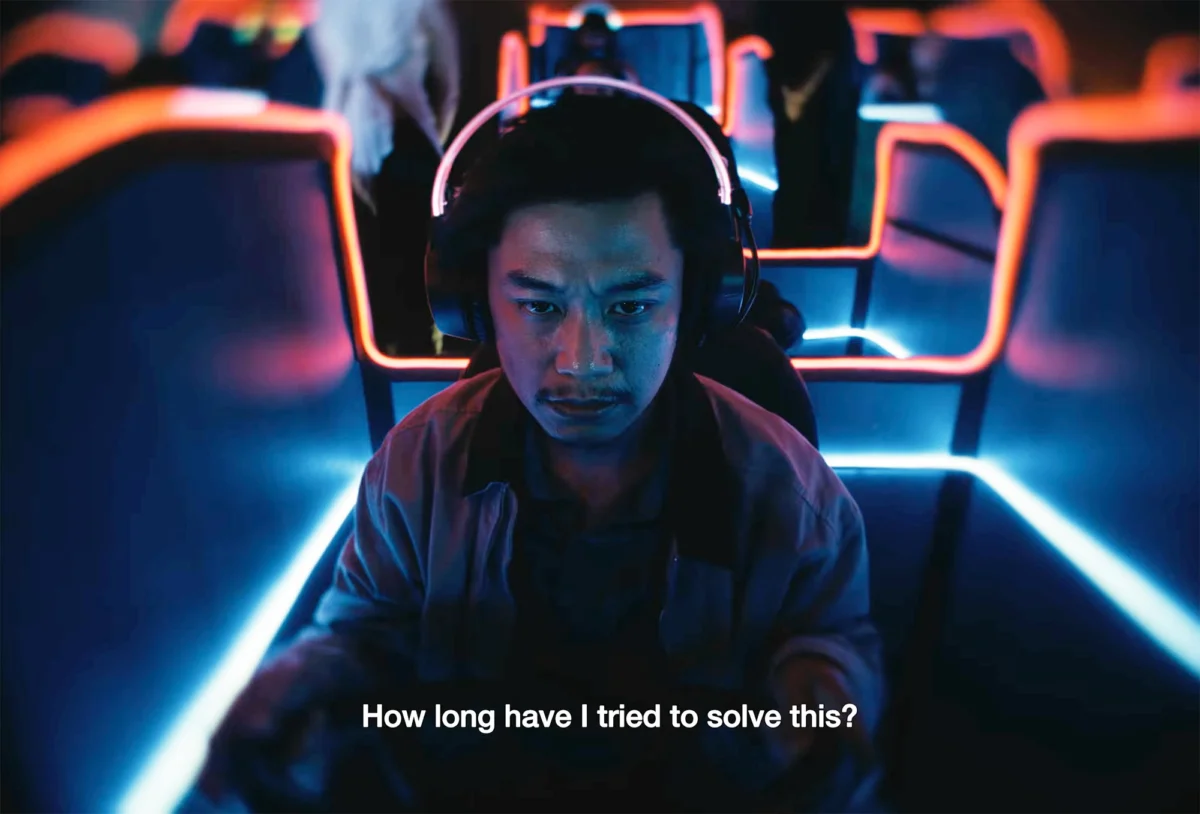
At its core, The Remotes is a "sci-fi-tinged neo-noir" that functions as much as a psychological character study as it does a detective thriller. The narrative follows a grieving detective, a man hollowed out by the loss of his wife in a mysterious accident linked to a ubiquitous, sinister navigation app. As he begins to investigate two sisters whose lives are entangled with this technology, he finds himself losing his grip on reality.
The film posits a terrifyingly plausible future: a world where unseen voices—or perhaps algorithms—begin to dictate the movements of the citizenry. As the detective peels back the layers of the mystery, he realizes he is not merely investigating a crime, but surrendering to the very forces that automate the human experience. It is a slow-burn descent, a hypnotic meditation on how grief creates a vacuum that technology is all too eager to fill.
Chronology of a Festival Darling
The journey of The Remotes began in the creative crucible of Manila’s independent film scene. Director John Torres, known for his boundary-pushing works such as Lukas the Strange and People Power Bombshell: The Diary of Vietnam Rose, spent years conceptualizing a project that would marry his interest in documentary realism with the high-concept tropes of speculative fiction.

- Development and Production: Collaborating with screenwriter Dodo Dayao, Torres sought to create a script that felt less like traditional dialogue and more like the fragmented, impressionistic memories of a city under constant observation. Produced by a team including Sherad Sanchez and Shireen Seno, the project was designed to be as technically innovative as it was narratively complex.
- Autumn 2026 Festival Circuit: The film made its international debut this fall at the Toronto International Film Festival, where it was lauded for its visual audacity. This was followed by a high-profile screening at the New York Film Festival, where critics noted its unique ability to "expand and compress time," creating a viewing experience that feels as disorienting as the lives of its protagonists.
- The Trailer Release: As of early October 2026, the official trailer has been released to the public, signaling the film’s transition from exclusive festival screenings to the broader cultural consciousness.
The Artistic Vision: Why Longing is Infrastructure
John Torres has been vocal about the philosophical underpinnings of his work. In his own words, "The Remotes is about how longing can become infrastructure. How grief stifles us while technology listens in and automates our choices in life."
Torres envisions a society where individuals willingly surrender their autonomy to digital entities because these entities offer the phantom comfort of those we have lost. It is a cynical yet deeply empathetic take on the modern condition. The technology in the film does not merely track movement; it curates identity, guiding the characters toward specific paths—literally and metaphorically—that keep them tethered to their pasts.
The film stars a powerhouse ensemble of Filipino talent, including Alchris Galura, Gabby Padilla, Julia Richards, and Enchong Dee. Each performance is reportedly dialed to a state of quiet, simmering tension, reflecting the film’s "moody, fog-enshrouded" aesthetic.
Supporting Data: A Response to the Surveillance State
To understand The Remotes, one must understand the environment in which it was born. The film is, in many ways, an aesthetic response to the political climate of the Philippines, specifically the long-lasting impact of former President Rodrigo Duterte’s "war on drugs."
The "surveillance state" that resulted from those years is the invisible antagonist of the film. Torres utilizes the city of Manila as a character in itself—a sprawling, concrete labyrinth that remembers every transgression. By weaving the history of state-sanctioned surveillance into the fabric of a sci-fi mystery, Torres creates a "new stylistic blueprint." He forces the audience to confront the reality that our modern digital tools—apps, GPS trackers, and AI-driven recommendations—are merely the latest iterations of a desire to control the body and the mind.

The film’s visual language, which blends documentary-style footage with surrealist noir tropes, serves to ground these heavy themes in a tangible, recognizable world. It is not a film of high-octane action, but rather a film of oppressive atmospheres, where the terror lies not in what is seen, but in the suggestion that we are being watched.
Official Responses and Critical Reception
The critical reception thus far has been overwhelmingly positive, particularly among proponents of slow cinema and experimental genre films. The NYFF program notes highlighted the film’s "original, visually striking form of neo-noir," commending Torres for his ability to fuse the disparate genres of sci-fi and documentary.
"It is a thought-provoking inquiry into the larger forces—political, technological—that conspire to control our bodies and identities," the NYFF review stated. The consensus among those who have seen it is that The Remotes represents a maturation of Torres’ style, proving that he can handle high-concept genre elements without sacrificing the raw, humanistic core that has defined his earlier work.
Fans of The Film Stage and FirstShowing have noted the trailer’s haunting score and the deliberate, measured pacing, which suggests a film that prioritizes mood over traditional narrative payoffs. It is a polarizing approach, certainly, but one that is essential for a film that aims to mirror the suffocating nature of grief.
The Implications: Where Do We Go From Here?
The release of The Remotes comes at a time when global discourse regarding AI and surveillance is at a fever pitch. By anchoring his narrative in the specific, localized history of the Philippines, Torres elevates the conversation to a universal level.

- Technological Fatalism: The film challenges the audience to consider if our digital tools are truly "conveniences" or if they are, as Torres suggests, infrastructure for our own emotional entrapment.
- The Evolution of Noir: The Remotes signals a shift in the noir genre. While classic noir relied on the shadows of the physical city, modern noir—as interpreted by Torres—relies on the shadows of the digital interface. The "femme fatale" is replaced by the "perfect algorithm."
- Filipino Cinema on the Global Stage: The success of The Remotes at TIFF and NYFF is a testament to the growing global appetite for Southeast Asian cinema that refuses to cater to Western tropes. Torres is a filmmaker who demands that the world look at the Philippines not just as a location, but as a site of profound intellectual and artistic labor.
Looking Ahead: The Wait for Distribution
Despite the buzz generated by its festival run, The Remotes currently has no official wide-release date. For a film of this nature—challenging, experimental, and deeply atmospheric—distribution is always the final hurdle. However, given the intensity of the response and the pedigree of the cast and crew, it is highly probable that we will see this film hit major streaming platforms or independent cinema circuits in the coming year.
As we wait for further updates, one thing is certain: The Remotes is not a film meant to be watched passively. It is a film that demands engagement, that requires the viewer to lean into the discomfort of the surveillance age, and that asks a simple, terrifying question: When you surrender your choices to the machine, are you still the one driving?
For those who appreciate cinema that lingers in the mind long after the screen goes dark, The Remotes is already being hailed as a "must-watch." Keep your eyes on the horizon for further news regarding the theatrical rollout of this haunting, essential masterpiece.
Stay tuned to FirstShowing for more updates as they become available. Who else is eager to step into the world of John Torres’ latest vision? Let us know in the comments below.
