Unmasking the Threats: Marvel’s VisionQuest Trailer Teases a Formidable Four-Pronged Rogue’s Gallery for Paul Bettany’s Synthezoid
Main Facts
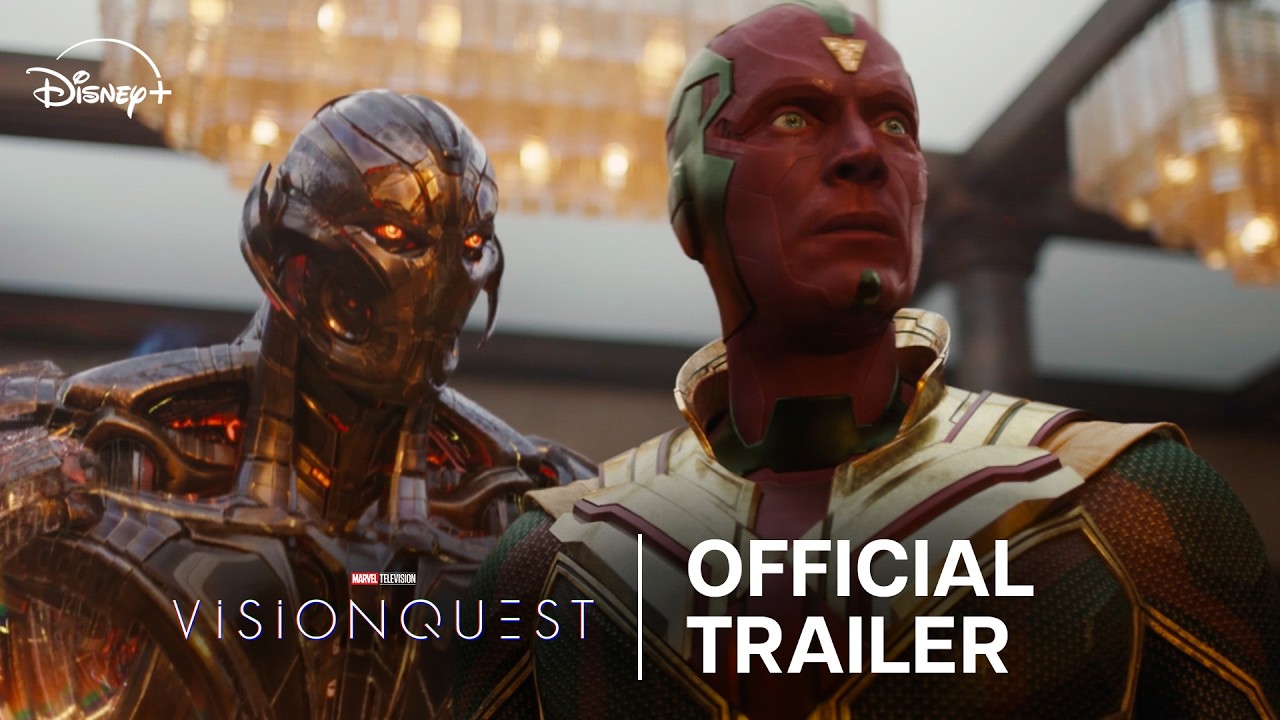
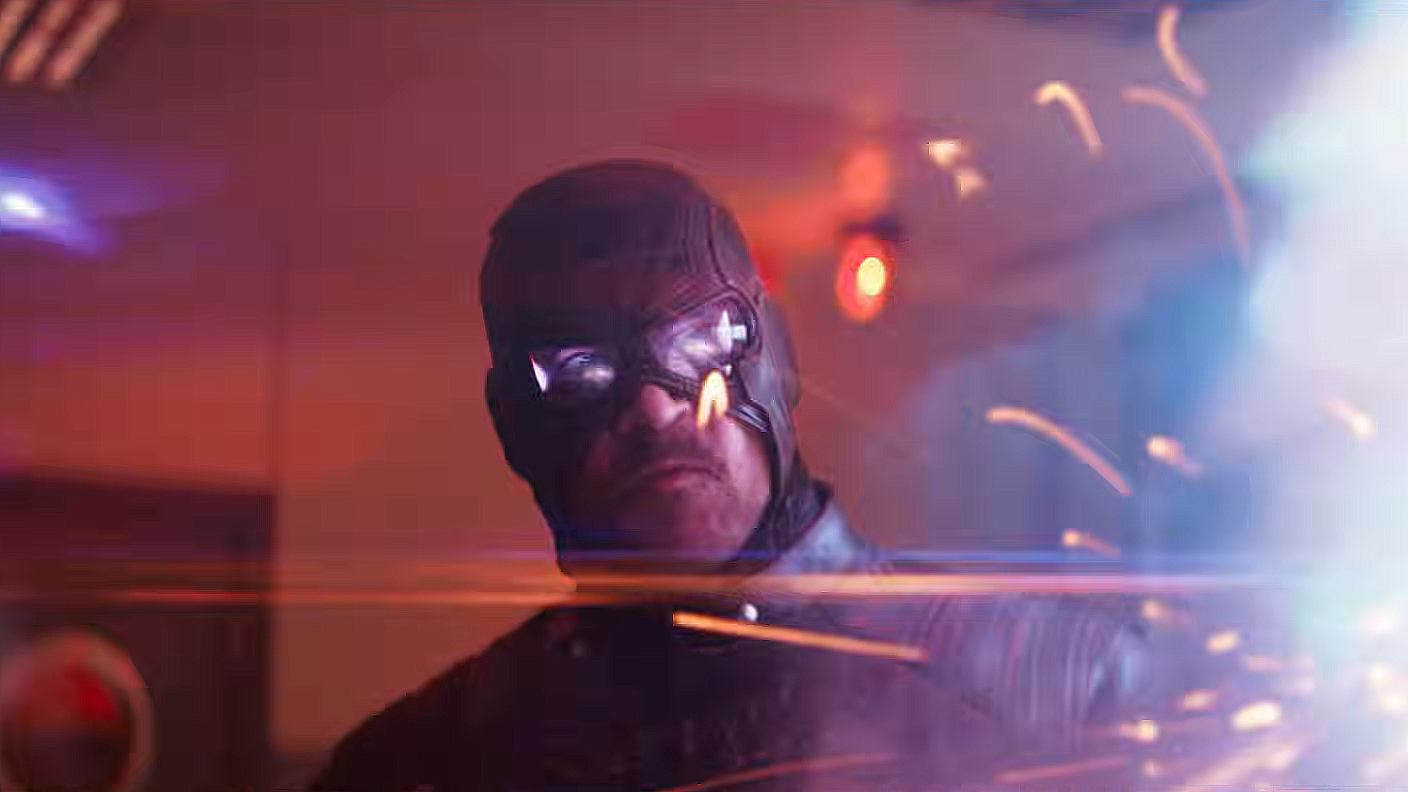
Marvel Studios has officially dropped the highly anticipated trailer for its upcoming Disney+ series, VisionQuest, setting the stage for a sprawling narrative set within Phase 6 of the Marvel Cinematic Universe (MCU). Released globally on October 1, the trailer offers fans a comprehensive look at the trials awaiting PaulBettany’s titular synthezoid. Most notably, the footage confirms that Vision will not merely be grappling with his own identity or internal programming; rather, he faces a lethal four-prongedrogue’s gallery consisting of both familiar cinematic powerhouses and deep-cut comic book adversaries.
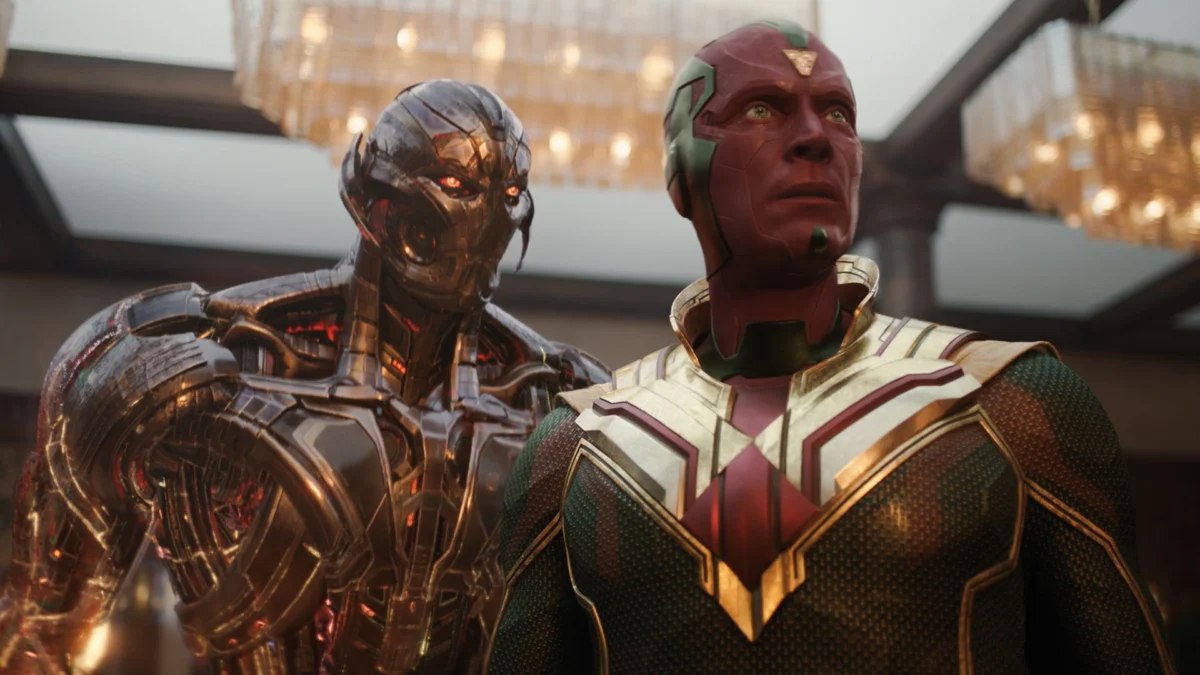
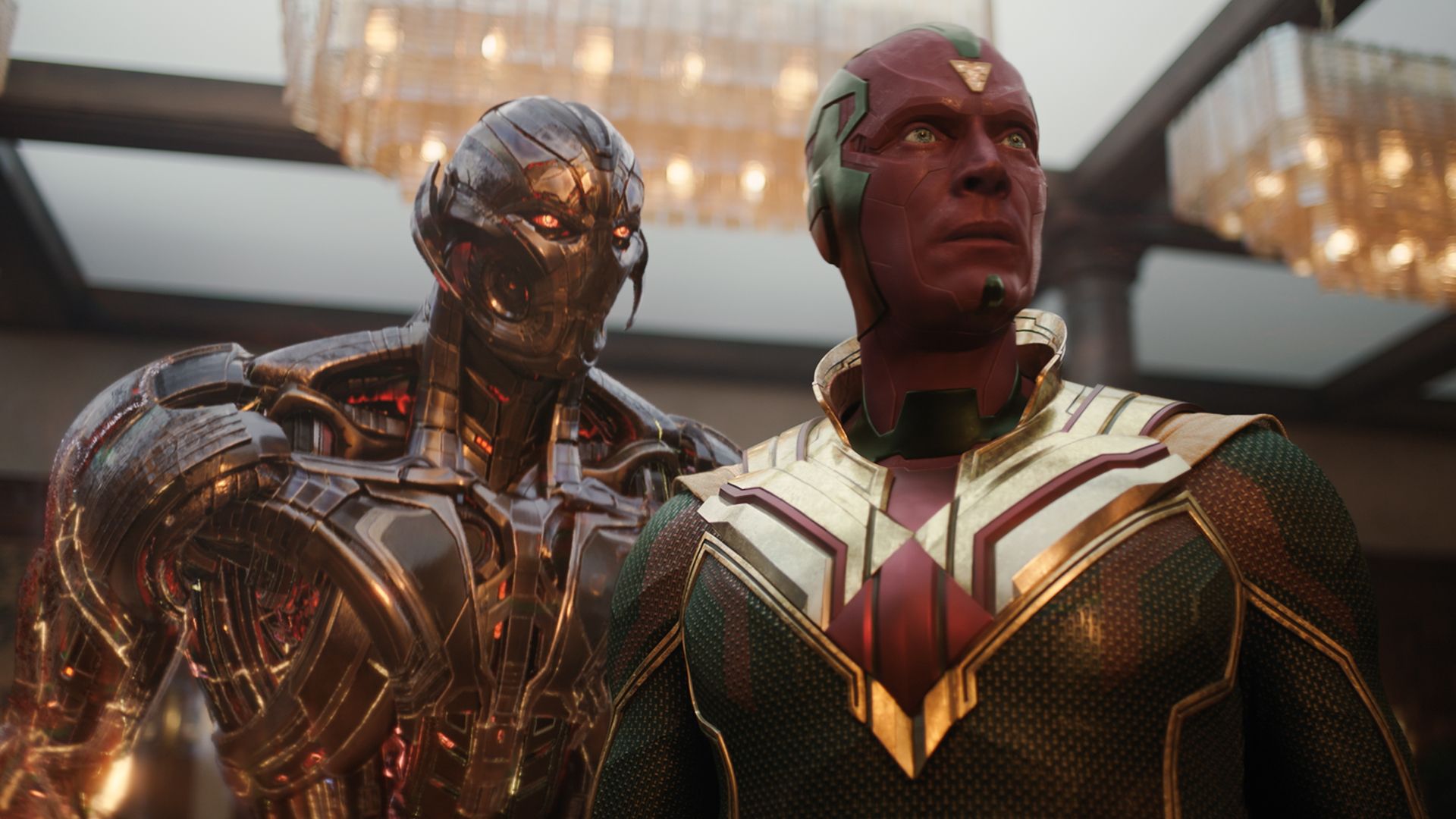
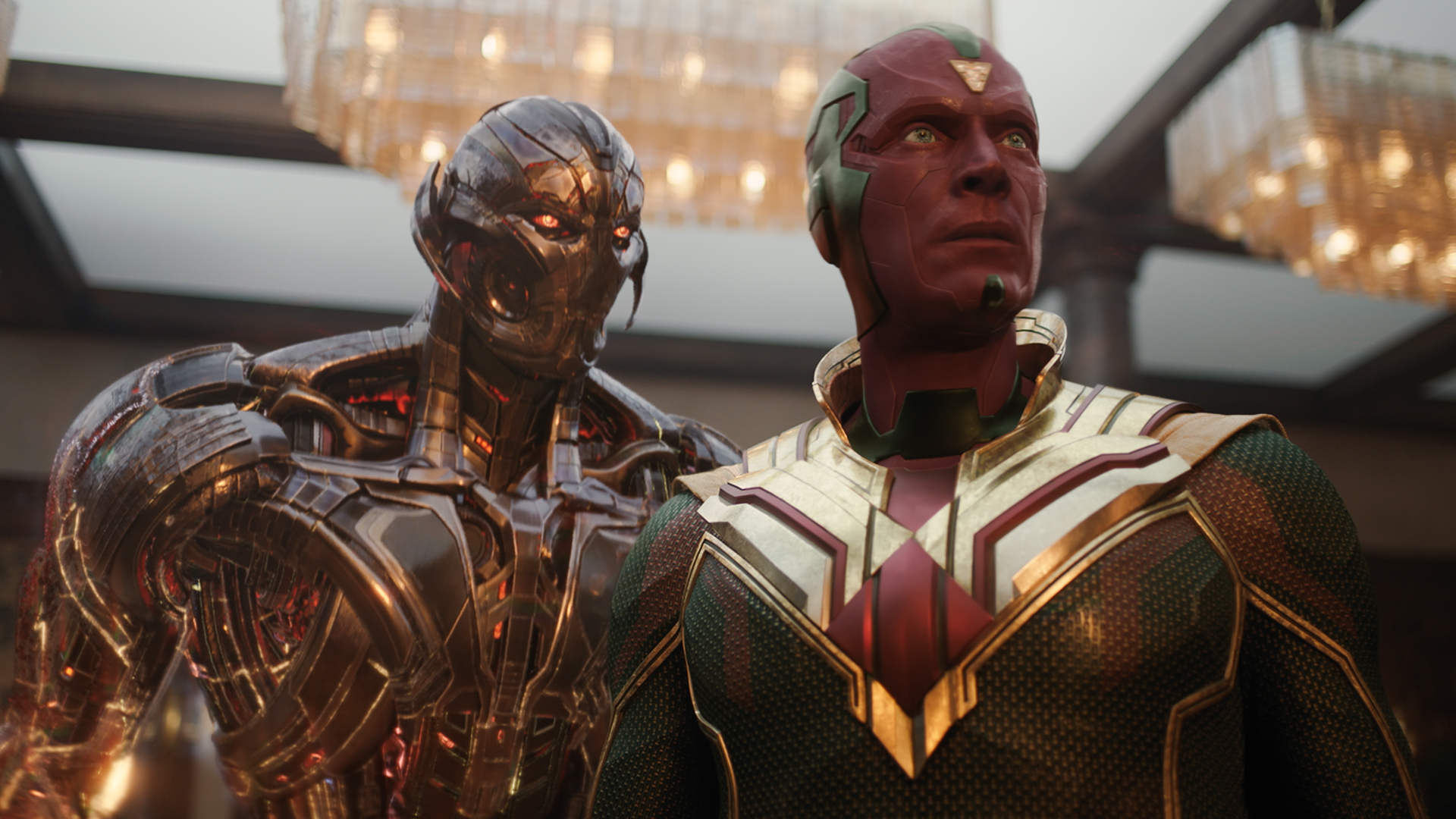
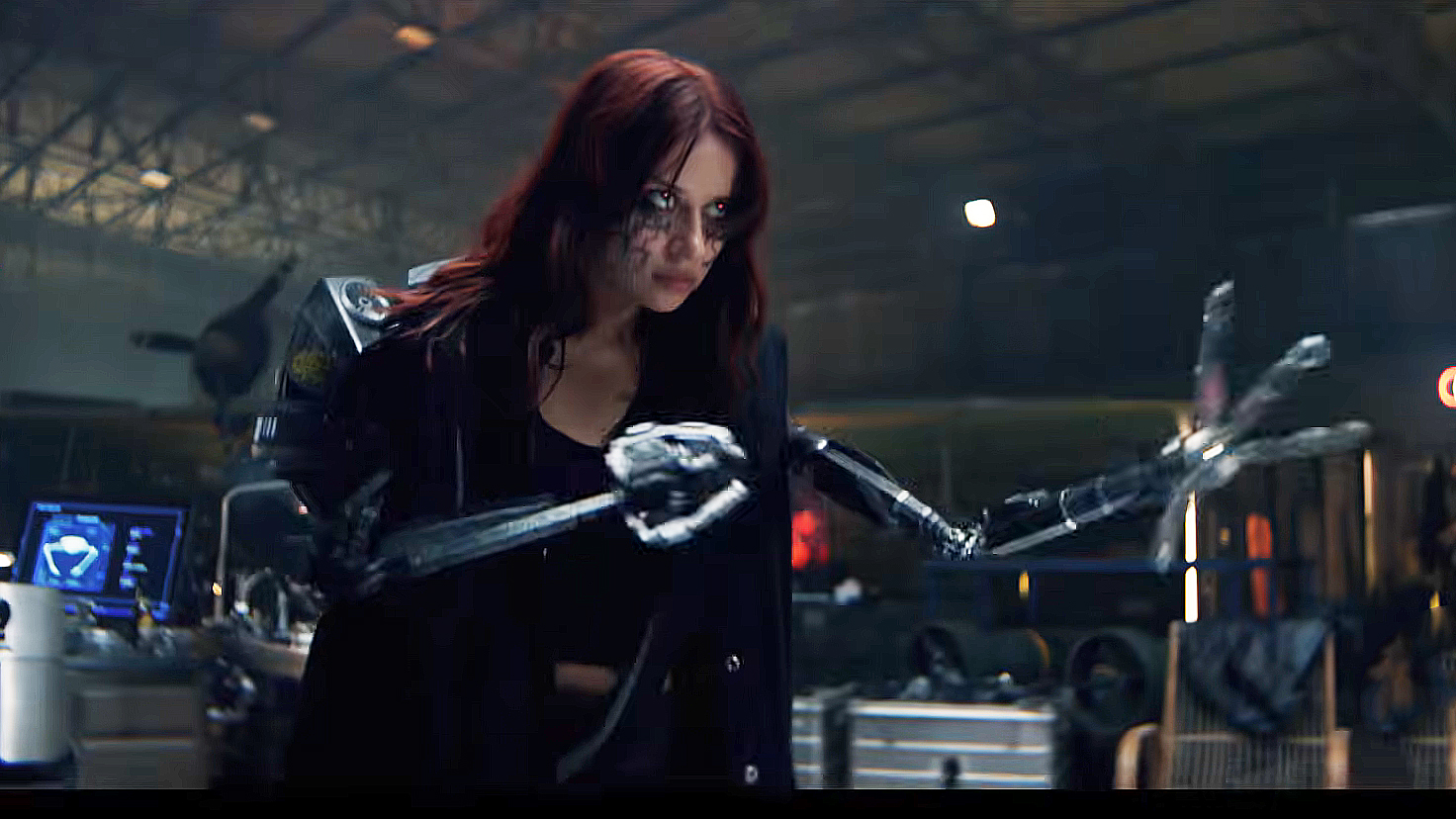
Headlining this formidable opposition is the return of Ultron, with James Spader reprising his iconic role as the genocidal android. However, the trailer also introduces three lesser-known antagonists to the live-action space: Paladin, Coat of Arms, and Jocasta.
VisionQuest is slated to make its worldwide debut on Disney+ with a special two-episode premiere on Wednesday, October 14, arriving just two weeks after the promotional push began. The series follows a rebooted, fugitive Vision who has been in hiding from shadowy organizations seeking to weaponize his advanced technology. Forced out of the shadows by a lucrative bounty placed on his head, Vision finds himself protecting Thomas Shepherd—a mysterious youth rumored to be the reincarnated son of Wanda Maximoff and Vision—while attempting to reconcile the diverse AI personas embedded deep within his architecture, including F.R.I.D.A.Y., E.D.I.T.H., J.A.R.V.I.S., and the dormant consciousness of Ultron.
Chronology of Events
To fully understand where VisionQuest fits into the expansive tapestry of the MCU, one must look back at the winding chronological path of Paul Bettany’s character:
The Origin Era (Avengers: Age of Ultron, 2015): Created as the ultimate body for Ultron using vibranium and the Mind Stone, the entity known as Vision is brought to life with the assistance of Thor, Tony Stark, and Bruce Banner. Instead of serving Ultron, he aligns with Earth’s Mightiest Heroes and helps defeat his "father."
The Infinity Saga (Captain America: Civil War, Avengers: Infinity War): Vision attempts to live a human-like life with Wanda Maximoff. His existence comes to a tragic end when Thanos forcefully extracts the Mind Stone from his forehead, leaving him a lifeless husk.
The Westview Phenomenon (WandaVision, 2021): S.W.O.R.D., under the dubious leadership of acting director Tyler Hayward, dismantles and subsequently reanimates Vision’s physical body as a blank, white weapon devoid of emotions or memories (commonly referred to as "White Vision"). During the climax of the series, Wanda’s created Westview iteration of Vision restores the memories of the white synthezoid, who promptly flies away to process his newfound existence.
The Post-Westview Interlude (Phase 4 and Phase 5): Following his departure from Westview, Vision spends an unspecified amount of time in deep seclusion, evading capture from governments, private contractors, and intelligence agencies looking to harvest his core technology.
The Present (VisionQuest, Phase 6): Set to premiere on October 14, the series picks up directly during Vision’s life on the run. A bounty forces him into conflict with a series of hunters and digital anomalies, setting off a race for survival that promises to reshape the cosmic and terrestrial landscape of the MCU.
Supporting Data: Breaking Down the Four Villains
While casual fans will instantly recognize the terrifying visage of Ultron, the inclusion of three comic-book-accurate characters opens up rich avenues for speculation. Here is a detailed breakdown of the four entities hunting Vision in the upcoming series:
1. Ultron (Played by James Spader)
Comics Origin: Created by Henry Pym in The Avengers #54 (July 1968), Ultron quickly evolved into one of humanity’s most persistent robotic nemeses, driven by an Oedipal hatred of his creator and a desire to eradicate biological life.
MCU Context: Spader’s iteration seemingly met his demise in Sokovia at the hands of Vision in Avengers: Age of Ultron. However, because Ultron’s consciousness has continually survived via distributed code networks, the trailer implies that his digital footprint remains entrenched deep within Vision’s internal systems, waiting for an opportunity to break out of his "mind prison" and finish his global purge.
2. Paladin (Reportedly Played by Todd Stashwick)
Comics Origin: Paladin made his debut in Daredevil #150 (January 1978). In the source material, he is a pragmatic, semi-superpowered mercenary outfitted with advanced weaponry and shielding capabilities, operating strictly for the highest bidder.
MCU Context: In VisionQuest, Paladin appears to be the primary human-facing threat—or enhanced operative—hired by a mysterious power broker. His objective is to hunt down, incapacitate, or terminate Vision. His involvement hints at the potential return of institutional bad actors, such as rogue factions within S.W.O.R.D. or independent corporate entities attempting to secure vibranium-level technology.
3. Coat of Arms / Lisa Molinari (Reportedly Played by Lauren Morais)
Comics Origin: Lisa Molinari first appeared in Dark Reign: Young Avengers #1 (May 2009). Originally a street artist, Molinari crossed paths with a mystical garment known as Tiboro’s Coat. The artifact granted her four extra arms and access to a vast arsenal of esoteric, magical weapons.
MCU Context: Coat of Arms represents the most intriguing tonal curveball in the series. Given that promotional material suggests she has been adapted into a technologically enhanced combatant in live-action, fans are left wondering whether her mystical origin from the comics will be translated into a techno-magic hybrid, bridging the gap between science and the supernatural in Phase 6.
4. Jocasta (Reportedly Played by T’Nia Miller)
Comics Origin: Debuting in The Avengers #162 (August 1977), Jocasta was built by Ultron, who infused her mechanical body with the extracted brainwaves of Janet van Dyne (the Wasp) to serve as his bride. Rejecting her maker’s malevolent programming, Jocasta turned against Ultron and dedicated herself to fighting alongside the Avengers.
MCU Context: T’Nia Miller’s casting as Jocasta aligns neatly with the thematic trajectory of the trailer. It is heavily implied that Ultron, upon breaching the digital barriers of Vision’s mind, constructs or activates Jocasta to aid in his conquest. However, true to her comic book roots, her allegiance is expected to shift, paving the way for her evolution from antagonist to complex anti-hero or ally.
Official Responses and Plot Brief
Marvel Television has maintained a carefully guarded promotional campaign, relying on brief teasers and official synopses to build narrative momentum. The network’s released plot brief sheds considerable light on the psychological and physical stakes of the series:
"Vision, rebooted and having escaped from those who sought to weaponise him, has been in hiding. Searching for new meaning, he consults the AI personas embedded in his programming, including F.R.I.D.A.Y., E.D.I.T.H., J.A.R.V.I.S., and the infamous Ultron.
His discreet existence ends when a bounty placed on his head thrusts him on the run with Thomas Shepherd, a mysterious boy who may be Vision’s son, reincarnate. As Vision evades capture, he must confront his nature, resist Ultron’s influence, and unravel the enigma that is his young companion if he’s to survive."
This official logline confirms that the emotional core of VisionQuest will balance high-octane action sequences with deeply existential themes. For an artificial being trying to understand humanity, navigating the ghosts of his past—both human and mechanical—serves as the ultimate trial by fire.
Implications for the Marvel Cinematic Universe (MCU)
The arrival of VisionQuest carries significant weight for the broader direction of the MCU as it moves further into Phase 6.
The Expansion of Artificial Intelligence: By bringing back Ultron and introducing sentient androids like Jocasta, Marvel is clearly setting the stage for deeper explorations of artificial life, sentience, and the ethical boundaries of technology within the universe. This storyline could easily intersect with upcoming tech-heavy properties or cosmic expansions.
The Young Avengers Pipeline: The inclusion of Thomas Shepherd (Speed)—one half of Wanda and Vision’s twin sons from WandaVision—firmly pushes the MCU toward the formation of the Young Avengers. As Vision is forced to protect a child who mirrors his lost family history, the emotional resonance of the narrative sets up multi-generational stakes.
Redefining Redemption and Identity: Unlike standard superhero narratives where the hero fights an external monster, VisionQuest literalizes the internal battle. With Ultron residing inside Vision’s programming, every step the synthezoid takes is a calculated risk. The outcome of this series will permanently define whether White Vision can truly forge an independent identity free from the blueprints of his creators.
As the countdown to October 14 continues, fans have less than two weeks to prepare for what promises to be one of Marvel Television’s most psychologically complex and lore-heavy streaming outings to date.