
The Strategic Value of Domain Redirection: A Comprehensive Guide to Typosquatting Protection and Brand Integrity

In the digital age, a domain name is more than just an address; it is the cornerstone of your brand’s online identity. However, even the most meticulously crafted digital storefronts are susceptible to the vagaries of human error, keyboard slips, and linguistic nuances. As businesses expand their digital footprint, the practice of acquiring multiple domain variants—and implementing 301 redirects—has transitioned from a niche technical trick to a fundamental pillar of professional brand management and search engine optimization (SEO).
Main Facts: The Logic Behind Multiple Domains
When a business secures a primary domain, it often leaves the door open to lost traffic. Users may intuitively type ".com" when a site is registered as ".org," or they may misspell a brand name that contains diacritics, accent marks, or common phonetic variants.
The core strategy here is to acquire these "protective" domains and implement a 301 redirect. A 301 redirect is a permanent redirection from one URL to another. It tells search engines—and browsers—that the requested page has moved permanently, effectively "forwarding" the authority and the visitor from the misspelled or alternative domain to your primary, correct website.
The beauty of this strategy lies in its efficiency: you only pay the registration fees for the additional domains. Because these domains serve merely as "pointers," they do not require additional hosting packages, server maintenance, or complex infrastructure, making it a cost-effective way to secure your brand’s perimeter.
Chronology and Evolution of Domain Management
The evolution of domain management reflects the maturation of the internet itself. In the early days of the web, users were expected to memorize exact URLs. As the internet became saturated, the "typosquatting" phenomenon emerged—malicious actors would register domains similar to popular brands to siphon off traffic for profit or phishing.
Legitimate businesses eventually realized they had to beat these actors to the punch. The practice evolved from simple defensive registration to a sophisticated user-experience (UX) tool. Today, companies utilize redirect strategies to bridge the gap between regional linguistic differences (such as using an "n" versus an "ñ") and organizational status (such as non-profit .org versus commercial .com). This evolution has forced search engine giants like Google and Bing to refine their algorithms, ensuring that they respect 301 redirects and pass the SEO "link juice" from the alias domain to the primary domain without penalizing the site for duplicate content.
Supporting Data: Why Redirection Matters
Why should a business concern itself with a few lost clicks? The data suggests that even a small percentage of redirected traffic can represent a significant portion of a brand’s loyal customer base.
- Preventing Traffic Leakage: If your brand is "Mylos" and users frequently type "Milos," you are essentially handing over a percentage of your organic traffic to competitors or dead ends. By capturing these users, you maintain control over the customer journey.
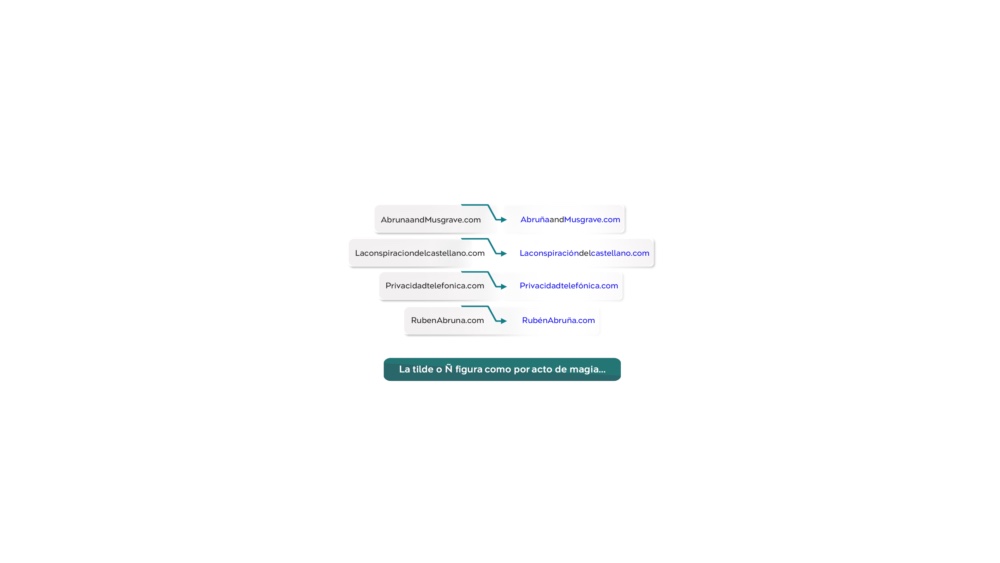
- Linguistic Inclusivity: For global brands or those operating in multiple languages, handling characters like the "ñ," the "ç," or various umlauts is critical. A user typing a plain "n" instead of an "ñ" should not be met with a 404 error page. Seamless redirection ensures that the user feels "seen" and understood by the brand.
- Search Engine Trust: Search engines prioritize sites that provide a smooth, error-free experience. A correctly configured 301 redirect is a signal of a well-maintained site. If you have multiple domains pointing to your primary site, you consolidate your backlink profile, which strengthens your overall domain authority.
Official Best Practices for Implementation
While the concept of redirection is simple, execution is where many organizations falter. To maintain site integrity and SEO performance, experts recommend the following:
1. Host Redirects Externally
It is generally considered a best practice to configure 301 redirects on a platform separate from your primary domain registrar. This decouples your DNS management from your domain ownership, providing a layer of security and flexibility. Should you choose to migrate your primary hosting, you won’t lose your redirection logic.
2. Ensure SSL/TLS Parity
A common mistake is failing to secure the alias domains. Every redirect should be forced over HTTPS. If a user types a misspelled domain, they should be securely redirected to the HTTPS version of your main site. Failing to do this results in browser security warnings, which can damage brand trust instantly.
3. The Wildcard Option
When appropriate, utilize "wildcard" redirects. This ensures that if a user types misspelled-domain.com/page-x, they are redirected to correct-domain.com/page-x, rather than just the homepage. This keeps the user in the context of what they were originally searching for.
4. Technical Courtesy and Professional Support
Platforms like TecnoTur have codified these practices as a standard courtesy. By managing these redirects centrally, they ensure proper SSL/TLS configuration and wildcard support, relieving business owners of the technical burden while maintaining a professional standard of service.
Implications for SEO and User Experience
The SEO ramifications of a well-executed 301 strategy are overwhelmingly positive. When search engines encounter a 301 redirect, they understand that the target domain is the primary source of truth. Consequently, they de-index the source domain and transfer its ranking potential to the target.
However, patience is required. It can take several weeks for search engines to crawl, index, and acknowledge the shift. During this time, it is vital to maintain consistent SEO efforts on the primary domain. If the primary domain is weak, the redirected traffic will have nowhere of value to go, defeating the purpose of the strategy.
Advanced Strategies: The "Educational Redirect"
Beyond standard redirection, some organizations opt for a more creative approach. Instead of an instantaneous jump to the homepage, you can route the "misspelled" traffic to a dedicated, unlisted subpage. This page can serve as a polite educational tool:
"We see you typed it as XXX, but we spell it as YYY. You will be redirected automatically in 11 seconds to our home page."
This serves two purposes:
- Brand Correction: It subtly corrects the user’s perception of the brand name without being confrontational.
- Data Analytics: By tracking how many users land on this page, you can gather valuable insights into how people perceive or misspell your brand, allowing you to refine your marketing and SEO keywords accordingly.
Conclusion: A Proactive Stance
The digital landscape is unforgiving to those who ignore the small details. Domain redirection is not merely a technical configuration; it is a proactive defensive strategy that protects your brand identity, enhances user experience, and reinforces your SEO efforts.
By taking control of your domain variations—whether they be linguistic, typographical, or structural—you ensure that every person looking for your business arrives exactly where they intended to be. In an era where customer acquisition costs are rising, securing the traffic you have already earned is one of the most effective investments a business can make.
About the Author and Further Resources
Allan Tèpper is a consultant and digital strategist specializing in brand localization and technical infrastructure. For more insights on digital strategy, radio broadcasting, and industry trends, visit AllanTepper.com or explore his ongoing series on TecnoTur.
FTC Disclosure: This article is for informational purposes. None of the entities mentioned have paid for the inclusion of their services in this text. Some links to third-party services may provide indirect affiliate benefits to the author. Always consult with your technical lead or hosting provider before making changes to your DNS or redirection settings.
