
Subversive Intimacies: Inside Georgia Bernstein’s Sundance Breakthrough Night Nurse
Introduction and Main Facts
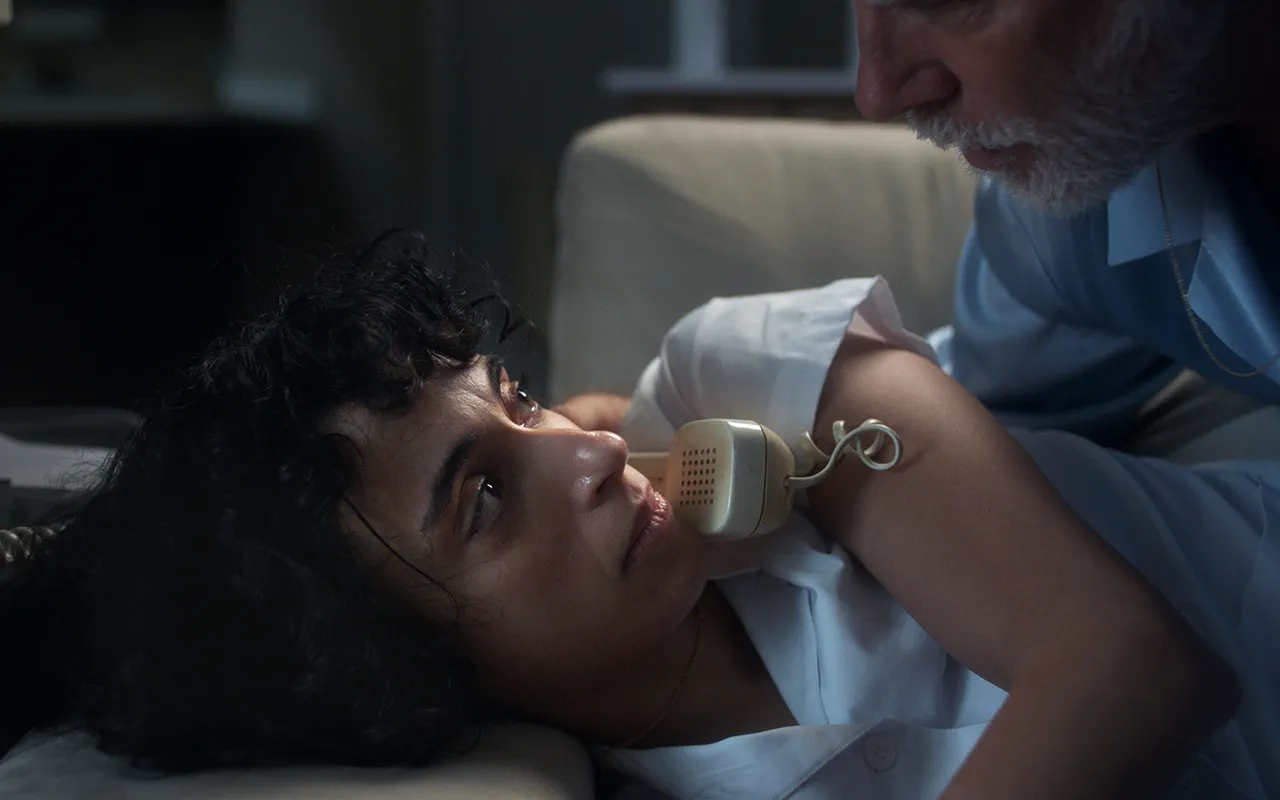
In an independent film landscape often dominated by risk-averse narratives and predictable coming-of-age formulae, Georgia Bernstein’s feature directorial debut, Night Nurse (2026), arrives as a jarring, intoxicating aberration. Premiering in the NEXT competition at the Sundance Film Festival to widespread critical fascination, the film immediately signals its refusal to conform through a hypnotic title sequence—tracking a camera as it glides along a body and traces the tangled path of a telephone cord.
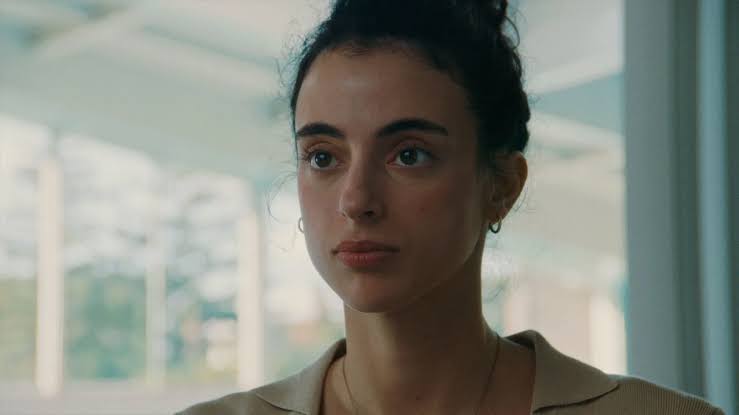
Co-written and directed by Bernstein, Night Nurse follows Eleni (Cemre Paksoy), a rookie nurse working overnight shifts in a memory-care unit. Eleni falls under the spell of Douglas (Bruce McKenzie), a patient being evaluated for early-onset Alzheimer’s. The two embark on a morally compromised and psychosexually charged enterprise: they operate a phone scam targeting elderly strangers, posing as a distressed granddaughter begging for quick cash.
Blending the cerebral, clinical psychosexuality of Atom Egoyan with the unsettling, provocative power dynamics of Catherine Breillat, Night Nurse relocates these themes into the timeless, stagnant purgatory of a retirement community. Ahead of the film’s wide theatrical release on July 10 via IFC Films, filmmaker Georgia Bernstein sat down to discuss the genesis of her distinct aesthetic, shooting in her grandmother’s house, and building a community-driven production model in Chicago.
Chronology of Production: From Northwestern Classrooms to Sundance
The journey of Night Nurse from concept to screen is deeply intertwined with Bernstein’s creative roots in Chicago’s independent film scene. Having previously produced features for filmmaker Alex Phillips—including All Jacked Up and Full of Worms (2022) and Anything That Moves (2025)—Bernstein approached her own debut with an ethos of resourcefulness and hands-on collaboration.
The Incubation Phase
After wrapping Anything That Moves, producer Eddie Linker prepared to teach a course at Northwestern University and sought a practical real-world project for his students. Upon reading Bernstein’s script for Night Nurse, Linker proposed using it as the curriculum’s subject.
Alongside producer Veronica Barbosa, Bernstein and Linker transformed the classroom into a preproduction engine. Over a single quarter, students were taught the nuts and bolts of independent filmmaking: establishing an LLC, building a functional budget, and navigating state tax credits. By the time the quarter concluded, the core preproduction was effectively complete, anchoring the film in a supportive, localized community infrastructure.
Principal Photography
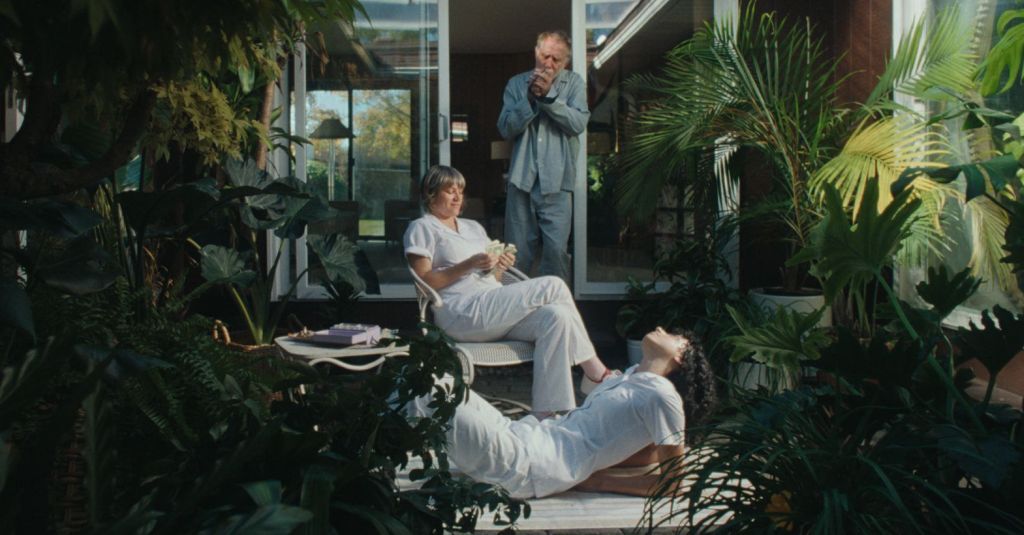
Shooting logistical hurdles were met with inspired spatial solutions. To capture the disorienting, out-of-step-with-time atmosphere of the script, Bernstein made the practical decision to shoot almost the entire movie inside her actual grandmother’s house.
The physical architecture of the home dictated the blocking. Every scene was mapped around specific rooms, doorways, and an interior atrium. This retro aesthetic—featuring 1970s wallpaper paired with aging landline phones and old-style currency—created an intentionally ambiguous temporal setting where modern technology is noticeably absent.
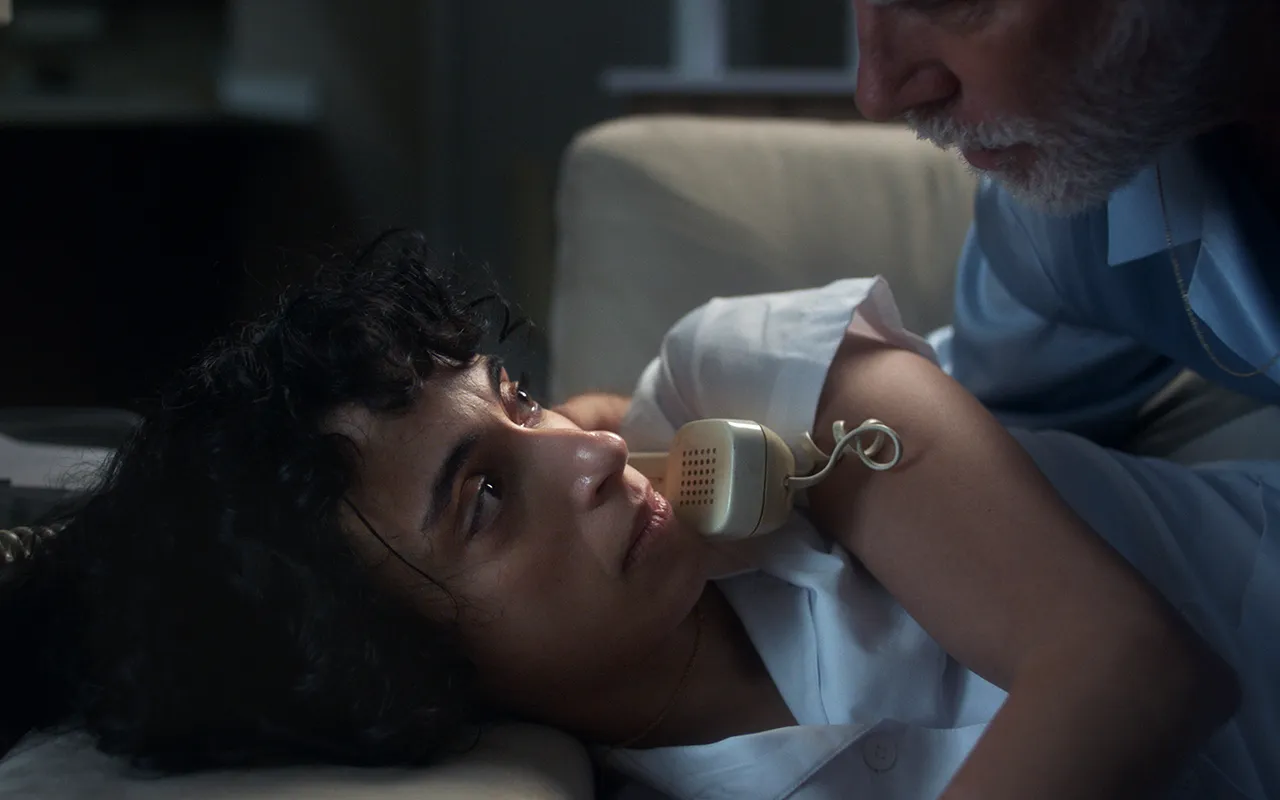
To achieve a deliberate, unhurried cadence, Bernstein eschewed the modern trend of lightweight Steadicam setups. Instead, she and Director of Photography Lidia Nikonova opted almost exclusively for a traditional dolly. The physical weight of the camera—yielding a slow, measured ga-dunk as it tracked through tight hallways—imbued the low-budget production with the monumental visual gravity of a Rainer Werner Fassbinder film.
Supporting Data, Aesthetic Influences, and Collaboration
Night Nurse draws its atmospheric power from a distinct constellation of cinematic and literary touchstones. While reviewers frequently invoke David Cronenberg’s Crash (1996) for its bleak, industrial, and gray suburban textures, Bernstein cites an eclectic mix of international influences.
| Production Element | Key Influence / Reference | Implementation in Night Nurse |
|---|---|---|
| Cinematography & Pacing | David Cronenberg (Crash), Lucrecia Martel | Slow, deliberate framing emphasizing humid, atmospheric malaise and feminine gaze. |
| Spatial Containment | Atom Egoyan (The Adjuster, Calendar) | Navigating watery, enclosed suburban environments and timeless domestic spaces. |
| Visual Weight | Rainer Werner Fassbinder | Exclusive use of heavy dolly tracks to give small spaces an expansive, theatrical gravity. |
| Musical Score | Francis Ford Coppola (The Conversation) | Live-to-picture instrumentation featuring haunting piano and flute melodies. |
The Visual Language of Lidia Nikonova
Bernstein scouted her cinematographer, Lidia Nikonova, online after admiring her work on Lucy Kerr’s Family Portrait (2024). After an initial radio silence, Nikonova responded to the pitch deck with a definitive statement: "I was born to shoot lusting nurses."
The pair spent days inside the grandmother’s home, photographing spaces and absorbing the neighborhood’s melancholic energy. To honor the demanding performance choreography, the production front-loaded its schedule, shooting all intimate scenes—including the pivotal, aching long-take phone scam—during the very first week. This established a rigorous tone that carried through the rest of the shoot.
The Soundscape: Steven B. Jackson and Samm Clapp
To craft the film’s sonic architecture, Bernstein enlisted composers Steven B. Jackson and Samm Clapp, who had previously scored her produced features. Eschewing purely synthetic tracks, the composers brought in live musicians to play flute and piano—instruments that drive the film’s central themes.
Drawing explicit inspiration from David Shire’s score for Francis Ford Coppola’s The Conversation (1974), the music was designed to evoke a psychological trap. Much like the characters walking their patients around a swimming pool in endless circles, the score establishes a recognizable recurring theme that loops, riffs, and drifts into improvised variations.
Official Responses and Creative Intent
At the heart of Night Nurse lies a profoundly complex exploration of human validation. As the character Mona (Éléonore Hendricks) observes to Eleni, "It’s amazing to be needed, isn’t it? It feels good to mean something to somebody."
Bernstein’s script interrogates this instinct, tracking it to its most morally hazardous conclusions. Both Eleni and Douglas find an intoxicating sense of purpose through their illicit phone scams. When Eleni experiences pangs of conscience, Mona rationalizes the exploitation: "He was numb to life before today. You gave him purpose. You helped him."
Subverting the Power Dynamic
Discussing her affinity for Catherine Breillat’s filmography, Bernstein noted her desire to update classic cinematic explorations of power imbalances between young women and older men.
"I thought, ‘What’s a newer way to do this?’ Let’s push it to the extreme: she’s a young nurse, and he’s in a retirement community and may or may not have dementia. As I pushed it and added these layers, it became more complicated. Who’s taking care of who? Who has the power? The circumstance that I created ended up adding so much complexity to the power dynamic, even beyond what I had written in the script."
By refusing to provide easy moral resolutions, Bernstein leans hard into audience discomfort, ensuring that the film’s ethical ambiguities linger long after the credits roll.
Implications for Independent Cinema
The trajectory and execution of Night Nurse offer a compelling blueprint for the future of independent filmmaking. By weaponizing constraints—turning a family home into a controlled soundstage, utilizing local university networks for preproduction labor, and favoring deliberate dolly choreography over expensive digital stabilization—Bernstein demonstrates how micro-budget projects can achieve macro-budget cinematic scale.
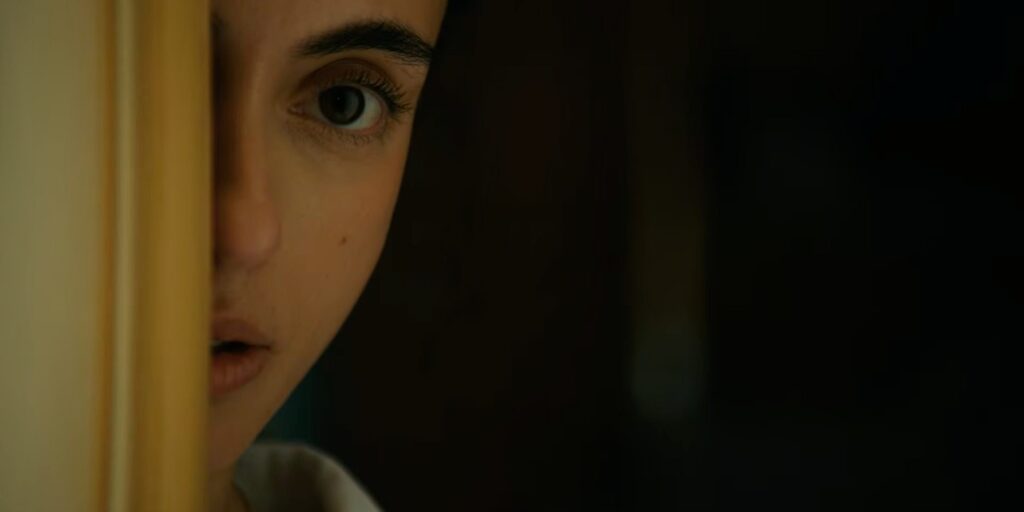
Furthermore, the film’s triumphant Sundance debut and subsequent pickup by IFC Films validate a growing appetite for uncompromising, psychosexually driven art-house cinema helmed by distinctive female voices. As Night Nurse prepares for its wide release on July 10, it stands not only as a brilliant calling card for Georgia Bernstein, but as a testament to the enduring power of regional collaboration, meticulous pre-planning, and uncompromising artistic vision.
