
The Birth of Skydance Corp: A Media Megamerger Under the Spotlight of Political Scrutiny
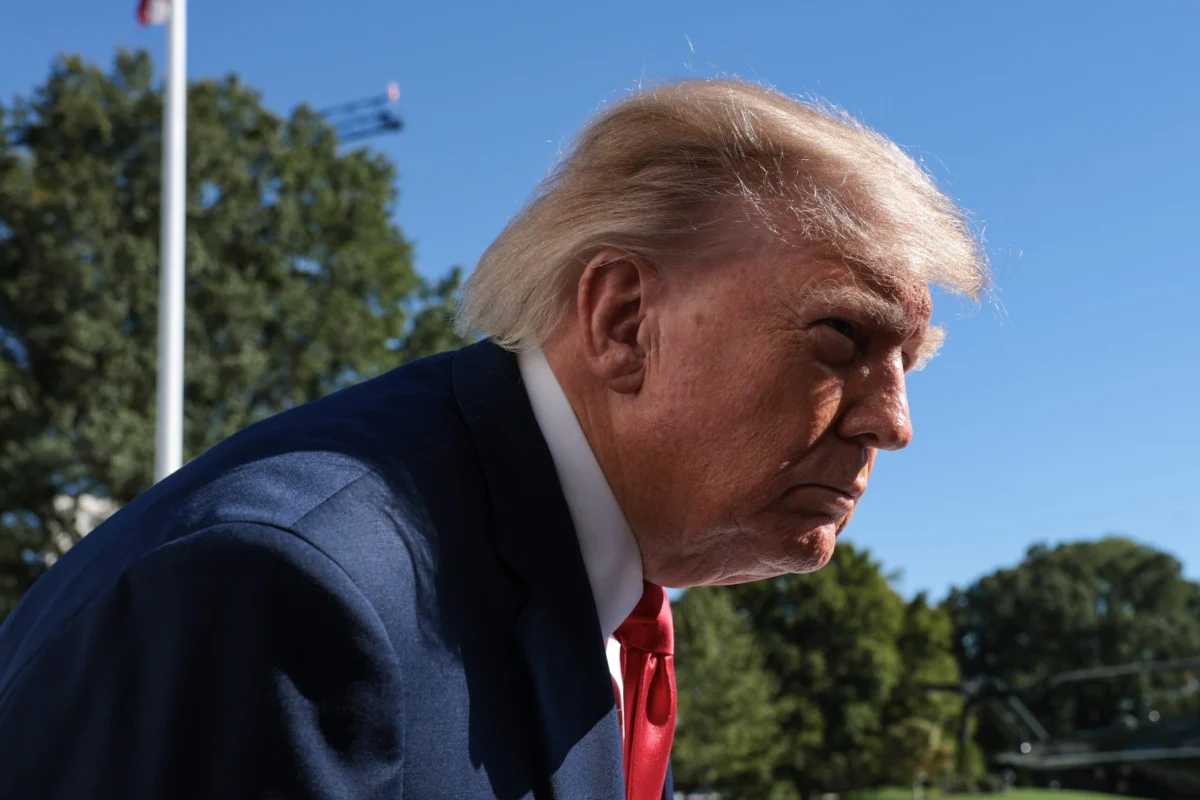
The landscape of American media shifted definitively on Tuesday as the high-stakes merger between Paramount Global and Warner Bros. Discovery officially closed, giving birth to a new entertainment colossus: Skydance Corp. The transaction, which has faced months of legal hurdles, regulatory skepticism, and intense public debate, received a ringing endorsement from President Donald Trump, who publicly celebrated the completion of the deal from the White House lawn.
As Skydance Corp. begins its tenure as a dominant force in film, television, and news, the industry finds itself at a crossroads. The integration of two of Hollywood’s most storied studios into a single entity under the leadership of David Ellison and co-CEO Ynon Kreiz marks a significant consolidation of power. However, the shadow of political influence—specifically the relationship between the Ellison family and the White House—continues to frame the conversation surrounding the company’s future, particularly concerning its massive news assets, CNN and CBS News.
The Presidential Thumbs-Up: A Signal of Approval
When informed of the merger’s finalization, President Trump offered an immediate and effusive reaction. "I’m happy about that. That’s great," the President told reporters on Tuesday. Emphasizing his personal rapport with the incoming leadership, Trump added, "It’s gonna be a great company. They’re terrific people… That’s a great merger. I’m glad they let it go."
This public blessing follows a June decision by the Trump-led Justice Department to approve the merger without conditions, a move that surprised many observers given the size of the deal. For the administration, the merger represents a shift in the media landscape that they appear comfortable navigating, despite persistent accusations from critics that the deal was facilitated by back-channel political favors.
Chronology of a Contested Takeover
The path to the creation of Skydance Corp. was anything but straightforward. The journey was marked by a series of legal challenges and high-profile disputes:
- June 2026: The U.S. Department of Justice, under the current administration, grants unconditional approval for the merger, clearing the primary federal regulatory hurdle.
- August 2026: David Ellison addresses mounting concerns regarding the political implications of the merger in a New York Times op-ed, framing the opposition as a "political" reaction to fears regarding his stewardship of CNN.
- September 30, 2026: A critical turning point occurs when a judge approves a settlement between Paramount and a coalition of 12 Democratic state attorneys general. This agreement resolved an antitrust lawsuit that had threatened to derail the transaction.
- October 6, 2026: Ellison and Ynon Kreiz hold their first companywide town hall, where Ellison faces direct questioning from CNN anchor Anderson Cooper regarding the future of the network’s editorial independence.
- October 7, 2026: The merger officially closes, and the new entity, Skydance Corp., begins operations.
The "Editorial Independence" Controversy
The most contentious aspect of the merger has been the question of whether the new ownership would interfere with the editorial operations of CNN and CBS News. Critics, including several state attorneys general, expressed deep-seated fears that the merger was a strategic move to soften the news networks’ critical stance toward the current administration.
In his August op-ed, David Ellison pushed back against these claims, stating, "I believe this fight is not really about market share. I believe a plainer worry sits beneath the briefs and the news releases: the news. The issue is whether I can be trusted as a steward of Warner’s CNN." Ellison has since pledged that both networks will continue to serve the facts rather than any political cause.
To address these concerns, the merger settlement included the creation of a "news editorial independence board." This oversight body, which includes representatives from the state coalition, is tasked with establishing "guiding editorial and journalism principles." However, the efficacy of this board is widely debated. Connecticut Attorney General William Tong, while a signatory to the settlement, noted his disappointment, stating that he had pushed for a full divestiture of the news divisions to ensure complete independence—a request that was ultimately denied.
Leadership and Internal Realignment
On the eve of the merger’s close, Skydance confirmed that Mark Thompson would remain the CEO of CNN. This announcement provided some stability to a newsroom that has been rattled by speculation. Among the primary concerns for staff was the potential influence of Bari Weiss, the media entrepreneur whom Ellison previously tapped to lead CBS News. Fears that Weiss’s influence might expand to include CNN oversight have remained a topic of intense discussion within the hallways of the network, though no such expansion has been announced.
During the companywide town hall on Tuesday, Ellison attempted to assuage these fears, reaffirming his belief that journalism is a "vital part of our democracy." In a move that signaled a desire to distance himself from the narrative of being a "Trump-friendly" owner, Ellison publicly supported a lawsuit filed by CNN, MS NOW, and Politico against the White House, which challenges the administration’s recent ban of those outlets from certain press events.
The Allegations of a "Side Deal"
The merger has been dogged by allegations that the Ellisons secured the deal through an improper arrangement with the White House. In July 2026, a Paramount shareholder filed a lawsuit alleging that the Ellisons cut an "illegal" deal with the President.
The complaint alleges that in exchange for regulatory approval, the Ellisons offered the administration an "opportunity to improperly funnel cash" to the President by settling his personal legal claims against CNN. Furthermore, the suit alleged a commitment was made to terminate specific high-profile anchors deemed unfavorable by the White House.
Paramount has vehemently denied these claims, labeling them as recycled allegations that have been thoroughly addressed. In an official statement, a spokesperson for the company reiterated: "No commitments from either David or Larry Ellison have been made to any government body, State AG, or federal agency regarding the future of CNN or any other news property, other than the goal to deliver truth-based journalism."
Implications for the Future of Media
The formation of Skydance Corp. represents more than just a massive corporate consolidation; it signifies a new era where the lines between political power, corporate ownership, and journalistic integrity are increasingly blurred.
For Skydance, the immediate challenge lies in proving that the concerns raised by the state attorneys general and the shareholder plaintiffs were unfounded. If the new company can maintain the independence of its news divisions while navigating a complex relationship with the executive branch, it may stabilize the market. However, if the perception of political bias persists, Skydance may find that its most valuable assets—the credibility of its news networks—begin to erode.
Furthermore, the involvement of figures like Bari Weiss in the CBS newsroom suggests a potential shift toward a different editorial philosophy within the organization. Whether this shift is a move toward more balanced reporting or a departure from traditional news values remains to be seen.
As the industry watches, the "news editorial independence board" will be under heavy scrutiny. Should it fail to act as a meaningful check on corporate influence, the debate over media consolidation and political interference is likely to intensify, potentially inviting future antitrust actions or legislative attempts to separate news divisions from broader entertainment conglomerates.
For now, David Ellison has successfully navigated the turbulent waters of the merger process. With the deal closed and the leadership team in place, the true test begins: operating a media giant in an era where the definition of "truth-based journalism" is a matter of intense public and political contention.
