
The Animated Takeover: How Prime Video’s Critical Role Universe Outpaced Game of Thrones and Redefined Modern Fantasy

By Cathal Gunning
Published October 6, 2026
Main Facts
For well over a decade, HBO’s adaptation of George R.R. Martin’s A Song of Ice & Fire saga, Game of Thrones, stood uncontested as the undisputed heavyweight champion of fantasy television. Despite a historically polarizing series finale that continues to spark fierce debate years later, the monumental cultural footprint of Westeros is undeniable. With budgets soaring past $5 million per episode in its early days, Game of Thrones fundamentally reshaped the television landscape. It shattered industry assumptions regarding the viability of expensive, complex, R-rated dark fantasy properties and directly paved the way for a golden age of streaming genre television—from Netflix’s Stranger Things, The Witcher, Arcane, and Castlevania, to AMC’s Interview with the Vampire.
Even Amazon’s massive, big-budget Middle-earth prequel, The Lord of the Rings: The Rings of Power, owes its existence to the market viability carved out by HBO’s landmark 2011 series. Yet, in a twist of industry irony, the true successor to the Game of Thrones crown did not come from another multi-million-dollar live-action production with cinematic aspirations. Instead, the titles that have legitimately ousted HBO’s titan as the premier fantasy franchises on television are a pair of animated adaptations spearheaded by Prime Video: The Legend of Vox Machina and The Mighty Nein.

Grounded in the rich lore of the immensely popular Critical Role actual-play web series, these animated projects have achieved near-flawless critical acclaim, racking up phenomenal Rotten Tomatoes scores. By blending visceral, R-rated brutality with sharp humor, multi-faceted character dynamics, and profound emotional stakes, Prime Video’s Critical Role universe has demonstrated a versatility and depth that outshines even the sprawling horizons of Westeros.
Chronology
To understand how a table-top role-playing game podcast evolved into a television powerhouse capable of challenging prestige live-action fantasy, it is essential to look at the timeline of modern genre television and digital media:
- April 17, 2011: HBO premieres Game of Thrones, instantly altering the cultural conversation around adult fantasy and proving that serialized, high-budget genre television could capture mainstream, global audiences.
- March 12, 2015: Critical Role, a livestreamed tabletop role-playing game featuring veteran voice actors playing Dungeons & Dragons, premieres on Geek & Sundry, slowly cultivating a massive, intensely loyal global community known as "Critters."
- March 2019: Critical Role launches a historic Kickstarter campaign to fund an animated special based on their first campaign. Originally seeking $750,000, the campaign shatters records, ultimately raising over $11.3 million and transforming the project into a full multi-season animated series.
- November 2019: Amazon Studios steps in, acquiring the streaming rights to The Legend of Vox Machina and expanding the production order to multiple seasons on Prime Video.
- January 27, 2022: The Legend of Vox Machina Season 1 officially premieres on Prime Video, stunning critics with its high-octane action, exceptional voice acting, and surprising emotional resonance, securing a rare 100% critical approval rating on Rotten Tomatoes.
- 2023–2025: Subsequent seasons of The Legend of Vox Machina continue to roll out to widespread acclaim, cementing Prime Video’s dominance in adult animation and proving the longevity of the Critical Role IP.
- 2026: Prime Video expands the franchise further with the release of The Mighty Nein, adapting the second major campaign of the Critical Role universe. Concurrently, HBO debuts its second Game of Thrones spinoff, A Knight of the Seven Kingdoms, which adopts a notably lighter tone influenced by the evolving marketplace.
- October 2026: Critical consensus cements The Legend of Vox Machina and The Mighty Nein as the rightful heirs to the modern fantasy throne, outperforming their live-action predecessors in critical consistency and creative agility.
Supporting Data
The shift from live-action cinematic spectacles to animated fantasy adaptations is further supported by critical reception metrics, audience engagement numbers, and structural production models.

| Franchise / Show | Primary Platform | Medium | Key Creative / Showrunner | Rotten Tomatoes Critical Reception Trend |
|---|---|---|---|---|
| Game of Thrones | HBO / Max | Live-Action | David Benioff, D.B. Weiss | Highly acclaimed early seasons; deeply divisive final seasons. |
| The Rings of Power | Prime Video | Live-Action | J.D. Payne, Patrick McKay | Mixed-to-positive critical reception; heavily scrutinized fan base. |
| The Legend of Vox Machina | Prime Video | Animation | Brandon Auman, Chris Prynoski | Near-flawless critical acclaim (frequently hitting 100% across multiple seasons). |
| The Mighty Nein | Prime Video | Animation | Critical Role Productions / Amazon MGM | Strong critical praise for darker, more complex character-driven storytelling. |
| A Knight of the Seven Kingdoms | HBO / Max | Live-Action | Ira Parker, George R.R. Martin | Lighter tone, positively received as a course-correction for the franchise. |
As illustrated by the data, while live-action giants frequently struggle to maintain consistent critical momentum across multiple seasons—often buckling under the immense financial and logistical pressures of CGI-heavy production—Prime Video’s animated Critical Role offerings have maintained an astonishingly high standard of quality. Animation has granted the creators the freedom to visualize sprawling magical battles, grotesque monsters, and ethereal realms without the multi-hundred-million-dollar budget restrictions that plague live-action competitors.
Official Responses
Executives, creators, and industry insiders have increasingly pointed toward the flexibility of animation as the future of expansive fantasy storytelling.
Speaking on the unique production pipeline of bringing tabletop campaigns to the screen, Critical Role cast member and executive producer Travis Willingham has repeatedly emphasized the collaborative nature of translating thousands of hours of improvised gameplay into tight, narrative-driven television scripts. In previous statements regarding the partnership with Amazon MGM Studios, Willingham noted:

"Working with Prime Video has allowed us to scale our universe without compromising the heart, humor, and grit of the characters our community fell in love with. Animation gives us an unrestricted canvas to tell the exact stories we want to tell, exactly how they need to be told."
Amazon Studios representatives have similarly echoed enthusiasm over the partnership, highlighting the rare combination of an already built-in, fiercely dedicated global fanbase alongside universal crossover appeal that pulls in mainstream animation and fantasy fans alike.
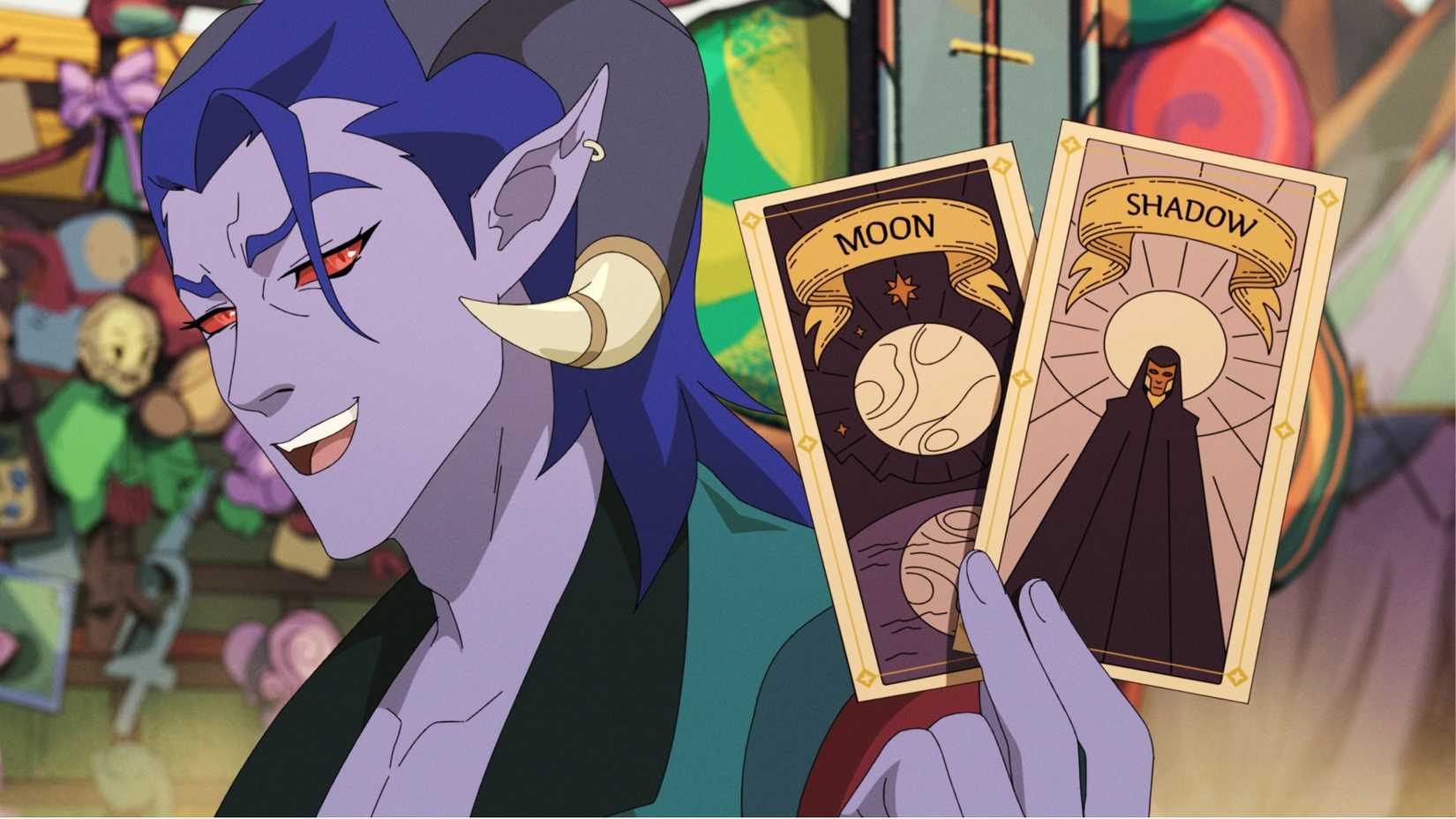
Furthermore, industry analysts suggest that the immense critical success of The Legend of Vox Machina and The Mighty Nein has forced traditional prestige networks to rethink their development strategies. The pivot seen in HBO’s A Knight of the Seven Kingdoms—which strips away the exhausting doom-and-gloom political maneuvering of Game of Thrones in favor of a tighter, more character-focused, and slightly more whimsical narrative—stands as an implicit acknowledgement that audiences are increasingly craving the balanced tone perfected by the Critical Role adaptations.
Implications
The ascent of The Legend of Vox Machina and The Mighty Nein as the definitive fantasy series of the mid-2020s carries profound implications for the entertainment industry at large.
First, it signals a massive leveling of the playing field for intellectual property origination. Long gone are the days when only multi-billion-dollar media conglomerates could launch a top-tier fantasy universe from scratch. By leveraging community-funded platforms like Kickstarter, independent creators can prove market demand directly to consumers, bypassing traditional gatekeepers entirely before securing major streaming distribution.
Second, the success of these shows bridges the perceived gap between adult animation and prestige television. For decades, Western adult animation was largely pigeonholed into cynical comedies or niche sci-fi. By pairing the unapologetic gore, complex moral ambiguities, and high-stakes drama of adult dark fantasy with genuine camaraderie, humor, and emotional depth, Prime Video has proven that animation can deliver deeply moving, epic storytelling that matches or exceeds live-action counterparts.
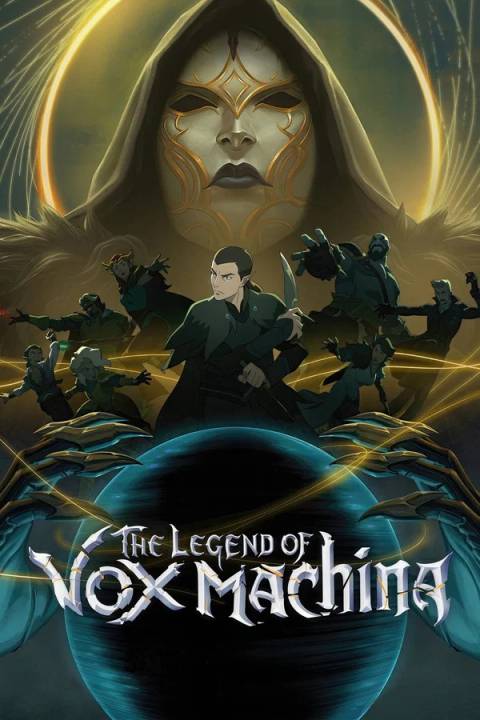
Ultimately, the Critical Role universe has rewritten the rulebook for fantasy franchises. By offering something for every discerning fan—balancing the lighter, swashbuckling humor of The Legend of Vox Machina with the deeper, more tragic gravitas of The Mighty Nein—Amazon and Critical Role have captured the crown. As Game of Thrones recedes further into television history, its true legacy may not be the grimdark worlds it spawned, but the high-water mark it set—one that was ultimately surpassed not by another sprawling live-action epic, but by a band of voice actors playing Dungeons & Dragons.
