
Two Decades of Rats and Redemption: Reflecting on Martin Scorsese’s The Departed at 20 Years
Main Facts: The Legacy of a Modern Masterpiece
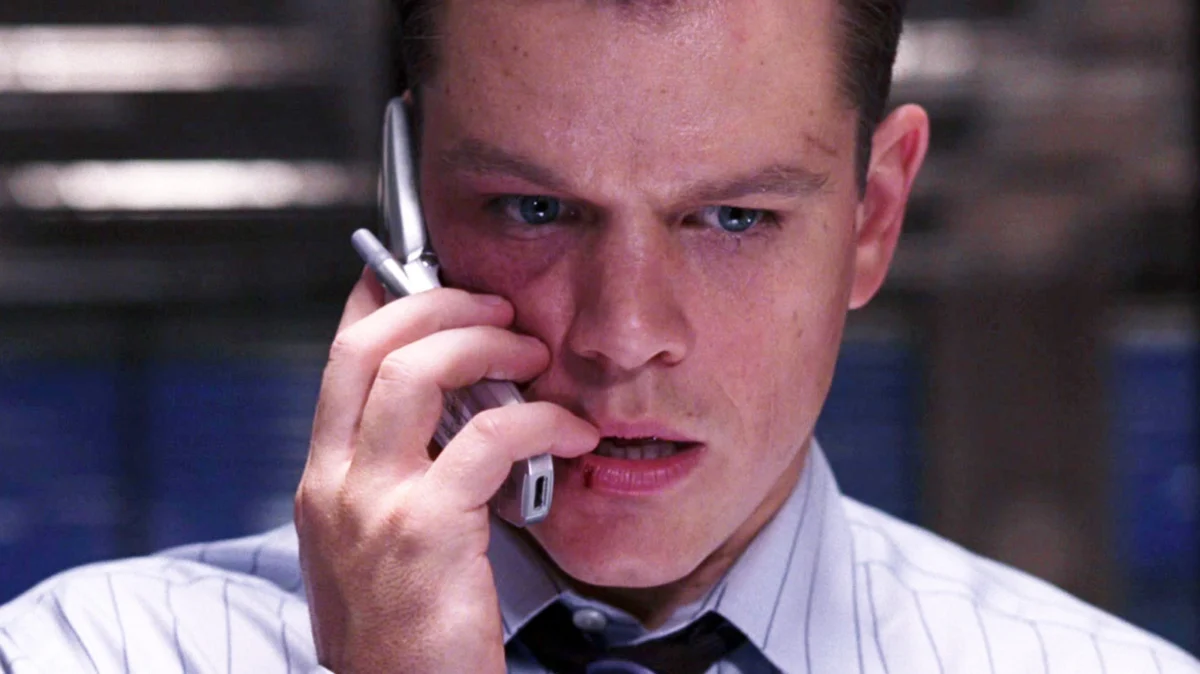
Two decades have passed since Martin Scorsese unleashed The Departed into theaters on October 6, 2006. An electrifying, Boston-set crime thriller, the film stands as a cultural touchstone of the mid-2000s, blending high-stakes cat-and-mouse tension with a profound exploration of institutional corruption and moral decay.
Based on the 2002 critically acclaimed Hong Kong thriller Infernal Affairs, directed by Alan Mak and Felix Chong, The Departed adapted the premise of cross-pollinated moles for a distinctly American, gritty Bostonian landscape. The film boasted an all-star ensemble cast featuring Leonardo DiCaprio, Matt Damon, Jack Nicholson, Mark Wahlberg, Alec Baldwin, and Vera Farmiga.
Despite being widely recognized as a "make-good" gesture by the Academy Awards—finally awarding Scorsese his long-overdue Oscar for Best Director—The Departed swept the 79th Academy Awards. It secured four Oscars out of five nominations, including Best Picture, Best Adapted Screenplay (William Monahan), and Best Film Editing (Thelma Schoonmaker). Yet, two decades later, film critics and cinephiles alike continue to debate its placement in Scorsese’s peerless filmography, weighing its undeniable entertainment value against the grander, more ambitious visions of his earlier and later works.
Chronology: From Hong Kong to the Streets of South Boston
The journey of The Departed began years before its autumn 2006 premiere, traversing international borders and navigating Hollywood’s notoriously slow development cycles.
- March 2002: Infernal Affairs (Mou Gan Dou) is released in Hong Kong, becoming a massive box office hit and a critical darling across Asia. Its innovative premise—a police officer infiltrating a triad, and a triad member infiltrating the police force—captures global attention.
- Late 2002 / Early 2003: Warner Bros. acquires the American remake rights. Producer Brad Pitt was initially attached to star, but as the project evolved, the focus shifted toward pairing director Martin Scorsese with a powerhouse cast. Screenwriter William Monahan is tasked with translating the high-concept premise from the triad culture of Hong Kong to the insular, tribal world of Boston Irish-American organized crime.
- Spring 2005: Principal photography begins across Boston and New York City. The production captures the distinct blue-collar flavor of Boston, utilizing real-world locations that ground the cat-and-mouse game in authenticity.
- October 6, 2006: Warner Bros. releases The Departed in North American theaters. It opens to widespread critical acclaim, eventually grossing nearly $300 million worldwide against a production budget of roughly $90 million.
- February 2007: At the 79th Academy Awards, the film achieves a historic milestone for Scorsese, securing his first Best Director trophy and winning Best Picture, cementing its place in Hollywood history.
Supporting Data: Box Office, Accolades, and Critical Standing
The Departed was not only an awards darling; it was a commercial success that captured the public zeitgeist.
- Box Office Performance: Grossing $291.5 million globally, it remains one of Scorsese’s highest-grossing directorial efforts.
- Academy Awards: Nominated for 5 Oscars (Best Picture, Best Director, Best Supporting Actor for Mark Wahlberg, Best Adapted Screenplay, and Best Film Editing), winning 4.
- Cultural Footprint: On IMDb’s prestigious Top 250 Movies list, The Departed holds a formidable position as the 40th best film of all time, maintaining a legacy that resonated deeply with a generation of college students and film enthusiasts in the late 2000s.
- Critical Reception: The film holds a 91% "Certified Fresh" rating on Rotten Tomatoes, with critics praising its blistering pace, sharp dialogue, and unforgettable performances—particularly Jack Nicholson’s unhinged portrayal of mob boss Frank Costello and Mark Wahlberg’s acerbic Staff Sergeant Dignam.
Official Responses and Industry Reception
When The Departed swept the awards circuit in early 2007, the reaction was a mixture of unbridled celebration for Scorsese and quiet acknowledgment of Hollywood politics. For decades, cinephiles had watched masterpieces like Taxi Driver, Raging Bull, and GoodFellas miss out on the Academy’s highest honors. When Steve Spielberg, George Lucas, Francis Ford Coppola, and Martin Scorsese shared the stage at the 74th Academy Awards to present Scorsese with his overdue Best Director statuette, it felt less like a celebration of The Departed alone and more like a long-overdue lifetime achievement recognition.
Scorsese himself acknowledged the unique nature of the project. Unlike his deeply personal religious epics or sweeping historical dramas, The Departed was a genre exercise—a studio picture designed to entertain. In interviews following the release, Scorsese spoke about the sheer joy of working with such a high-caliber ensemble and navigating the fast-paced genre mechanics of a classic crime thriller.
Cast members also reflected fondly on the intense, improvisational energy on set. Jack Nicholson’s legendary, unpredictable performance infused the production with a dangerous vitality, while Leonardo DiCaprio and Matt Damon delivered masterclasses in psychological duality, portraying two men slowly losing their minds to the respective lies they are forced to live.
Implications: The Moral Architecture and Scorsese’s Modern Era
Twenty years on, The Departed serves as a fascinating bridge in Martin Scorsese’s career, illuminating his lifelong artistic obsession with morality, guilt, and human sociopathy.
The Morality of the Unraveling Mind
Scorsese has frequently faced superficial accusations of glorifying criminality due to the kinetic energy, drugs, and fast living depicted in films like GoodFellas and The Wolf of Wall Street. However, The Departed puts Scorsese’s moral framework front and center. The film operates as a dual tragedy of spiritual erosion.
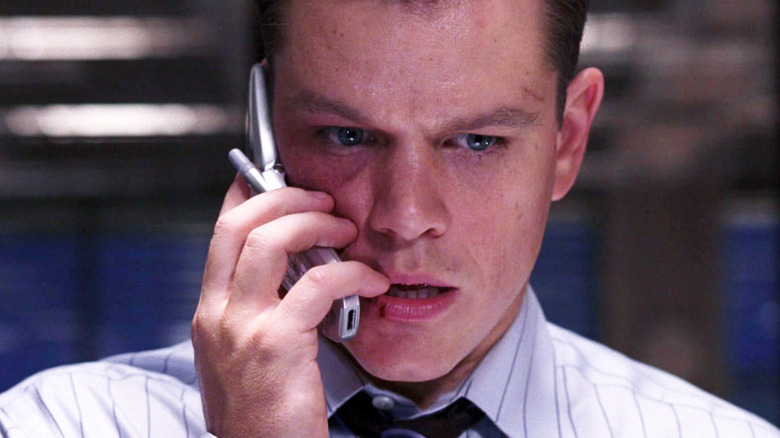
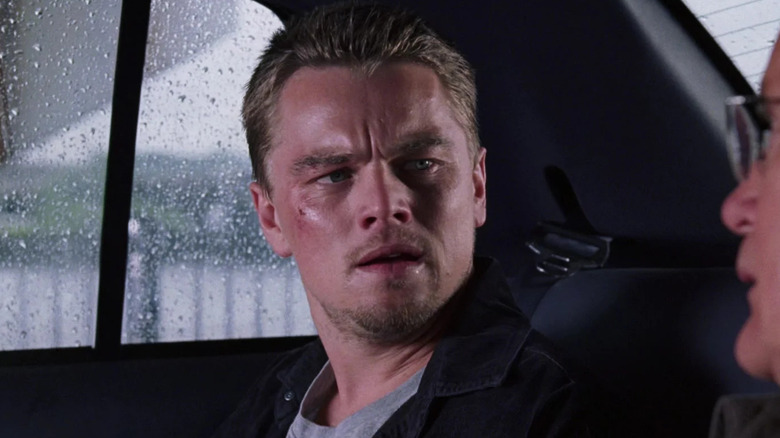
On one side, Matt Damon’s Colin Sullivan glides through life with the confidence of a sociopath, balancing the respectability of a police badge with the illicit perks of being Frank Costello’s golden-boy informant. On the other side, Leonardo DiCaprio’s Billy Costigan suffers a psychological disintegration. Forced to live a brutal lie, Costigan’s soul is hollowed out by the violence he must commit and witness, requiring regular, desperate visits to police psychiatrist Dr. Madolyn Madden (Vera Farmiga) just to retain his grip on reality.
Where Does It Rank in the Scorsese Canon?
Despite its four Oscars and massive cultural footprint, film critics often place The Departed a tier below Scorsese’s absolute masterworks. Some argue that its themes are too overt—that it wears its ideas on its sleeve compared to the hypnotic, rhythmic descent into madness found in GoodFellas or Casino. Furthermore, retrospective analyses often suggest that post-Departed masterpieces—such as The Wolf of Wall Street, the deeply spiritual Silence, and the haunting American tragedy Killers of the Flower Moon—delve into the moral turpitude of the human heart with far greater depth and cinematic daring.
Nevertheless, the film’s cultural staying power cannot be overstated. With its iconic needle-drops (even if the reuse of the Rolling Stones’ "Gimme Shelter" drew gentle raised eyebrows), its hyper-kinetic editing by Thelma Schoonmaker, and its shockingly brutal final act—where no one is safe and sudden death is the ultimate equalizer—The Departed remains a masterclass in tension.
As it celebrates its 20th anniversary, The Departed endures not merely as the movie that finally won Martin Scorsese his Oscar, but as a hard-boiled, endlessly rewatchable American tragedy that asks a timeless question: When you spend your life wearing a mask, how long before there’s nothing left underneath?
