
Finding Freedom on Fifth Avenue: How Director Penny Lane Turned Manhattan’s Most Famous Owl into a Cinematic Phenomenon
By [Journalist Name]
Published by Special Arrangement with Film Independent
Main Facts: The Legend of Flaco and Wild Inside
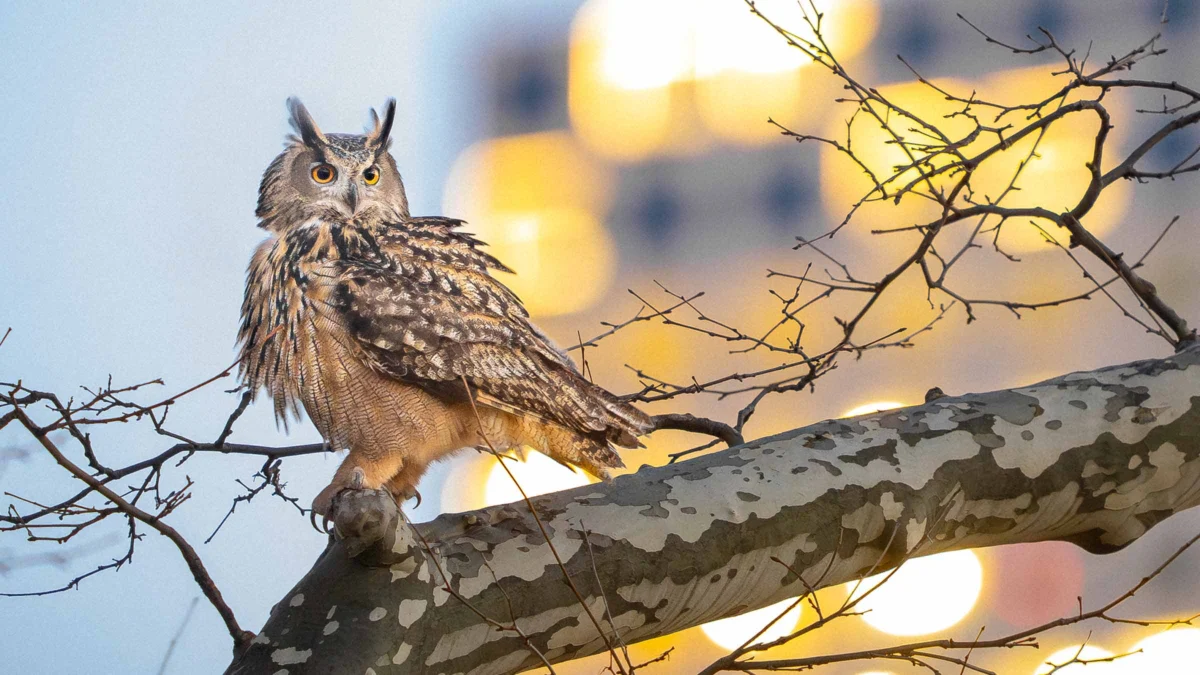
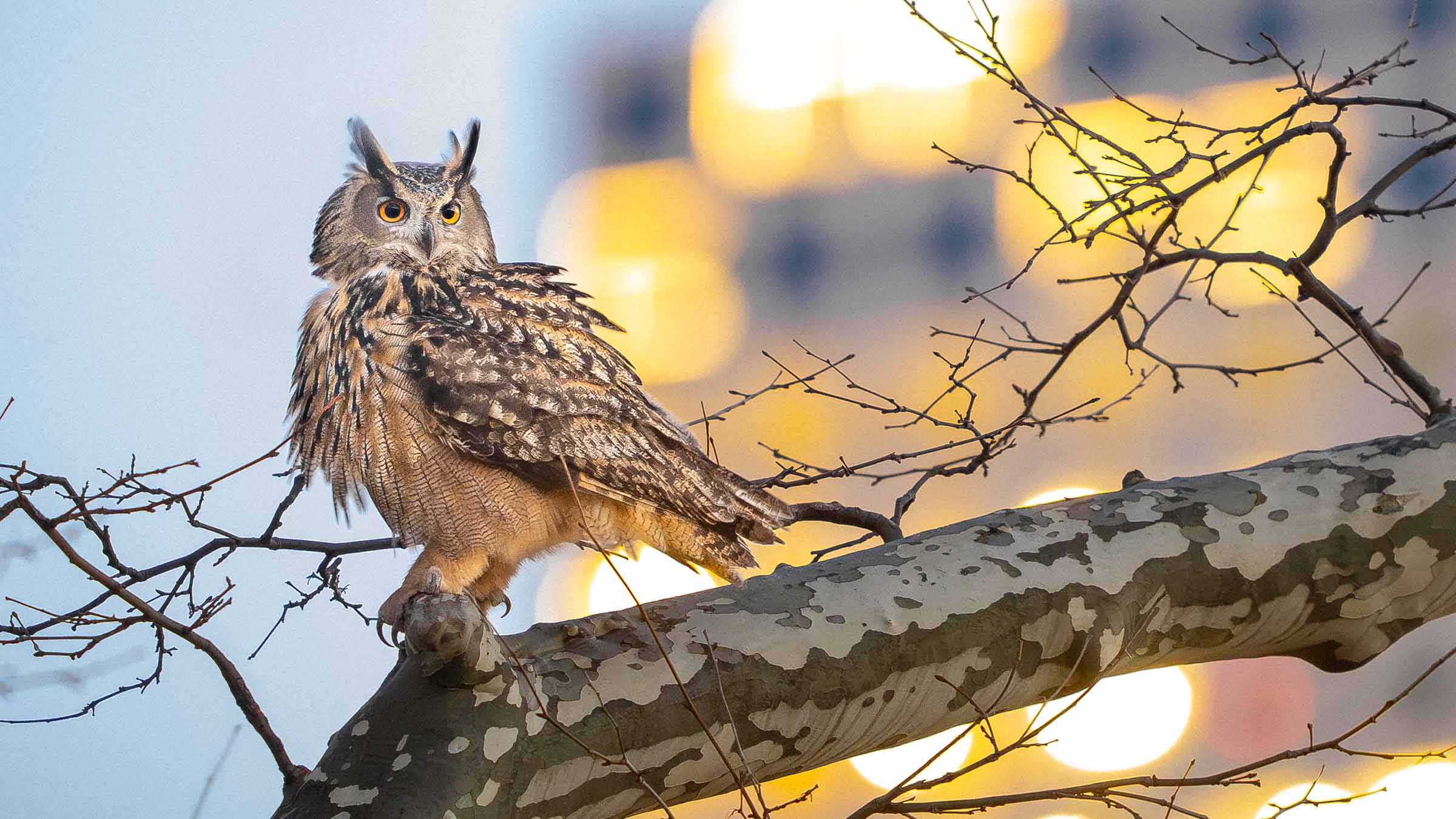
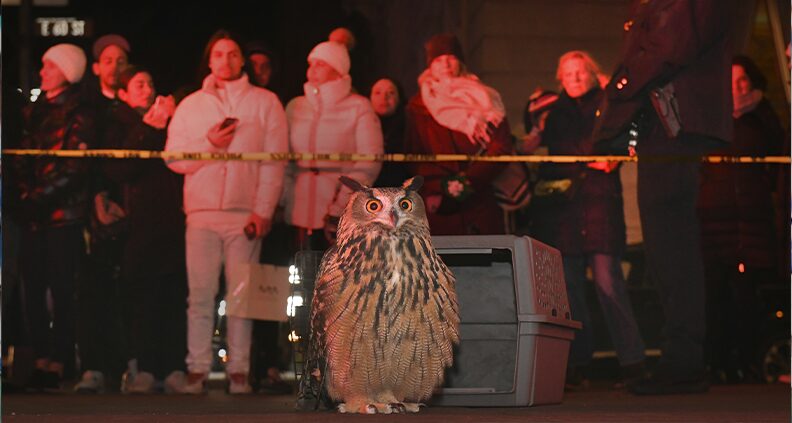
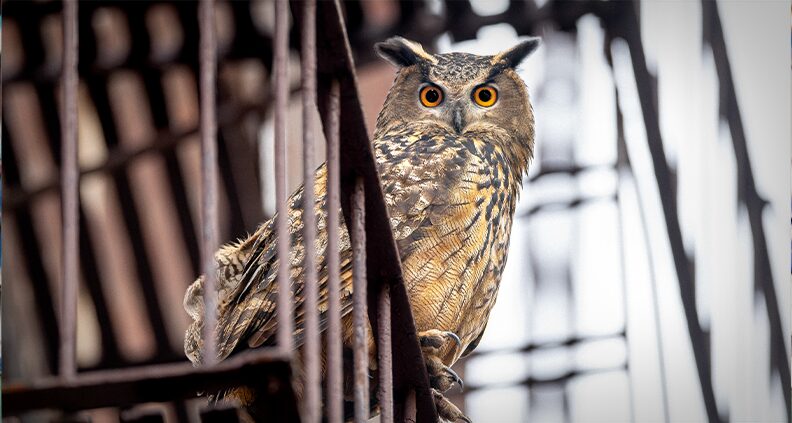
In the winter of 2023, the streets of Manhattan played host to an unlikely urban explorer: Flaco, a Eurasian Eagle-Owl who had somehow escaped from the Central Park Zoo. What began as a startling anomaly—a massive, golden-eyed apex predator perched on a Fifth Avenue sidewalk—quickly metastasized into a city-wide cultural obsession. For over a year, New Yorkers traded smartphone photos, tracked his nightly hunts, and debated the ethics of his newfound autonomy.
Now, Flaco’s extraordinary journey has been immortalized on screen in Wild Inside, a critically acclaimed documentary directed by veteran filmmaker and lifelong birder Penny Lane. Premiering before a crowd of over 1,500 people in Central Park, the film has broken through the traditional documentary mold, quickly climbing the charts to become one of the top ten highest-grossing non-event documentaries of the year.
Rather than framing Flaco merely as a viral curiosity, Wild Inside uses the owl’s incredible odyssey to probe deeper philosophical questions about humanity’s relationship with the natural world. Why does an animal’s freedom resonate so deeply with human beings? What are our ethical obligations to non-human neighbors trapped in concrete jungles? And how does our inherent human bias skew the way we perceive and treat other living creatures?
Chronology: From Sidewalk Escape to Cinematic Legacy
The path of Wild Inside from a text message to a major theatrical release is as unconventional as the owl’s own journey. The timeline of Flaco’s wild adventure maps directly onto the narrative structure of Lane’s film:
- February 2023: Flaco escapes from the Central Park Zoo after his enclosure is deliberately vandalized. Filmmaker Jeremy Workman, a close friend of Penny Lane, encounters the Eurasian Eagle-Owl standing on a Manhattan sidewalk and sends photos to Lane, knowing her background as an avid birder.
- Early Weeks: Lane immediately involves herself, calling the Wild Bird Fund and tweeting coordinates in case he is a lost pet. For the first month, the Central Park Zoo attempts to recapture the fugitive bird, while the public watches with bated breath.
- Spring 2023 (Act One): The Central Park Zoo officially abandons rescue efforts, acknowledging that Flaco is successfully hunting and living in the wild. This turning point becomes the foundational first act of Lane’s film, establishing the core dramatic questions of survival and ecosystem impact.
- Mid-2023 (The Midpoint): Flaco makes the fateful decision to leave the relative safety of Central Park’s perimeter—where rat poison is strictly managed—to explore surrounding neighborhoods, hunt urban pigeons, and search in vain for a mate.
- Early 2024: Flaco’s urban exploration ends tragically when he succumbs to rodenticide poisoning and trauma—a risk Lane and conservationists had anticipated from the moment he left the park.
- Fall 2026: Wild Inside premieres in Central Park, rolling out to theaters nationwide to box-office success.
Supporting Data: Box Office Impact and Production Scale
While non-event documentaries often struggle to find traction outside of streaming platforms, Wild Inside has proven that audiences are hungry for nuanced, character-driven environmental storytelling.
- 1,500+: The size of the massive, open-air crowd that gathered in Central Park for the film’s world premiere.
- Top 10: The film’s current standing among non-event documentaries released this year, measured by domestic box office gross.
- Three: The number of dedicated field producers who pounded the pavement—walking the exact routes Flaco traveled, distributing flyers, and interviewing locals—to unearth the diverse human chorus that anchors the documentary.
- Countless hours: Spent distilling hundreds of hours of community footage, interviews with neighborhood school children, food cart operators, barbers, and expert birders down into a tightly focused cinematic tapestry.
Official Responses and Filmmaker Insights: The Mind of Penny Lane
In an extensive interview, director Penny Lane opened up about the serendipitous nature of the project, the challenges of working with an unpredictable subject, and her philosophy on anthropomorphism.
Being Present at the Creation
Lane admits that she was intimately involved in Flaco’s story from its very first moments. "I was the one who called the Wild Bird Fund… and I was tweeting out his location," Lane recalls. In early cuts of the film, she even tried to include herself as an on-screen character. However, realizing it confused audiences—since her presence vanished after the first five minutes—she cut herself from the footage.
It wasn’t until the zoo called off its rescue mission that Lane recognized the true cinematic potential. "I was watching this owl become an owl," she says. "I feel like I was born to make this movie."
Letting the Subject Direct
Because Flaco was a wild animal acting entirely on instinct, scripting the film required a radical surrender of control. Lane utilized a three-act structure dictated by the bird’s movements.
"The first month basically covers the first act of the movie," Lane explains. "When I was pitching it, I said, ‘He’s going to die eventually because I know that owls and hawks don’t live long in New York City.’ They all die of rat poison."
When Flaco chose to roost on a prominent tree right along a major thoroughfare in Central Park—defying normal owl behavior by staying out in the open—it gave crowds unprecedented access to him. His eventual departure from the park marked the film’s midpoint, opening up a tragic second chapter of urban exploration and inevitable danger.
Navigating the Human Chorus
To capture the public’s reaction, Lane’s production team relied on old-fashioned ground game. They handed out flyers and tracked down everyday New Yorkers who had formed deep bonds with the bird.
"That’s how we found the food cart operator who had this intimate experience with Flaco night after night, and the barber who not only had gotten these great photos of Flaco but was himself a wildlife photographer and was an expert on rodenticide," Lane notes.
The Philosophy of Anthropomorphism
One of the most complex hurdles in making Wild Inside was balancing the human desire to project emotions onto Flaco while respecting the reality of his animal nature.
Lane draws a sharp distinction between harmless storytelling and dangerous projection. "There’s a kind of a dumb version of it… like he’s apartment shopping in the East Village. No one really thinks that, right? But it’s a funny, relatable thing… Where it gets harmful is when you start putting stories on the animals that are not true and they lead you to act in ways that are not true."
Conversely, she warns against the hyper-intellectual trap of stripping animals of any inner life whatsoever. "That’s how we allow ourselves to mistreat animals, by assuming that there is nothing there, that they’re basically just unthinking, unfeeling machines."
Lane suggests a middle ground of empathetic imagination grounded in scientific fact: "Did he feel the warmth of the sun on his face as he’s sitting there in a tree feeling the sunrise for the first time in his life? Do I think he might have enjoyed that? Yeah, I do… But you can’t ask Flaco what’s best for him. So much of the film is about humans getting to decide what we think is best for him."
Implications: Changing How We Look at the Urban Wild
Wild Inside is ultimately about much more than a single lost owl; it is a profound meditation on human awareness. Lane hopes the film acts as a bridge for everyday people to awaken to the vibrant ecosystems thriving right outside their windows.
Recalling her own awakening as a birder—a moment of sudden clarity while hiking in a redwood forest—Lane compares non-birders to people who have been "deaf and blind" to the color and movement of the natural world.
"Most of the people that Flaco visited had no idea he was there," Lane observes, pointing out that while the next viral urban animal might not be an escaped Eurasian Eagle-Owl, red-tailed hawks, mourning doves, and peregrine falcons are sharing our concrete landscapes every day.
Through Wild Inside, Penny Lane has successfully transformed a tragic local news story into a universal mirror, challenging urbanites everywhere to look up from their phones, look out their windows, and reconsider the wild lives unfolding just inches away.
