
The Horror Muse: Why Jessica Chastain Remains Cinema’s Most Daring Genre Icon
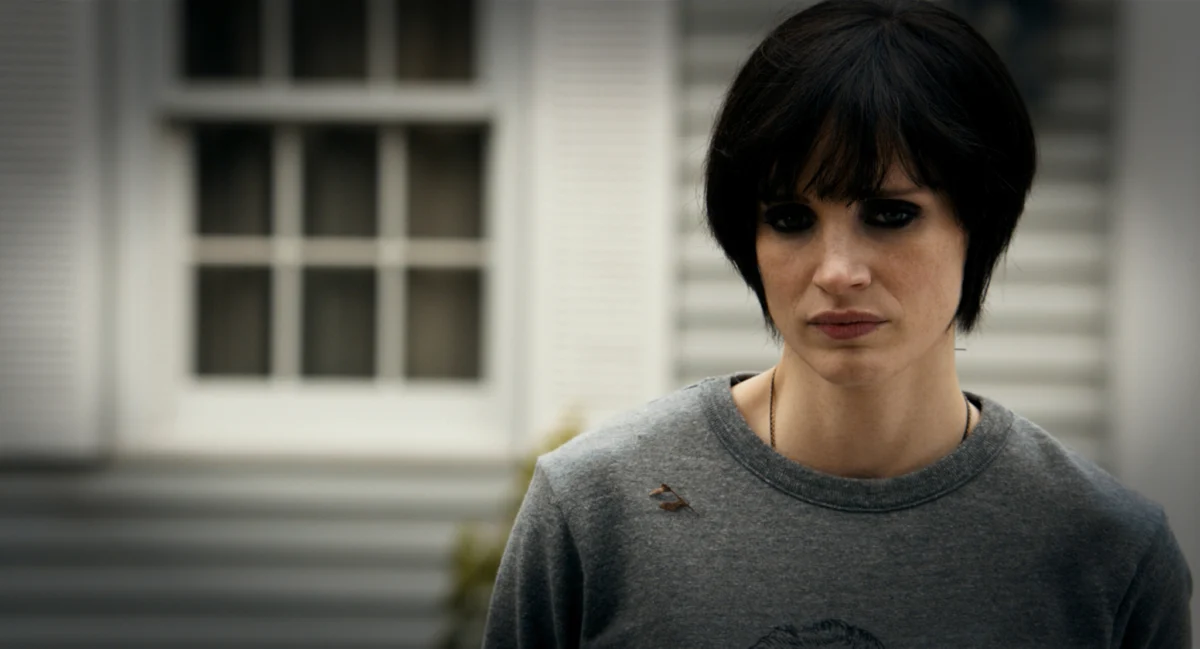
In an era where the divide between "serious" drama and "genre" filmmaking is increasingly blurred, few A-list performers have managed to navigate the transition as seamlessly—or as fearlessly—as Jessica Chastain. While the traditional trajectory for a Hollywood star often involves graduating from low-budget horror to "prestige" Oscar-bait and never looking back, Chastain has consistently defied this paradigm. Even after securing the Academy Award for Best Actress in 2022 for The Eyes of Tammy Faye, she has returned to the shadows, the blood, and the supernatural, cementing her status as the horror genre’s most sophisticated secret weapon.
As she prepares to haunt audiences in Rob Savage’s upcoming Other Mommy, it is time to examine the career of an actress who treats the horror genre not as a stepping stone, but as a playground for some of her most visceral and challenging work.
The Genre Paradox: Why A-Listers Flee Horror
For decades, horror has been unfairly categorized in industry circles as "disposable" cinema—a low-effort, high-profit training ground for young actors hoping to break into the mainstream. The pattern is cyclical: a starlet cuts their teeth on a slasher flick, gains traction, and then pivots to period dramas or biopics to secure the critical validation of the Academy.

When we look at the list of Best Actress winners from the last decade, the lack of horror pedigree is striking. Cate Blanchett, Frances McDormand, and Meryl Streep have largely avoided the genre. While performers like Emma Stone or Michelle Yeoh have skirted the edges of the fantastic, they rarely dive into the visceral, unadulterated terror that defines the horror canon. Even Jennifer Lawrence, who starred in Darren Aronofsky’s Mother!, found the divisive, high-concept nature of the genre a difficult hurdle.
Jessica Chastain, however, possesses a unique artistic appetite. She does not look down on horror; she elevates it. By applying the same rigorous, transformative acting techniques she uses in political dramas and biopics, she brings a weight and gravitas to horror that is rarely seen, proving that "scary movies" are just as worthy of high-art craft as any period piece.
A Chronological Evolution of Terror
Chastain’s relationship with the macabre didn’t begin with a whimper, but with a roar. Her journey through the genre is a masterclass in versatility, showcasing her ability to play the protector, the villain, and the survivor.

2013: The Maternal Grit of Mama
Andy Muschietti’s Mama marked a turning point in Chastain’s filmography. By the time she stepped into the role of Annabel, she was already an Oscar nominee twice over. Unlike many of her peers, who might have approached a supernatural ghost story with a degree of detachment, Chastain leaned into the "punk" aesthetic of the character. She played Annabel not as a maternal archetype, but as a reluctant, gritty, and fiercely independent woman forced into a domestic nightmare. It was a performance that subverted expectations and grounded a supernatural premise in raw human emotion.
2015: The Gothic Insidiousness of Crimson Peak
When Guillermo del Toro brought his lush, blood-soaked vision of Gothic romance to life in Crimson Peak, he needed a lead who could balance ethereal beauty with cold-blooded malice. Chastain’s portrayal of Lady Lucille Sharpe remains one of the most polarizing yet masterful performances of her career. Critics who dismissed the film as "style over substance" often missed the point: the film was a deliberate, operatic homage to Gothic tropes. Chastain’s work here was icy, seductive, and terrifyingly precise. She understood that in a del Toro film, the performance must match the set design—extravagant, tactile, and haunting.
2019: The Resilient Survivor of It: Chapter Two
The task of portraying an adult version of a beloved character is a thankless one, yet Chastain tackled Beverly Marsh in It: Chapter Two with remarkable sensitivity. Taking over the mantle from Sophia Lillis, Chastain captured the lingering trauma and quiet courage that defines King’s source material. While the film’s "mythic" scale was debated by fans and critics alike, Chastain’s performance was the steady anchor. She managed to portray a woman who had survived impossible childhood horrors while retaining the vulnerability required to confront them once more.

The Other Mommy Implication
As we look toward the October 9th release of Other Mommy, directed by the visionary Rob Savage, the anticipation is palpable. Based on Josh Malerman’s Incidents Around the House, the film has already generated significant buzz.
There has been much debate online regarding the film’s title, with many fans suggesting it should have been Other Mother. However, those who have engaged with the source material recognize that the title is not an arbitrary aesthetic choice, but a narrative necessity.
The early glimpses of the film, particularly the trailer’s closing sequence—featuring a chilling, cackling Chastain in the back of a car—suggest a performance that is unhinged in the best possible way. This film appears to offer Chastain a "Lupita Nyong’o moment," requiring her to navigate a dual-role dynamic that will challenge her technical range. If her history is any indication, she will not just play the monster; she will embody the very concept of the uncanny, leaving audiences breathless and unsettled.

Supporting Data: The "Chastain Effect"
Why does Chastain’s presence matter so much to the genre? It comes down to the "Prestige Multiplier." When an actress of her caliber commits to a horror project, it signals to both audiences and the industry that the film is a serious work of art.
Data from recent box office trends suggests that "elevated" or prestige horror is currently the most bankable sub-genre. Chastain acts as a bridge between the high-brow, awards-focused demographic and the die-hard horror fanbase. Her involvement ensures that a project receives the marketing push and critical scrutiny usually reserved for historical dramas. She has, in effect, helped legitimize horror as a career-defining space rather than a career-ending one.
Official Responses and Industry Outlook
While the studio has remained tight-lipped regarding the specific narrative beats of Other Mommy, the consensus from early test screenings and industry insiders is that the film is a masterclass in tension. Rob Savage has expressed in various interviews that he required an actress capable of conveying "infinite layers of malice" beneath a human exterior.

"Jessica doesn’t just show up to hit her marks," one producer noted during the production phase. "She comes with a blueprint for how to scare the audience, not just with a jump-scare, but with a psychological tremor that lasts long after the credits roll."
Conclusion: A Legacy of Fear
Jessica Chastain’s career is a testament to the fact that you do not have to choose between prestige and terror. By consistently selecting roles that push the boundaries of the horror genre, she has redefined what it means to be a "scream queen" in the 21st century. She is not merely an actress who survives the monster; she is an actress who understands that the true monsters are the ones we hide behind our own faces.
As Other Mommy prepares to hit theaters this October, one thing is certain: Jessica Chastain will be there, ready to challenge our perceptions of fear. For the horror genre, she is not just a participant; she is a titan, and we are all the better for her ongoing commitment to the dark.
