
The Return to the Colosseum: Ridley Scott’s ‘Gladiator II’ Hits Netflix
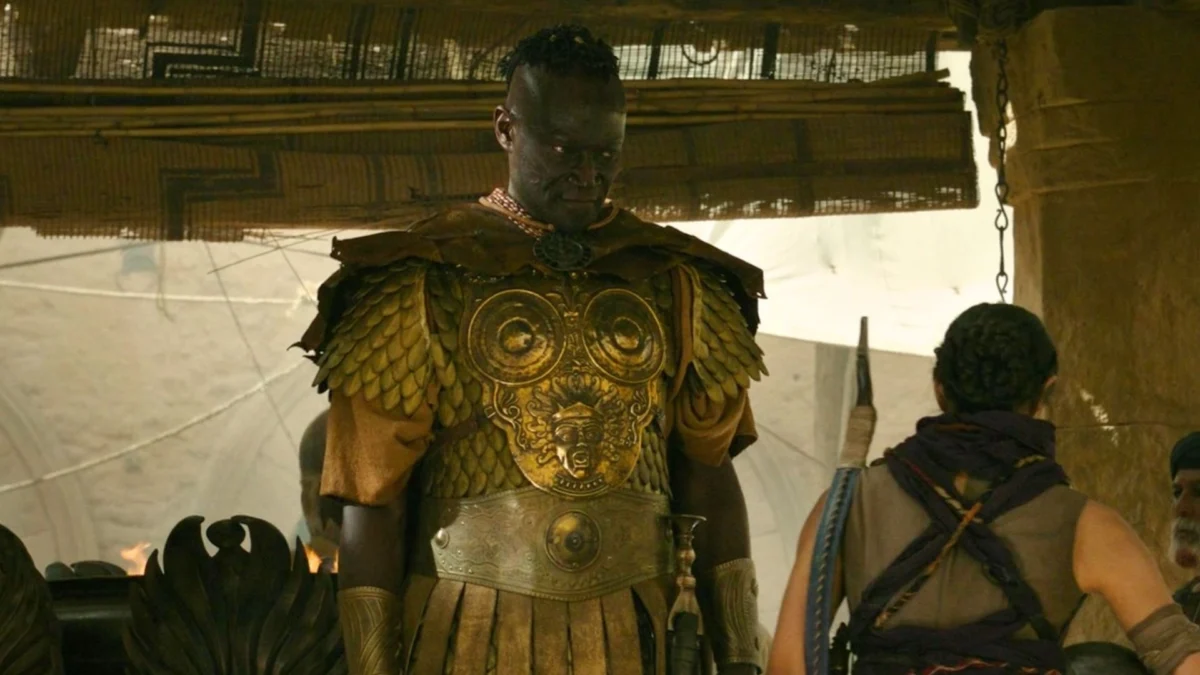
After two decades of speculation, false starts, and intense anticipation, Hollywood visionary Ridley Scott finally returned to the dust and blood of Ancient Rome. His 148-minute epic, Gladiator II, serves as a testament to the enduring power of blockbuster filmmaking—a rare breed of cinema that prioritizes practical scale, operatic performances, and visceral storytelling. With the film set to arrive on Netflix on October 21, 2026, audiences are finally getting the chance to revisit the legacy of the Colosseum in a production that stands as both a companion piece and a bold, standalone achievement.
The Long Road to the Arena: A Chronology of Development
The journey of Gladiator II is nearly as legendary as the story it tells. Following the massive success of the original 2000 film, which secured five Academy Awards—including Best Picture and Best Actor for Russell Crowe—the prospect of a sequel seemed inevitable yet fraught with narrative challenges. The primary obstacle, of course, was the definitive conclusion of Maximus Decimus Meridius’s arc.
For years, the project languished in development hell. Perhaps the most famous—and controversial—attempt to crack the script involved a supernatural concept where Maximus would be resurrected to walk through the afterlife and eventually return to the mortal world. While the creative team toyed with various iterations, Ridley Scott eventually steered the ship toward a more grounded, albeit ambitious, direction. By focusing on the passage of time and the lingering trauma of Rome’s imperial tyranny, Scott opted for a "legacy sequel" approach that honors the spirit of the original without relying on cheap nostalgia.
Production finally gained momentum in 2023, with a release date locked for November 2024. The film’s success was not just a victory for Scott’s filmography but a shot in the arm for the theatrical industry, grossing over $462 million globally—a figure that solidified its status as Scott’s most financially successful project since the 2015 sci-fi hit The Martian.
Plot and Scope: The Legacy of Lucius
Gladiator II centers on Lucius Aurelius, portrayed by the rising star Paul Mescal. As the son of Lucilla and the grandson of Marcus Aurelius, Lucius’s life was defined by the events of the first film, leading him to be sent away from the corruption of Rome to the relative safety of North Africa. However, the shadow of Rome is long. When an invasion led by General Marcus Acacius (Pedro Pascal) strips him of his home and family, Lucius is forced into slavery, finding himself back in the belly of the beast.
The narrative mirrors the structure of the original—a hero’s rise through the ranks of the gladiatorial pits—but it distinguishes itself through its political complexity. While the first film was a tale of personal vengeance, Gladiator II is a broader exploration of how power corrupts and how a singular spark of defiance can ignite a revolution. The film’s pacing, spanning nearly two and a half hours, allows Scott to expand the world-building, showcasing the decaying decadence of a Rome teetering on the edge of collapse under the rule of twin emperors.
The Performance That Defined the Film: Denzel Washington
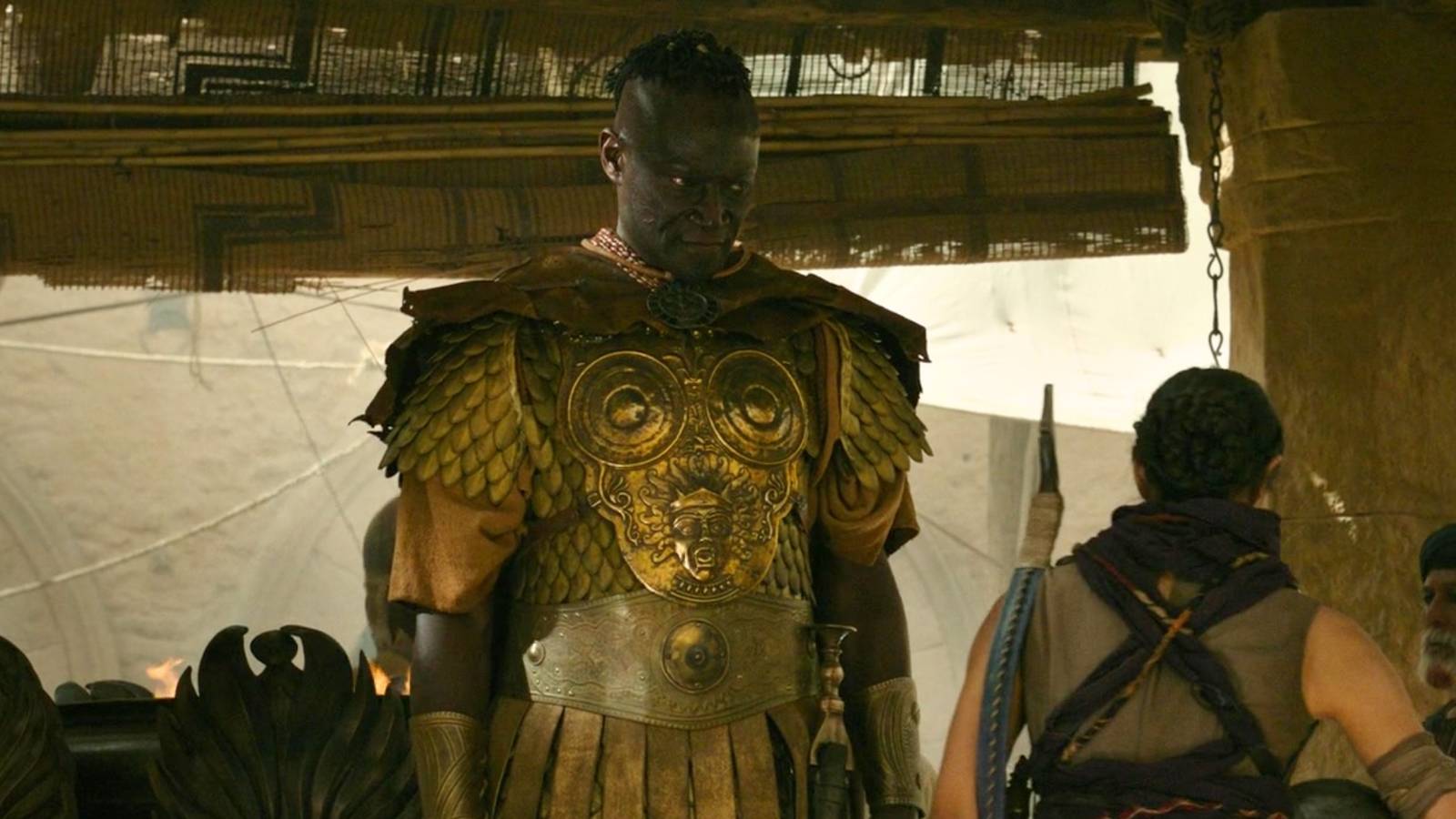
If Paul Mescal provides the film’s emotional center, Denzel Washington provides its gravitational pull. As Macrinus, a wealthy arms dealer and power broker who manipulates the gladiators for his own political gain, Washington delivers a performance that critics have hailed as one of the most magnetic of his career.
Washington’s character is not merely a villain in the traditional sense; he is a mirror held up to the audience, representing the opportunism that thrives in times of civil unrest. His presence on screen is electric, often stealing scenes from his contemporaries and providing a sophisticated, sinister edge that distinguishes Gladiator II from the more straightforward heroism of its predecessor. Critics have frequently noted that whenever Washington is absent, the film loses a vital, unpredictable energy. His portrayal of greed and ambition creates a complex dynamic with Mescal’s stoic, grieving Lucius, serving as the heartbeat of the film’s tension.
Supporting Data and Critical Reception
When Gladiator II debuted in theaters, it was met with a warm, if not universally ecstatic, reception. Currently, the film holds a 70% critics’ score on Rotten Tomatoes, with an audience score of 80%. These numbers compare favorably to the original Gladiator, which holds an 80% critics’ score and 87% audience score.
The slight discrepancy in critical consensus often centers on the film’s reliance on familiar tropes. Some reviewers argued that the plot beats felt overly reminiscent of the first film, while others lauded Scott for maintaining a consistent, high-octane visual language that modern audiences rarely see. The consensus remains clear: Gladiator II is a masterclass in production design, costume, and ensemble acting. The sheer scale of the set pieces—the recreation of the Colosseum, the naval battles, and the brutal arena combat—reminds viewers why Ridley Scott remains one of the few directors capable of handling such immense logistical hurdles.
Implications for Modern Blockbuster Cinema
The success of Gladiator II offers significant implications for the state of Hollywood. In an era dominated by CGI-heavy superhero films and low-stakes reboots, Scott’s film represents a "prestige blockbuster"—a film that demands to be seen on the biggest screen possible but treats its characters with the gravity of a historical drama.
Its arrival on Netflix marks a shift in how these massive epics are distributed. While the theatrical window remains the gold standard, the streaming release allows a new generation of viewers to engage with the franchise in its entirety. By bundling the original 2000 classic with the sequel, Netflix is effectively curating a double feature that highlights the evolution of the genre.

Moreover, the film’s financial success serves as a case study for studios. It proves that there is still a massive, hungry audience for mature, R-rated historical epics. Rather than pandering to the lowest common denominator, Scott doubled down on the grim reality of the Roman Empire, and audiences responded with their wallets.
Official and Industry Reflections
Ridley Scott has often remarked that his motivation for returning to the world of Gladiator was the challenge of capturing the same lightning-in-a-bottle magic without repeating himself. In various press junkets, he emphasized the importance of the cast’s chemistry, specifically praising Mescal’s ability to anchor a film of such immense scale.
The inclusion of veterans like Connie Nielsen and Derek Jacobi, who reprise their roles, provided a necessary bridge between the two films. Their presence grounds the sequel, ensuring that the legacy of Maximus—despite his absence—is felt in every frame. The script, developed by David Scarpa and Peter Craig, was carefully honed to ensure that the political machinations of Rome felt as dangerous as the physical threats in the arena.
Conclusion: Why It’s Worth the Watch
As we approach the October 21 streaming debut, the question for potential viewers is simple: Does it hold up? The answer, based on the film’s sustained popularity and critical standing, is a definitive yes.
Gladiator II is not a perfect film, nor does it aim to erase the memory of the original. Instead, it exists as a respectful, thunderous addition to a story that has remained in the cultural zeitgeist for nearly a quarter of a century. It is a film that leans into the grandeur of the past, utilizing modern technology to enhance, rather than replace, the raw human performances at its core.
For those who have yet to witness Denzel Washington’s Machiavellian performance or experience the sheer adrenaline of Scott’s action sequences, the upcoming Netflix release is an essential viewing opportunity. Gladiator II reminds us that, at its best, cinema can be both a visceral thrill ride and a profound meditation on the cost of power. It is a spectacle in the truest sense—and one that is well worth the wait.
