
Faith Restored: The Cinematic Resurrection of George Michael’s Iconic 1988 World Tour
By [Your Name/Journalistic Desk]
October 6, 2026
For fans of pop music history, few moments are as culturally significant as the late 1980s, a period dominated by the singular, soulful voice of George Michael. As the music world continues to grapple with the void left by his passing, a new cinematic project promises to transport audiences back to the zenith of his stardom. Bleecker Street has officially unveiled the final promotional trailer for George Michael: The Faith Tour, a concert documentary that does more than just record a performance; it resurrects a lost piece of musical history.
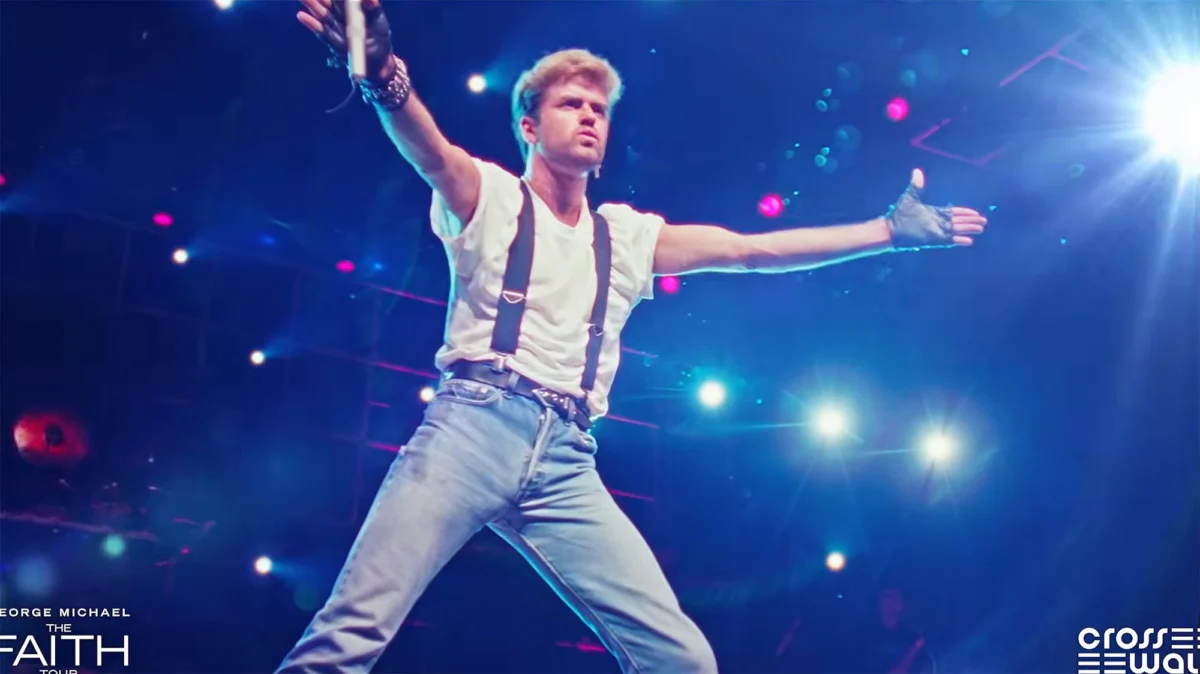
Shot on 35mm film during his record-breaking 1988 tour, the footage has been meticulously restored and remastered into pristine 4K, offering a visceral, "you-are-there" experience. The film is set to premiere in European theaters this November, followed by a wide release in the United States on December 11, 2026.
The Main Event: A Time Capsule in 4K
At the heart of The Faith Tour is the Palais Omnisports de Paris-Bercy performance, a show that captured Michael at the height of his creative powers. In 1988, George Michael was not merely a pop star; he was a cultural phenomenon. Having transitioned from the bright, synth-pop optimism of Wham! to the introspective, leather-clad maturity of his debut solo album, Faith, Michael was crafting a legacy that would influence generations of songwriters.
The documentary is the result of years of archival excavation. Directors David Austin—who previously helmed the acclaimed George Michael: Freedom—and Andy Morahan have combed through rediscovered 35mm footage that had been relegated to the vaults for nearly four decades. By cleaning, scanning, and color-grading the original negatives, the production team has successfully bridged the gap between 1988 and 2026, ensuring that the visual fidelity meets the demands of modern cinema audiences.
Chronology of a Cultural Icon: The "Faith" Era
To understand the weight of this documentary, one must understand the context of the era it documents.
- 1986: The dissolution of Wham! marks the end of an era, leaving George Michael at a crossroads. He begins the arduous process of writing and recording Faith, taking total creative control over his sound.
- 1987: The album Faith is released to massive critical and commercial acclaim. It becomes a global juggernaut, spawning hit singles like "Faith," "Father Figure," and "One More Try."
- 1988: The Faith World Tour commences. It is a grueling, triumphant trek across the globe that cements Michael as a premier live performer. The Paris-Bercy show, captured in this film, stands as one of the tour’s most electrifying nights.
- 2020s: Following his passing in 2016, the George Michael estate, led by longtime collaborator David Austin, begins a systematic review of his audiovisual archives.
- 2026: George Michael: The Faith Tour is finalized, bringing the 1988 footage to the public eye for the first time in high definition.
The film is augmented by a special short feature directed by Mary McCartney. This prologue utilizes newly unearthed audio and candid imagery from the 1986–1988 period, providing an intimate, humanizing portrait of a man who was becoming the most famous person on the planet.

Technical Mastery and Restoration
The decision to film the original concert on 35mm film was a stroke of foresight by Andy Morahan, who directed the original 1988 production. Unlike early digital video formats, which age poorly, 35mm film possesses a high dynamic range and resolution that translates beautifully to 4K projection.
"The restoration process was an act of archaeology," notes a production source close to the project. "We weren’t just sharpening pixels; we were restoring the texture of the stage lights, the sweat on his brow, and the specific atmosphere of the 1980s concert experience."
The audio, too, has undergone a massive overhaul. Using original multi-track recordings, the sound team has remixed the concert into a modern surround-sound format, ensuring that Michael’s vocal prowess—often cited by peers as one of the greatest of his generation—is presented with crystalline clarity.
Official Responses: The Creative Vision
David Austin, the film’s director and a principal figure in the stewardship of Michael’s legacy, has emphasized that this project is intended as a tribute to the fans who have kept the music alive.
"We wanted to capture the sheer magnetism of George at that specific moment," Austin stated during the press junket for the film’s trailer. "He was in total command of his craft. He wasn’t just performing songs; he was delivering them with a conviction that defined the late 80s. This isn’t just a concert film; it’s a time capsule."
Andy Morahan, who returns to the material he originally captured in 1988, expressed similar sentiments. "To look back at that footage now, seeing the way he moved, the way he interacted with the crowd—it’s a reminder of why we fell in love with him in the first place. The 4K restoration makes it feel like it happened last week, not thirty-eight years ago."
Implications for the Documentary Genre
George Michael: The Faith Tour arrives at a time when the concert documentary is undergoing a renaissance. Recent successes in the genre have proven that audiences are hungry for "pure" concert experiences—films that eschew talking heads and retrospective interviews in favor of total immersion.

By focusing on the performance and the raw, behind-the-scenes "Faith era" footage, the directors have avoided the common pitfalls of the "biopic" documentary. Instead of telling the audience what to think about George Michael, they are allowing the music and the performance to speak for themselves.
Market Impact
The release strategy—a staggered global rollout beginning in Europe and followed by a North American premiere in mid-December—positions the film to capitalize on both the holiday box office and the year-end awards season. Industry analysts suggest that this film will likely set a new benchmark for how legacy music acts can leverage their archives to reach younger, streaming-native audiences who may only know Michael’s hits from viral clips.
Why This Matters: The Legacy of George Michael
George Michael’s influence on pop music is difficult to overstate. He was a bridge between the classic soul singers of the 60s and 70s and the polished pop production of the 80s and 90s. His ability to write, produce, and perform his own material set a template for modern superstars.
For those who were present at the 1988 shows, this film serves as a digital homecoming. For those who were not, it is an essential historical document. It captures the specific, fleeting energy of a man who had everything to prove and was succeeding in doing so on a global scale.
As the trailer suggests with its stirring inclusion of the iconic "I gotta have faith!" refrain, the film is a celebration of resilience and artistry. In an era where digital content is often fleeting and disposable, George Michael: The Faith Tour stands as a testament to the endurance of true talent.
How to Experience the Tour
Tickets for the December 11, 2026, U.S. premiere and the preceding European screenings are currently available via the official movie website. As demand is expected to be high, particularly in urban markets, fans are encouraged to book early.
Whether you are a lifelong devotee of the Faith album or a newcomer to his catalog, this film offers a rare, unobstructed view of an artist who fundamentally changed the sound of the 20th century. George Michael may be gone, but through the lens of this restored concert masterpiece, his voice remains as powerful and present as ever.
