
Unlocking the Abyss: Psychological Thriller ‘Remembrance’ Set to Challenge Perceptions This October

As the autumn leaves begin to turn, the cinematic landscape is preparing for a chilling entry into the psychological thriller genre. Remembrance, the latest feature from directing duo James Denton and Richard Oakes, promises to weave a labyrinthine tale of trauma, identity, and the fragility of human memory. With an official release date slated for October 19th via Reel2ReelFilms, the film is poised to be a haunting addition to the digital streaming circuit.
The project, which reunites the creative forces behind the acclaimed Jitters, seeks to push the boundaries of the "unreliable narrator" trope. By grounding its high-concept mystery in the visceral reality of a kidnapping survivor’s recovery, Remembrance aims to do more than simply shock its audience—it intends to make them question the very nature of truth.
Main Facts: The Anatomy of a Mystery
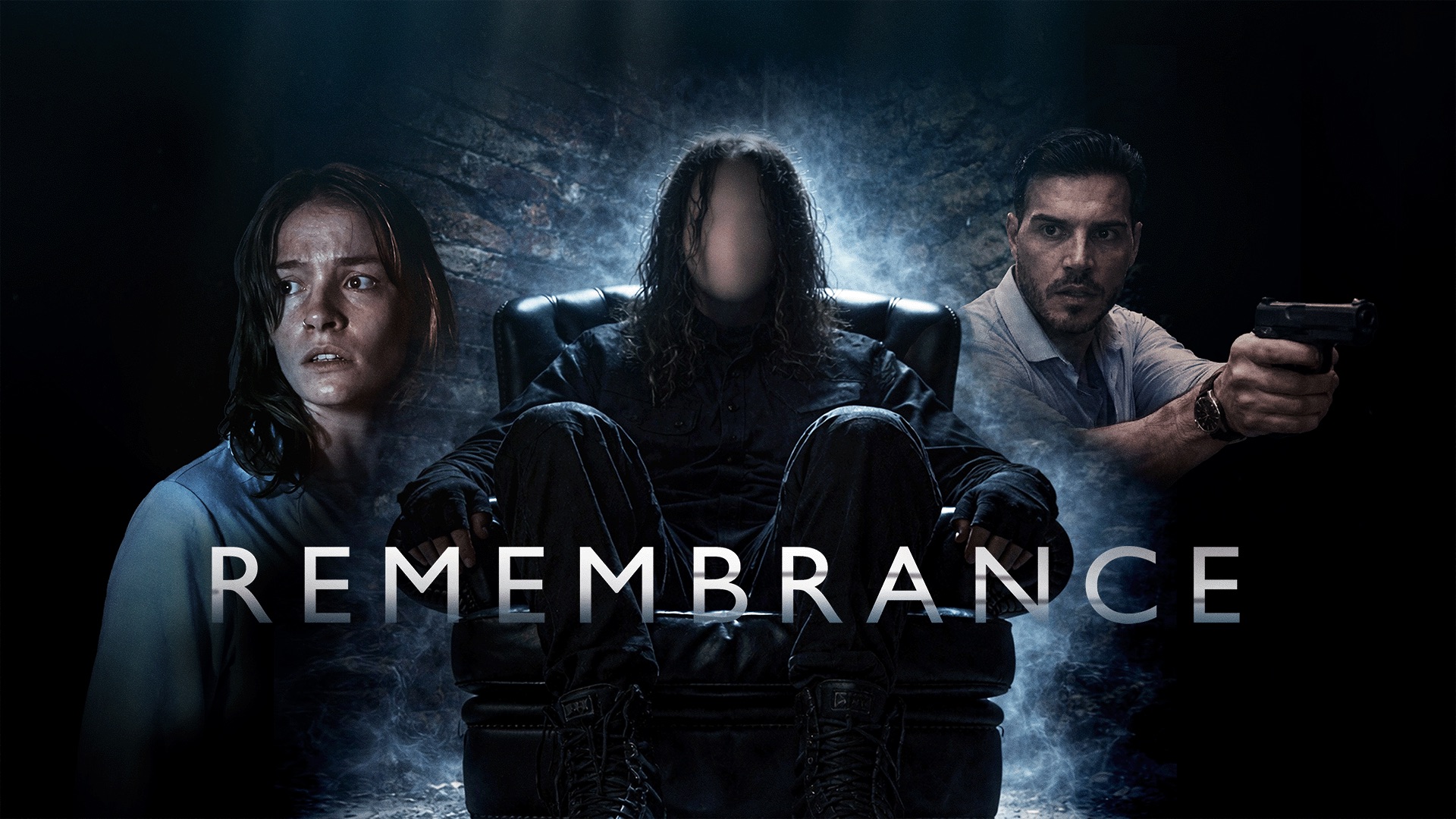
At the heart of Remembrance lies a premise that is both classic in its structure and modern in its execution. The narrative follows Grace (played by Alyssa Haymor), a woman who emerges from a harrowing experience of captivity only to find that her past has been surgically removed from her conscious mind. Amnesia serves as the primary obstacle, not just for the protagonist, but for the audience, who must piece together her reality alongside her.
The investigation into her abduction is spearheaded by two detectives with diverging methodologies: Isaac and Amanda. As they attempt to reconstruct the timeline of Grace’s disappearance, the case evolves from a standard procedural into a psychological tug-of-war. Grace’s persistent, vivid hallucinations act as both a key to her survival and a barrier to her credibility. While Isaac finds himself deeply empathetic to Grace’s fragile state, his partner, Amanda, adopts a more clinical, skeptical stance, casting doubt on the veracity of Grace’s accounts.
The film boasts a talented ensemble cast. Beyond Haymor’s lead performance, the film features Saffron Spearman and James Matthew Denton, the latter of whom also co-directs. This dual role of actor and director suggests a deeply intimate production environment, one where the creative vision is closely guarded by those who understand the character motivations from the inside out.
Chronology: The Road to Production
The development of Remembrance has been a journey marked by a deliberate focus on atmosphere and character development. Following the success of Jitters, Denton and Oakes sought a project that would allow them to explore the darker corridors of the human psyche.
Pre-Production and Concept
The concept for Remembrance originated from a desire to examine how trauma manifests not just in behavior, but in the sensory experiences of a survivor. The directing team spent months refining the script to ensure that Grace’s hallucinations felt grounded in psychological reality rather than mere horror-movie tropes.
The Casting Phase
The casting process was instrumental in defining the tone of the film. The directors sought performers capable of sustaining high-tension, emotionally taxing scenes over long durations. Alyssa Haymor was selected for her ability to convey vulnerability and internal strength simultaneously, a balance required for a character whose memory is a blank slate.
Principal Photography
Filming took place throughout the last year, with a focus on locations that reflected the isolation and confusion of the protagonist. The production team utilized a mix of claustrophobic interiors and disorienting exterior landscapes to mirror Grace’s internal state.
Post-Production and Digital Distribution
As the film moved into post-production, the focus shifted to sound design and editing—essential components for a film that relies heavily on perspective. The partnership with Reel2ReelFilms was solidified early this year, ensuring a robust digital rollout for the UK market.
Supporting Data: The Psychological Thriller Landscape
The psychological thriller genre has seen a massive resurgence in the streaming era. Data from recent industry reports suggests that audiences are increasingly drawn to "slow-burn" narratives that require active engagement. Unlike traditional action-thrillers, psychological dramas thrive on the intellectual investment of the viewer.
According to market research on streaming habits, films that focus on memory loss and identity theft—such as Remembrance—consistently perform well in the 25–45 age demographic. This is attributed to the "puzzle-solving" nature of these stories, which encourages social media discussion and long-term engagement.
Furthermore, the involvement of independent directors like Denton and Oakes signals a shift in the industry where high-concept narratives are increasingly finding homes on digital platforms. Without the pressure of a traditional theatrical release window, these films can cultivate a dedicated cult following through digital word-of-mouth and targeted streaming recommendations.
Official Responses and Creative Intent
In early press releases, the production team has emphasized that Remembrance is, at its core, a story about the resilience of the mind. James Denton and Richard Oakes have noted that the film was crafted as a "sensory experience."
"We didn’t want to make a movie where you just watch Grace suffer," the directors stated in a recent interview. "We wanted the audience to inhabit that suffering. We wanted you to wonder if the voices she hears are ghosts, repressed memories, or simply the echoes of a mind trying to protect itself."
Alyssa Haymor, reflecting on her role, mentioned the intensity of the shooting schedule: "Playing Grace was an exercise in stripping away layers. Every day on set, we were peeling back another part of her history. It was draining, but it was essential to get to the truth of who she is when no one is watching."
The film’s distributor, Reel2ReelFilms, has expressed high confidence in the project. "It’s a film that demands to be seen more than once," a spokesperson said. "The layers of deception and the emotional payoff at the end make it a standout for the autumn season."
Implications: The Future of Independent Thrillers
The release of Remembrance carries significant implications for independent cinema in the UK. By bypassing the traditional theatrical gatekeepers, the film highlights the viability of a "digital-first" distribution strategy for mid-budget thrillers.
The "Reliability" Debate
The film’s focus on the tension between Isaac and Amanda represents a broader trend in current thriller scripts: the interrogation of the "detective archetype." By questioning whether a witness—or a victim—is reliable, the narrative forces the audience to confront their own biases. Are we trusting Grace because we like her, or because she is the protagonist? This meta-commentary on narrative reliability is likely to spark debate among viewers.
The Impact of Directorial Duos
The success of Denton and Oakes in co-directing indicates that the collaborative model is becoming a standard in the industry. By splitting the responsibilities of technical direction and performance coaching, the duo has managed to produce a film that feels both visually polished and emotionally resonant.
The Streaming Shift
As October 19th approaches, the anticipation surrounding Remembrance serves as a litmus test for the digital distribution market. If the film achieves high viewership numbers, it could pave the way for more experimental, character-driven thrillers to secure funding and distribution without needing the backing of major studio conglomerates.
Conclusion
Remembrance is more than just a story of a kidnapping; it is a profound examination of the scars left by trauma and the desperate human need for truth. As Grace navigates the hazy corridors of her own mind, the audience is invited to follow, armed only with the clues provided by two detectives at odds with one another.
With a compelling cast, a director team with a proven track record, and a premise that promises to keep viewers guessing until the final frame, the film is positioned to be a hallmark of the autumn season. Whether it will ultimately provide the answers the audience seeks—or simply deepen the mystery—remains to be seen. One thing is certain: on October 19th, the viewers will have to decide for themselves what is memory, and what is merely a shadow.
