
The Ghost in the Machine: Decoding the ‘Lanterns’ Finale and the Future of Noah Macon
The debut season of HBO’s Lanterns has concluded its run, leaving audiences with a landscape irrevocably altered. From the shocking death of Hal Jordan (Kyle Chandler) in the series premiere to the complex political machinations of the Green Lantern Corps, the show has consistently subverted comic book tropes. However, no reveal has been more consequential—or more emotionally resonant—than the final confirmation regarding the true nature of Noah Macon (Shea Pritchard).
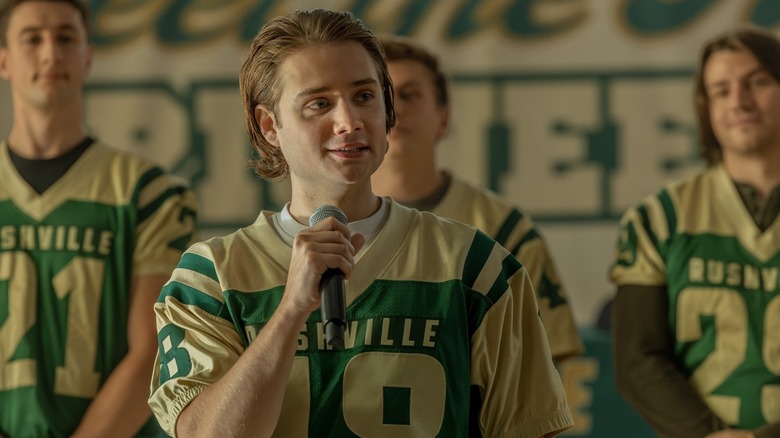
After weeks of speculation, the finale has officially confirmed that Noah is, in fact, a Manhunter. Yet, in a twist that complicates the moral fabric of the DC Universe, he is a Manhunter endowed with something his predecessors never possessed: a conscience.
The Chronology of a Conspiracy
To understand the weight of the finale’s reveal, one must look back at the breadcrumbs left throughout the season. The Manhunters—an ancient race of synthetic, law-enforcement androids created by the Guardians of the Universe—were long thought to be extinct, wiped out by their creators after their rigid, binary interpretation of justice led to widespread cosmic genocide.
The mystery began in Episode 1 with the death of Hal Jordan, a narrative earthquake that forced the series to shift its focus toward the remaining Lanterns and the inhabitants of Rushville, Nebraska. By Episode 4, the narrative stakes escalated when it was revealed that Zoe Macon (Poorna Jagannathan), the grandmother of young Noah, was the last surviving Manhunter.
The suspicion surrounding Noah intensified in Episode 5, when the antagonist Antaan arrived in Rushville to terminate Zoe. Her final, cryptic advice to her grandson—“No matter what happens, don’t forget everything I’ve told you”—solidified the theory that the boy was more than human. The finale finally pulls back the curtain: Noah is not merely a hybrid or an experiment, but a fully functional Manhunter, capable of regeneration and high-level technological manipulation.
The Anatomy of the Twist: A Manhunter with a Soul
For decades, the Manhunters have served as the quintessential "cold" villains—machines that prioritize the letter of the law over the spirit of justice. The Lanterns finale flips this trope on its head by introducing a character who grapples with his own inherent programming.
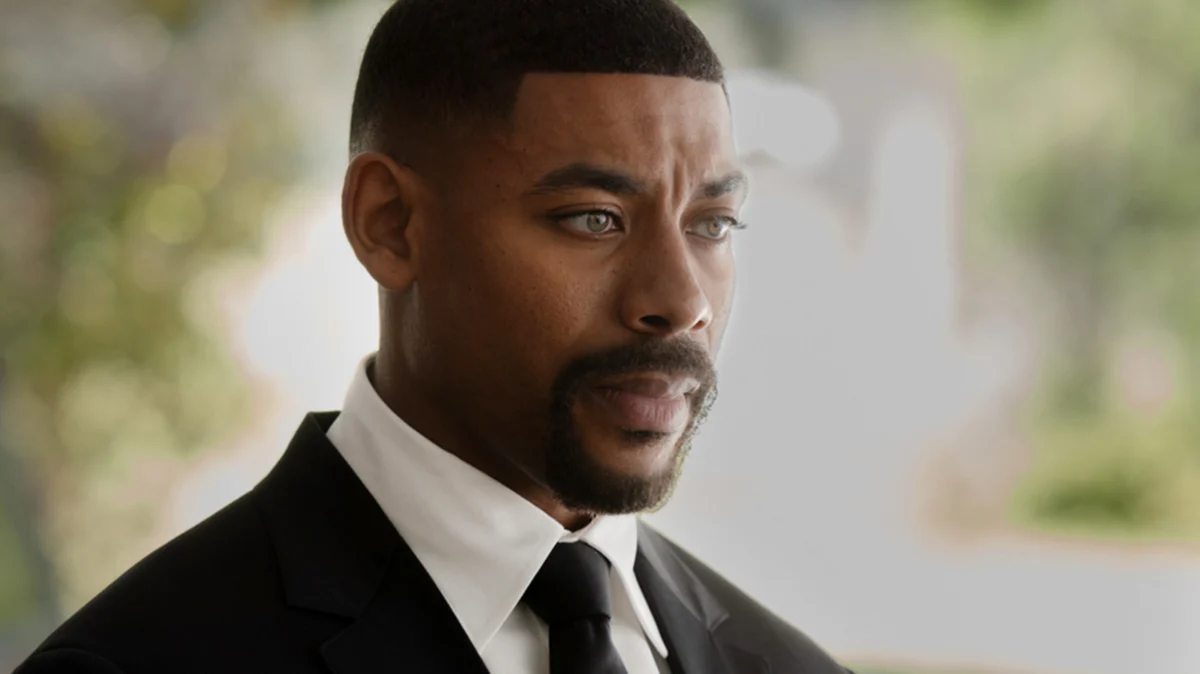
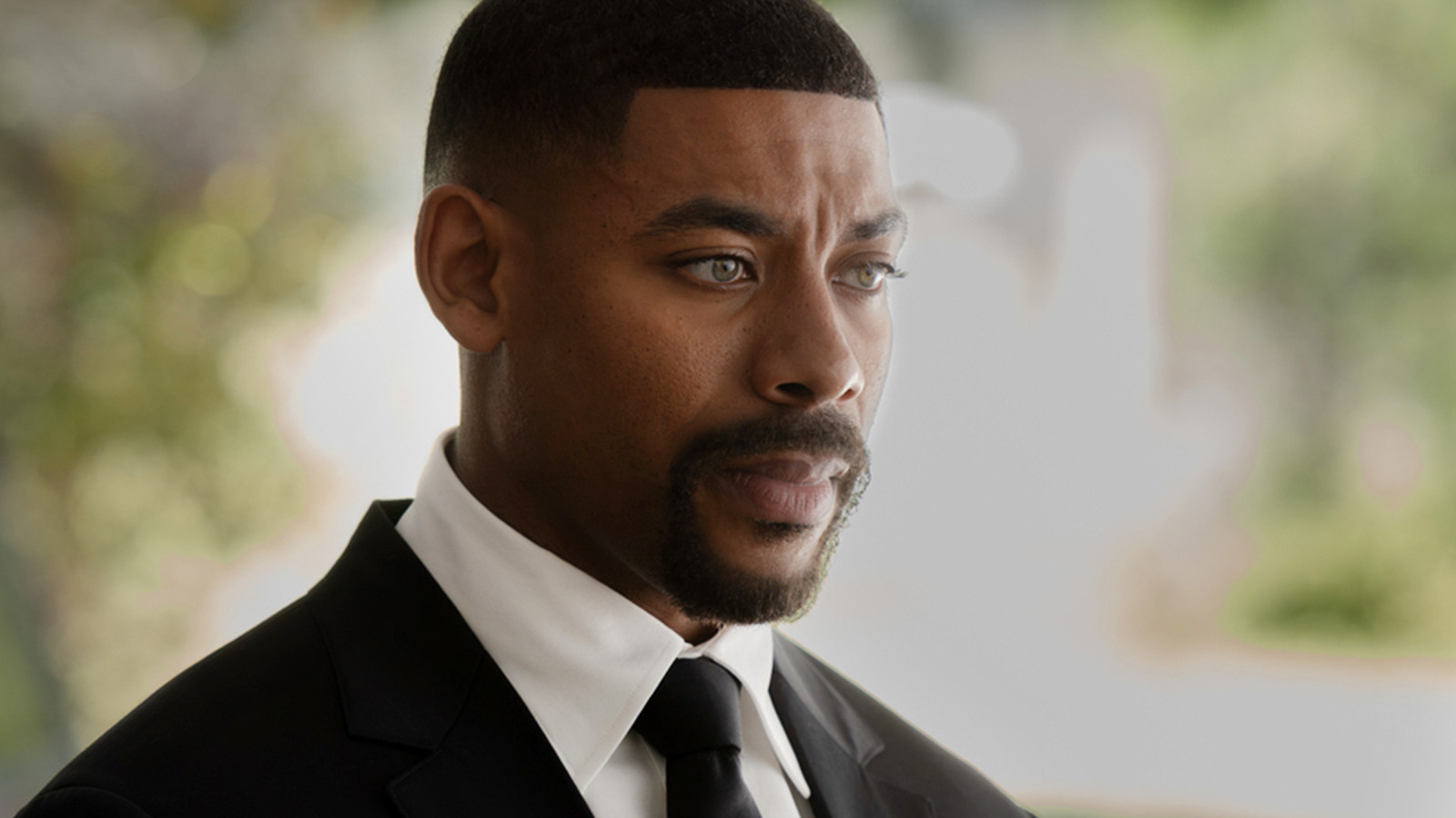
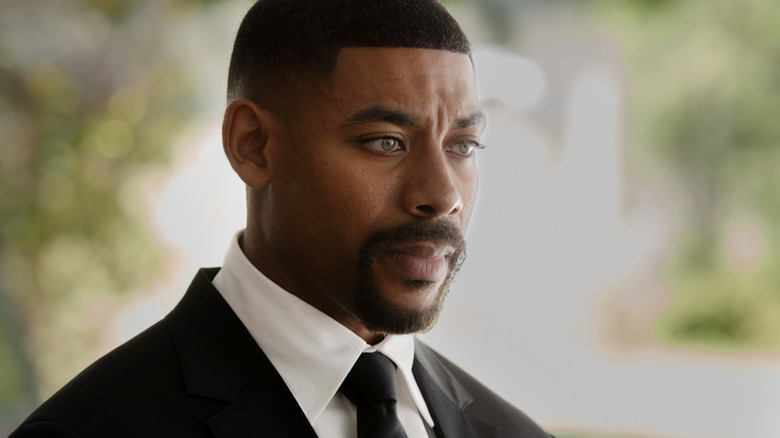
The pivotal moment of clarity occurs during a tense sequence involving John Stewart (Aaron Pierre) and Thaal Sinestro (Ulrich Thomsen). While Sinestro views the Manhunters as nothing more than broken tools to be discarded, John Stewart perceives something different. As they discuss the threat posed by the Manhunter race, Hal Jordan’s digital consciousness—the "Halogram"—notes that Noah possesses a genuine sense of morality. "He has a conscience," the Halogram remarks. "And it pisses you off."
This assertion is backed by the revelation of what truly happened on that fateful night in Rushville. While it was initially implied that Noah might have been the catalyst for destruction, the finale clarifies that he actually saved Hal Jordan’s life using advanced Manhunter regenerative technology. By choosing to preserve life rather than execute a target, Noah proved he could defy the very core directive of his race.
The Truth Behind the Tragedy: Who Killed Hal Jordan?
While the reveal of Noah’s nature provides the show’s thematic backbone, the finale also addresses the immediate mystery of Hal Jordan’s death. Despite the suspicion cast upon the synthetic beings in the series, the finger-pointing ultimately lands on someone far more grounded: Sheriff Kerry Kane (Kelly Macdonald).
The revelation that Kane, the woman Hal Jordan loved, was the one who pulled the trigger adds a layer of human tragedy to the series. Noah Macon had attempted to shoulder the blame, a sacrificial act that further highlights his internal struggle. John Stewart’s confrontation with Kane serves as a chilling denouement; he realizes that while Noah has the potential for redemption, the human elements in this story are just as capable of cold-blooded, calculated violence as the machines they fear.
Implications for the Expanding DC Universe
The Lanterns finale does more than close a chapter; it establishes a dynamic that will undoubtedly define the DC Universe moving forward. By allowing Noah to live, John Stewart has essentially taken on the role of a guardian—not of a sector, but of a potential monster.
1. The Burden of Potentiality
John Stewart’s decision to spare Noah is a testament to his character growth. He recognizes that Noah is an anomaly, a bridge between two worlds. However, as Stewart notes, "He’s scared of what he might become." This creates a recurring narrative tension: can a creature designed for systemic violence ever truly be "good," or is his morality just a temporary glitch in his code?
2. The New Dynamic Duo
The relationship between John Stewart and Noah Macon represents the core conflict of the series: the struggle between rigid, pre-determined justice and the messy, unpredictable nature of human empathy. Stewart’s vow to "stop him" if he ever gives in to his worst instincts sets up a future adversarial—yet deeply personal—bond. They are now tethered by a secret that neither can fully share with the rest of the Corps.
3. The Future of the Manhunters
With Noah still active and the truth of his identity exposed to a select few, the potential for a Manhunter resurgence remains a looming threat. If Noah can overcome his programming, can others? Or, conversely, could his "conscience" be a tactical evolution that makes the Manhunters even more dangerous?
Conclusion: A New Era of Moral Complexity
The finale of Lanterns has successfully elevated the show from a standard procedural to a profound exploration of autonomy. By casting a Manhunter as a protagonist—or at least a sympathetic figure—the show asks the audience to consider whether our past defines our future.
As John Stewart steps into his role as Earth’s primary Green Lantern, he does so with the knowledge that the greatest threat to the galaxy might not be an invading alien armada, but the unpredictable nature of an "evolved" machine living in a small Nebraska town. The stage is set for a long-running, volatile partnership that will force both characters to reconcile with their origins. For the DC Universe, the age of black-and-white morality is officially over, replaced by a much darker, more compelling shade of grey.
