
A Visionary Triumph: Re-Examining Barbra Streisand’s Masterpiece Yentl (1983) Through the Lens of Film History
Main Facts
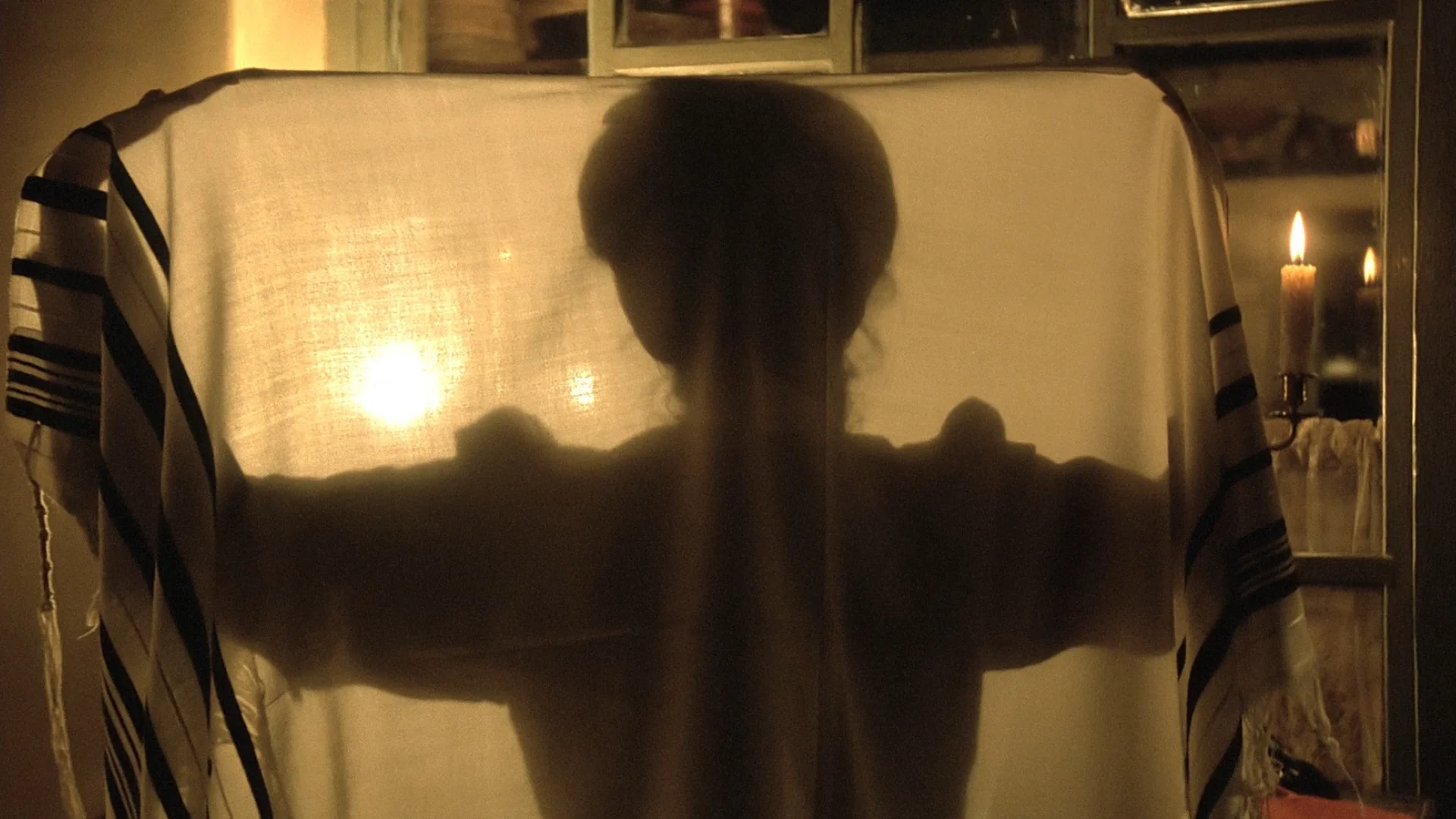
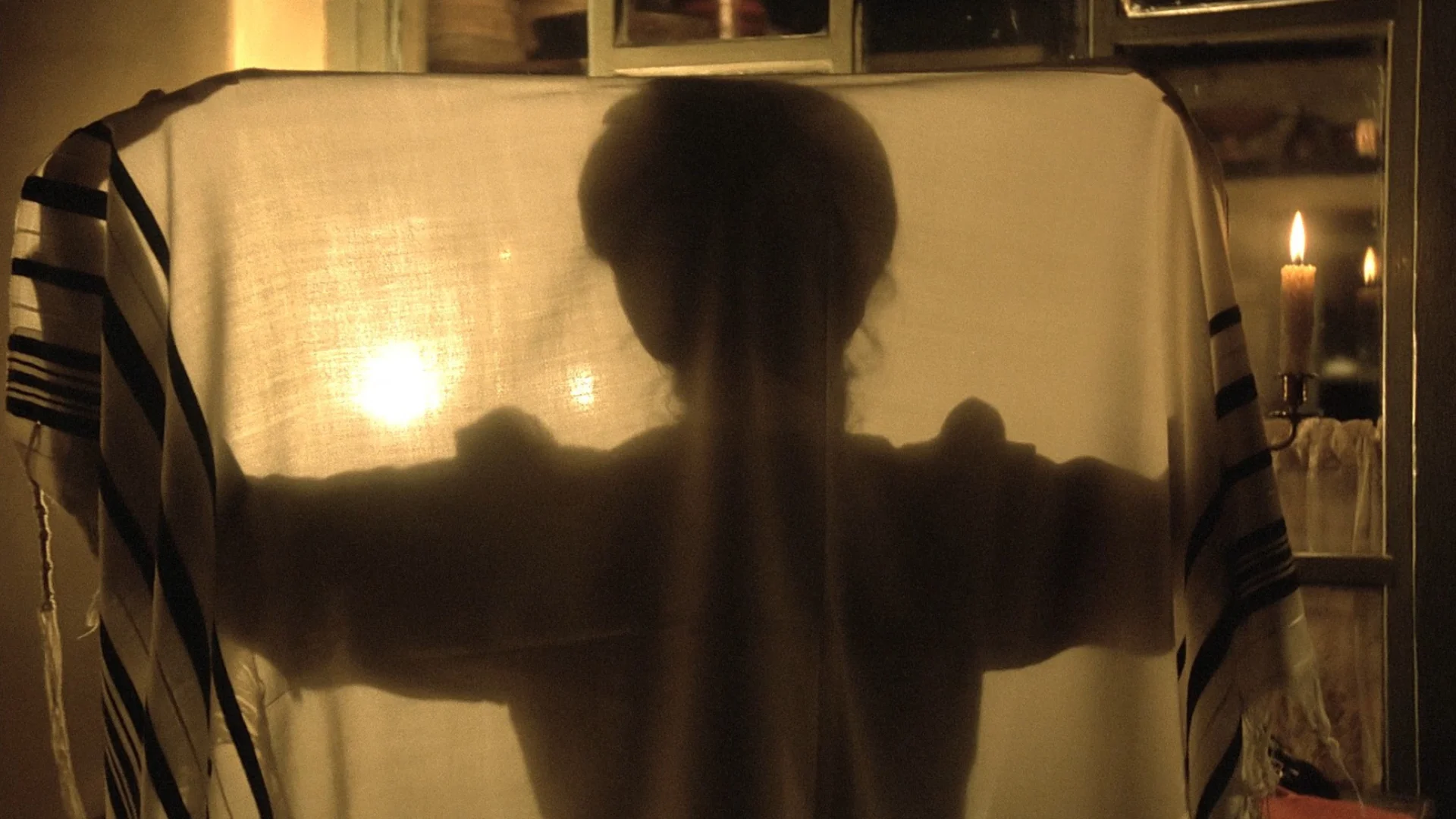
Released in late 1983, Yentl stands as a monumental achievement in cinematic history, largely due to the unprecedented creative control wielded by its leading force. Based on Isaac Bashevis Singer’s short story Yentl the Yeshiva Boy, the musical drama follows the courageous journey of a young Jewish woman in Eastern Europe who defies the rigid gender norms of her era. Hungry for knowledge and prohibited from studying sacred religious texts as a female, she makes the radical decision to disguise herself as a boy, adopting the name Anshel, to enter a yeshiva and study Talmudic law.
At the helm of this ambitious project was Barbra Streisand, who shattered Hollywood glass ceilings by becoming the first woman to write, produce, direct, and star in a major studio motion picture. The film not only showcased her multifaceted artistic genius but also introduced audiences to a deeply personal exploration of identity, ambition, and the universal human desire for intellectual and spiritual fulfillment. Featuring a lush, Academy Award-winning musical score by Michel Legrand, with lyrics by Alan and Marilyn Bergman, Yentl remains a masterclass in storytelling, capturing the bittersweet complexities of living a double life to pursue one’s true calling. Today, the American Film Institute (AFI) continues to celebrate the film’s enduring legacy, highlighting Streisand’s visionary contributions as an AFI Life Achievement Award recipient and cementing the picture as a cornerstone of feminist and cinematic history.
Chronology: The Long Road to the Screen
The journey of bringing Yentl to the silver screen was fraught with decades of hesitation, rejection, and immense perseverance. The timeline of its creation reflects the uphill battle women faced in Hollywood during the late 20th century, particularly when attempting to helm prestige projects.
- 1968: Following the release of her star-making turn in Funny Girl, Barbra Streisand first encounters Isaac Bashevis Singer’s source material. Deeply moved by the protagonist’s plight and determination, she immediately envisions a cinematic adaptation and begins conceptualizing the film as a musical—a bold choice that would later complicate studio negotiations.
- The 1970s (The Rejection Era): For over a decade, Streisand pitches Yentl to major Hollywood studios. Despite her immense box-office clout, studio executives express skepticism on multiple fronts. They fear a musical about Jewish theology will lack commercial appeal, they worry about the unconventional cross-dressing narrative, and, most glaringly, they refuse to let a first-time female director manage a multimillion-dollar budget.
- 1981–1982 (The Green Light): Refusing to compromise her vision, Streisand persists until Orion Pictures finally grants her the green light. Crucially, she secures total creative control—writing the screenplay (alongside Jack Rosenthal), producing, directing, and starring.
- 1983 (Production and Release): Principal photography takes place primarily in Czechoslovakia (standing in for turn-of-the-century Eastern Europe). Despite grueling conditions and intense media scrutiny regarding her unprecedented multi-hyphenate role, Streisand completes the film. Yentl premieres in November 1983 to a mixed commercial reception from mainstream audiences, though it earns critical acclaim and garners five Academy Award nominations, ultimately winning the Oscar for Best Original Score.
- Post-Release to Present Day: Over the decades, Yentl undergoes a cultural reassessment. Initially viewed by some contemporary critics through a polarized lens, it is now widely recognized as a trailblazing feminist text and a triumph of auteur cinema, preserved and analyzed extensively through platforms like the AFI Catalog.
Supporting Data and Production Metrics
To fully understand the magnitude of Yentl, one must examine the production metrics and critical responses that defined its theatrical run and subsequent legacy:
- Box Office Performance: Made on an estimated budget of $12 million, Yentl grossed approximately $40 million at the domestic box office. While respectable, industry analysts noted that its commercial potential was hindered by studio marketing missteps that sometimes mischaracterized the film as a traditional romantic comedy rather than a profound spiritual and dramatic musical.
- Academy Award Recognition: The film received five Oscar nominations:
- Best Actress in a Supporting Role (Amy Irving)
- Best Art Direction-Set Decoration (Roy Walker, Leslie Tomkins, Tessa Davies)
- Best Original Song Score (Michel Legrand, Alan Bergman, Marilyn Bergman) — Winner
- Best Original Score (Michel Legrand, Alan Bergman, Marilyn Bergman)
- (Notably, despite widespread critical praise for her direction, Streisand was infamously snubbed for Best Director, sparking decades-long industry conversations about systemic bias).
- Golden Globe Awards: Yentl triumphed at the Golden Globes, winning Best Motion Picture – Musical or Comedy and Best Director for Barbra Streisand—making her the first (and, for a long time, only) woman to win the Golden Globe for Best Director.
- Musical Impact: The soundtrack, featuring iconic tracks such as "Papa, Can You Hear Me?" and "The Way He Makes Me Feel," achieved massive commercial success, certified Platinum by the RIAA and further cementing Streisand’s status as a musical titan.
Official Responses and Industry Perspectives
At the time of its release, Yentl elicited a fascinating spectrum of reactions from Hollywood insiders, critics, and cultural commentators.
Mainstream critics were often divided. Some praised Streisand’s audacity and the emotional resonance of the music, while others critiqued the film’s singular focus on its star, dubbing it a "vanity project." However, history has proven these initial reviews shortsighted. Prominent film historians and institutions like the American Film Institute have since reframed these criticisms as symptomatic of an industry uncomfortable with a woman exercising absolute creative authority.

Reflecting on the grueling production process in subsequent interviews—such as her discussions featured in the AFI Movie Club series—Streisand noted the intense pressure of breaking barriers:
"When you’re breaking new ground, you don’t just walk through a door; you have to kick it down while people on the other side are holding it shut. I didn’t just want to tell a story about a girl disguised as a boy; I wanted to explore the hunger of the human soul for knowledge, regardless of gender."
Isaac Bashevis Singer himself offered nuanced commentary on the adaptation. While initially skeptical of turning his philosophical short story into a Broadway-style musical, he acknowledged the emotional depth Streisand brought to the character of Yentl, praising her reverence for the spiritual dilemmas at the heart of the narrative.

Implications: The Enduring Legacy of Yentl
The cultural and industrial implications of Yentl resonate deeply within contemporary cinema. By taking on four major creative roles simultaneously, Barbra Streisand carved out a pathway for future female filmmakers who refused to be pigeonholed as merely actors or auxiliary crew members.
In an era where discussions surrounding gender parity behind the camera remain central to Hollywood’s evolution, Yentl serves as both a cautionary tale of institutional resistance and an inspiring blueprint of uncompromising artistic vision. The film challenged patriarchal structures not only within the fictional confines of the 19th-century European Jewish community it depicted, but also within the very executive suites of 1980s Hollywood that tried to block its creation.
Furthermore, Yentl expanded the boundaries of the movie musical. By replacing traditional, show-stopping ensemble dance numbers with introspective, internal monologues sung by the protagonist, Streisand utilized music as a direct window into the character’s psyche. This directorial choice elevated the genre, proving that musicals could tackle complex theological, existential, and feminist themes with gravity and grace.

Today, as new generations of film lovers discover Yentl through archival resources like the AFI Catalog and streaming platforms, the film remains a testament to the cost of authenticity and the triumph of a singular artistic voice. It stands as an enduring reminder that the pursuit of truth and knowledge—whether in a dusty yeshiva or on a Hollywood soundstage—is a universal endeavor that transcends gender, time, and expectation.
