
Celebrating Craft, Comedy, and Mentorship: A Tribute to A Mighty Wind and AFI Icon Joseph Garrity
Main Facts
The American Film Institute (AFI) has long stood as a bastion for cinematic excellence, nurturing generations of directors, cinematographers, screenwriters, and production designers. Behind every great frame of film lies a complex world of physical storytelling—sets that breathe life into worlds real and imagined. For more than two decades, the American Film Institute’s Conservatory has benefited from the visionary guidance of Joseph Garrity, an alumnus of the AFI Class of 1979 and a towering figure in production design.
As Garrity steps down from his legendary tenure as the Production Design Discipline Head to pursue new creative endeavors, the institution pauses to celebrate not only his academic legacy but also his rich contributions to American cinema. Chief among his collaborative triumphs is the 2003 mockumentary masterwork A Mighty Wind, directed by Christopher Guest and co-written by Guest and Eugene Levy.
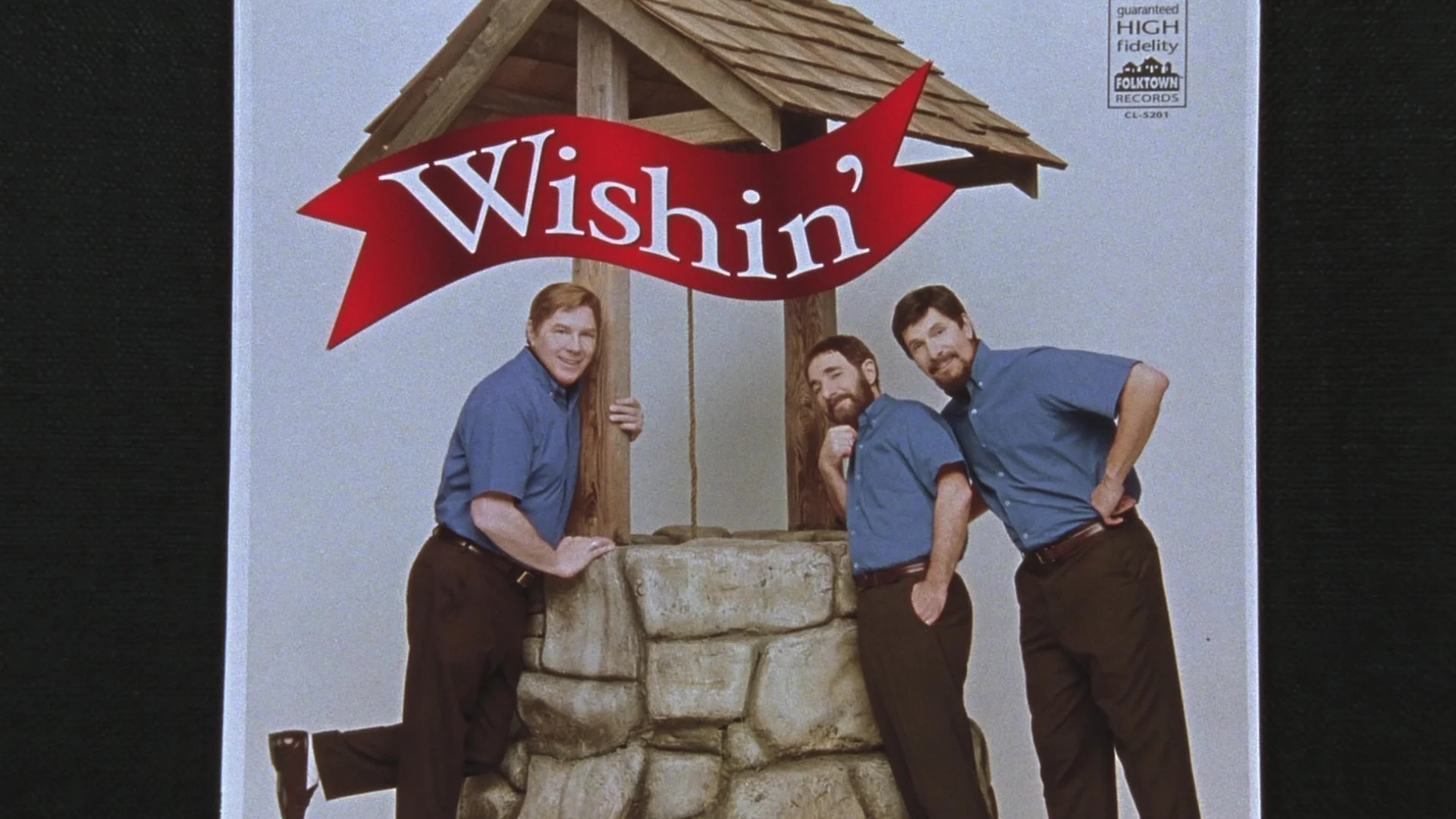
A Mighty Wind serves as a prime showcase for Garrity’s meticulous eye for detail. The film reunites Guest’s legendary comedy troupe—including Bob Balaban, John Michael Higgins, Jane Lynch, Michael McKean, Catherine O’Hara, Parker Posey, Ed Begley Jr., Jennifer Coolidge, Harry Shearer, and Fred Willard—for a gentle, hilarious look at a folk festival reunion concert. Through Garrity’s design work, every dingy backstage dressing room, nostalgic folk-era poster, and weathered auditorium feels viscerally authentic, grounding the film’s absurd comedy in a tangible, lived-in reality.
Chronology: From the Class of ’79 to Discipline Head
To understand the magnitude of Joseph Garrity’s impact on the American Film Institute, one must trace a career spanning over four decades of dedication to the cinematic arts.
- 1979: Joseph Garrity graduates from the AFI Conservatory, laying the technical and artistic groundwork for a prolific career in Hollywood as a premier production designer.
- The 1980s–1990s: Garrity builds an impressive filmography, collaborating with visionary filmmakers and establishing a reputation for creating immersive, character-driven environments. His recurring creative partnership with Christopher Guest becomes a defining hallmark of his career.
- 2003: The release of A Mighty Wind. Garrity serves as the film’s production designer, crafting the unmistakable aesthetic of a bygone 1960s folk music scene crashing into the awkward, aging reality of the early 2000s.
- 2004: Following years as a frequent collaborator with Guest and a seasoned industry veteran, Garrity returns to his alma mater, joining the AFI faculty to impart his wisdom to a new generation of filmmakers.
- 2005: Garrity steps into the role of Production Design Discipline Head, taking the helm of the department and shaping its curriculum with a hands-on, industry-informed approach.
- 2024–2026 (Present): After more than 20 years of dedicated mentorship, guiding hundreds of aspiring designers through the rigorous AFI Conservatory program with a signature gentle touch, Garrity announces his departure to embark on new personal and professional adventures.
Supporting Data & Artistic Analysis: The World of A Mighty Wind
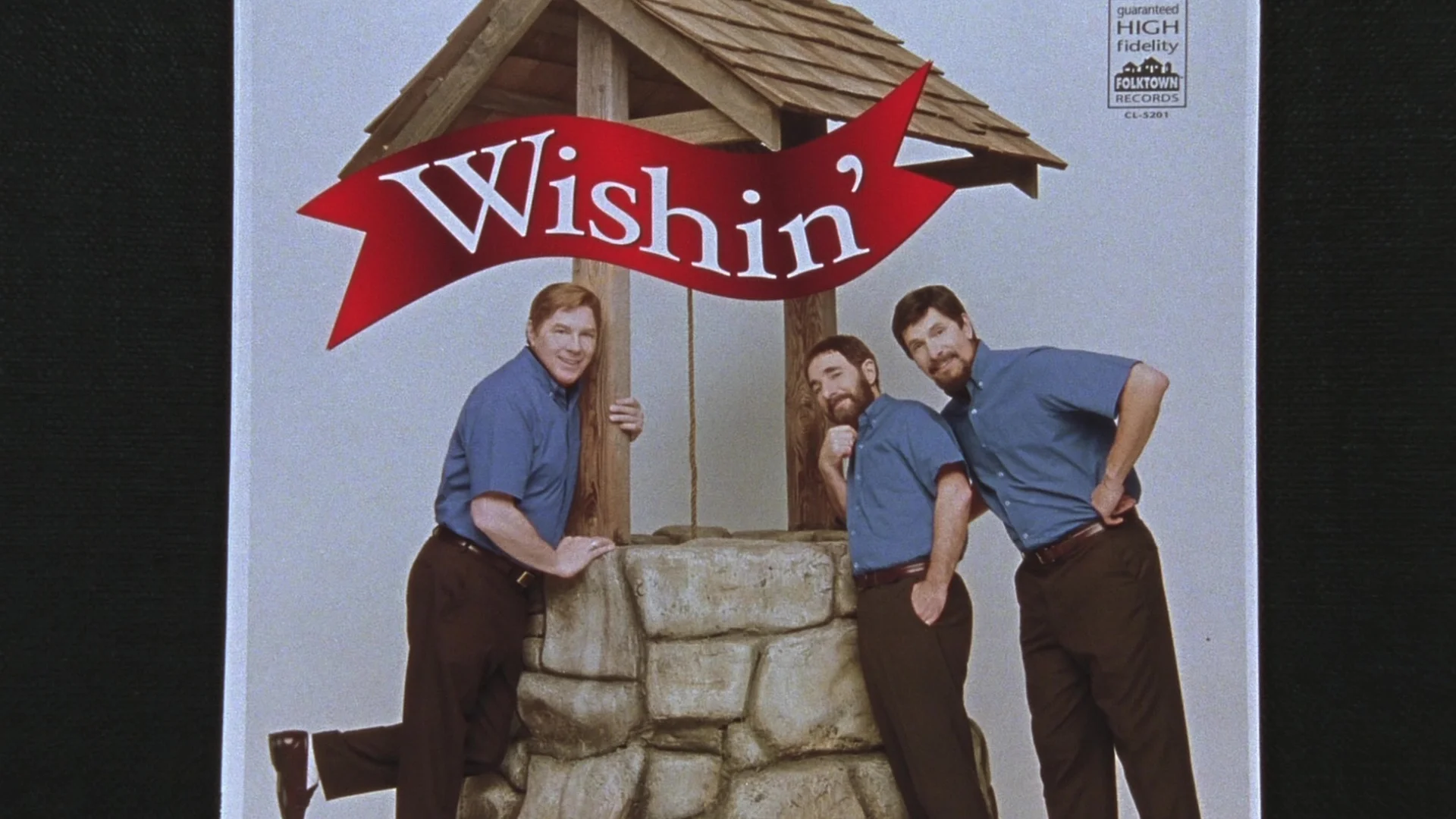
Released in 2003 by Warner Bros., A Mighty Wind is the third entry in Christopher Guest’s acclaimed trilogy of mockumentaries, following Waiting for Guffman (1996) and Best in Show (2000). The film follows three fictional folk acts—The Folksmen, the New Main Street Singers, and Mitch & Mickey—as they reunite for a television tribute concert at New York’s Town Hall following the death of their legendary manager, Irving Steinbloom.
The Production Design Challenge
Creating a mockumentary requires a specific brand of hyper-realism. Because the camera captures spaces from naturalistic angles, the sets cannot look like traditional Hollywood soundstages; they must feel lived-in, historically accurate, and entirely unglamorous when the narrative calls for it.
Joseph Garrity met this challenge by meticulously researching the aesthetics of the late-1950s and early-1960s American folk revival. From the faded laminate tables in roadside diners to the cramped backstage holding areas of Town Hall, Garrity’s designs provide critical visual shorthand for the characters’ aging personas and fading glories.
Key Collaborators and Ensemble Cast
Garrity’s ability to build spaces that actors could genuinely inhabit was vital given the improvisational nature of Guest’s films. Working alongside an ensemble of comedy icons, Garrity designed environments that allowed performers like Catherine O’Hara and Michael McKean (as the tragic folk duo Mitch & Mickey) to evoke decades of shared history simply through the physical spaces they shared.
| Production Element | Detail |
|---|---|
| Director | Christopher Guest |
| Writers | Christopher Guest, Eugene Levy |
| Production Designer | Joseph Garrity (AFI Class of 1979) |
| Key Cast Members | Bob Balaban, John Michael Higgins, Jane Lynch, Michael McKean, Catherine O’Hara, Parker Posey, Ed Begley Jr., Jennifer Coolidge, Harry Shearer, Fred Willard |
| Release Year | 2003 |
Official Responses and Reflections on Mentorship
The transition of leadership within the AFI Production Design discipline marks the end of an era defined by mentorship, patience, and artistic integrity. While formal institutional statements highlight Garrity’s structural contributions to the Conservatory, the true measure of his tenure is found in the testimonies of the fellows he mentored.
Colleagues and former students frequently describe Garrity’s teaching style as a rare blend of rigorous professional standard-setting and profound empathy. Where film schools can often feel cutthroat or overly preoccupied with theory, Garrity emphasized the tactile, collaborative nature of production design. He taught designers that their job was not merely to decorate a space, but to visually manifest a character’s psychology, socioeconomic status, and inner life.

In interviews reflecting on his return to AFI in 2004, Garrity often expressed a deep sense of cyclical fulfillment—passing down the very lessons he learned on the same campus 25 years prior. His leadership as Discipline Head from 2005 onward ensured that AFI’s production design curriculum remained adaptive to technological shifts while holding fast to the timeless fundamentals of drafting, spatial awareness, and narrative architecture.
Implications for the Future of AFI and Production Design
Joseph Garrity’s departure leaves large shoes to fill, but his legacy is permanently etched into the DNA of the AFI Conservatory. The generation of storytellers he trained over the past two decades now populates the art departments of major motion pictures, prestige television series, and independent cinematic gems across the globe.
Continuing the Legacy
As AFI looks toward the future, the framework established by Garrity will serve as a foundational blueprint for training visual storytellers. The emphasis on practical craftsmanship combined with emotional resonance remains essential, especially in an era increasingly dominated by digital effects and virtual production stages. Garrity’s career proves that whether an artist is building a physical replica of a 1960s folk concert hall or designing a futuristic landscape, the core principles of storytelling space remain unchanged.
For film lovers looking to revisit Garrity’s cinematic genius, A Mighty Wind remains widely available across major digital streaming platforms, offering a masterclass in both comedic performance and environmental storytelling. Meanwhile, enthusiasts can explore the rich archival records of his work through the AFI Catalog, ensuring that his contributions to the cultural landscape continue to be studied and celebrated for decades to come.
