
The Undiscovered Country: A Deep Dive into Resurrection in the Star Trek Universe
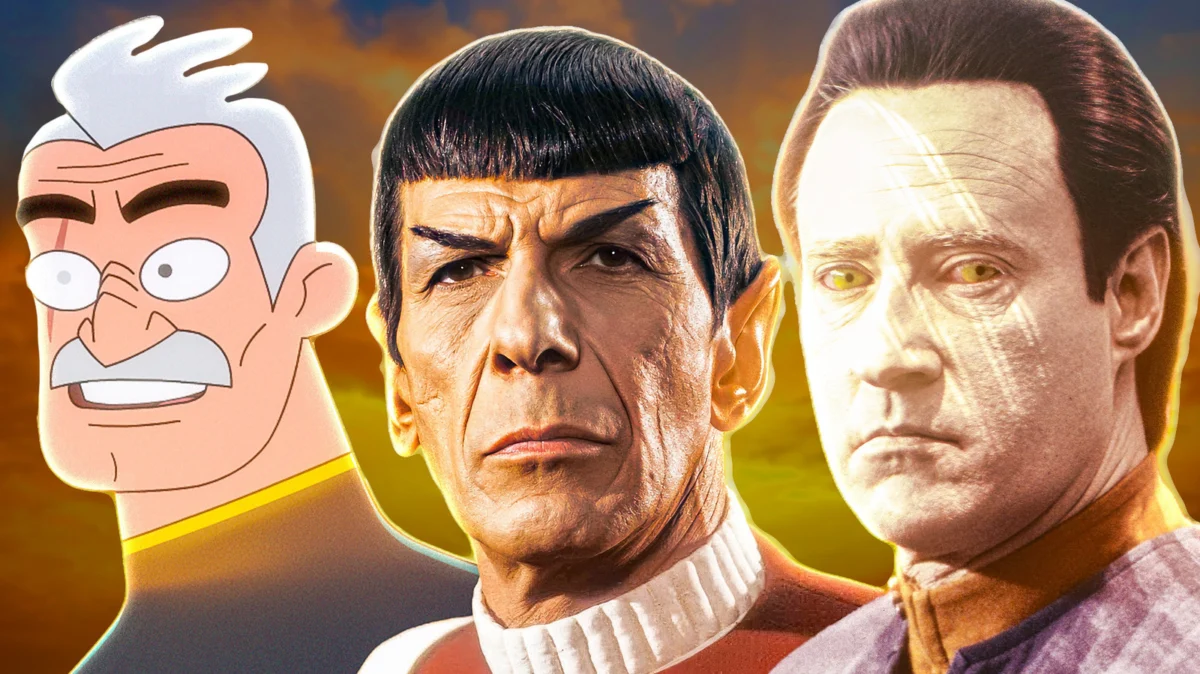
For sixty years, Star Trek has served as the gold standard for optimistic science fiction. Yet, beneath its hopeful exploration of diplomacy and technological advancement lies a recurring, almost mythic, preoccupation with mortality. In the Star Trek universe, death is rarely the final frontier; it is often merely a plot point, a temporary setback, or a scientific hurdle to be cleared.
Whether through the lens of high-concept physics, mystical spirituality, or the sheer resilience of the franchise’s storytelling, Starfleet officers and their adversaries have displayed a remarkable knack for cheating the grave. This phenomenon has become so pervasive that audiences have come to expect the return of beloved characters, blurring the line between definitive tragedy and temporary hiatus.
The Science of Return: A Chronological Perspective
The narrative history of Star Trek is littered with characters who have defied biological cessation. This is not merely a trope; it is a fundamental element of the franchise’s world-building, which treats consciousness, biology, and time as malleable variables.
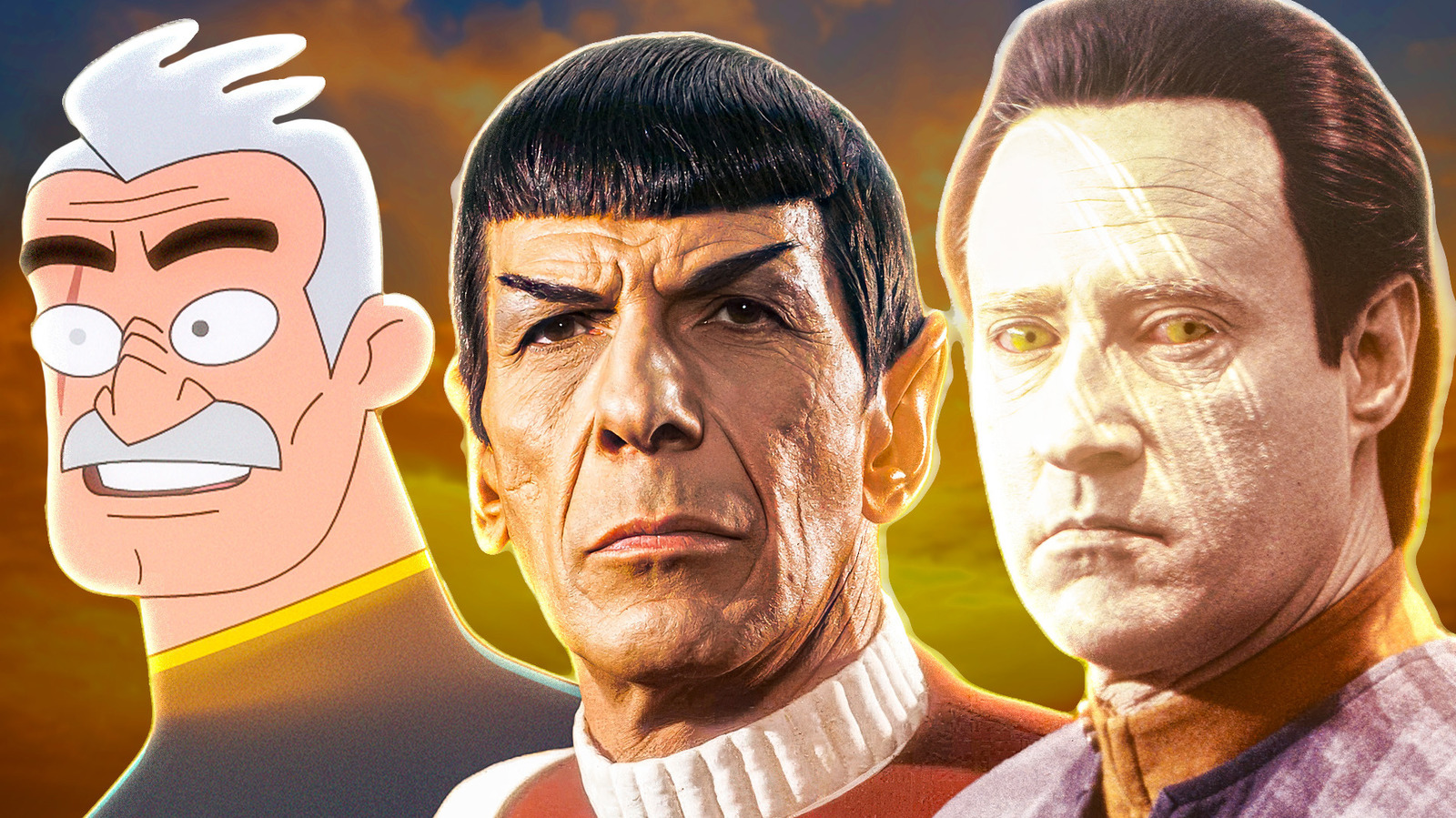
Spock: The Archetype of Resurrection
The most famous resurrection in the franchise remains the return of Mr. Spock. Following his noble sacrifice in Star Trek II: The Wrath of Khan—where he succumbed to radiation poisoning to save the Enterprise—the franchise faced a massive creative dilemma. Leonard Nimoy, having grown weary of the role, had initially sought a permanent exit. However, the resonance of the character and the production’s success led to a change of heart. The subsequent film, The Search for Spock, provided a pseudo-scientific framework for his return: the Genesis Planet. By utilizing the "katra" (the Vulcan soul) transferred to Dr. McCoy, the narrative justified the re-emergence of the iconic Vulcan, setting a precedent that no death was beyond the reach of "super-science."
Weyoun: The Disposable Diplomat
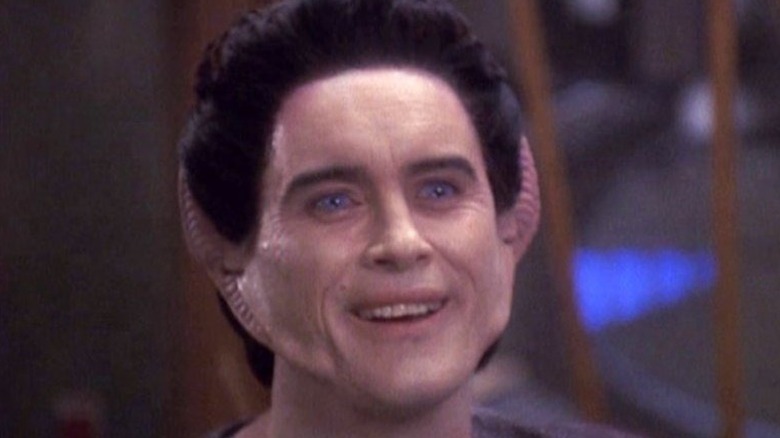
While Spock’s return was an emotional event, the Dominion’s Weyoun introduced a more clinical, bureaucratic approach to immortality. As a Vorta, Weyoun was a genetically engineered diplomat who could be cloned indefinitely. Throughout Star Trek: Deep Space Nine, the audience watched multiple iterations of the character meet their end, only to be replaced by an identical copy with the same memories. This raised profound philosophical questions: Is an individual merely the sum of their memories? If a soul is absent, does the replacement count as a person? By the time Weyoun 8 was killed in the series finale, the trope had evolved from a curiosity to a dark commentary on the expendability of the Dominion’s forces.
Data: The Quest for Humanity
Data’s journey is perhaps the most poignant. In Star Trek: Nemesis (2002), the android sacrificed himself to save Captain Picard. His "death" was perceived by many as a narrative misstep, lacking the gravity of Spock’s. However, the franchise spent the next two decades correcting this. Through Star Trek: Picard, Data’s consciousness—which had been backed up in the prototype android B-4—was eventually reconstructed into a sophisticated "golem" body. This long-form resurrection allowed the character to finally achieve his life’s goal: to experience the fullness of human existence, proving that for Data, death was simply a long delay in his evolution.
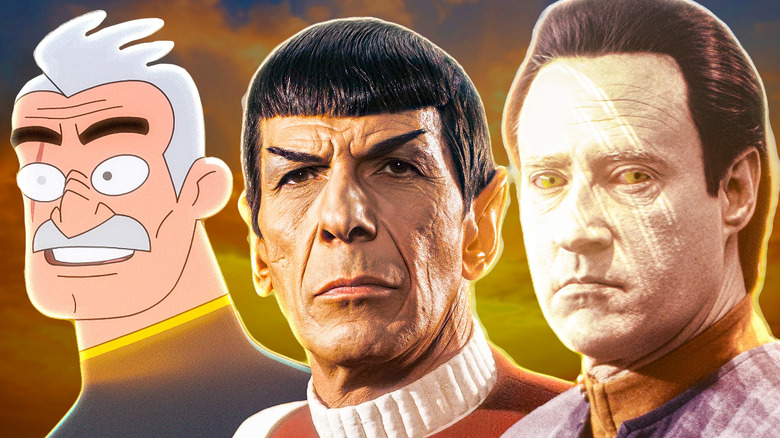
Lieutenant Shaxs: The Parody of Persistence
Star Trek: Lower Decks provides a meta-commentary on this very phenomenon. Lieutenant Shaxs, a security officer who seemingly perished in a ship explosion, returned in the second season with no formal explanation. By refusing to explain how he survived, the show pokes fun at the absurdity of the "miraculous return" trope. It acknowledges that, in the high-stakes world of Star Trek, the senior staff often enjoys a level of narrative armor that lesser characters—the metaphorical "red shirts"—do not.
Supporting Data: Why Resurrection Works
The frequency of these events is not accidental. From a production standpoint, these resurrections serve several vital functions:
- Audience Retention: Characters like Spock and Data are the pillars of their respective series. Their removal creates a vacuum that is difficult to fill, leading writers to seek pathways back.
- Technological World-Building: The Star Trek universe is built on the premise that technology is indistinguishable from magic. Transporters, genetic engineering, time travel, and advanced medicine provide a "get out of jail free" card that fits the established rules of the universe.
- The "Canon" Buffer: Expanded universe novels and comics have historically attempted to "fix" deaths that the primary canon left unresolved. When the primary canon finally addresses these (such as the return of Tasha Yar via time-loop mechanics in "Yesterday’s Enterprise"), it satisfies long-standing fan demand for closure.
Official Responses and Creative Evolution
Executive producers and writers over the decades have maintained a consistent stance: character death is a tool for dramatic impact, but it is never meant to limit the future of a story.
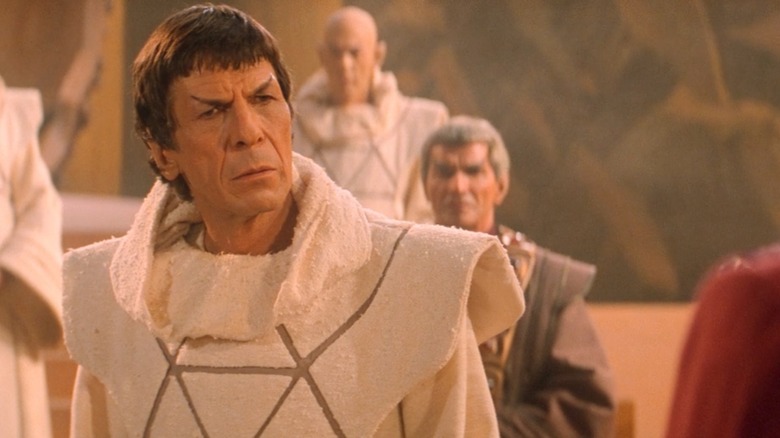
Harve Bennett, the architect behind the "Genesis" storyline, noted in archival interviews that the decision to bring back Spock was driven by the realization that "you don’t kill the soul of a show." Conversely, modern showrunners like Terry Matalas (Star Trek: Picard) have used resurrection to provide emotional payoffs for decades-old arcs. The goal is no longer just to "bring someone back," but to give them the final act they were previously denied.
Implications for the Future of the Franchise
The trend of resurrection has deep implications for the future of the Star Trek franchise. As we move into an era of serialized storytelling, the stakes of death are under constant scrutiny.
The Diminished Stakes of Mortality
The primary criticism of frequent resurrections is the dilution of stakes. If a character can be cloned, downloaded into a simulation, or saved by a time-travel anomaly, does the audience ever truly fear for their safety? Critics argue that this creates a "superhero" effect, where the narrative tension is reduced to how a character will return, rather than if they will survive.
Philosophical Rebranding
However, there is a counter-argument. By focusing on how these characters return—through the lens of Vulcan spirituality, android consciousness, or Vorta cloning—Star Trek forces its audience to engage with the definition of existence. It shifts the conversation from "did they die?" to "what defines a living being?" This is the core of the Star Trek ethos. Whether it is Data’s longing for humanity or the Vorta’s hollow existence, the franchise uses the resurrection trope to explore the boundaries of the soul.
Conclusion: The Final Frontier of Death
The tendency for Star Trek characters to return from the dead is a hallmark of a franchise that is, at its heart, about the triumph of life. Whether it is the scientific marvels of the 24th century or the mysterious forces of the universe, Star Trek refuses to accept that any story is truly over.
As the franchise continues to expand with new series and films, the question remains: will we see fewer resurrections in the future? It is unlikely. As long as there is an audience that cherishes these icons, the writers will continue to find ways to navigate the undiscovered country, bringing them back to the bridge of a starship, ready for one more mission. In the end, perhaps the most important lesson Star Trek teaches us is that while all things must pass, in the vast expanse of the galaxy, there is always a chance for a new beginning.
