
Honoring the Godmother of Indigenous Cinema: The Enduring Legacy of Merata Mita and the Sundance Institute Fellowship
By Katie Arthurs
Introduction and Main Facts
On Indigenous Peoples’ Day, the global film community pauses to reflect on the towering legacy of Merata Mita (1942–2010), a revolutionary Māori filmmaker widely celebrated as the godmother of Indigenous cinema. Mita’s life and career fundamentally altered the landscape of global storytelling, proving that the cinematic lens could be seized as a powerful tool for decolonization. Today, her spirit lives on through the Sundance Institute’s Indigenous Program and, most notably, the Merata Mita Fellowship. This prestigious initiative continues to champion Indigenous women-identifying filmmakers from across the globe, providing critical support to artists who dare to tell their own stories on their own terms.
As the fellowship enters its 12th year, the Sundance Institute has officially opened applications for the 2027 Merata Mita Fellowship, running from October 13 to November 3, 2026. This milestone marks more than a decade of supporting groundbreaking artists whose feature-film projects challenge colonial narratives, platform authentic truths, and ensure that Indigenous perspectives remain unapologetically visible on the silver screen.
Chronology: The Life, Times, and Impact of Merata Mita
To understand the profound weight of the Merata Mita Fellowship, one must trace the extraordinary trajectory of the woman whose name it bears. Mita’s journey into cinema was unconventional, defined less by a calculated career choice and more by an inescapable calling.
- 1942: Merata Mita is born in Aotearoa (New Zealand). Long before she picked up a camera, she was an outspoken activist and a single Māori mother navigating a society structured largely to marginalize Indigenous voices.
- The 1970s and 1980s: Recognizing that mainstream media consistently misrepresented or outright erased Indigenous realities, Mita stepped behind the camera. She faced intense political backlash, police surveillance, and fierce public scrutiny for her unflinching documentaries and dramatic works. Despite this, she persevered, eventually shattering historical glass ceilings.
- 1988: Mita achieves a monumental milestone in global cinema by writing and directing Patu! (1983) and later Mauri (1988)—the latter making her the first Māori woman to solely write and direct a dramatic feature film.
- 2000–2009: Mita extends her revolutionary impact globally by serving as an artistic director and creative advisor for the Sundance Institute’s Native Lab. During this decade, she directly mentors a new generation of Indigenous filmmakers, instilling in them a rigorous commitment to narrative truth.
- 2010: Mita passes away, leaving behind a monumental cinematic blueprint for Indigenous self-representation.
- Post-2010 to Present: The Sundance Institute establishes the Merata Mita Fellowship in her honor. Over the subsequent 12 years, the program expands, directly supporting a growing roster of international Indigenous women feature-film creators, culminating in the 2026 celebration of current fellow Masami Kawai.
Supporting Data and Mentorship: The "Tough Love" of an Icon
Merata Mita’s influence on emerging filmmakers cannot be overstated. During her tenure at the Sundance Institute Native Lab from 2000 to 2009, she shaped the artistic trajectories of numerous directors who would go on to shape modern Indigenous cinema.
Adam Piron, the current director of the Sundance Institute Indigenous Program, worked directly with Mita as a fellow during her years as an artistic director and creative advisor. Reflecting on her pedagogical style, Piron notes that Mita exhibited a distinct "tough love" approach to new filmmakers—a level of artistic scrutiny that inevitably forced artists to dig deeper, sharpen their scripts, and elevate the overall quality of their work.
Mita’s philosophy was rooted in the idea that art is inherently political because Indigenous existence itself is viewed through a political lens by dominant cultures. "I’ve been stereotyped as a radical political filmmaker, but I don’t see myself as radical at all," Mita famously stated. "I see myself as representing what already exists—representing the truth. I’m expressing a Māori viewpoint all the time."
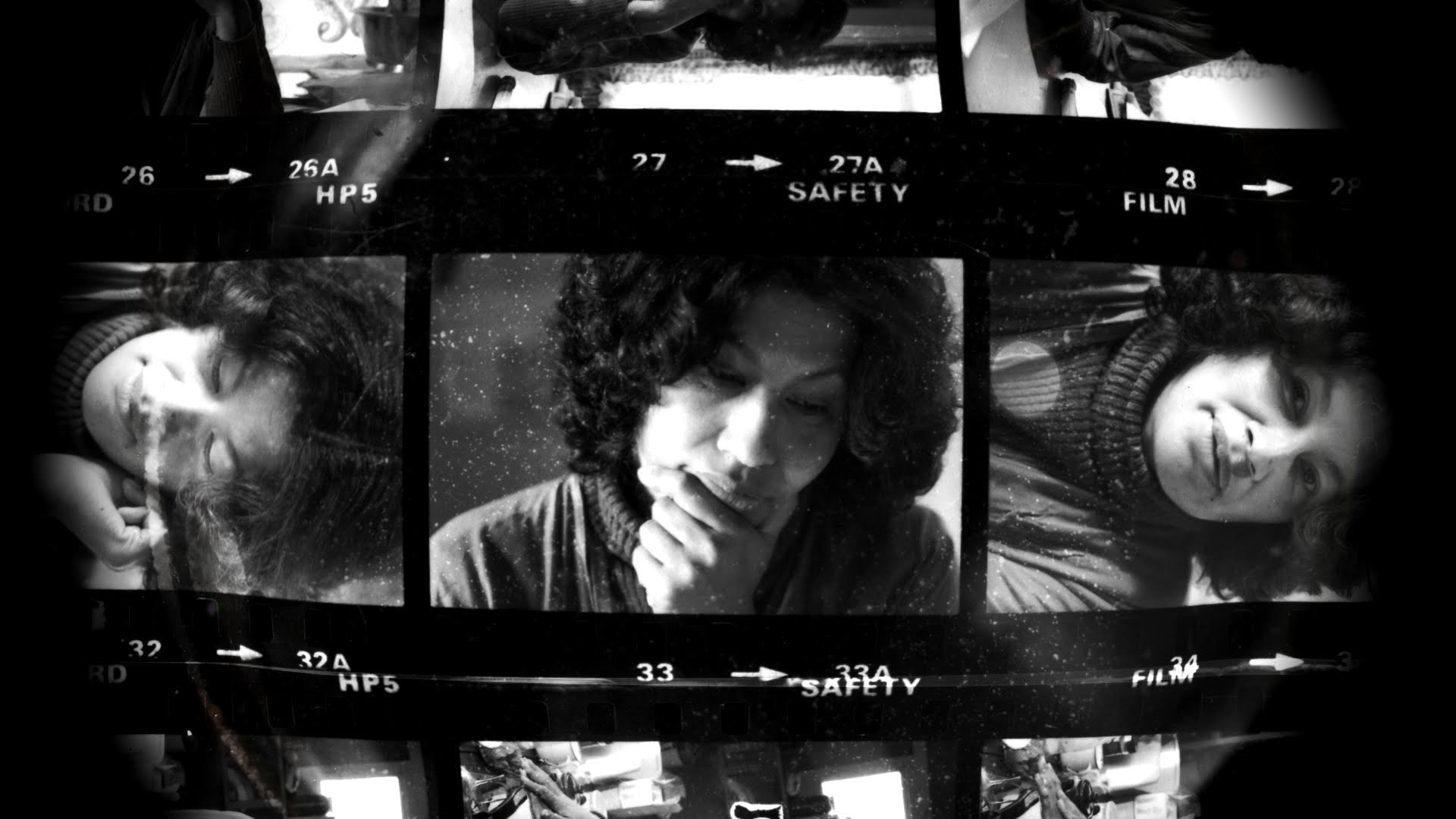
This uncompromising commitment to truth-telling serves as the foundational metric for the Merata Mita Fellowship. Since its inception, the fellowship has supported 12 exceptional Indigenous women as they navigate the notoriously difficult journey of bringing independent feature films to life.
Among the standout success stories is Ciara Lacy (Kanaka Maoli), the inaugural 2016 fellow. Lacy’s critically acclaimed project, Out of State, explored the poignant, unexpected journey of Native Hawaiian men discovering their ancestral culture while incarcerated in an Arizona desert prison. The film enjoyed an extraordinary festival run, screening at prestigious venues such as the Berlinale, the Big Sky Documentary Film Festival, and the Hawaiʻi International Film Festival, where it secured both the Audience Choice Award and the Made in Hawaiʻi Best Feature Award.
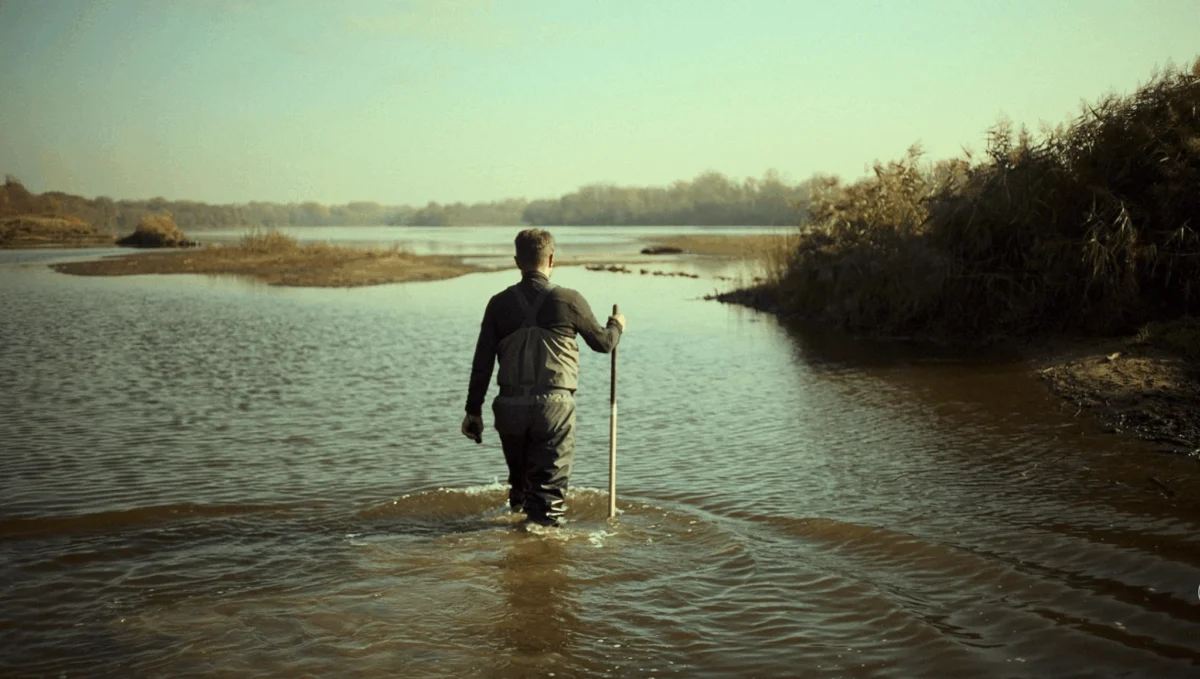
More recently, the 2026 Sundance Film Festival celebrated current Merata Mita Fellow Masami Kawai (Ryukyuan) and her developing feature film project, Valley of the Tall Grass. The film traces the surreal journey of an abandoned old television and VCR combo set that miraculously survives and circulates through the lives of three distinct Indigenous families in Oregon’s Willamette Valley.
Official Responses and Perspectives from the Frontlines
The emotional resonance of Mita’s legacy was palpable at the 2026 Sundance Film Festival Native Forum Celebration, where Masami Kawai took the stage to speak about the profound impact the late filmmaker has had on her artistic identity.
"Mita’s career gives me the courage to be the kind of filmmaker I am," Kawai shared during her address. "She has paved a path that shows I can simultaneously be a filmmaker, educator, and mother, with each role enriching the others." Kawai has since advanced Valley of the Tall Grass into active production, marking a major milestone for her career as a debut feature director.
Sundance leadership continues to emphasize that the fellowship is much more than a financial grant; it is an act of cultural reclamation. The Indigenous Program operates under the guiding philosophy that storytelling is an innate biological and spiritual inheritance for Native peoples.
"The revolution isn’t just running out with a gun," Mita once wrote, capturing the essence of her lifework. "If a film I make causes Indigenous people to feel stronger about themselves, then I’m achieving something worthwhile for the revolution."
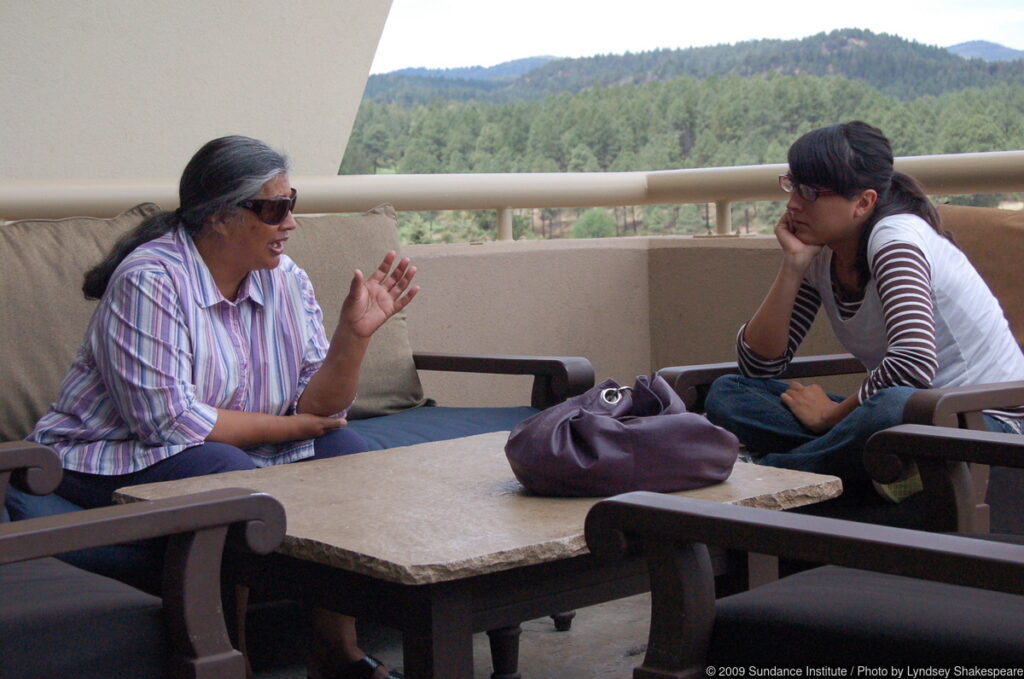
This sentiment is echoed daily by the artists and administrators who sustain the program. As the Sundance Institute noted in its official call to action: "There is purpose in story and art. It holds up a mirror to what is going on around us and demands to be seen. As Indigenous people, we carry it in our DNA, as ever-present as our hands or hearts. The stories we write are ones pulled from our people, experiences, and everything else that makes us who we are."
Implications for the Future of Global Cinema
The implications of the Merata Mita Fellowship extend far beyond individual film credits; they represent a fundamental restructuring of global media ownership and narrative authority. For over a century, the cinematic medium was weaponized as a tool of empire, utilized to propagate harmful stereotypes, erase histories, and subjugate Indigenous populations worldwide. By fostering a generation of Indigenous women directors, the fellowship directly dismantles these colonial structures from the inside out.
Furthermore, by centering women-identifying creators—who historically faced a double marginalization within both mainstream Hollywood and traditional patriarchal tribal structures—the fellowship ensures that the most intersectional, authentic, and nuanced stories are brought to light. These filmmakers are not merely creating entertainment; they are archiving living history, preserving endangered languages, mapping ancestral landscapes, and healing generational trauma through the cathartic power of the screen.
As the application window for the 2027 Merata Mita Fellowship opens from October 13 to November 3, 2026, the global film community looks toward a future where Indigenous screens are no longer an exception, but an established, thriving norm. For Indigenous women-identifying artists worldwide, the call to apply is an invitation to step into a lineage of courage, truth, and uncompromising artistic integrity.
Eligible artists interested in applying for the 2027 Merata Mita Fellowship can submit their materials through the Sundance Institute application portal between October 13 and November 3, 2026.
