
The Audacity of the Mic: How NUKE Turns Existential Dread into Comedic Gold
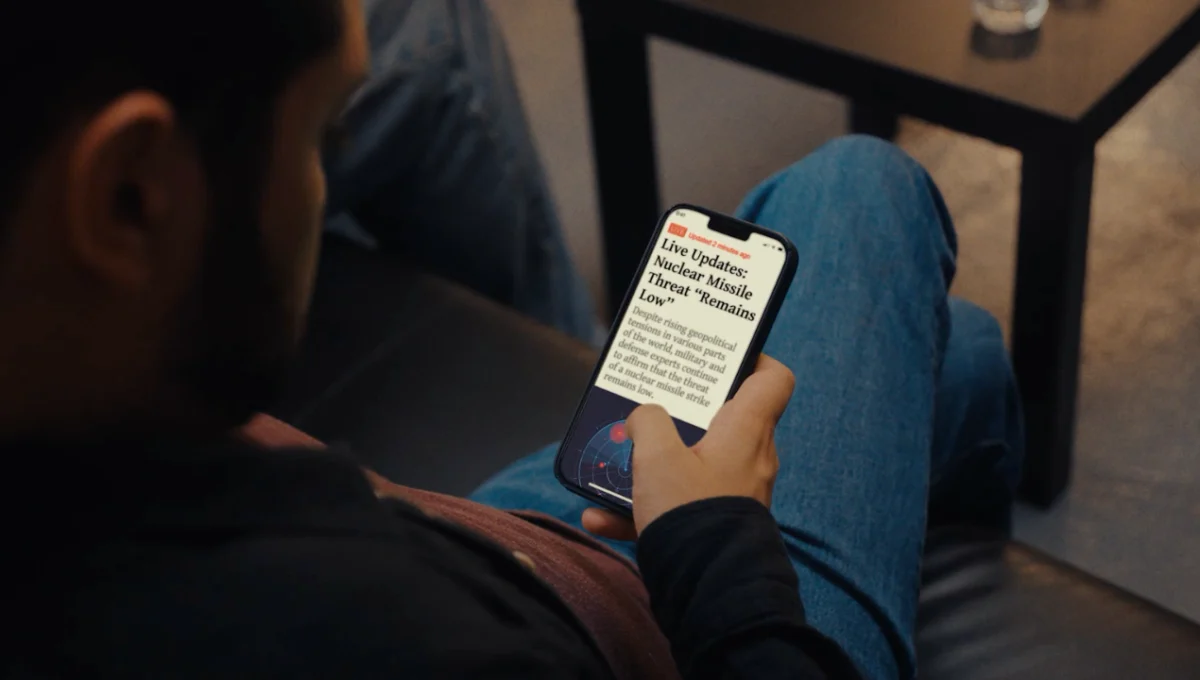
For the average stand-up comedian, the prospect of "bombing" on stage—facing a silent room of unimpressed patrons—is the stuff of recurring nightmares. It is a professional failure that cuts to the bone, a singular humiliation that defines the precarious nature of the craft. But what happens when the metaphor becomes literal? What happens when the audience isn’t just ignoring you, but the entire world is on the brink of total annihilation?
This is the deliciously high-concept premise behind NUKE, a sharp-witted and surprisingly poignant short film directed by Kelsea Bauman-Murphy and written by (and starring) Alli Brown. The film follows Molly, a struggling New York comic who has spent years clawing her way into the lineup of a showcase she believes will finally provide her big break. Just as she prepares to take the stage, the world stops: phones across the room light up with an emergency alert warning of an incoming nuclear missile. While the sensible response would be to evacuate, call family, or seek some form of spiritual solace, Molly’s brain takes a different path. She would still, very much, like to do her set.
The Anatomy of an Obsession: Main Facts
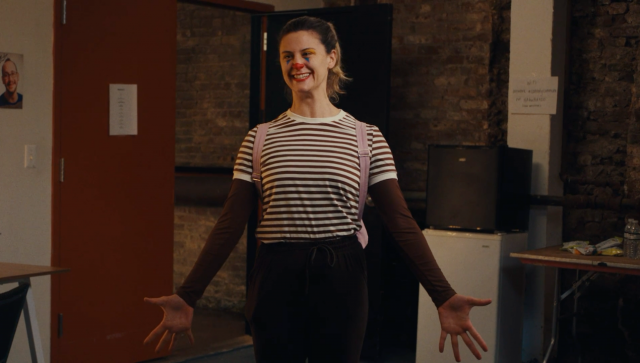
At its core, NUKE is a character study disguised as a dark comedy. Molly is a "clown comic"—literally dressed in full costume, a visual choice that makes her both an outsider and a target of subtle derision within the cool, minimalist ecosystem of the New York comedy scene. She is the quintessential hustler, possessed by an unshakeable, bordering-on-pathological conviction that success is perpetually just one opportunity away.
The film is a collaborative effort born from the deep trenches of the New York comedy circuit. Writer-star Alli Brown is a veteran of the Upright Citizens Brigade (UCB) scene, while director Kelsea Bauman-Murphy brings the seasoned perspective of a former comedy club bartender and a longtime producer for Last Week Tonight with John Oliver. Their combined expertise creates an environment that feels authentic; the film captures the hierarchy, the cutthroat competitiveness, and the desperate, quiet misery of the "aspiring" professional without ever reducing these people to cheap caricatures.
A Chronology of Crisis: From Inspiration to Screen
The genesis of NUKE was not a sudden burst of dark, creative genius, but rather a reflection of a personal trauma. Alli Brown spent years chasing an invitation to audition for the prestigious Just For Laughs festival. In January 2020, the validation finally arrived. Then, the world shut down.
"The industry stopped, the world shut down, people were dying," Brown recalls. "And for a minute there, all I could think was… but what about JFL?"
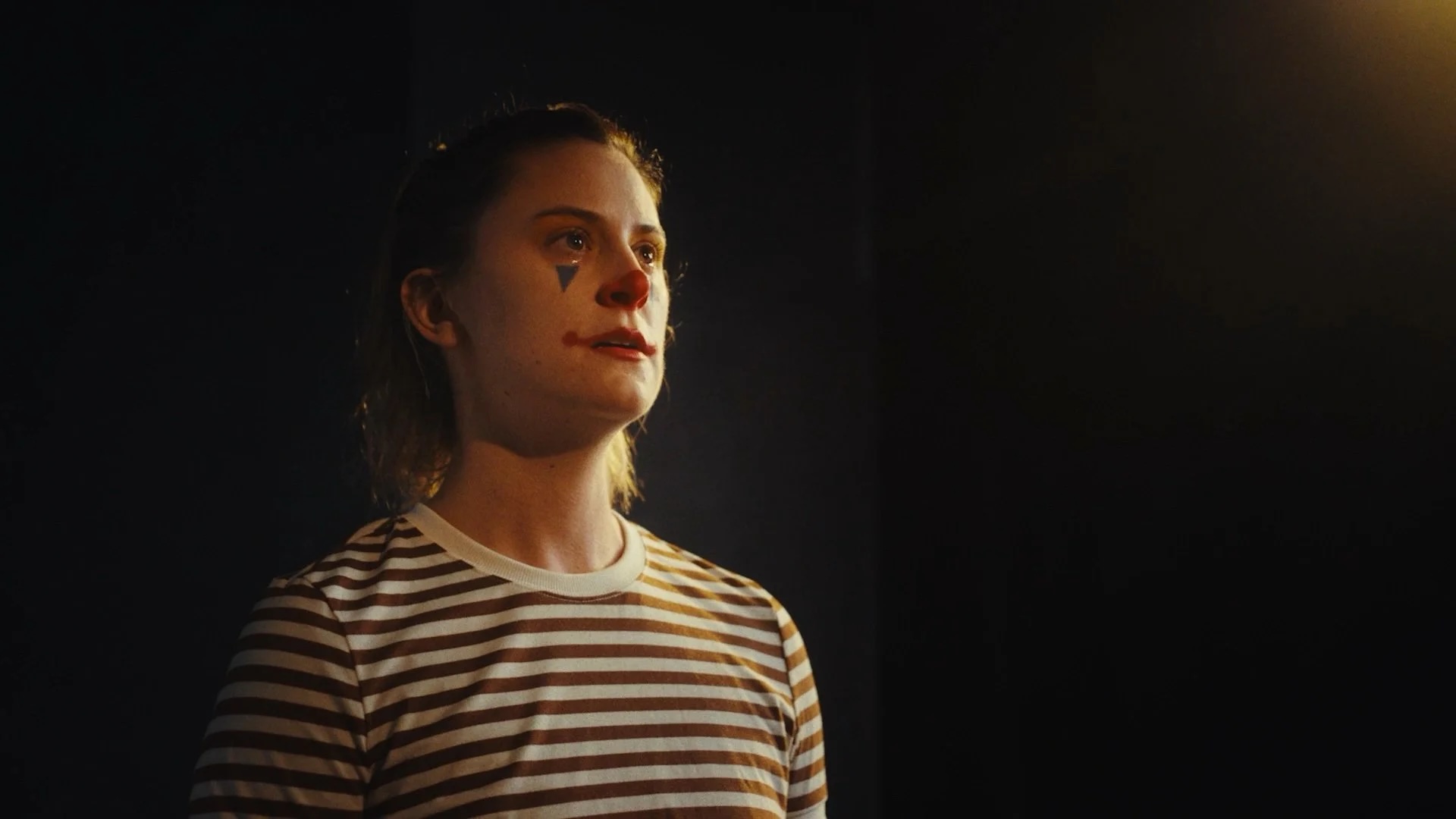
This moment of crushing self-awareness forced Brown to confront what she terms "that reptile part of my brain that’s toxically ambitious." It was the part of her that had systematically sacrificed dates, family holidays, and genuine human connection on the altar of her career. The film functions as a time capsule of that internal conflict: the tension between a healthy life and a compulsive, all-consuming obsession with professional validation.
The filming process mirrored this intensity. Bauman-Murphy utilized long, fluid takes and Steadicam sequences to navigate the cramped, claustrophobic corridors of the comedy club. For the film’s climactic green-room sequence, the director demanded the cast perform the entire scene in one unbroken master take. This decision leaned heavily on the live-performance backgrounds of the cast, which includes notable comedy faces such as Dan Perlman (Flatbush Misdemeanors) and Wyatt Cenac (The Daily Show). The resulting interplay is vital, keeping the film grounded in reality even as the narrative stakes reach a literal, explosive maximum.
The Cultural Ecosystem: Supporting Data
The success of NUKE lies in its refusal to rely on the "post-irony" crutch that often plagues short-form comedies. In an era where many creators use humor to distance themselves from their feelings, Bauman-Murphy and Brown lean into the discomfort. The film is a testament to the fact that comedy is often a byproduct of misery.
The festival circuit has taken notice of this unique tonal balancing act. NUKE has garnered significant critical acclaim, including a Special Jury Mention at the Oak Cliff Film Festival and a Best Actress award for Brown at the Nòt Film Fest. Further screenings at high-profile festivals like New/Next, Nitehawk, and Filmfort have solidified its reputation as a standout piece of independent cinema.
The Director’s Perspective: Official Responses
Kelsea Bauman-Murphy has been vocal about the importance of maintaining emotional honesty amidst the absurdity. "Being at a comedy show while there’s a threat of a nuclear missile hitting the U.S. is completely ridiculous," she noted, "but the personal journey for the characters in the room is grounded and realistic."
The goal, according to the filmmakers, was to avoid the easy path of cynicism. While the turn from a premise that sounds like a sketch-comedy skit to an existential, character-driven drama is a common pivot in short filmmaking, NUKE executes it with a rare, brutal force. The film does not mock Molly for wanting something badly, nor does it romanticize her pursuit. Instead, it presents her ambition as a cage, one that is only unlocked by the total destruction of the world outside.
Implications: The High Cost of the Grind
The implications of NUKE go beyond the punchline. It asks the viewer to consider what we sacrifice in the name of our professional identities. In a society that demands constant hustle, Molly’s refusal to acknowledge the end of the world is a dark mirror for the modern worker who cannot "turn off" their ambition, even in the face of tragedy.
The film suggests that the "grind" is not merely a tool for success, but a psychological state that can narrow a person’s world until professional achievement becomes the sole metric of value. The nuclear alert acts as the absurd, high-stakes catalyst that brings these internal choices into sharp relief. By the end of the film, we are left not with a critique of a comedian, but with a compassionate, albeit uncomfortable, look at the human condition.
Conclusion: A Masterclass in Tension
NUKE succeeds because it does not overwhelm the smaller, stranger movie hidden inside its massive premise. It is a film about bombing that somehow, miraculously, kills. For those who have ever felt the crushing weight of wanting to succeed in a world that feels increasingly indifferent, Molly’s struggle is deeply, disarmingly recognizable.
As the film makes its online premiere, it leaves the audience with a lingering question: if the world were ending tomorrow, would we stop to finish the task we’ve built our identities around, or would we finally realize that we were never really living at all? NUKE doesn’t give us a tidy answer, and that is precisely why it works. It is funny, uncomfortable, visually assured, and, perhaps most importantly, it is unafraid to be sincere.
In a landscape often crowded with disposable digital content, NUKE stands as a reminder that the best comedies are often the ones that acknowledge the tragedy beneath the surface. It is a masterclass in tone, a triumph of independent storytelling, and a chillingly relatable portrait of the creative spirit under duress. Whether you are a fan of comedy, cinema, or simply the human experience, NUKE is a short film that demands to be seen—before the sirens start.
