
The Unsettling Dance of Distance: An In-Depth Look at Hugo De Sousa’s ‘Best Friends With the Devil’
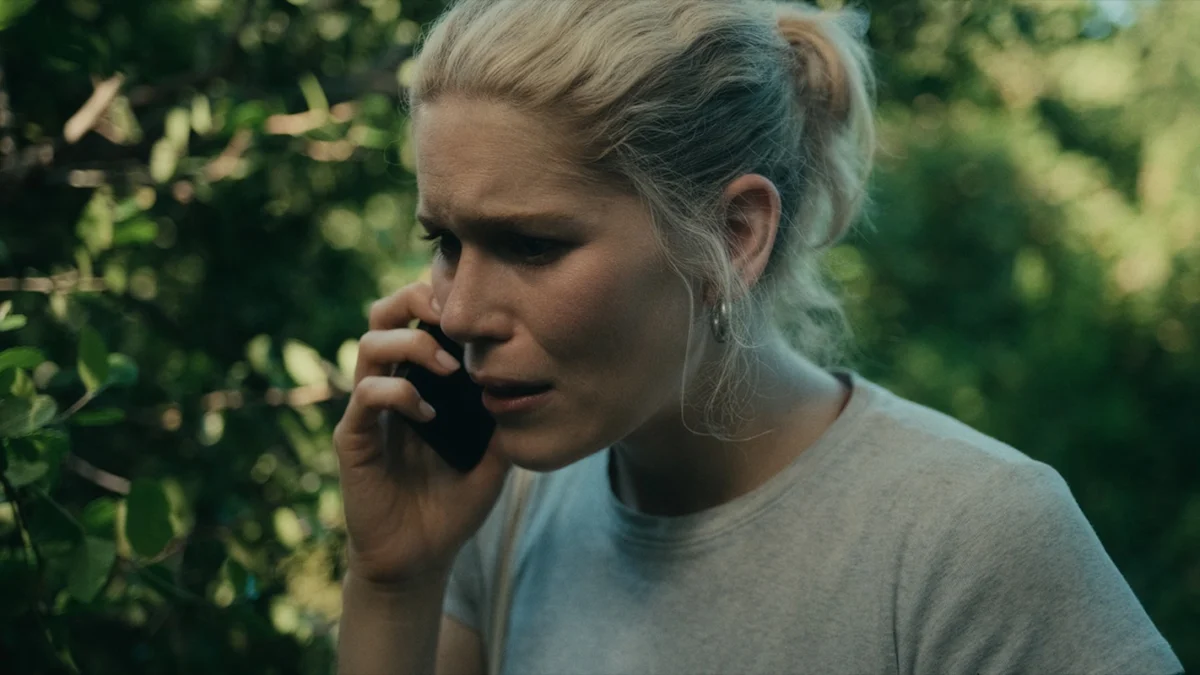
In the landscape of contemporary short-form cinema, few films manage to capture the claustrophobia of modern anxiety as effectively as Hugo De Sousa’s latest offering, Best Friends With the Devil. Clocking in at a breathless ten minutes, the film is a masterclass in subverting genre expectations, balancing the thin, razor-sharp line between psychological thriller and dark comedy. As the film makes its highly anticipated debut online following a successful festival circuit run, audiences are finally getting a chance to witness a narrative that explores the grief of losing a friendship as much as it investigates the dangers of the unknown.
The Premise: A Search Party into the Abyss
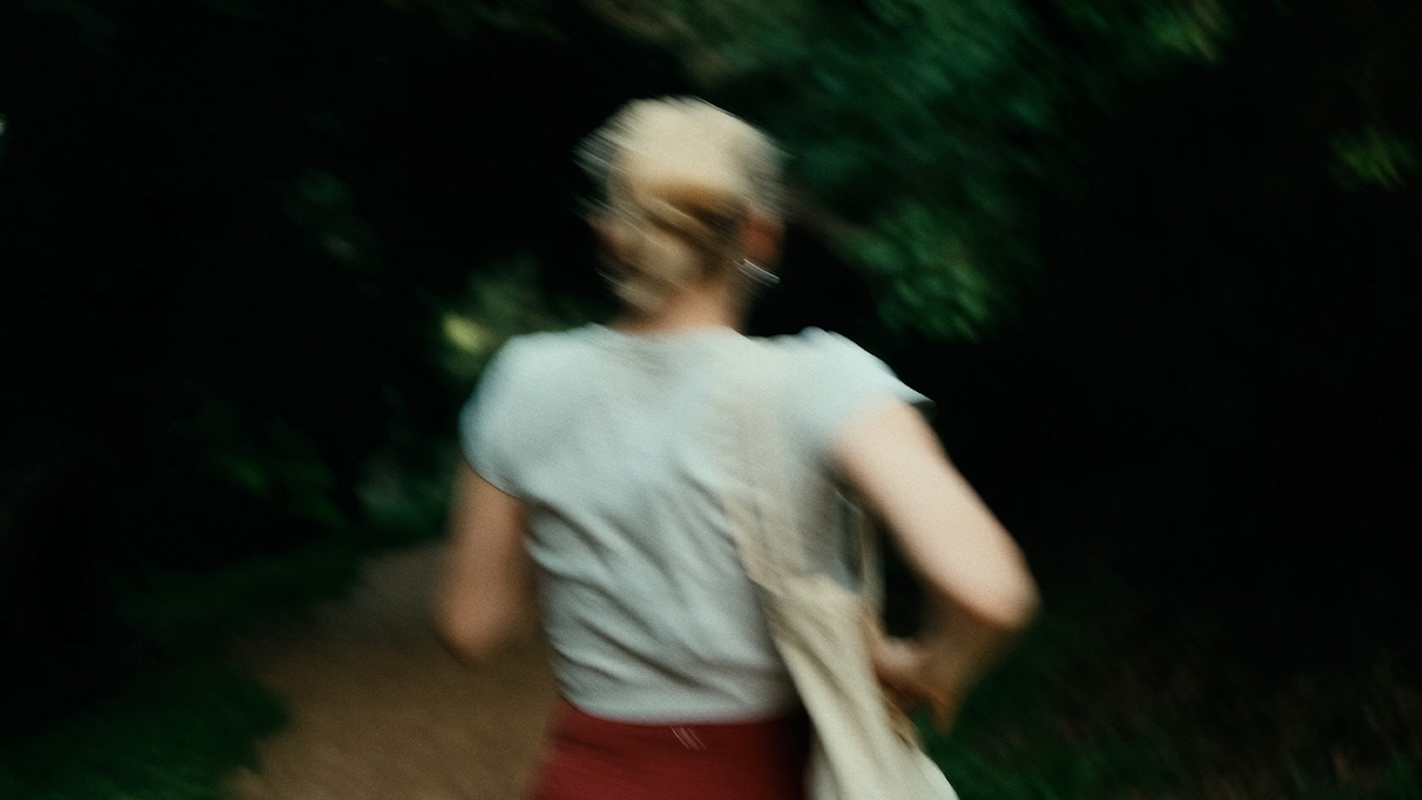
The story begins with a simple, high-stakes hook: Amy is missing. Rather than succumbing to the paralysis of waiting at home, her best friend, Lola, takes action. Clad in yoga pants and armed with nothing more than a tote bag, she sets out to retrace Amy’s final known movements. Her companion in this search is David, the man who accompanied Amy on the ill-fated hike that preceded her disappearance.
What follows is not a standard procedural investigation. Instead, De Sousa traps the audience alongside these two characters, forcing us to bear witness to a series of back-to-back narrative pivots that keep the viewer perpetually off-balance. Throughout the ten-minute runtime, the film forces us to constantly recalibrate our understanding of the situation, questioning the safety of the protagonists and, more importantly, the nature of their intentions.
Chronology of a Creative Vision
The genesis of Best Friends With the Devil was born from a desire for efficiency. De Sousa, looking to craft a genre film that relied on "minimal setup," centered his idea on the fundamental vulnerability of a stranger in an isolated location. "As a woman, going to an isolated place with a man you don’t know… what could go wrong?" De Sousa posits, highlighting the inherent tension built into the film’s very premise.
The Evolution of Friendship
Beyond the immediate thrills, the film serves as a meditation on the natural decay of platonic relationships. The relationship between Amy and Lola is not the idyllic, unbreakable bond often depicted in mainstream media; it is a relationship that has evolved, frayed, and distanced over time.
De Sousa admits that this thematic core is deeply personal. "Like Lola, I’m not as close to some of my friends as I once hoped to be, and it has taken me a long time to accept that," he confessed. The film, in many ways, acts as a cathartic outlet for the guilt associated with the slow, quiet drifting apart of two people who were once inseparable. By pushing this emotional malaise to the absolute breaking point within a thriller structure, De Sousa transforms the mundane pain of lost connection into something visceral and, at times, terrifying.
Supporting Data: Crafting the Tension
The film’s success relies heavily on its technical execution, which works in tandem with the performances to create an atmosphere of relentless unease.
Technical Prowess: The Camera as a Trap
Working alongside Director of Photography Sarah Whelden—known for her work on Stitches and Bury Your Fish—De Sousa employs a visual language designed to maximize claustrophobia. The use of long takes is a deliberate choice; there are no quick cuts to offer the audience a reprieve from the hike. By keeping the camera locked onto the characters in the middle of nowhere, the filmmakers effectively trap the viewer alongside them.
The editing, handled by De Sousa himself, serves as the final piece of the puzzle. By alternating between intimate close-ups and wide, desolate landscape shots, the film mirrors the internal emotional states of the characters. These visual shifts facilitate the film’s "delightfully abrupt" tonal pivots, allowing the comedy and the horror to coexist without ever feeling discordant. The result is a pace that holds the audience’s breath from the opening frame to the final, shocking conclusion.
Performance as the Anchor
The film’s emotional heavy lifting is performed by Ellyn Jameson, whose portrayal of Lola has been widely lauded. Jameson is tasked with navigating a volatile emotional rollercoaster, hitting narrative beats that change in nature within seconds. Her ability to pivot from concern to confusion to genuine fear is what grounds the film’s more outlandish twists.
Opposite her, De Sousa himself steps into the role of David. His performance is a deliberate study in contrast; by keeping David’s energy and demeanor relatively constant throughout the hike, he provides a stable baseline that makes Lola’s increasingly erratic and intense reactions feel all the more heightened.
Official Responses and Festival Reception
Best Friends With the Devil made its world premiere at the 2026 SXSW Film & TV Festival, where it immediately garnered attention for its sharp script and technical confidence. The film’s path to its online release has been paved with critical acclaim from major genre circuits.
- SXSW 2026: The official world premiere, which established the film as a standout in the short film category.
- Palm Springs ShortFest: Recognized for its tight editing and narrative economy.
- Fantasia International Film Festival: Celebrated for its subversion of slasher and thriller tropes.
- Salute Your Shorts: A testament to the film’s broad appeal within the independent filmmaking community.
These selections confirm that De Sousa has succeeded in his goal of creating a "genre film" that transcends the limitations of its runtime. Critics have noted that the film’s strength lies in its refusal to be easily categorized, oscillating between dark satire and genuine psychological suspense.
Implications for the Future of Independent Thrillers
The success of Best Friends With the Devil carries significant implications for De Sousa’s career and the broader independent film market. As the industry continues to move toward shorter, more punchy content, De Sousa’s ability to weave complex emotional themes into high-tension genre pieces proves he is a filmmaker of significant potential.
The filmmaker is not resting on his laurels; he is currently in the development phase for his feature-length debut, titled Drug Test Cowboy. Given the thematic ambition and technical precision on display in his current short, expectations for his feature debut are understandably high.
A Mirror to Modernity
Perhaps the most lasting implication of the film is how it reflects our collective cultural anxiety. We live in an era of "ghosting," where the dissolution of friendships often happens without a word. By taking that modern social phenomenon and projecting it onto a dangerous, isolated environment, De Sousa has created a film that resonates on two levels: the adrenaline-fueled thriller and the quiet, melancholy drama of human disconnection.
In Best Friends With the Devil, the "devil" may not be a supernatural entity or a literal monster in the woods. Instead, the devil is the inevitable entropy of relationships, the suspicion that grows in the absence of truth, and the terrifying possibility that the person walking beside you might be a complete stranger.
As the film makes its way to a wider digital audience, it stands as a reminder that the most compelling horror often stems from the people we think we know best. Hugo De Sousa has crafted a ten-minute experience that stays with the viewer long after the screen goes dark—a testament to the power of sharp writing, intentional camerawork, and the courage to explore the uncomfortable truths of our personal lives.
