
The Curious Case of ‘Ponies’: Why Peacock’s Critically Acclaimed Spy Comedy Met an Abrupt End
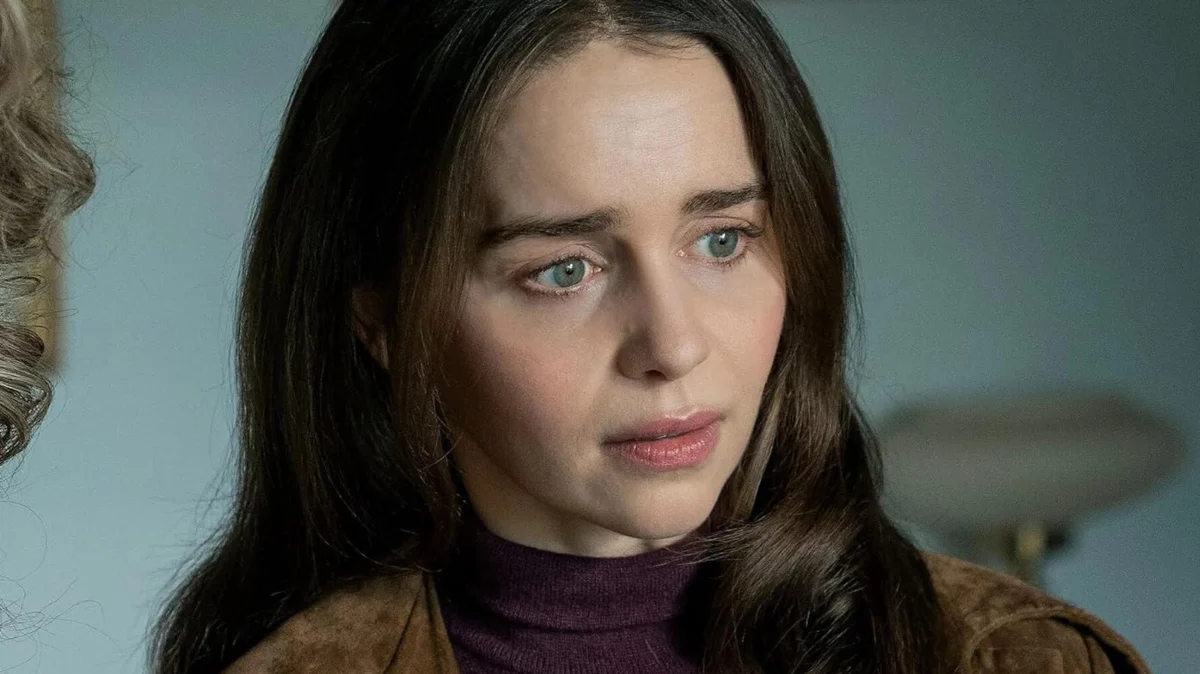
In the ever-shifting landscape of streaming television, the death of a series is rarely a surprise. Yet, when Peacock announced the cancellation of Ponies—the stylish, 1977-set Cold War spy comedy—it sent a ripple of disappointment through both the industry and a devoted, if modest, fanbase. Despite a 94% critical approval rating on Rotten Tomatoes and a premise that promised a refreshing departure from the grim, high-stakes espionage dramas typical of the genre, the show’s journey ended after just eight episodes.
Created by the powerhouse duo of Susanna Fogel—the visionary behind Booksmart and The Spy Who Dumped Me—and David Iserson, Ponies was marketed as a subversion of the genre. Now, as the dust settles on the cancellation, the industry is left to grapple with a familiar, uncomfortable question: How can a show be both a critical darling and a commercial failure in the age of streaming?
The Premise: Spies by Accident
To understand the loss, one must look at what Ponies actually delivered. Debuting on January 15, 2026, the series introduced audiences to Twila (Haley Lu Richardson) and Bea (Emilia Clarke), two women working as secretaries at the U.S. Embassy in Moscow. In the lexicon of the CIA, they are "PONIs"—Persons of No Interest—a designation that makes them the perfect, invisible pawns in a geopolitical game.
The inciting incident is as tragic as it is absurd: both women lose their husbands under mysterious, seemingly unrelated circumstances. Thrust into a world they are wholly unprepared for, the pair are forced to transition from office clerks to active CIA operatives. The comedy of the series was derived not from their competence, but from their profound lack of it. It was a "fish out of water" story that leaned into the absurdity of the late 1970s, balancing the tension of the Cold War with the genuine, blossoming friendship between two leads who possessed immense charisma.
A Chronology of a Short-Lived Mission
The timeline of Ponies was brief but intense. The series generated significant pre-release buzz, largely due to the star power of Emilia Clarke and the rising profile of Haley Lu Richardson.
- January 15, 2026: Ponies premieres on Peacock with high expectations for a breakout hit.
- February 2026: The season concludes. While social media chatter is positive and critics laud the performances, internal viewership metrics at NBCUniversal reportedly fail to reach the threshold required for a second season renewal.
- June 2026: Following months of speculation regarding its future, official reports from Deadline and The Hollywood Reporter confirm the series has been canceled.
The brevity of the show’s life cycle reflects the brutal reality of modern streaming, where a production that does not immediately become a "watercooler" hit is often treated as a liability rather than an investment in brand building.
Supporting Data: The Metrics of Failure
The cancellation of Ponies serves as a textbook example of the "critical-commercial disconnect." While The Guardian praised it as "weirdly joyful and bizarrely endearing" and Variety lauded the leads’ chemistry, these accolades did not translate to the metrics that ultimately matter to platforms like Peacock.
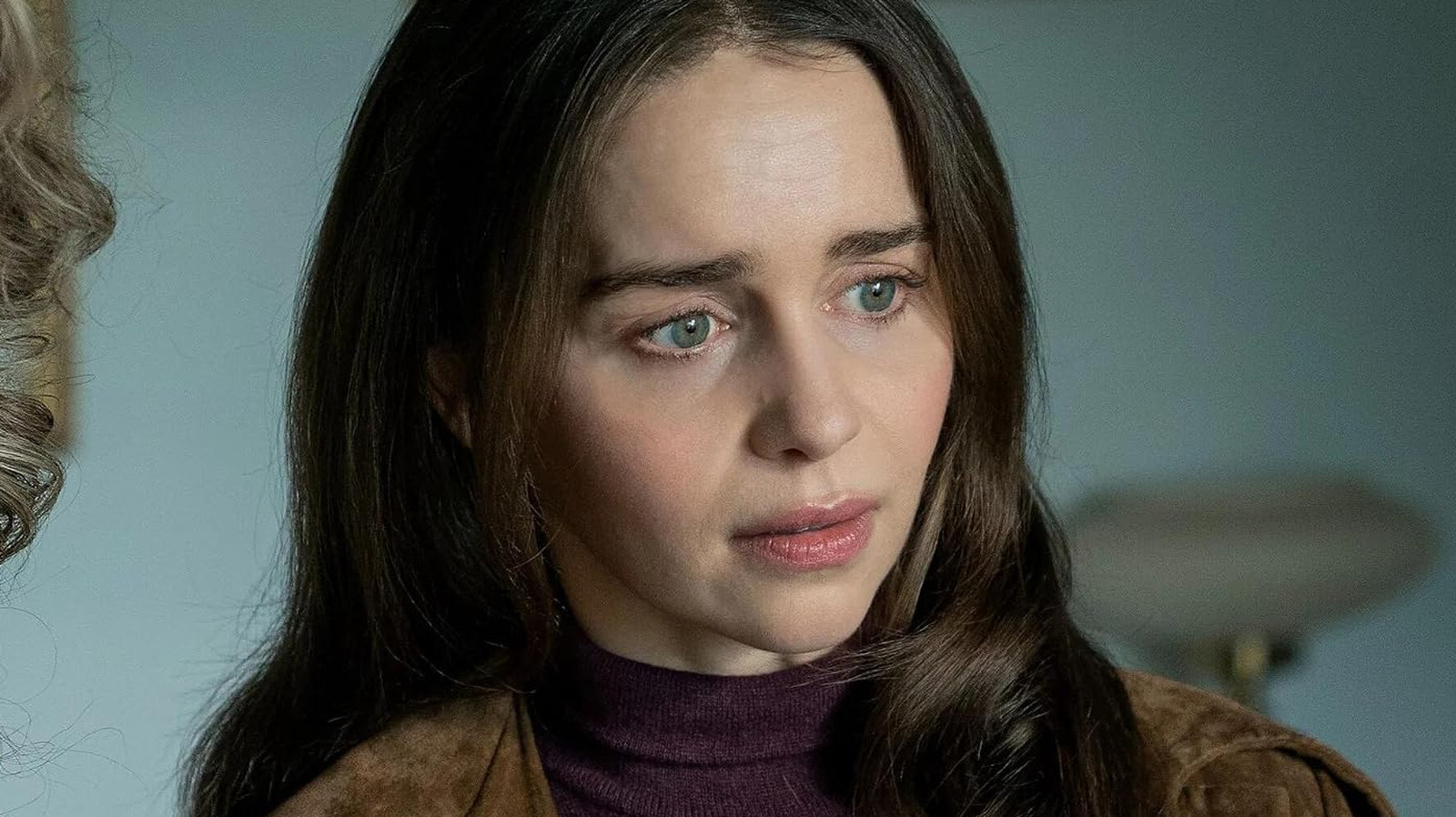
Industry analysts point to the lack of Nielsen top-10 streaming placements as the primary culprit. While exact viewership numbers remain opaque, industry consensus suggests Ponies failed to penetrate the cultural zeitgeist outside of a niche audience. In the competitive streaming ecosystem of 2026, being the "11th-most-watched show" is often indistinguishable from being invisible.
Furthermore, Peacock has been under significant pressure to stem financial losses. The platform has struggled with churn rates and subscription growth, leading to a "belt-tightening" philosophy. In this context, Ponies was a victim of a fiscal mandate: when the cost of production outweighs the influx of new subscribers, the quality of the content—no matter how high—becomes secondary to the bottom line.
Why the Reviews Were So High
It is worth dissecting why critics loved the show even as the public remained hesitant. Ponies was, by all accounts, a "middle-stakes" drama. In an era dominated by high-octane thrillers and dystopian nightmares, Ponies felt like a breath of fresh air.
As The Guardian’s Lucy Mangan noted, the show avoided the "reveling in tradecraft" that defined John le Carré adaptations. It didn’t care about the granular details of bugging a room or decrypting a wiretap; it cared about how Twila and Bea navigated their friendship while trying not to get killed.
Alison Herman of Variety hit the nail on the head: "Any actual intelligence work done in Ponies is in service to these women and their burgeoning friendship." By stripping away the "rigorous interrogation of ideology" seen in shows like The Americans, Ponies offered a light, whimsical, and ultimately human-centric take on a genre that often takes itself too seriously. It was a show that asked the viewer to suspend their disbelief and simply enjoy the ride—a request that critics were happy to honor, even if the general public found the tone too niche.
The Implications for Peacock and the Industry
The cancellation of Ponies highlights a systemic issue within the streaming business model. Platforms are increasingly prioritizing "four-quadrant" hits—shows that appeal to everyone—over high-quality, targeted content.
The Cost of Innovation
When a platform like Peacock cancels a show with a 94% critical rating, it signals to creators that innovation is risky. If a show with A-list talent, a unique premise, and critical acclaim cannot survive, then what can? This leads to a creative "homogenization" where streamers may favor safe, formulaic procedurals over genre-bending experiments.
The Visibility Problem
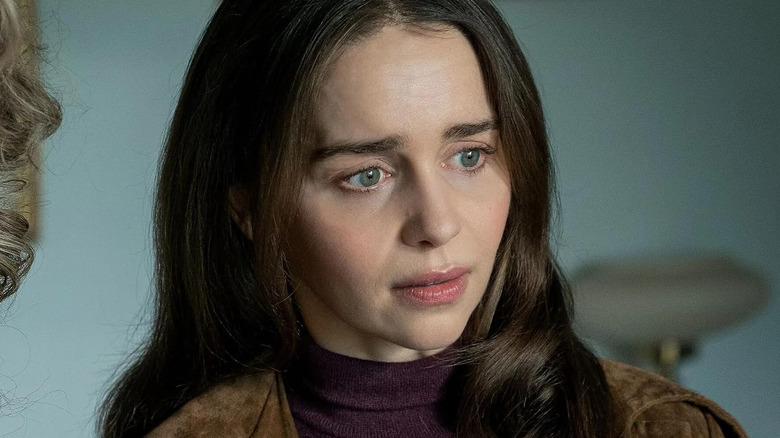
There is also the matter of platform reach. Peacock has struggled to maintain the same level of cultural ubiquity as Netflix or Disney+. If a high-quality show is buried in a cluttered interface without a massive marketing push, it is essentially set up for failure. The question remains: was Ponies a show that people didn’t want, or was it a show that people didn’t know they had access to?
The "Friendship as Magic" Lesson
Perhaps the most biting irony of the Ponies cancellation is that the show’s central theme—that the bond between these two women was their greatest asset—was not enough to save them from the cold logic of corporate accounting. In the world of Ponies, friendship was magic; in the world of Peacock’s balance sheets, it was just another line item.
Looking Forward: What Happens Next?
While the story of Ponies has come to a close, the cast and creators have already moved on. Susanna Fogel’s track record remains impeccable, and both Emilia Clarke and Haley Lu Richardson continue to be in high demand. However, the void left by the show will be felt by viewers who were looking for something different.
The "Ponies" experiment provides a sobering lesson for the streaming industry. As platforms continue to battle for survival, the "middle-stakes" drama may become an endangered species. Viewers are left to wonder if the future of television will be defined by the high-concept, critically acclaimed gems we love, or by the data-driven algorithms that ensure they never make it past a single season.
Ultimately, Ponies was a show that deserved a longer life. It was clever, funny, and beautifully performed. But in the current era of streaming, where the metrics of success are often as mysterious as the spy work the characters performed, it seems that even a brilliant performance cannot outrun the ticking clock of a quarterly earnings report. Twila and Bea may have survived the Cold War, but they couldn’t survive the streaming wars.
