
The Emerald Curse: Re-Examining the Cultural, Cinematic, and Cult Legacy of the Leprechaun Franchise
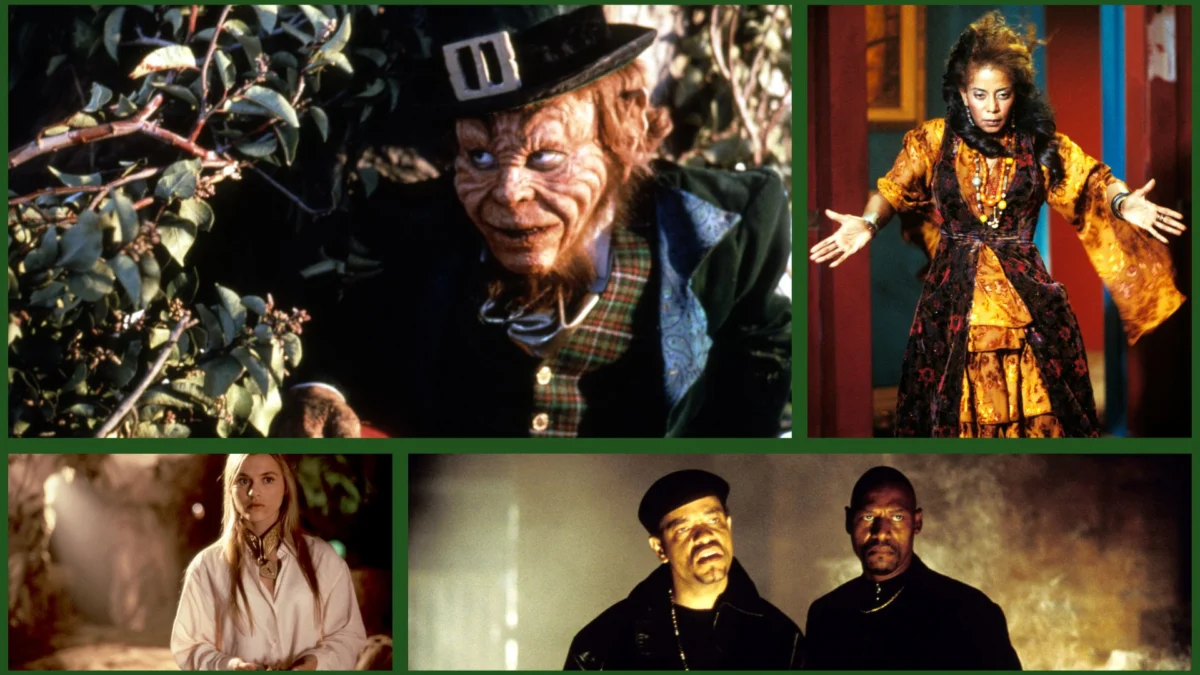
By Alison Foreman
Enriched & Expanded Edition
Main Facts: The Resilience of a Low-Budget Horror Anomaly
Ah, the Leprechaun films. They may not be the high-art St. Patrick’s Day slashers society necessarily deserves, but they are undeniably the ones we have. Revisiting Lubdan the Leprechaun has evolved into a steadfast annual tradition that a dedicated subculture of horror enthusiasts—and, frankly, a massive contingent of 4/20 observers—practicing each and every spring. In 2025, diving back into this delightfully chaotic franchise is not merely a nostalgia trip; it is a fascinating study in low-budget endurance, accidental camp evolution, and the strange, winding career trajectories of the filmmakers who dared to touch the pot of gold.
To understand the enduring fascination with the eight-film franchise, one must first look at its current cultural standing. For one thing, the best Leprechaun film to date was crafted by the perpetually busy Steven Kostanski, a cult-favorite practical effects master and director who won over even more genre fans with his delightfully weird 2024 creature feature, Frankie Freako. Conversely, the absolute nadir of the franchise is also uniquely relevant in 2025: Leprechaun: Origins (2014) was directed by Zach Lipovsky, the very same filmmaker who is currently resurrecting Warner Bros.’ flagship death-trap franchise with Final Destination: Bloodlines, alongside co-director Adam Stein.

From its humble, almost-career-ending beginnings for a young Jennifer Aniston in 1993 to WWE-produced misadventures and bizarre voyages into outer space, the Leprechaun series is an unbreakable cinematic cockroach. It refuses to die, shifting tones from misguided straight-to-video earnestness to self-aware, pun-laden splatstick.
Chronology: From Accidental Terror to Counterculture Stardom
1993–2003: The Warwick Davis Era and the Shift to Camp
The franchise launched in 1993 with writer-director Mark Jones at the helm. Originally, Leprechaun set out to earnestly terrify audiences, trading on ancient Celtic mythology blended with traditional slasher tropes. Notably, the film almost launched Jennifer Aniston’s theatrical career into the ground—though, in hindsight, the future Friends star emerged completely unscathed, while the film carved out its own bizarre niche.
When straightforward terror wasn’t resonating with audiences in the way Lionsgate/Trimark Pictures hoped, creator Mark Jones and the studio execs made some adjustments. They leaned into the absurdity, starting Lubdan the Leprechaun down the road to counterculture stardom. Played with mischievous glee by veteran actor Warwick Davis for the first six films, the titular terror resembled the lovechild of Freddy Krueger and a chaotic talk-show host.

During this initial era, the series went on a wild geographical and thematic tour:
- 1994: Leprechaun 2 traded rural farmhouses for Los Angeles.
- 1995: Leprechaun 3 brought the carnage to the bright lights of Las Vegas.
- 1997: Leprechaun 4: In Space boldly went where no horror franchise should have logically gone, launching the pint-sized villain out of Earth’s atmosphere.
- 2000 & 2003: The franchise doubled down on blaxploitation-horror hybrids with Leprechaun in the Hood and Leprechaun: Back 2 tha Hood, cementing the series as a staple of late-night cable television.
2014–Present: Reboots, WWE, and Modern Masters
After a decade-long hiatus, WWE Studios stepped in to revitalize the property. This era brought about a tonal whiplash.
Director Zach Lipovsky missed the mark significantly with Leprechaun: Origins in 2014, stripping away Warwick Davis, removing the character’s signature rhyming dialogue, and turning Lubdan into a generic, feral CGI monster. Fans largely rejected the grimdark approach.

Fortunately, horror maven Steven Kostanski helped the series rebound triumphantly with Leprechaun Returns in 2018. Returning the franchise to its comedic, gore-soaked roots with actor Linden Porco stepping into the lead role, Kostanski proved that the character only works when everyone involved is in on the joke.
Supporting Data: Navigating the Eight-Film Golden Vault
A mixed bag peppered with occasional nuggets of gold, the eight Leprechaun films are wildly inconsistent in quality. Reasonably funny zingers and gruesome-enough practical kills are usually enough to propel a casual watch, but for marathoners running short on time, curation is key.
To help fans navigate the rainbow, horror critics generally rank the eight films from worst to best based on kills, comedic timing, and production inventiveness:

- Leprechaun: Origins (2014): Universally ranked at the bottom. Stripping the humor and Warwick Davis left a hollow shell of a monster movie.
- Leprechaun 4: In Space (1997): So aggressively nonsensical that it wraps around from terrible to endlessly entertaining.
- Leprechaun 2 (1994): A step down from the original, relying heavily on recycled tropes, though L.A. provides a fun backdrop.
- Leprechaun: Back 2 tha Hood (2003): Davis’s final outing in the classic run features a surprisingly fun atmosphere and great soundtrack integration.
- Leprechaun (1993): The historical artifact. Watching Jennifer Aniston battle a mythical creature in braces is a rite of passage.
- Leprechaun in the Hood (2000): Iconic for Ice-T’s involvement and the sheer audacity of its hip-hop-infused plotline.
- Leprechaun 3 (1995): Widely considered the fan-favorite of the original run. Setting the monster loose in Las Vegas allowed for the most creative magical-wish kills in the franchise.
- Leprechaun Returns (2018): Steven Kostanski’s love letter to the original captures the exact blend of splatter, self-awareness, and mischief that the series always aspired to achieve.
Official Responses and Industry Perspectives
Behind the scenes, the evolution of the Leprechaun franchise has been met with surprising candor from its creators. Warwick Davis, who defined the character for over a decade, has frequently spoken about the physical toll of the heavy foam latex makeup and heavy-duty contact lenses required to bring Lubdan to life. In various retrospective interviews, Davis has acknowledged that while the films were B-movies by design, the camaraderie on set and the passionate fan base made the grueling hours worthwhile.
Mark Jones, reflecting on the 1993 original, has often expressed amusement at how his earnest monster movie morphed into a stoner-culture classic. "We wanted to make a classic horror villain," Jones noted in past interviews. "When audiences laughed at the rhymes instead of screaming, we realized we had tapped into something much more unique than a standard slasher."
Meanwhile, modern torchbearers like Steven Kostanski have championed the value of practical creature effects over modern digital shortcuts. Kostanski’s approach to Leprechaun Returns relied heavily on tangible suit design and old-school gore gags, a philosophy that earned him high praise from horror purists who felt the franchise lost its identity during the mid-2010s grit-and-grind era.

Implications: What the Franchise Tells Us About Modern Horror Fandom
The enduring viability of the Leprechaun series holds significant implications for the broader horror landscape in 2025. In an era where intellectual properties are endlessly rebooted with inflated budgets and self-serious prestige formulas (often dubbed "elevated horror"), the Leprechaun franchise stands as a proud, glittering monument to low-brow, unpretentious fun.
Furthermore, the career paths of its alumni demonstrate how the horror genre functions as a vital training ground for Hollywood talent. From Jennifer Aniston’s trajectory to superstardom to Zach Lipovsky graduating from a failed franchise entry to spearheading high-profile studio revivals like Final Destination, and Steven Kostanski cementing his status as an independent practical-effects auteur, Leprechaun has quietly woven itself into the fabric of contemporary filmmaking infrastructure.
As spring arrives and horror fans break out their green attire and celebratory refreshments, Lubdan remains safely in his cinematic burrow—waiting, rhyming, and reminding audiences that no matter how bad a movie franchise gets, there is always a pot of gold at the end of the cult-classic rainbow.
